Category: Medications - Page 2
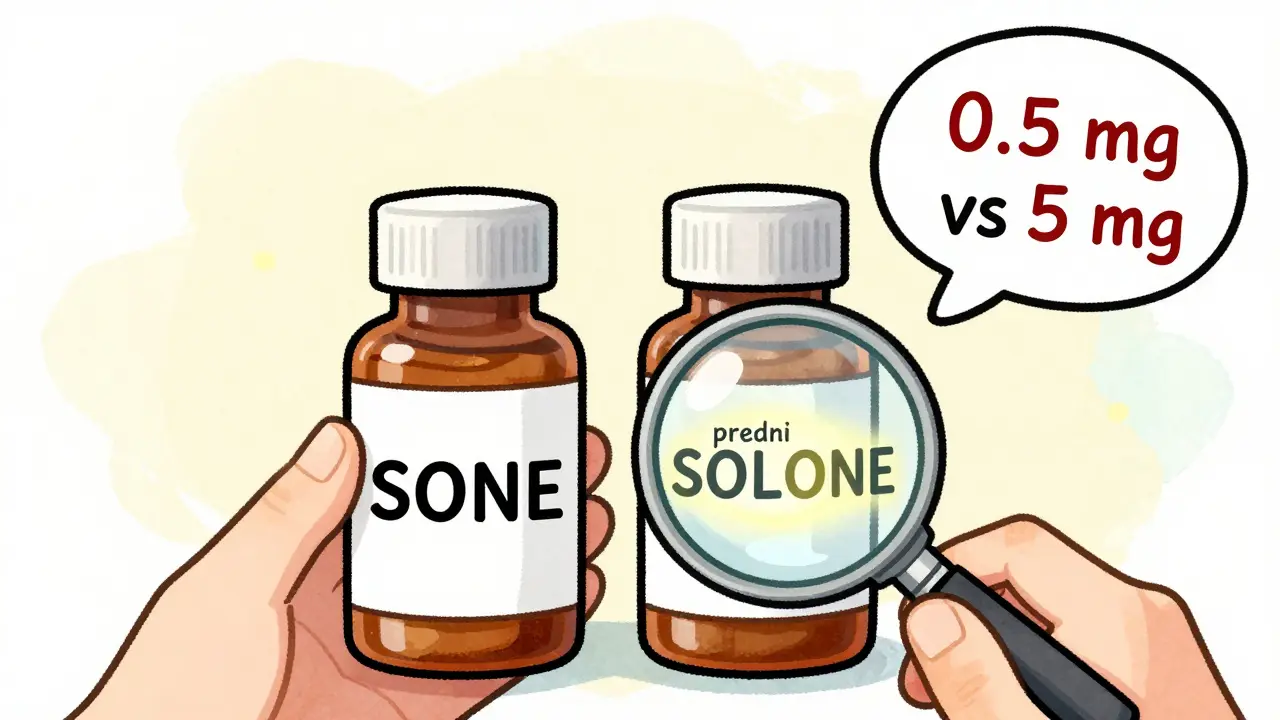
How to Check Medication Names, Strengths, and Dosage Forms Safely
Learn how to safely verify medication names, strengths, and dosage forms to prevent deadly errors. Follow proven steps used by pharmacists and nurses to ensure every dose is correct.
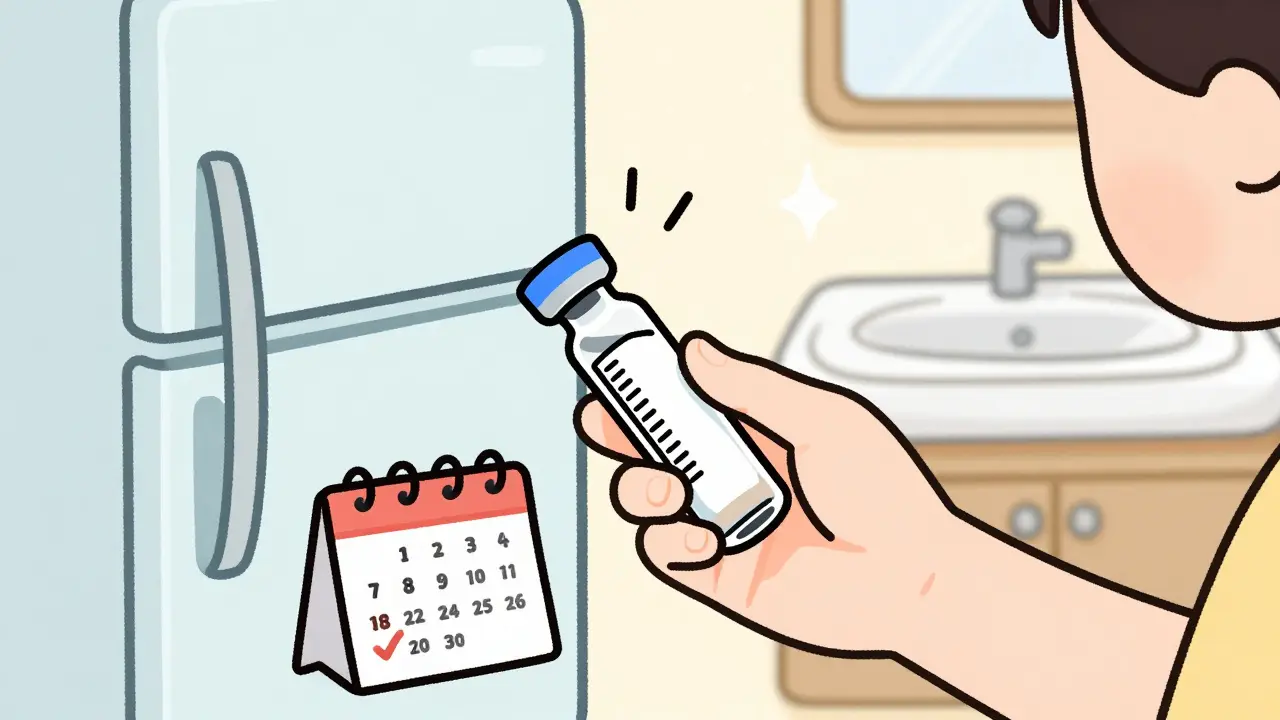
How to Create a Medication Expiration Review Schedule for Safe Medication Management
Learn to create a medication expiration review schedule for safety and savings. Avoid health risks and waste with simple steps and expert tips. FDA and ISMP guidelines explained. Protect yourself and your family from expired meds.
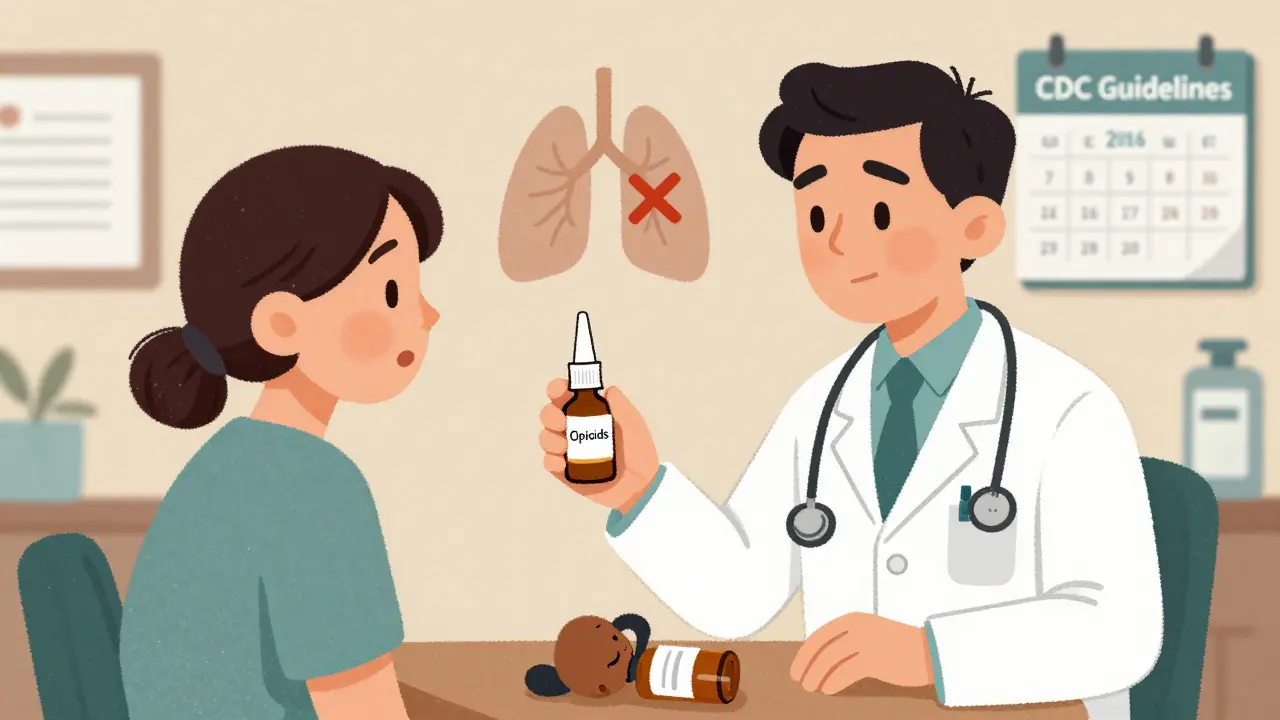
Naloxone Co-Prescribing: How It Saves Lives When Opioids Are Prescribed
Naloxone co-prescribing saves lives by giving opioid patients immediate access to an overdose reversal drug. Learn who needs it, how it works, and why it's now a standard safety measure.
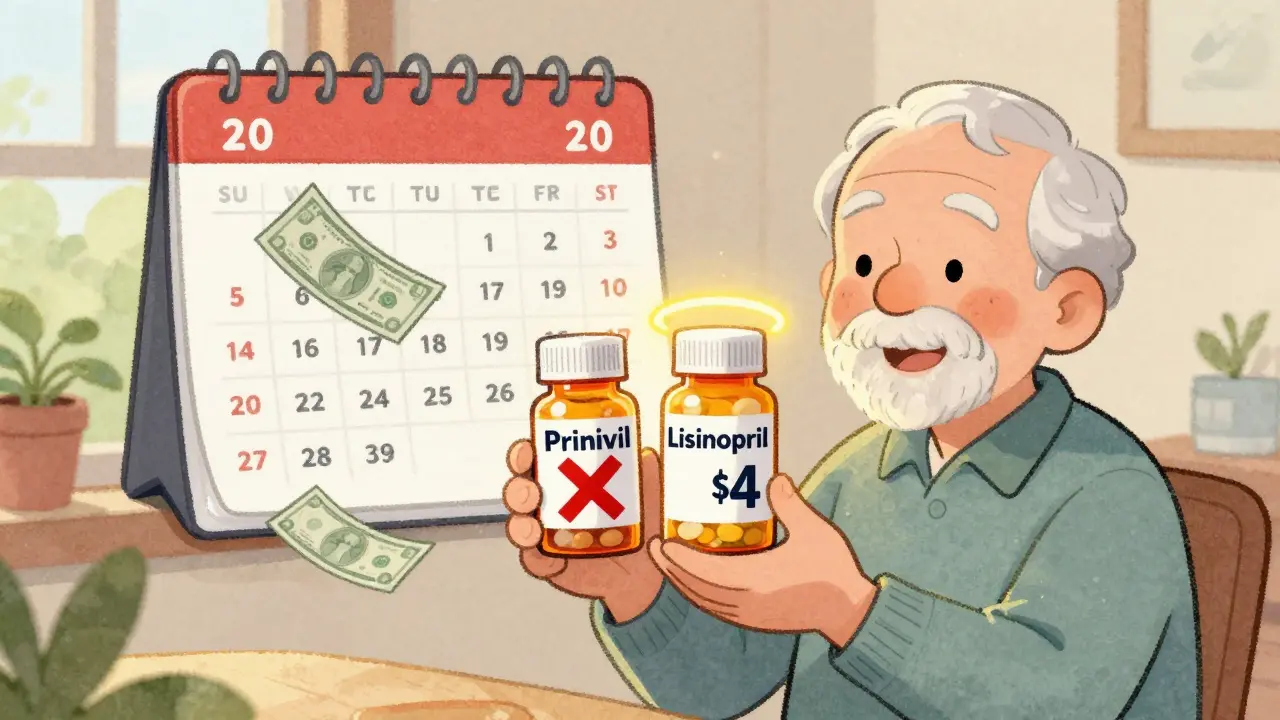
Lifetime Savings: How Generic Medications Cut Chronic Condition Costs for Good
Generic medications offer up to 85% savings on lifelong chronic condition treatments, improving adherence and cutting lifetime drug costs by tens of thousands. Learn how to switch and save.
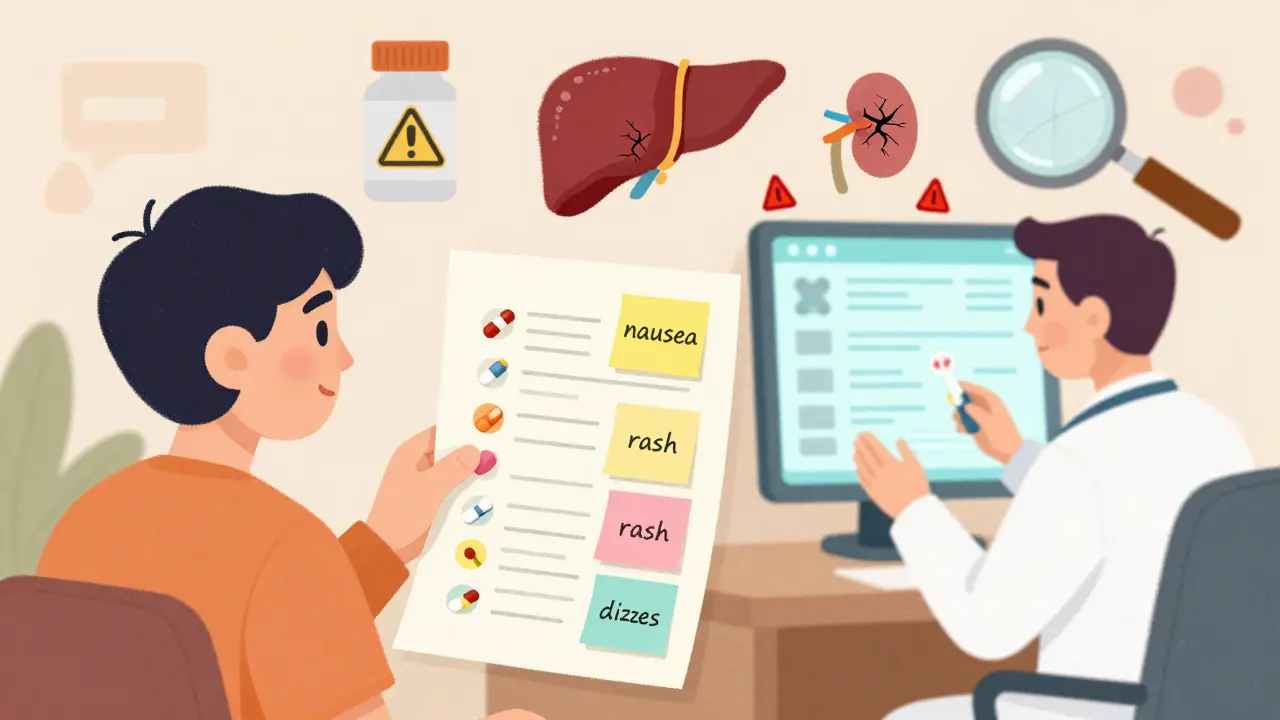
How Medical History Increases Your Risk of Specific Medication Side Effects
Your medical history directly shapes how your body reacts to medications. Past reactions, kidney or liver issues, age, gender, and multiple prescriptions all increase your risk of dangerous side effects. Understanding these links can save your life.
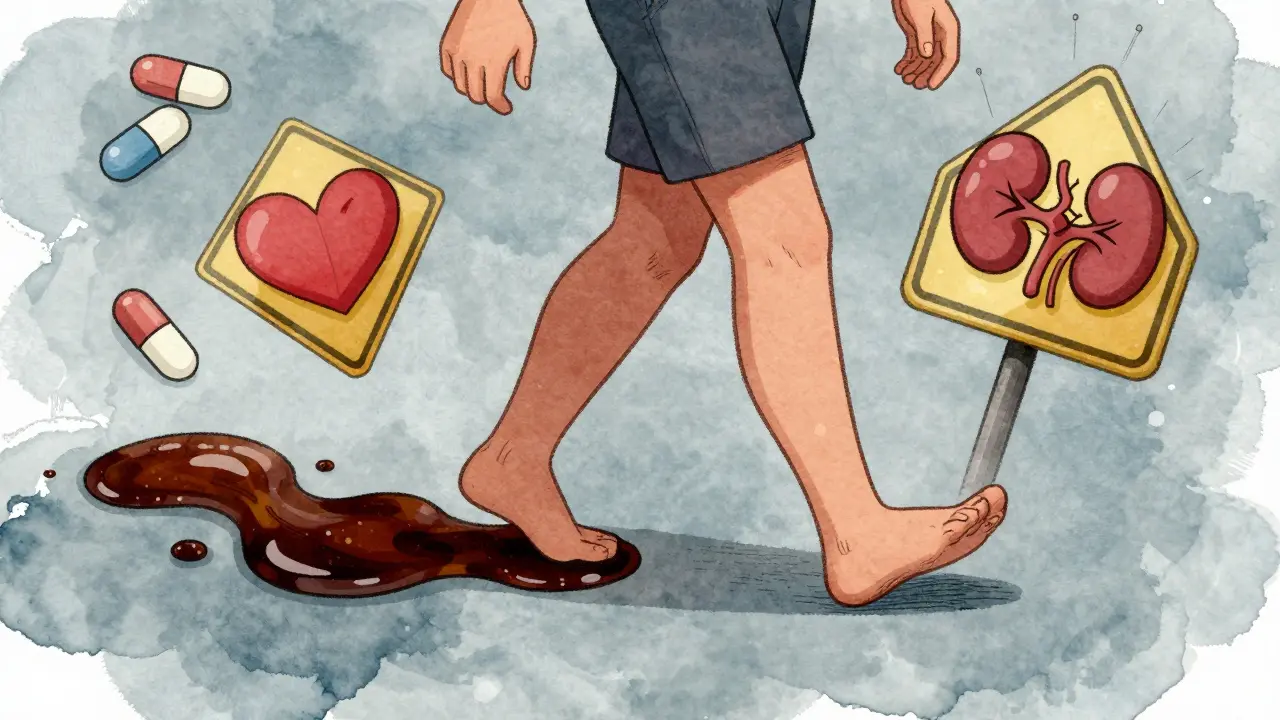
Rhabdomyolysis from Statins: What You Need to Know About This Rare but Dangerous Side Effect
Rhabdomyolysis from statins is rare but dangerous. Learn the signs, risk factors, and what to do if you experience muscle pain or dark urine while on these common heart medications.

New Antidepressants with Better Side Effect Profiles: What’s Emerging in 2026
New antidepressants like Exxua, Zuranolone, and Auvelity offer faster relief and far fewer side effects than older SSRIs. Learn how they work, who they help most, and what barriers still stand in the way.
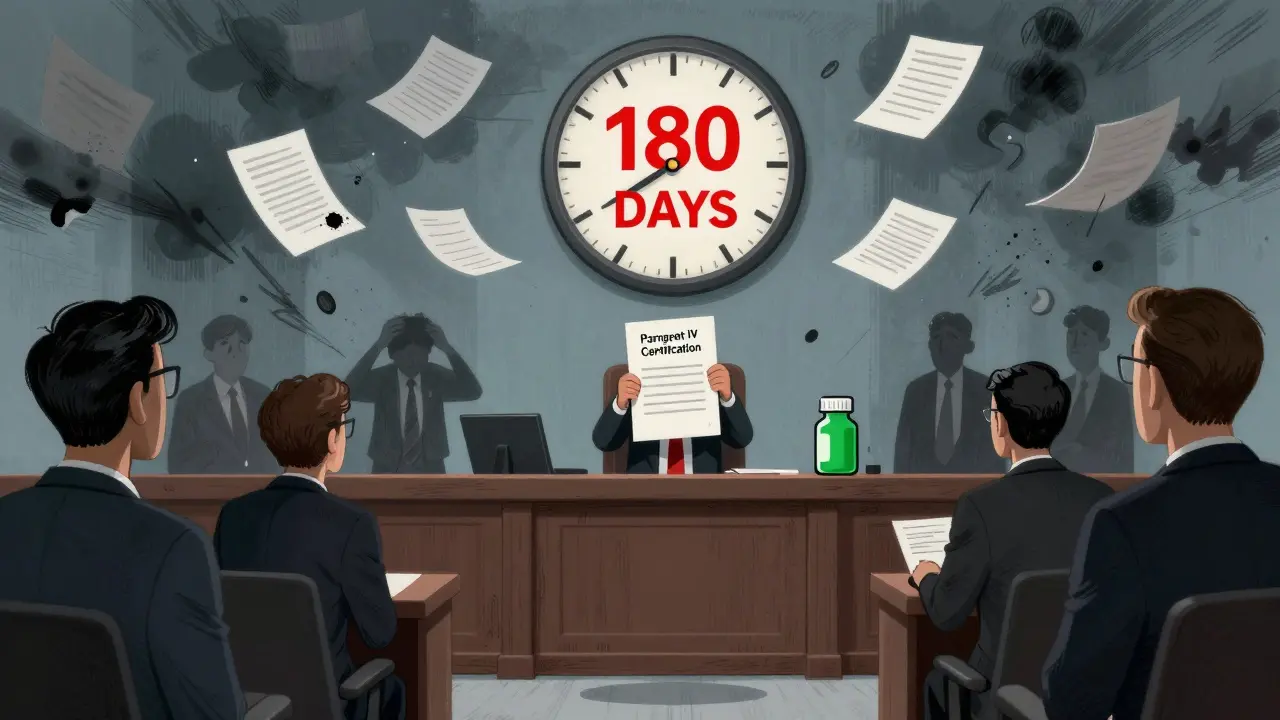
Why the First Generic Drug Filer Gets 180 Days of Market Exclusivity
The first generic drug company to file a patent challenge gets 180 days of exclusive sales rights. But this rule, meant to lower drug prices, is often manipulated to block competition instead.
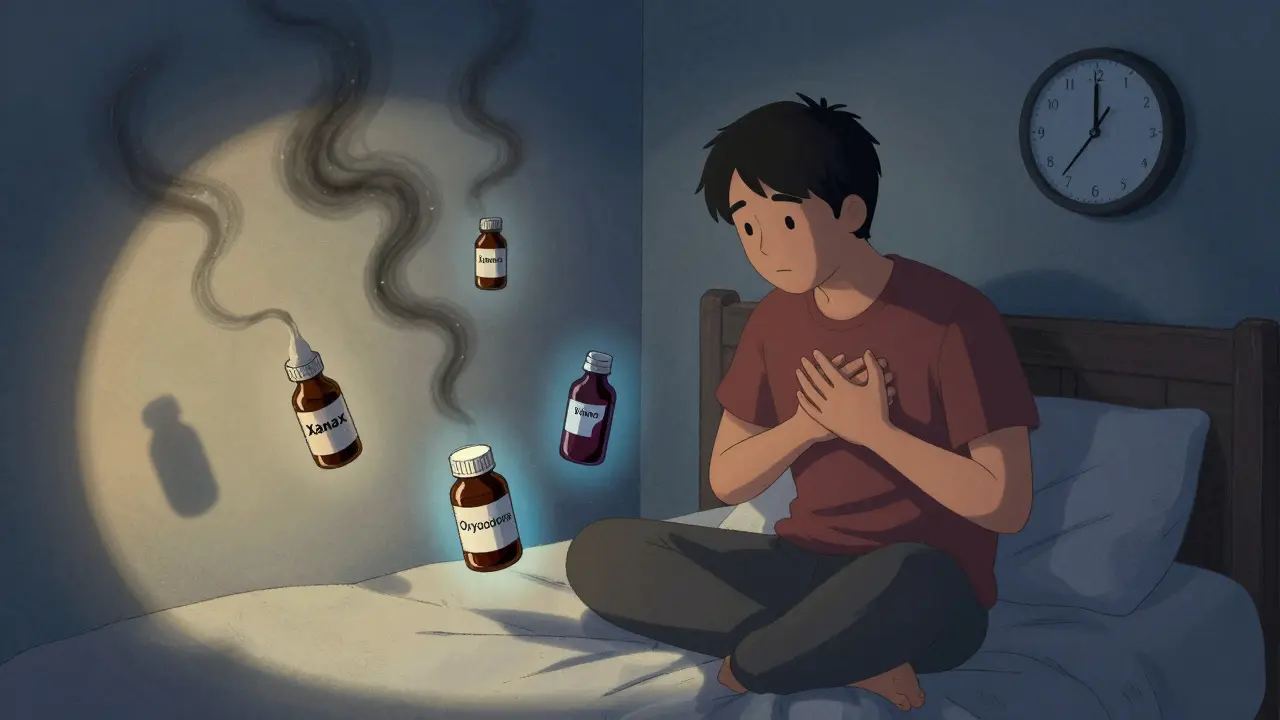
Anxiety Medications: Benzodiazepines and the Real Risks of Mixing Them with Other Drugs
Benzodiazepines like Xanax and Valium work fast for anxiety but carry serious risks when mixed with opioids, alcohol, or other sedatives. Learn the real dangers, what to avoid, and safer alternatives.
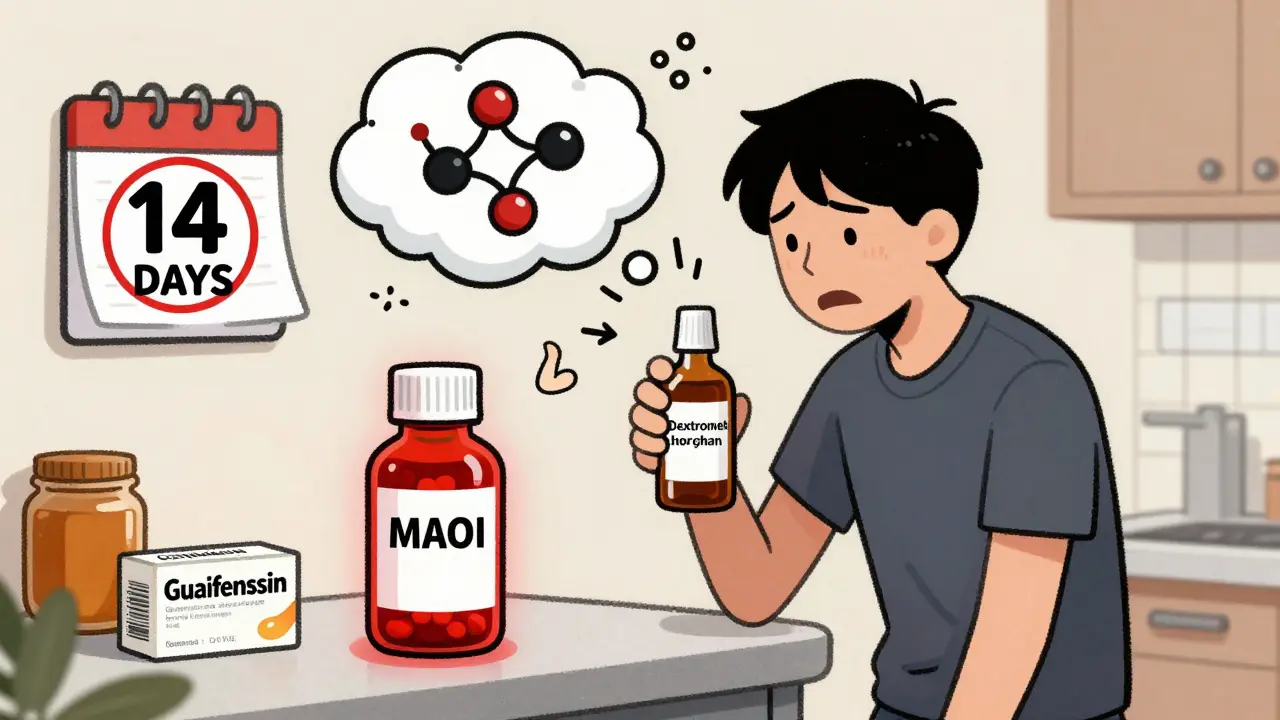
Cough Suppressants and MAOIs: What You Need to Know About Dextromethorphan Risks
Dextromethorphan in common cough medicines can cause life-threatening serotonin syndrome when taken with MAOI antidepressants. Learn the risks, safe alternatives, and what to do if you're on one of these drugs.