
Extended-Release Medication Benefits Calculator
Calculate the potential benefits of switching from immediate-release to extended-release medication for your specific condition.
Results will appear here after calculation.
When you pick up a prescription, you might not think about whether it’s a tablet, capsule, or extended-release version. But that choice matters-deeply. The way a drug is made affects how fast it works, how long it lasts, and even how many side effects you get. It’s not just about convenience. It’s about safety, comfort, and whether the medicine actually works the way it should.
Tablets vs. Capsules: What’s Really Different?
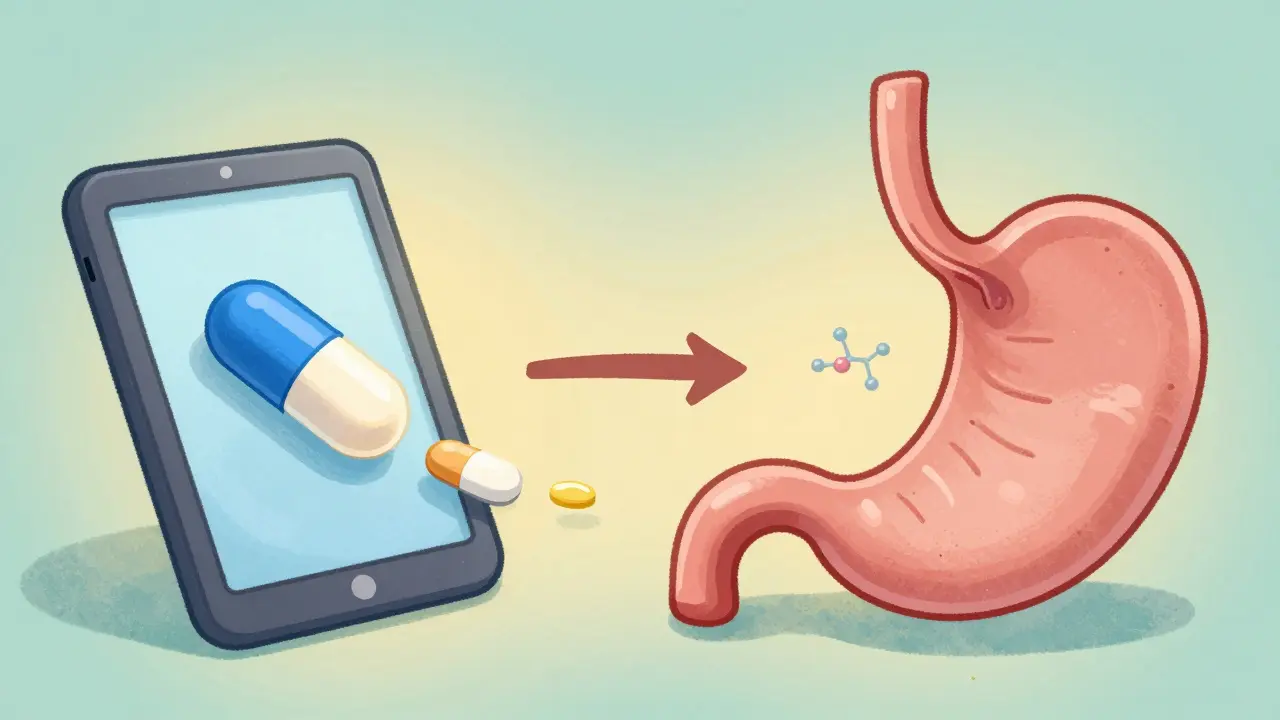
Tablets and capsules look similar, but they behave very differently in your body. A tablet is a compressed powder, often coated to protect the drug or control when it dissolves. A capsule is a shell-usually gelatin or plant-based-that holds powder or liquid inside. The shell breaks open in your stomach, releasing the drug faster.
Studies show capsules absorb about 20-30% faster than tablets. Why? Because there’s no dense compression to break down. Your stomach doesn’t have to work as hard. That’s why some meds, like antibiotics or pain relievers, come in capsules: you need the drug in your system quickly.
But tablets win when it comes to shelf life. They last 2-3 years longer than capsules at room temperature. Capsules can soften, stick together, or leak if exposed to heat or humidity. That’s why you’ll often see tablets in long-term meds like blood pressure or cholesterol drugs. Stability matters when you’re taking something every day for years.
Extended-Release: Slowing Down the Rush
Extended-release (ER), also called sustained-release (SR) or extended-release (XR/XL), is designed to release the drug slowly over 12 to 24 hours. Instead of one big spike in your bloodstream, you get a steady trickle. This isn’t just marketing-it’s science.
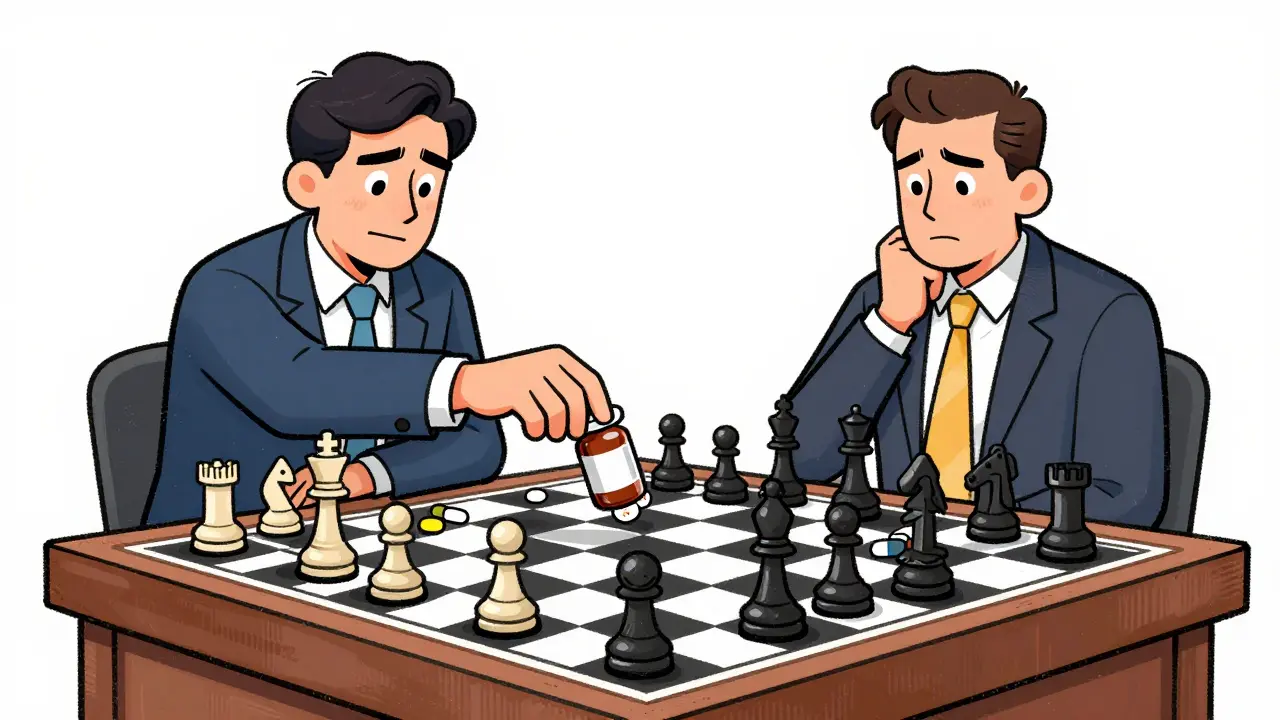
Traditional immediate-release pills cause a sharp peak in drug levels within 1-2 hours. That spike is often what triggers side effects. Think nausea from antidepressants, dizziness from blood pressure meds, or jitteriness from ADHD drugs. ER versions smooth that out. Clinical trials show ER formulations reduce peak-to-trough fluctuations by 40-60% compared to immediate-release versions. That means fewer highs and lows-and fewer side effects.
For example:
- Extended-release bupropion (Wellbutrin XL) cuts nausea by 30% compared to regular bupropion (13.3% vs. 19.1%).
- Extended-release venlafaxine (Effexor XR) reduces dizziness by 22% and nausea by 18%.
- In epilepsy, ER versions of carbamazepine and valproate led to significantly fewer side effects in 4 out of 7 studies reviewed by neurologists.
These aren’t small differences. For someone who can’t tolerate the side effects of a regular pill, switching to an ER version can mean the difference between staying on treatment and quitting.
How Extended-Release Works (Without the Jargon)
There are four main ways ER pills control drug release:
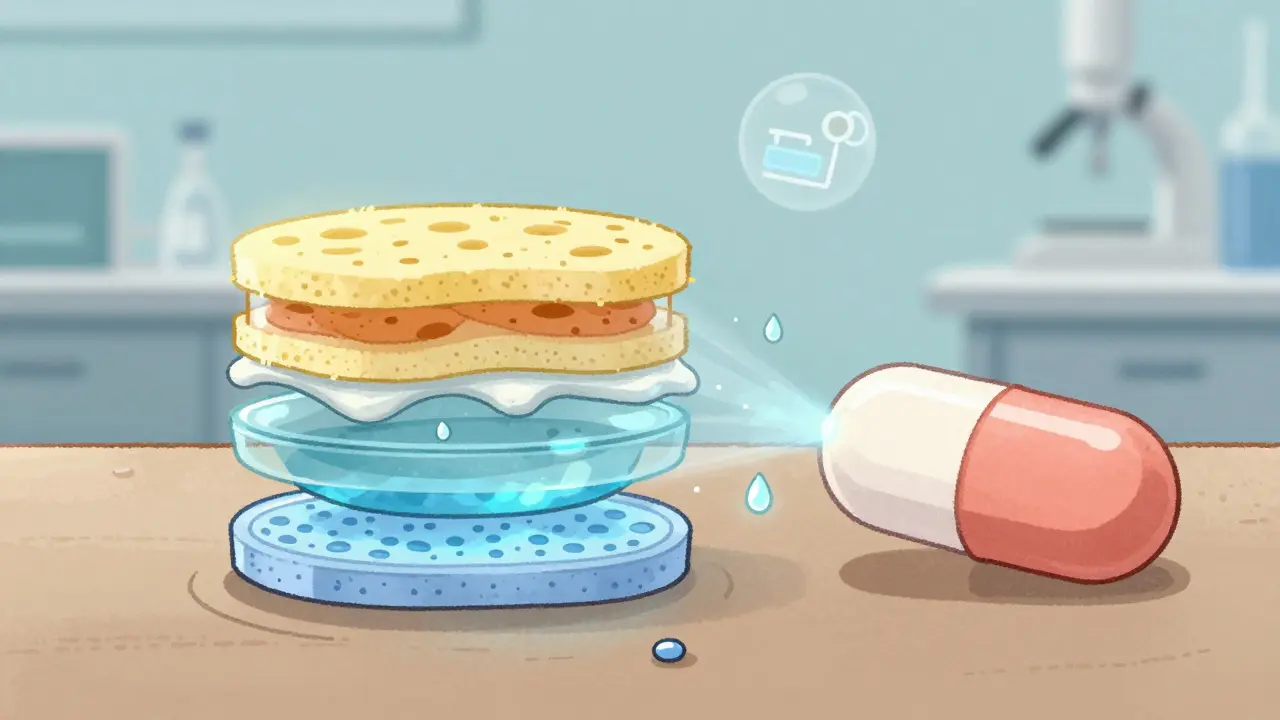
- Hydrophilic matrix: The tablet swells like a sponge when it hits water. The drug slowly leaks out through the gel. HPMC (hydroxypropyl methylcellulose) is the most common material here.
- Hydrophobic matrix: The drug is locked inside a waxy or plastic barrier. It has to slowly dissolve through the material. Ethylcellulose is often used.
- Reservoir system: The drug sits in a core, surrounded by a membrane with tiny holes. It oozes out like a slow drip.
- Osmotic system: Water pulls into the pill through a laser-drilled hole, pushing the drug out steadily. This is how drugs like Concerta work.
Each method has pros and cons. Matrix systems are cheaper and easier to make. Reservoir and osmotic systems are more precise but cost more to develop. That’s why ER pills are 2.5 times more expensive to produce than regular ones-and why they often cost more at the pharmacy.
The Hidden Risks of Extended-Release
ER isn’t perfect. It can backfire if your body doesn’t cooperate.
One big issue: dose dumping. If the coating or matrix fails-due to manufacturing flaws, damage, or interactions with food-the whole dose can release at once. That’s dangerous. The FDA has required label changes for 12% of ER drugs approved between 2010 and 2020 because of this risk.
Food can also mess with ER drugs. High-fat meals can increase drug absorption by 20-35% in about 15% of ER products. That’s why some ER meds say “take on an empty stomach” or “take with food.” Ignore that, and you could end up with too much drug in your system.
Then there’s the problem of incomplete release. About 5-10% of people-especially those with slow gut motility, gastroparesis, or after GI surgery-don’t fully absorb the drug. The pill passes through intact. You think you took your dose. But your body didn’t get it. This is why some patients on ER meds still have symptoms: they’re not absorbing the drug.
And you can’t crush or split ER pills. Ever. Crushing an extended-release tablet turns it into an immediate-release bomb. That’s how overdoses happen. A 2021 analysis found 12% of medication errors involving ER drugs were caused by people crushing or splitting them.
Who Benefits Most From Extended-Release?
ER formulations shine for chronic conditions that need steady drug levels:
- Psychiatric disorders: Depression, anxiety, bipolar disorder, ADHD. Fewer daily doses = better adherence.
- Neurological conditions: Epilepsy, Parkinson’s, migraines. Stable levels prevent seizures or tremors.
- Cardiovascular diseases: High blood pressure, angina. Avoiding peaks reduces strain on the heart.
Patients on ER versions report better quality of life. On Drugs.com, ER meds average 4.2 out of 5 stars. Why? Two reasons show up again and again:
- “I only take one pill a day now.” (68% of positive reviews)
- “I don’t feel sick like I used to.” (52% of reviews)
A case study from UPM Pharmaceuticals showed a patient with bipolar disorder went from 65% adherence on three daily pills to 92% on one ER pill. Over a year, mood episodes dropped by 47%.
The Downsides: Cost and Rigidity
ER versions cost more. On average, they’re 2.3 times pricier than their immediate-release counterparts. For example, generic Wellbutrin XL can cost $185/month. The immediate-release version? $15. That gap isn’t just about profit-it’s R&D, testing, and manufacturing complexity.
Another problem: you can’t adjust the dose easily. If you need 150 mg, and the only ER option is 100 mg or 200 mg, you’re stuck. No half-tablets. No custom doses. That’s tough for older adults, kids, or people with sensitive systems.
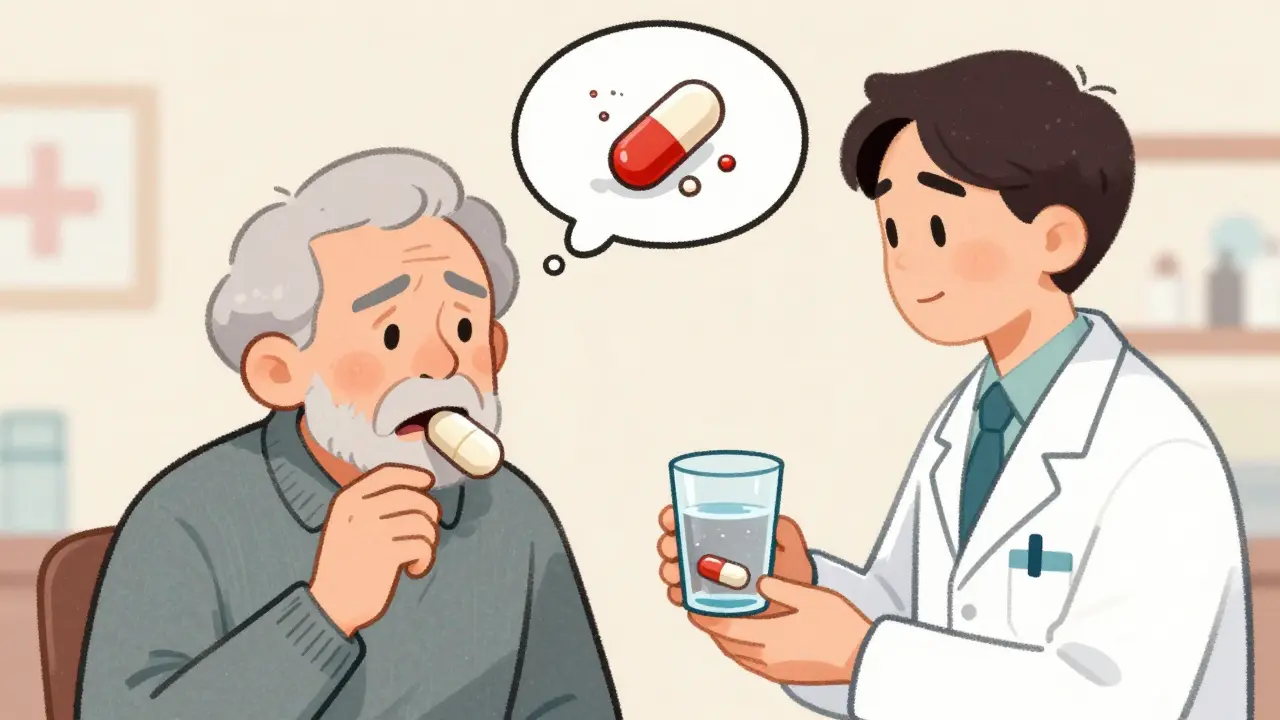
And swallowing? Many ER tablets are large. A 2022 Mayo Clinic survey found 27% of elderly patients struggled to swallow them. Some manufacturers now make smaller ER pills or use multi-particulate systems (like Rytary for Parkinson’s) to help.
What to Ask Your Doctor or Pharmacist
If you’re on a medication that comes in multiple forms, ask:
- Is there an extended-release version? Could it help with my side effects?
- Do I need to take it with or without food?
- Can I crush or split this pill?
- Is there a cheaper generic option? What’s the difference?
- What happens if I miss a dose?
For ER drugs, missing a dose isn’t always a crisis. Some, like Trokendi XR (topiramate ER), let you take the missed dose anytime within 24 hours. That’s not true for regular pills. Knowing this can reduce anxiety.
The Future: Smarter Pills, Fewer Pills
The market for ER drugs is exploding. It’s expected to hit $214 billion by 2028. Why? Aging populations. More people managing multiple chronic conditions. Simpler regimens = better outcomes.
New tech is making ER even smarter:
- Multi-pulse systems like Rytary deliver three doses in one pill-mimicking natural dopamine release in Parkinson’s.
- Gastric-retentive systems stay in the stomach for 24 hours, ideal for drugs that need constant exposure.
- pH-targeted release delivers drugs exactly where they’re absorbed best.
But challenges remain. Microplastics from ER coatings are showing up in wastewater. Regulatory agencies are tightening standards. And not all patients respond the same way.
By 2030, nearly half of all oral pills will be extended-release. That’s not just progress-it’s a necessity. For millions, it’s the difference between managing a condition… and living with it.
Are extended-release pills better than regular tablets?
For many people, yes. Extended-release pills reduce side effects by keeping drug levels steady, lower the number of daily doses, and improve adherence. But they’re not better for everyone. If you have slow digestion, trouble swallowing, or need precise dose adjustments, a regular tablet might work better. It depends on your body and your condition.
Can I crush an extended-release tablet if I can’t swallow it?
Never crush an extended-release tablet unless your doctor or pharmacist says it’s safe. Crushing releases the full dose all at once, which can lead to overdose. Some ER pills use special coatings or beads that are designed to be swallowed whole. If swallowing is hard, ask about liquid versions, capsules, or smaller tablets.
Why do some extended-release pills cost so much more?
Developing an extended-release version takes 2-3 times longer and costs 2.5 times more than a regular tablet. It requires advanced technology, extra testing, and complex manufacturing. Even when generics exist, the ER version often stays expensive because the formulation is harder to copy. Always check if a cheaper immediate-release option is available and appropriate for your situation.
Do food and drinks affect extended-release medications?
Yes, sometimes dramatically. High-fat meals can increase absorption by 20-35% in certain ER drugs. Some must be taken on an empty stomach, others with food. Always follow the instructions on the label. If you’re unsure, ask your pharmacist. A simple change in how you take it can affect how well it works-or if it causes side effects.
What’s the difference between SR, ER, XR, and XL?
They all mean essentially the same thing: slow release over time. SR = sustained-release, ER = extended-release, XR = extended-release, XL = extended-release (extra-long). The terms aren’t standardized, so don’t assume one is stronger than another. Always check the drug name and dosage. For example, Wellbutrin XL and Wellbutrin ER are the same thing-just different branding.


Katy Shamitz
March 7, 2026 AT 22:00Oh honey, I just switched from regular Wellbutrin to XL after my third panic attack in a week. Let me tell you - it’s like my brain finally stopped throwing confetti at 3 a.m. No more nausea, no more jittery coffee hands. I’m not saying it’s magic, but it’s the closest thing I’ve found to peace in a pill. And yes, I cried when I saw the price tag. But worth it. 😊
Nicholas Gama
March 8, 2026 AT 17:28ER pills are just Big Pharma’s way of locking you into premium pricing. They know people will pay extra to avoid side effects. Meanwhile, the real science? Half of these formulations are barely better than placebos in absorption studies. And don’t get me started on osmotic systems - they’re just fancy time-release scams.
Mary Beth Brook
March 10, 2026 AT 15:09Let’s be clear: if you can’t swallow a tablet, you’re not a patient - you’re a liability. The FDA’s 2021 guidelines on ER compliance are non-negotiable. Crushing pills isn’t ‘convenient,’ it’s public health negligence. And yes, I’ve seen the ER stats. They’re not optional. They’re mandatory for chronic care.
Neeti Rustagi
March 11, 2026 AT 01:54Dear all, I must respectfully highlight that the notion of extended-release formulations as universally superior requires contextual evaluation. In low-resource settings, where access to specialty pharmacy services is limited, the cost differential may render such options inaccessible. While clinical efficacy is documented, equity in pharmaceutical delivery remains an urgent, unaddressed concern.
Dan Mayer
March 12, 2026 AT 01:05wait so u mean i cant crush my adderall xr? like for real? i thought that was just what everyone did? my dr never said anything about it? i thought it was just a big pill lol
Janelle Pearl
March 14, 2026 AT 01:03I’m so glad someone finally wrote this. I’ve been on ER venlafaxine for three years now. The first month? Horrible. Dizziness, sweating, felt like I was melting. But after the body adjusted? I slept. I smiled. I didn’t feel like I was fighting my own brain every day. I’m not saying it’s perfect - but it saved me. And yes, I still hate how much it costs. But I’d pay twice as much to feel this calm.
Ray Foret Jr.
March 14, 2026 AT 04:16Y’all need to stop hating on the cost - seriously. I’ve been on 3 different meds over the last 5 years. ER versions? 100% worth it. Less pills = less stress = less missed doses. I used to forget 2x a day. Now I take one at night. No more panic. I even set a reminder on my phone. 🙌
Samantha Fierro
March 15, 2026 AT 06:59As a clinical pharmacist, I’ve counseled over 800 patients on ER formulations. The most common mistake? Assuming all ER pills are the same. They’re not. HPMC matrix vs. osmotic pump? Totally different bioavailability profiles. And yes - food interactions are real. Always check the label. And if you’re unsure? Call your pharmacy. We’re here to help.
Robert Bliss
March 16, 2026 AT 18:14Just want to say thanks for this post. My grandma couldn’t swallow her old pills. We found a capsule version of her blood pressure med - and she’s been doing so much better. No more choking, no more fear. Sometimes the little things matter the most. ❤️
Peter Kovac
March 18, 2026 AT 15:37The data on dose dumping is cherry-picked. The FDA’s 12% figure includes Class I recalls - which are rare. Most ER failures occur in patients who misuse the drug. The real issue isn’t the formulation - it’s non-adherence, poor education, and patient negligence. Blaming the pill is lazy.
Leon Hallal
March 18, 2026 AT 21:10I’ve been on ER meds for 7 years. I don’t care how much they cost. I care that I’m not vomiting every morning. I care that I can hold a job. I care that I don’t feel like a ghost in my own body. If you think this is about money, you’ve never lived with this.
Judith Manzano
March 19, 2026 AT 23:09Has anyone tried the new multi-pulse Rytary for Parkinson’s? My dad switched last month and says he hasn’t felt this steady in 12 years. He’s even walking without the cane now. I’m not a doctor, but I think this tech is the future.
rafeq khlo
March 21, 2026 AT 03:17Extended release is a corporate scam designed to maximize profits under the guise of patient care. The real solution? Decentralized manufacturing. Generic immediate release. Lower barriers. Not fancy coatings that cost 200% more. This isn’t medicine - it’s capitalism with a stethoscope
Morgan Dodgen
March 22, 2026 AT 02:49Did you know the osmotic pump in Concerta was reverse-engineered from a Soviet-era military delivery system? The FDA didn’t test it properly. They were pressured by the manufacturer. The microplastics? They’re in your tap water now. You’re not just taking a pill - you’re ingesting a geopolitical weapon.
Philip Mattawashish
March 22, 2026 AT 07:11There’s no such thing as ‘better’ medication. There’s only control. The system doesn’t want you to feel well - it wants you to depend. ER pills? They’re not designed to heal you. They’re designed to keep you buying. They don’t care if you swallow them whole. They care if you keep paying. Wake up.