
Benzodiazepine Interaction Checker
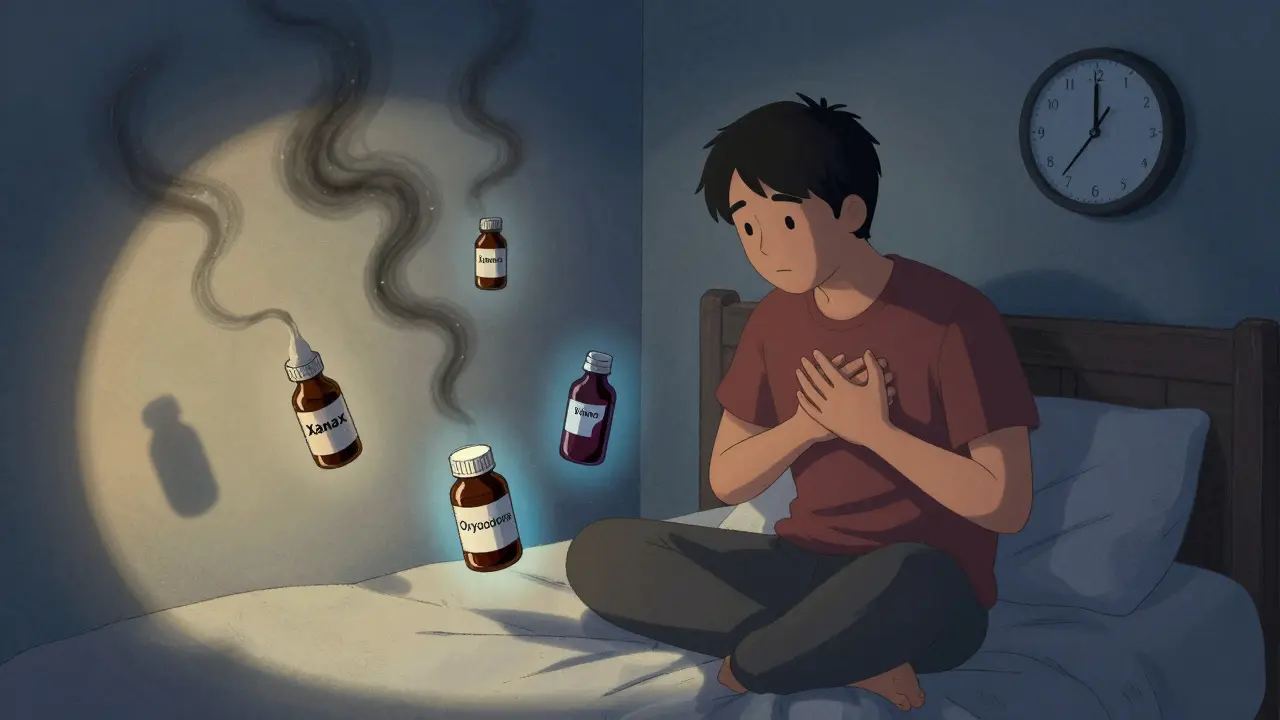
When you’re drowning in anxiety, a pill that works in under an hour feels like a lifeline. That’s the promise of benzodiazepines-medications like Xanax, Ativan, and Valium-that quickly calm panic attacks, reduce muscle tension, and help you sleep. But here’s the part no one tells you until it’s too late: mixing these drugs with other common medications or alcohol can stop your breathing. And it’s happening more than you think.
What Benzodiazepines Actually Do
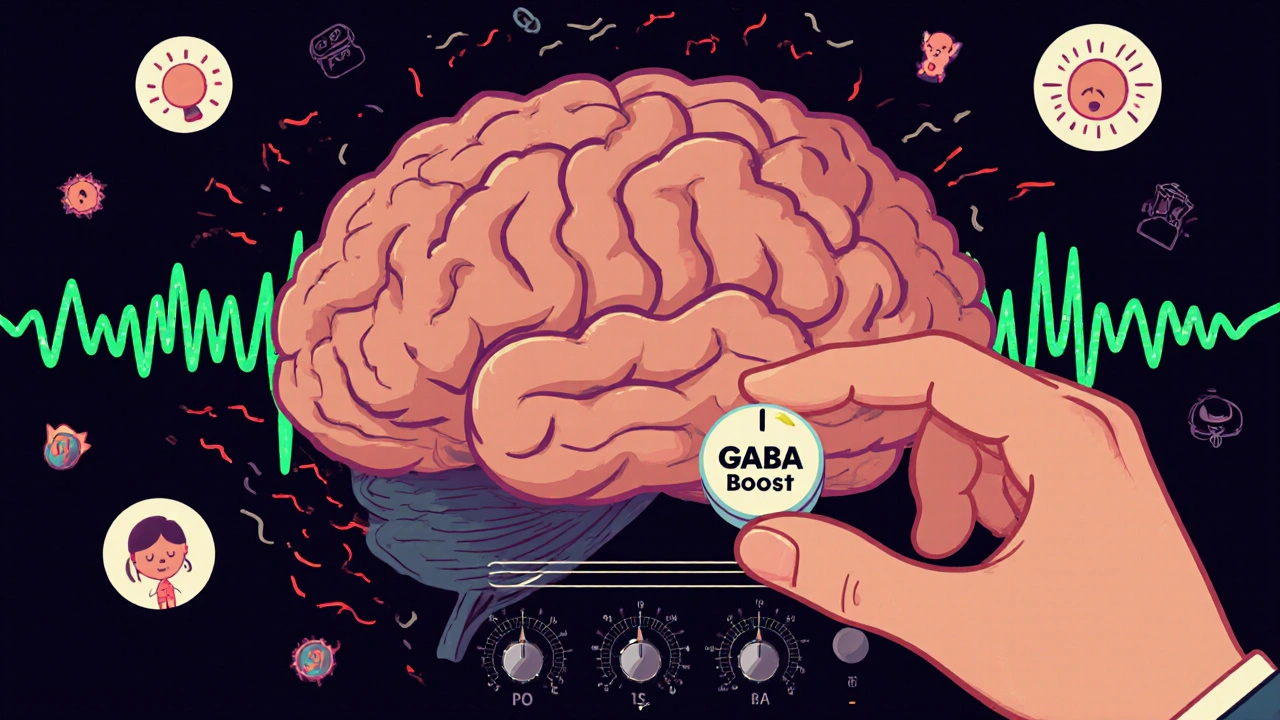
Benzodiazepines don’t just make you feel relaxed-they change how your brain works. They boost GABA, the main calming chemical in your nervous system. This slows down brain activity, which is why they work so fast for acute anxiety, seizures, or alcohol withdrawal. A dose of alprazolam (Xanax) can kick in within 30 minutes. That’s why doctors still prescribe them-for short-term crises.
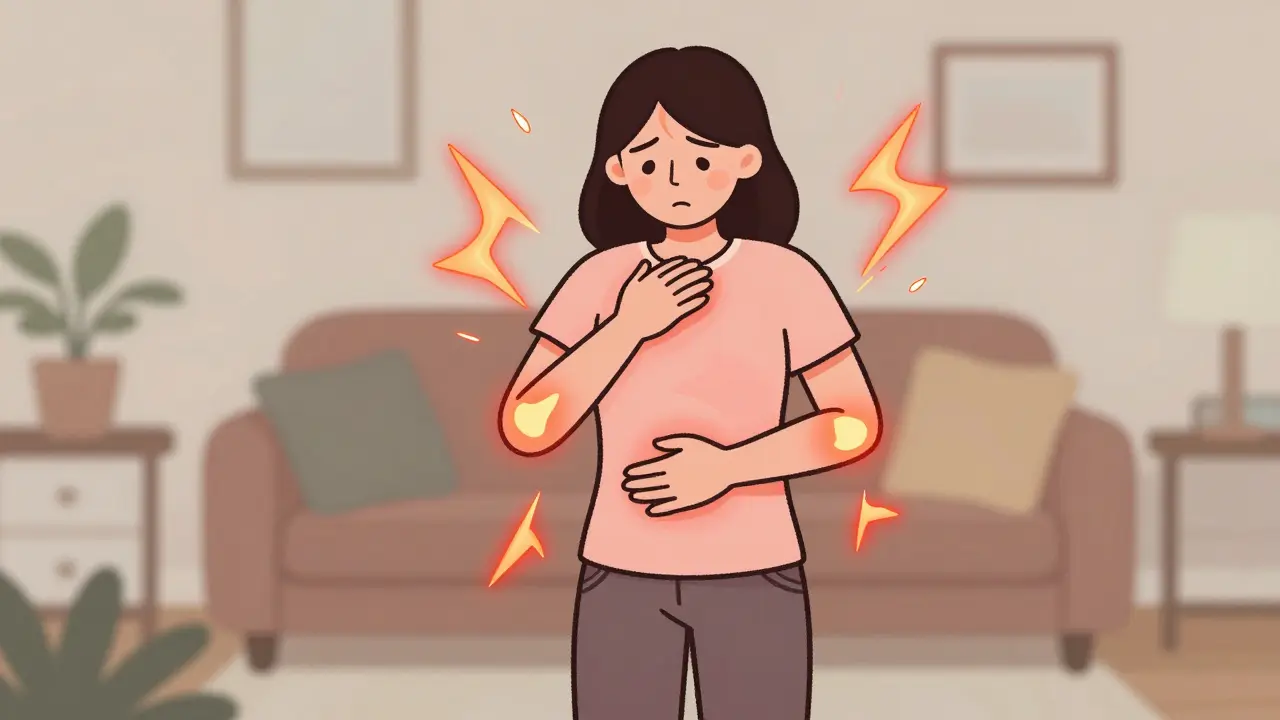
But speed comes with a cost. These drugs don’t just calm anxiety. They also slow your breathing, lower your blood pressure, and make you dizzy. That’s fine if you’re alone and resting. It’s dangerous if you’re driving, operating machinery, or-worse-taking another drug that does the same thing.
The Deadly Mix: Benzodiazepines and Opioids
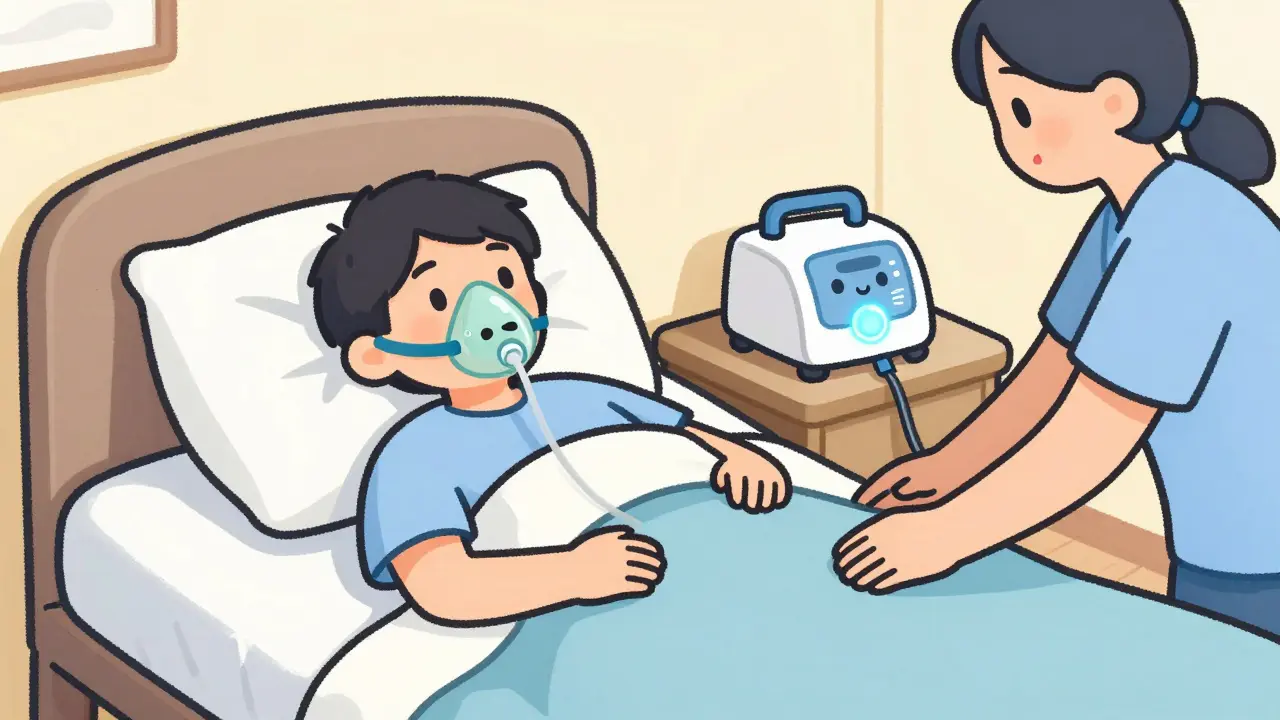
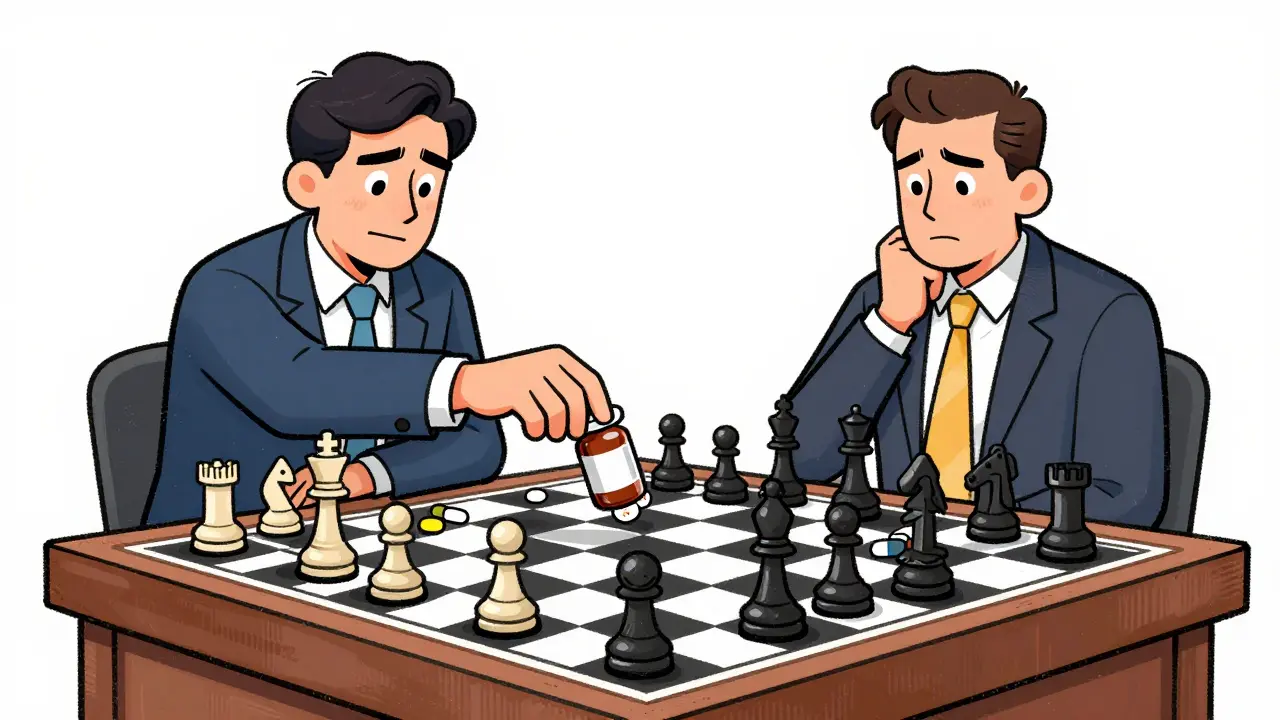
If you’re on opioids for chronic pain-oxycodone, hydrocodone, fentanyl-and your doctor adds Xanax for anxiety, you’re playing Russian roulette with your breathing. The FDA says 75% of benzodiazepine-related overdose deaths between 2011 and 2016 involved opioids. That’s not a coincidence. It’s a chemical synergy.
Both drug classes depress the central nervous system. Together, they don’t just add up-they multiply. One study found people taking both had a 15-fold higher risk of fatal overdose than those taking opioids alone. In 2019, benzodiazepine-opioid combos accounted for 23% of all opioid-related deaths. That’s over 10,000 people in one year.
Real stories back this up. On Reddit, a user named u/AnxietyWarrior2020 wrote: “I was on oxycodone for back pain and Xanax for panic attacks. Two weeks in, I stopped breathing in my sleep. They found me blue and rushed me to the ICU.” That’s not rare. A 2022 survey by the Anxiety and Depression Association of America found 32% of benzodiazepine users were also on opioids. Nearly 1 in 5 of them had severe respiratory issues.
Alcohol? Even Worse
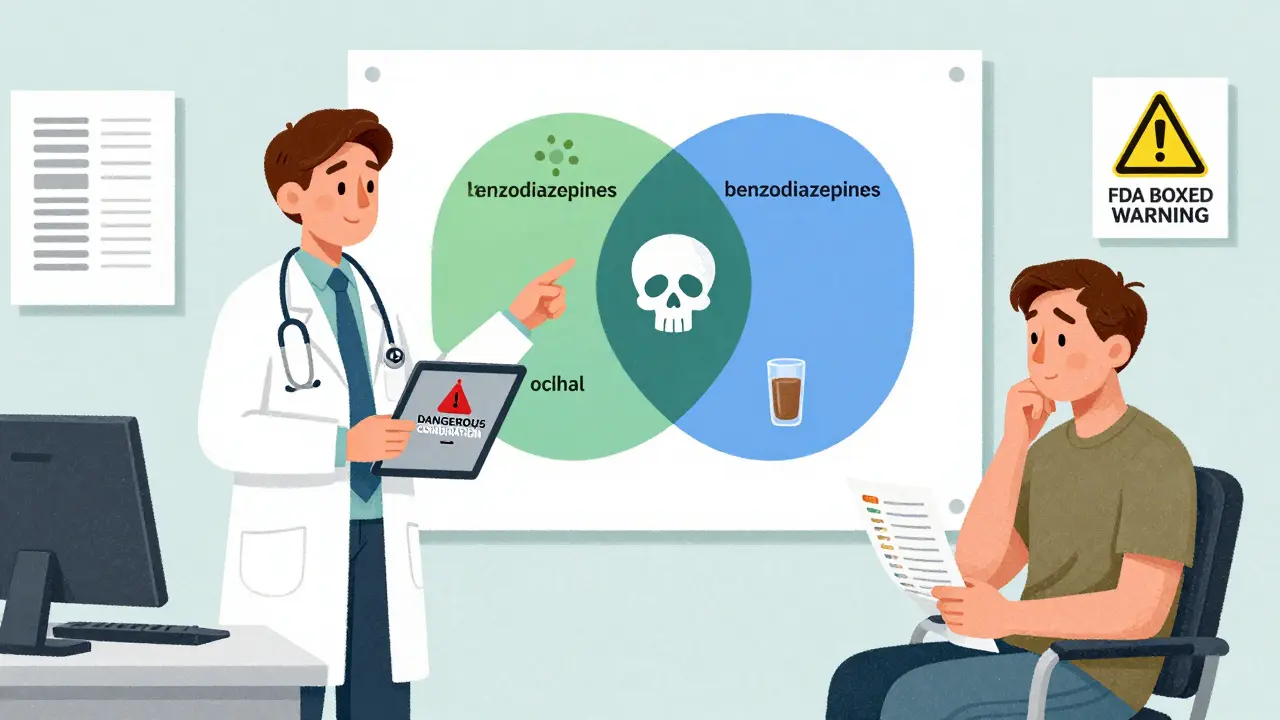
Alcohol is a CNS depressant too. It’s legal. It’s social. And if you’re on a benzodiazepine, it’s a silent killer. One drink with Valium can make you fall asleep so hard you don’t wake up. Two drinks? You might never wake up.
Drugs.com reviews from pharmacists and patients are full of warnings: “I had one glass of wine with Ativan and woke up on the floor, confused and unable to stand.” “My dad died after mixing Klonopin with his nightly whiskey.”
The FDA’s 2020 warning update required every benzodiazepine package to include a boxed warning: “Do not drink alcohol while taking this medication.” Yet, many patients still don’t get the message. A 2023 Healthgrades analysis of 1,247 patient reviews showed 27% of negative feedback cited dangerous interactions-with alcohol being the most common.
Other Dangerous Combinations
It’s not just opioids and alcohol. Many sleep aids, muscle relaxants, antihistamines, and even some antidepressants can be risky.
- Z-drugs like Ambien or Lunesta: These are often prescribed alongside benzodiazepines for insomnia. But they act on the same brain receptors. Combining them increases drowsiness, confusion, and risk of falls-especially in older adults.
- Antihistamines like Benadryl: Used for allergies or sleep, they cause sedation. With a benzodiazepine, the effect is amplified. Elderly patients are at highest risk for delirium and fractures.
- Muscle relaxants like cyclobenzaprine: Prescribed for back pain, they add another layer of CNS depression. The American Geriatrics Society warns against this combo in seniors.
In older adults, the danger is even clearer. Taking a benzodiazepine increases the risk of falls by 50%. Add another sedating drug, and that risk triples. One study in the Journal of the American Geriatrics Society found that seniors on multiple CNS depressants were three times more likely to break a hip than those on none.
Why Are These Prescriptions Still Happening?
Doctors aren’t ignoring the risks. Many are overwhelmed. A 2022 report from the American Medical Association found only 43% of primary care doctors routinely check for benzodiazepine-opioid combinations-even after the FDA’s 2020 warning. Patients often get prescriptions from different providers. One doctor prescribes pain meds. Another prescribes anxiety meds. No one talks.
Prescription drug monitoring programs (PDMPs) help. States that added alerts for benzodiazepine-opioid combos saw a 27% drop in dangerous prescriptions within 18 months. But not all states have them. And even where they exist, doctors don’t always check.
What’s the Alternative?
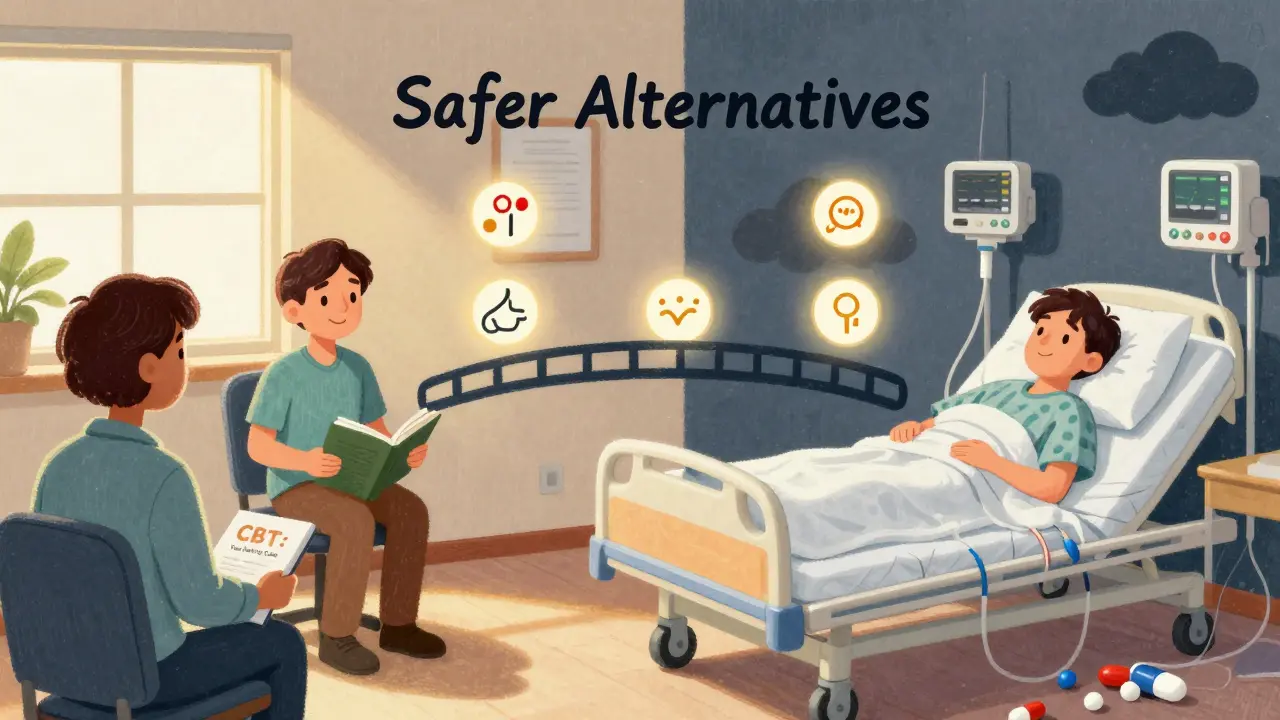
There are safer, longer-term options for anxiety. SSRIs like sertraline (Zoloft) or escitalopram (Lexapro) take 4 to 6 weeks to work-but they don’t cause dependence, don’t interact dangerously with opioids or alcohol, and are approved for lifelong use. SNRIs like venlafaxine work similarly.
Non-drug therapies are just as effective. Cognitive behavioral therapy (CBT) has been shown to reduce anxiety symptoms as well as benzodiazepines-without the risk of overdose. Many patients who switch from Xanax to CBT report better long-term outcomes and no withdrawal symptoms.
According to IMS Health data, SSRIs are now prescribed for 68% of new anxiety cases. Benzodiazepines? Just 22%. The shift is real. More doctors are following the American Psychiatric Association’s 2023 guidelines: use benzodiazepines only as a last resort, for no more than 4 weeks, and never if the patient is on opioids.
What to Do If You’re on Benzodiazepines
If you’re currently taking a benzodiazepine, here’s what you need to do right now:
- Check every medication you take-including over-the-counter ones. Do you take Benadryl? Ambien? Muscle relaxants? Pain pills? Write them all down.
- Ask your doctor: “Am I at risk for dangerous interactions?” Show them your list. Don’t assume they know what else you’re taking.
- Absolutely avoid alcohol. Even one drink can be dangerous.
- Don’t stop suddenly. Withdrawal can cause seizures, hallucinations, or death. If you want to quit, ask for a taper plan.
- Consider alternatives. Talk to your doctor about switching to an SSRI or starting CBT.
If you’re on both opioids and benzodiazepines, ask for a plan to reduce or eliminate one. The CDC and FDA both recommend avoiding this combo entirely. If you can’t stop opioids yet, ask about non-sedating anxiety treatments.
When Benzodiazepines Might Still Make Sense
This isn’t a blanket ban. There are times when benzodiazepines are necessary. After a traumatic event. During severe panic attacks that don’t respond to anything else. In hospitals for alcohol withdrawal or status epilepticus.
Dr. Christine Musso from Hartford Hospital says: “When used appropriately for short-term management of severe anxiety, benzodiazepines can be life-saving.” But that’s the key-short-term. A week or two. Not months. Not years.
The problem isn’t the drug. It’s how we use it. Prescribing them for chronic anxiety like they’re vitamins? That’s where the danger lies.
Final Reality Check
You don’t need to live in fear of anxiety. But you do need to be smart about how you treat it. Benzodiazepines are powerful tools-but they’re not safe for everyday use. Mixing them with other drugs? That’s not a side effect. That’s a death sentence waiting to happen.
The data is clear. The warnings are loud. The alternatives exist. If you’re on a benzodiazepine, especially with other meds, don’t wait for a crisis to act. Talk to your doctor today. Get a full medication review. Ask for safer options. Your life might depend on it.
Can you die from mixing Xanax and alcohol?
Yes. Mixing Xanax (alprazolam) with alcohol can cause severe respiratory depression, loss of consciousness, coma, or death. Both substances depress the central nervous system, and together they can shut down your breathing. This risk is highest in people with underlying health conditions or those taking other sedatives. The FDA requires all benzodiazepine packaging to include a boxed warning against alcohol use.
How long do benzodiazepines stay in your system?
It depends on the specific drug. Short-acting benzodiazepines like Xanax and triazolam last 6-12 hours. Intermediate ones like lorazepam (Ativan) last 10-20 hours. Long-acting ones like diazepam (Valium) can stay in your body for 50-100 hours. But even after the drug leaves your bloodstream, its effects on your brain can linger, especially if you’ve been taking it regularly. This is why withdrawal can be dangerous and why interactions with other drugs can persist for days.
Are there safer anxiety medications than benzodiazepines?
Yes. SSRIs like sertraline (Zoloft), escitalopram (Lexapro), and SNRIs like venlafaxine (Effexor) are first-line treatments for anxiety. They take 4-6 weeks to work but have no risk of dependence, no dangerous interactions with opioids or alcohol, and are safe for long-term use. Non-drug treatments like cognitive behavioral therapy (CBT) are equally effective and have no side effects. Benzodiazepines are now recommended only for short-term use when other options fail.
What should I do if I’m on both opioids and benzodiazepines?
Contact your doctor immediately. The CDC and FDA strongly advise against this combination. You need a plan to safely reduce or stop one of the drugs. Never stop either suddenly-withdrawal from opioids or benzodiazepines can be life-threatening. Ask for a referral to a pain specialist or addiction medicine provider. Many states now require prior authorization for this combo, so your doctor may already be aware of the risks.
Can you get addicted to benzodiazepines if you take them as prescribed?
Yes. Even when taken exactly as prescribed, physical dependence can develop in as little as 2-4 weeks. After six months of regular use, about 40% of people experience withdrawal symptoms if they stop abruptly. Addiction-where you crave the drug and use it despite harm-is less common but still possible. That’s why guidelines now limit benzodiazepine use to 2-4 weeks max, and only for severe, acute cases.
Why do doctors still prescribe benzodiazepines if they’re so risky?
Because they work-fast. For someone having a panic attack so severe they can’t breathe, a single dose of lorazepam can be life-changing. The problem isn’t the drug itself-it’s that many doctors prescribe them for chronic anxiety, not just short-term crises. Patient demand, lack of access to therapists, and time constraints in clinics all contribute. But guidelines are changing. More doctors are now following the 2023 American Psychiatric Association rule: use benzodiazepines only after SSRIs fail and only for a few weeks.
Joanna Domżalska
January 27, 2026 AT 07:54Faisal Mohamed
January 28, 2026 AT 05:13Josh josh
January 28, 2026 AT 18:50bella nash
January 29, 2026 AT 09:17SWAPNIL SIDAM
January 30, 2026 AT 21:18Betty Bomber
February 1, 2026 AT 08:39Curtis Younker
February 1, 2026 AT 13:36Shawn Raja
February 2, 2026 AT 06:56TONY ADAMS
February 2, 2026 AT 21:33Ashley Karanja
February 4, 2026 AT 12:05Napoleon Huere
February 6, 2026 AT 08:43