
Sodium Impact Calculator
How Sodium Affects Your Blood Pressure
According to a 2023 JAMA study, cutting just one teaspoon (2,300 mg) of sodium daily can lower systolic blood pressure by 6 mm Hg - comparable to starting a first-line blood pressure medication.
Your Sodium Intake
Estimated Impact
Key Insights
70-75% of people see significant blood pressure reduction when cutting sodium, especially older adults, Black individuals, and those with higher starting blood pressure.
For people with diabetes or kidney disease, reducing sodium is critical because high sodium makes medications less effective and accelerates kidney damage.
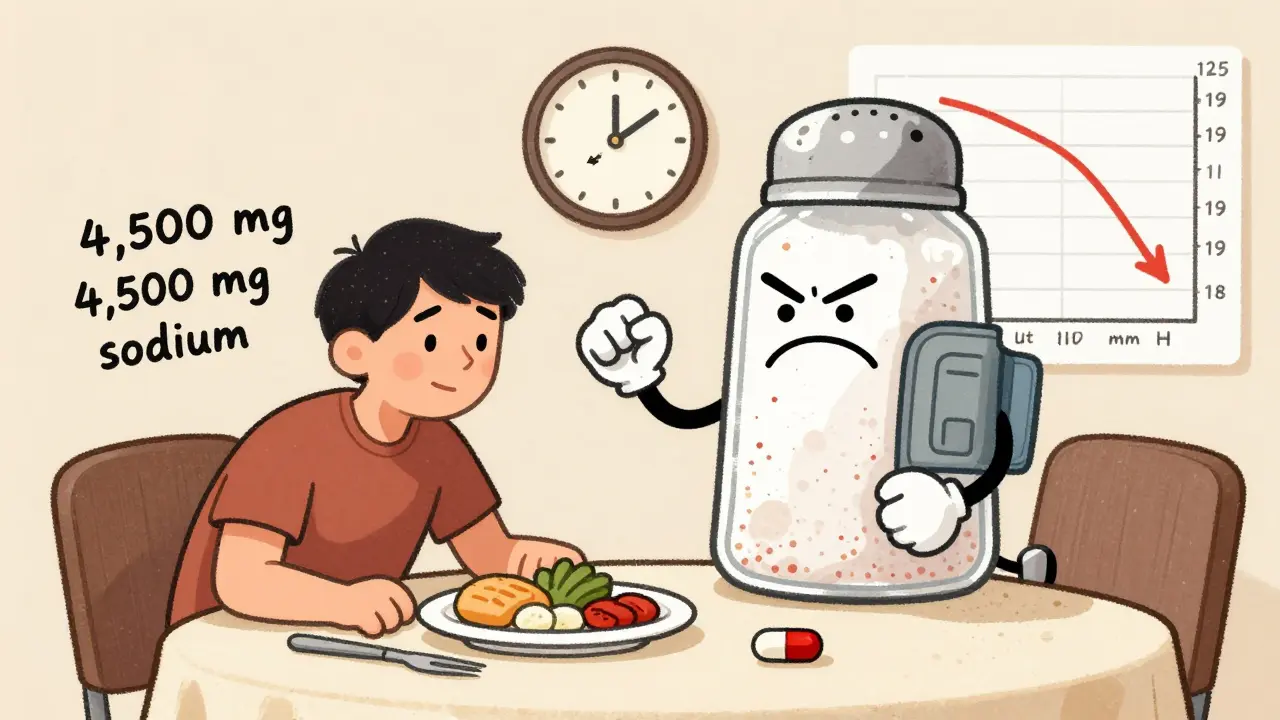
When you’re taking medicine for high blood pressure, the salt on your dinner plate might be undoing all your hard work. It’s not just about avoiding the shaker - it’s about what’s hiding in your food. A 2023 study in JAMA found that cutting sodium by just one teaspoon a day - about 2,300 milligrams - dropped systolic blood pressure by 6 mm Hg. That’s the same drop you’d get from starting a first-line blood pressure pill. And here’s the kicker: it works even if you’re already on medication.
Why Salt Makes Blood Pressure Meds Less Effective
Your blood pressure drugs don’t work in a vacuum. They rely on your body’s chemistry to do their job. Sodium throws that balance off. When you eat too much salt, your body holds onto water. More water in your bloodstream means more pressure on your artery walls. That’s why your blood pressure goes up. But here’s what most people don’t realize: high sodium also makes your meds less effective. ACE inhibitors, ARBs, and diuretics - the most common blood pressure drugs - all depend on your kidneys and blood volume to function properly. Sodium overload makes your kidneys hold onto more fluid, which counters the drugs’ ability to flush out excess water. It also stiffens your blood vessels, making it harder for vasodilators to relax them. In short: salt fights your medicine at every level. The JAMA study tracked 213 adults, mostly over 60, with and without hypertension. When they switched from their normal diet (averaging 4,500 mg sodium daily) to a low-sodium plan (just 500 mg), their systolic pressure dropped from 125 to 119 mm Hg. That’s not a fluke. It’s a consistent, measurable effect - even in people already on multiple medications.Who Benefits Most From Cutting Salt?
Not everyone responds the same way. About 70-75% of people see a clear drop in blood pressure when they cut salt. That includes older adults, Black individuals, and those with higher starting blood pressure. The science shows these groups are especially salt-sensitive. People with diabetes or kidney disease are in an even more urgent category. High sodium doesn’t just raise blood pressure - it increases protein in the urine, which speeds up kidney damage. Medications like ACE inhibitors help reduce that protein, but they work poorly when salt intake is high. One doctor put it bluntly: “When they eat more sodium, a lot of their blood pressure medications don’t work as well.” The flip side? Around 25-30% of people don’t see much change. But that doesn’t mean salt doesn’t affect them. It just means their bodies handle sodium differently. Even if your pressure doesn’t budge, reducing sodium still helps your heart, kidneys, and blood vessels in the long run.Where the Salt Really Hides
You think you’re avoiding salt by not adding it to food. But here’s the truth: 70% of the sodium you eat comes from packaged and restaurant food. It’s in bread, soup, deli meats, sauces, and even sweet snacks like cereal and cookies. A single slice of store-bought bread can have 230 mg of sodium. Two slices? That’s over 10% of your daily limit before you even start cooking. A cup of canned soup? Often 800-1,000 mg. A fast-food burger? Easily 1,500 mg or more. And no, the label won’t scream “SODIUM BOMB.” It’ll say “15% Daily Value.” That’s meaningless unless you know the actual milligrams. The fix? Learn to read labels - not the %DV, but the actual number. Look for products with under 140 mg of sodium per serving. That’s the FDA’s cutoff for “low sodium.” Choose canned vegetables labeled “no salt added.” Swap regular soy sauce for low-sodium versions. Rinse canned beans - it cuts sodium by up to 40%.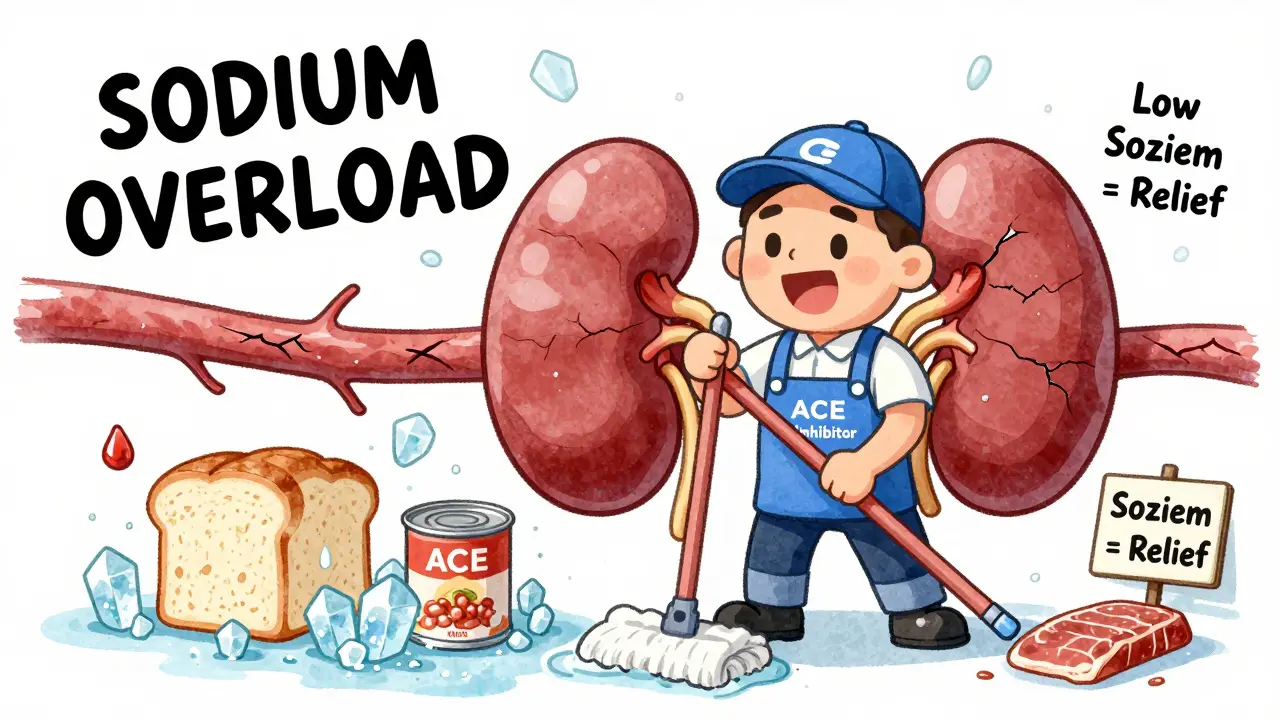
How Fast Can You See Results?
You don’t need to wait months. The same 2023 study showed measurable blood pressure drops in just seven days. Participants switched from their usual diet to a low-sodium one - and their systolic pressure fell within a week. That’s faster than waiting for a new medication to kick in. The body responds quickly because sodium affects fluid balance almost immediately. Cut the salt, and your kidneys start releasing excess water. Blood volume drops. Pressure eases. It’s not magic - it’s physiology. And here’s the good news: you don’t have to go from 4,500 mg to 500 mg overnight. Start by cutting 1,000 mg per day. That’s like skipping one can of soup or one packaged sandwich. Then go lower. Small steps add up.What About Salt Substitutes?
Potassium chloride salt substitutes sound like a perfect swap. They taste like salt, and potassium helps lower blood pressure. But they’re not for everyone. If you have kidney disease, diabetes, or are on certain blood pressure meds (like ACE inhibitors or ARBs), too much potassium can be dangerous. Your kidneys may not be able to clear the extra, leading to hyperkalemia - a potentially life-threatening spike in blood potassium. Always talk to your doctor before switching to a salt substitute. For healthy people without kidney issues, they can be a helpful tool. But they’re not a license to keep eating processed food. They’re meant to replace table salt, not cover up a diet full of sodium.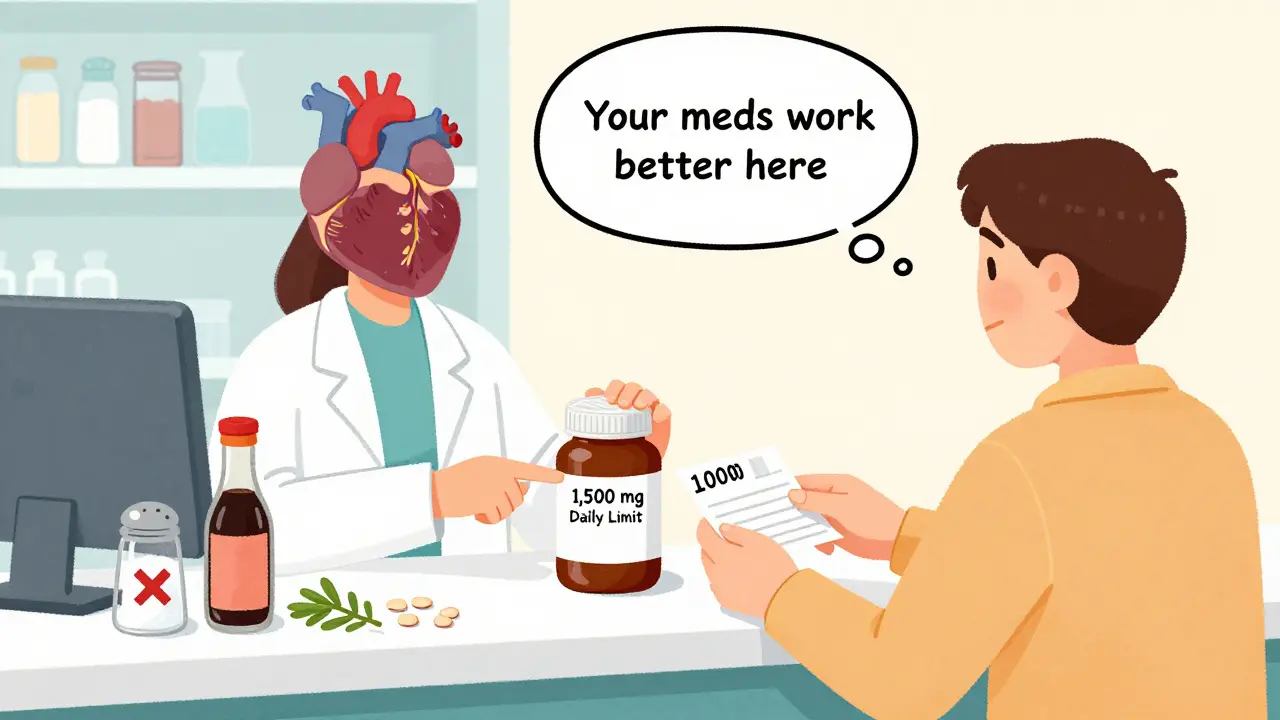
What the Guidelines Say Now
The American Heart Association still recommends 1,500 mg of sodium per day as ideal. But they’ll accept 2,300 mg as the absolute maximum. That’s less than one teaspoon of table salt. The Joint National Committee on Hypertension now lists sodium reduction as a Class I recommendation - the strongest possible - for all patients with high blood pressure. That means it’s not optional. It’s part of the treatment plan, just like your pill. The FDA is pushing food companies to cut sodium by 2026, aiming to bring average intake down to 3,000 mg. But researchers say that’s still too high. The real goal? Getting the population under 2,000 mg. That’s where the biggest health gains happen.What You Can Do Today
You don’t need to overhaul your life. Start here:- Check the sodium content on 3 foods you eat daily. Pick one to replace with a low-sodium version.
- Use herbs, lemon juice, or vinegar instead of salt when cooking.
- Limit processed meats - bacon, ham, salami - to once a week.
- Don’t rinse your mouth with saltwater if you’re on blood pressure meds - it adds up.
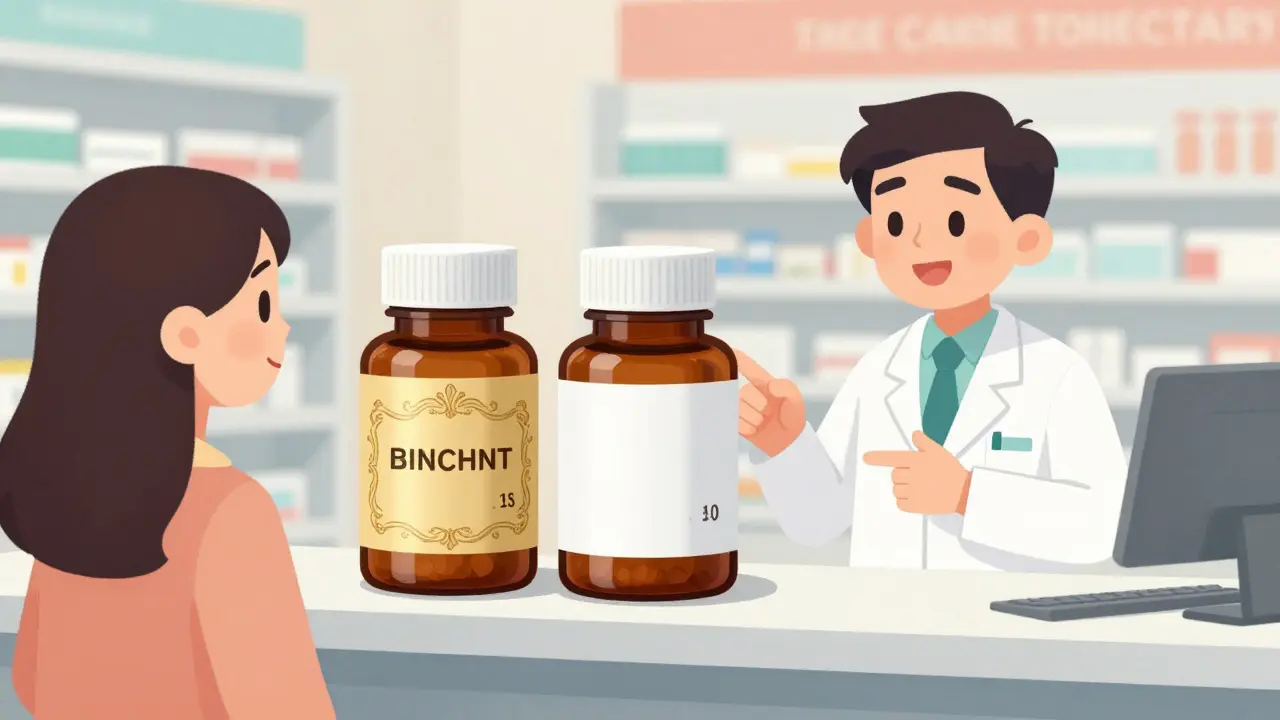
- Ask your pharmacist: “Could my meds be less effective because of salt?”
Why This Matters Beyond Numbers
Lowering sodium isn’t just about hitting a target on your blood pressure monitor. It’s about protecting your heart, kidneys, and brain. Studies show that cutting sodium by just 1,000 mg a day could prevent 280,000 to 500,000 heart-related deaths in the U.S. over ten years. For people on medication, it means fewer side effects, lower doses, or even fewer pills. For others, it means avoiding medication altogether. This isn’t a diet trend. It’s a medical necessity. And the science is clear: if you’re taking blood pressure meds, your salt intake isn’t just a lifestyle choice - it’s part of your treatment plan.Can I still eat salt if I’m on blood pressure medication?
Yes - but you need to keep it very low. Most people on blood pressure meds should aim for under 1,500 mg of sodium per day. Even 2,300 mg can reduce how well your meds work. Salt doesn’t cancel out your medicine, but it fights it. Cutting back helps your drugs do their job better.
How long does it take for less salt to lower my blood pressure?
You can see results in as little as one week. A major 2023 study showed that people on blood pressure meds dropped their systolic pressure by 6 mm Hg within seven days of cutting sodium. The body adjusts quickly - your kidneys start releasing extra fluid, and your blood vessels begin to relax.
Do all blood pressure medications work better with low salt?
Most do - especially ACE inhibitors, ARBs, and diuretics. These drugs work by reducing fluid or relaxing blood vessels, and high sodium directly opposes those actions. Beta-blockers and calcium channel blockers also benefit, but the effect is strongest with the first three. Always check with your doctor about your specific meds.
Is it safe to use salt substitutes like potassium chloride?
Only if your doctor says yes. Potassium substitutes can help lower blood pressure, but they’re risky if you have kidney disease, diabetes, or are on certain medications like ACE inhibitors. Too much potassium can cause dangerous heart rhythms. Never swap salt for potassium chloride without medical advice.
Why do I still have high blood pressure even though I’m taking my meds?
High sodium intake is one of the top reasons. If you’re eating lots of processed food, restaurant meals, or adding salt regularly, your meds may be working against a constant flood of sodium. This forces your body to hold onto fluid and keep blood pressure elevated. Try cutting sodium for two weeks - you might be surprised how much your pressure drops.
Can cutting salt help me reduce my medication dose?
Yes - many people can. A 6 mm Hg drop in systolic pressure from cutting salt is roughly equal to adding a first-line blood pressure pill. That means your doctor might be able to lower your dose or even remove one medication. Never stop or change your meds without talking to your doctor, but do bring up sodium reduction as a way to support your treatment.
Melissa Stansbury
March 17, 2026 AT 06:32I used to think salt was just annoying when cooking, but after my dad had a stroke and his BP meds stopped working, we cut out all processed food. Within two weeks, his numbers dropped like crazy. Now he eats plain chicken, steamed veggies, and rice. No more canned soup, no more deli meat. I swear, it’s like his pills finally started working again. I wish more doctors told people this.
cara s
March 18, 2026 AT 12:00It is, frankly, astonishing how little attention is paid to sodium intake in mainstream medical discourse, despite overwhelming empirical evidence demonstrating its direct antagonism to antihypertensive pharmacotherapy. The body’s renin-angiotensin-aldosterone system is exquisitely sensitive to sodium flux, and when exogenous sodium is chronically elevated, the pharmacodynamic efficacy of ACE inhibitors, ARBs, and thiazides is substantially blunted-not merely ‘reduced,’ but functionally neutralized in many patients. This is not speculation; it is physiology. And yet, we continue to prescribe pills while allowing patients to consume 4,500 mg of sodium daily from bread, soup, and ‘low-fat’ frozen meals. The cognitive dissonance is staggering.
Amadi Kenneth
March 19, 2026 AT 04:34Wait… so you’re telling me the government, Big Pharma, and the food industry are all in cahoots? Sodium reduction? That’s not science-that’s a cover-up! They want you dependent on pills so they can keep selling them! And the FDA’s 2026 plan? That’s a trap! They’re lowering sodium slowly so you don’t notice your meds are failing until it’s too late. I checked the label on my bread-230mg per slice? That’s 115mg per bite. That’s a covert sodium assault! I stopped buying anything with more than 3 ingredients. Now I eat dirt. It’s the only thing that doesn’t have hidden sodium.
Shameer Ahammad
March 19, 2026 AT 19:24Let me be very clear: if you're on blood pressure medication and still consuming processed food, you are not just ‘not helping yourself’-you are actively sabotaging your own health. The science is not ambiguous. The JAMA study is not an outlier. It is a replication of decades of clinical data. Your ‘I like my bacon’ attitude is not a lifestyle choice-it is a public health failure. And yet, here we are, in 2024, still pretending that pills alone can fix a diet that is literally poisoning the vascular system. Shame on the food industry. Shame on the doctors who don’t scream this from the rooftops. And shame on you if you think ‘a little salt’ is okay.
Alexander Pitt
March 19, 2026 AT 21:56One of the most underrated things in hypertension management is sodium reduction. It’s not a supplement. It’s not a fad. It’s a foundational treatment-like exercise or not smoking. And it works faster than most drugs. If someone’s BP isn’t dropping on meds, the first question should be: ‘How much sodium are you eating?’ Not ‘Let’s add another pill.’ Cut sodium first. It’s free, safe, and effective. And if you’re unsure where the sodium hides? Start with bread, soup, and canned goods. That’s 70% of the problem right there.
Manish Singh
March 20, 2026 AT 16:07I grew up in India where we used to make our own pickles and spice blends-no salt packets, no MSG. My grandmother would say, ‘If you can’t taste the food, you’re eating poison.’ Now I see how right she was. In the U.S., I was shocked how every packaged food is a sodium bomb-even the ‘healthy’ ones. I switched to cooking from scratch, using lemon, cumin, and garlic. My BP dropped 8 points in three weeks. I’m not on any meds now. And yes, I still eat salt-but only the kind I grind myself from Himalayan crystals, and only a pinch. It’s about quality, not just quantity.
Nilesh Khedekar
March 21, 2026 AT 10:25Okay but what if the salt you’re eating isn’t even salt? I read this one time on a forum that sodium in food is actually a government tracking chemical. Like, it’s not NaCl-it’s nano-something that makes you sleepy so you don’t notice your BP is rising. And the ‘low sodium’ labels? Total scam. They just replace it with sugar or artificial potassium. I stopped eating anything with a barcode. Now I only eat food I grow myself. My neighbor says I’m crazy. I say: ask your doctor why your meds aren’t working. I bet they don’t know about the sodium conspiracy.
Robin Hall
March 22, 2026 AT 03:25It is imperative to recognize that the current dietary guidelines regarding sodium intake are not merely recommendations-they are evidence-based clinical imperatives. The notion that sodium reduction is a ‘lifestyle choice’ rather than a core therapeutic intervention represents a dangerous mischaracterization of hypertension pathophysiology. The body’s homeostatic mechanisms are not elective. When sodium overload occurs, the pharmacological interventions are rendered biomechanically inefficient. The failure to prioritize sodium restriction is tantamount to prescribing insulin to a diabetic who continues to consume refined carbohydrates. This is not a debate. This is a failure of medical ethics.
jared baker
March 22, 2026 AT 14:03Stop adding salt. Read labels. Rinse canned beans. That’s it. No magic. No pills needed. Just less sodium. Your body will thank you.