
Medications Made Simple: What You Need to Know
Looking to understand your medications better or find alternatives? You’re in the right place. This category breaks down various drugs—from mood stabilizers like lithium to asthma treatments such as Symbicort—and explains how they work, their benefits, side effects, and safe use. It’s all about giving you the clarity you need to make smarter health decisions.
Why Knowing Medication Alternatives Matter
Sometimes, the medication you’re prescribed might not be the best fit. Maybe it causes bothersome side effects, or perhaps cost or accessibility is an issue. That’s when knowing alternatives comes in handy. For example, if you’re looking at heart medications like Verapamil, there are options like nitroglycerin or others that might suit your lifestyle and health better. Understanding these alternatives helps you have better discussions with your doctor and tailor your treatment to your needs.
Safety First: What to Watch For
Medications can be lifesavers, but they need to be handled wisely. Take Cyclobenzaprine, a muscle relaxant often bought online. It's crucial to know where to buy it safely to avoid legal troubles or counterfeits. Also, with drugs like lithium used for bipolar disorder, understanding side effects and safety tips helps you stay on track without surprises. Always ask your healthcare provider about what to expect and how to manage your treatment safely.
This collection also covers several important therapies in 2024–2025, including alternatives to common drugs like Lisinopril for blood pressure, Stromectol for infections, and Prelone for inflammation. By breaking down pros and cons, usage, and safety, you get a clearer picture—no jargon, just straightforward facts. Whether you’re managing chronic diseases or exploring new treatments, these guides give you a smart edge.
Need help figuring out which medication or alternative suits you? Dive into these articles to get the info you need. They’re designed to equip you with practical knowledge so you can take charge of your healthcare with confidence.
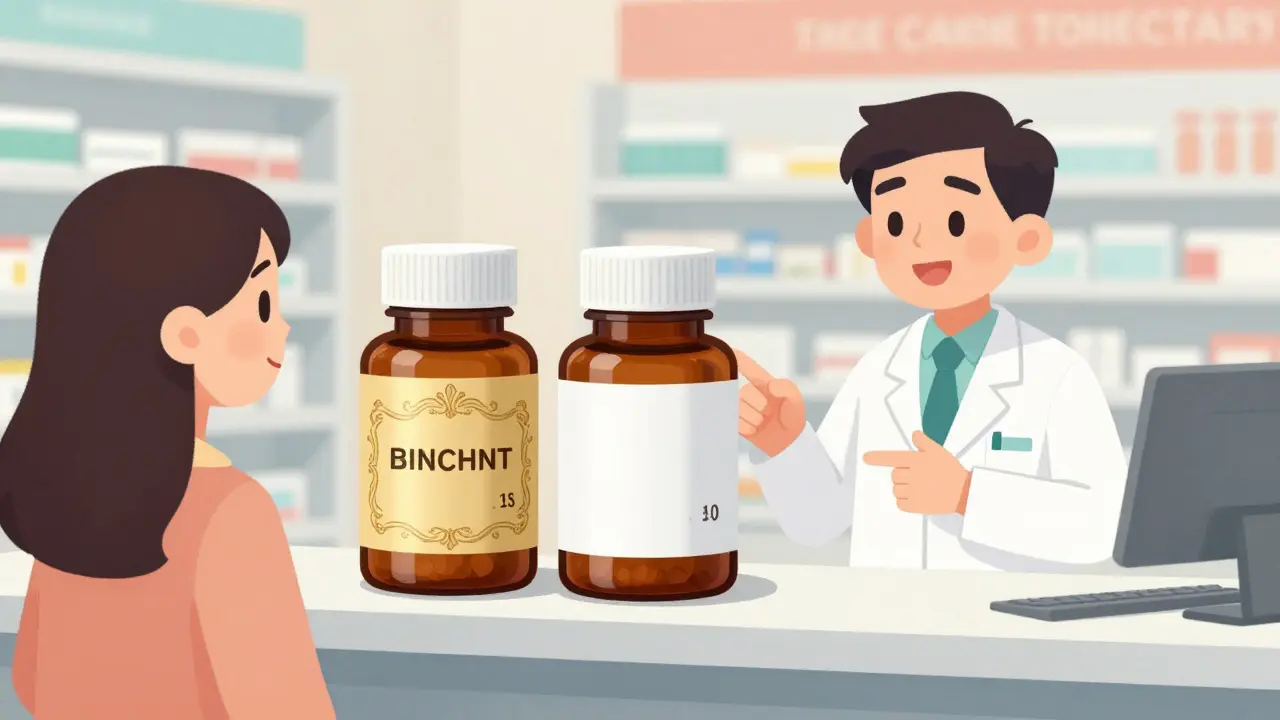
Authorized Generics vs Brand Name Drugs: Quality, Efficacy, and Value
Are authorized generics as effective as brand-name drugs? Discover the difference between authorized and traditional generics, pricing, and clinical efficacy.

How Buyers Use Generic Competition to Lower Drug Prices
Learn how healthcare buyers and governments use generic drug competition as leverage to negotiate lower pharmaceutical prices and the risks involved.

Antipsychotic Side Effects: Metabolic Risks and Monitoring Guide
Learn about metabolic risks of antipsychotics including weight gain and diabetes, monitoring guidelines, and safer medication alternatives.
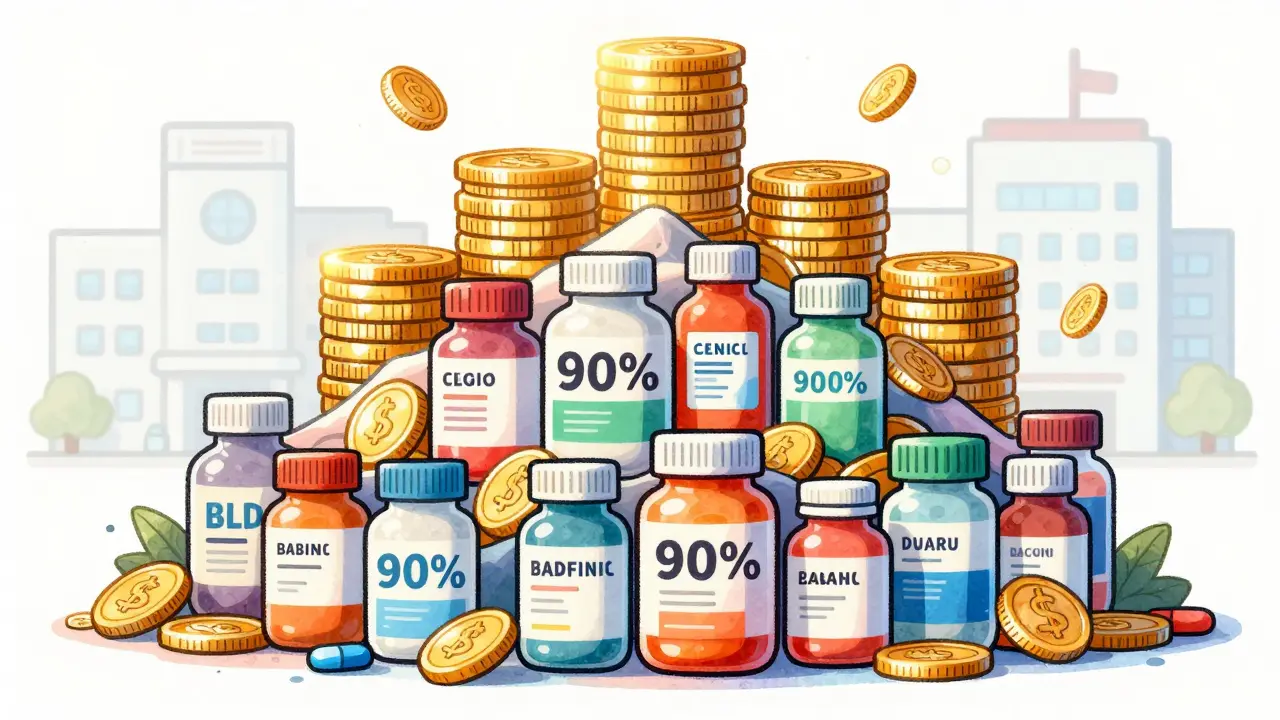
Generic drug savings: real numbers and national statistics
Discover the true financial impact of generic medicines with 2024 savings data. Learn how prescription costs compare between generics and brands, plus insights on biosimilars.
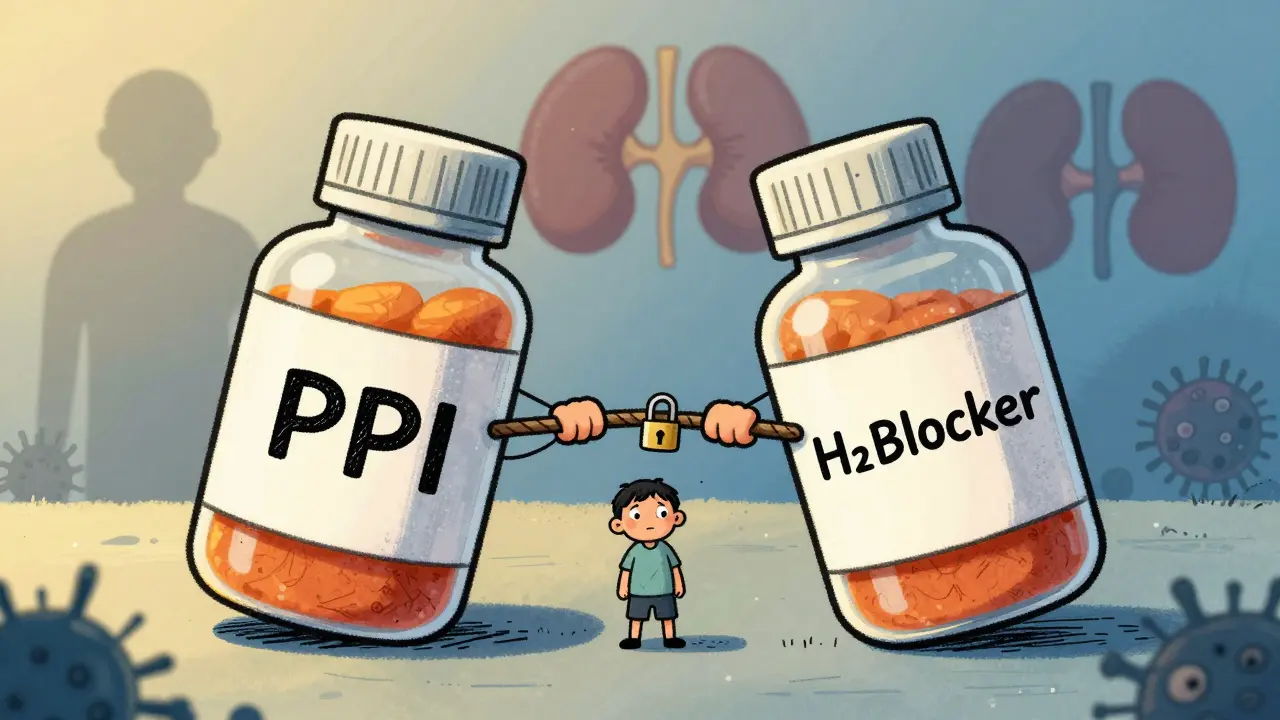
H2 Blockers with PPIs: When Combining Acid Medications Does More Harm Than Good
Combining H2 blockers and PPIs is common but often unnecessary - and potentially harmful. Learn when this combo might help, why it usually doesn't, and what safer alternatives exist.

Fentanyl Patch Side Effects: Overdose and Withdrawal Risks Explained
Fentanyl patches are powerful pain relievers but carry serious overdose and withdrawal risks. Learn the signs of overdose, why sudden stopping is dangerous, and how to use them safely under medical supervision.

Contamination Controls: Preventing Adulteration in Generic Drug Manufacturing
Contamination controls in generic drug manufacturing prevent dangerous cross-contamination, ensuring patient safety and regulatory compliance. Learn how cleanrooms, human factors, and new FDA rules are reshaping the industry.

Cmax and AUC in Bioequivalence: Peak Concentration and Systemic Exposure Explained
Cmax and AUC are the two key pharmacokinetic measures used globally to prove generic drugs work like brand-name versions. Cmax shows peak concentration, AUC shows total exposure-both must meet strict 80%-125% criteria for approval.
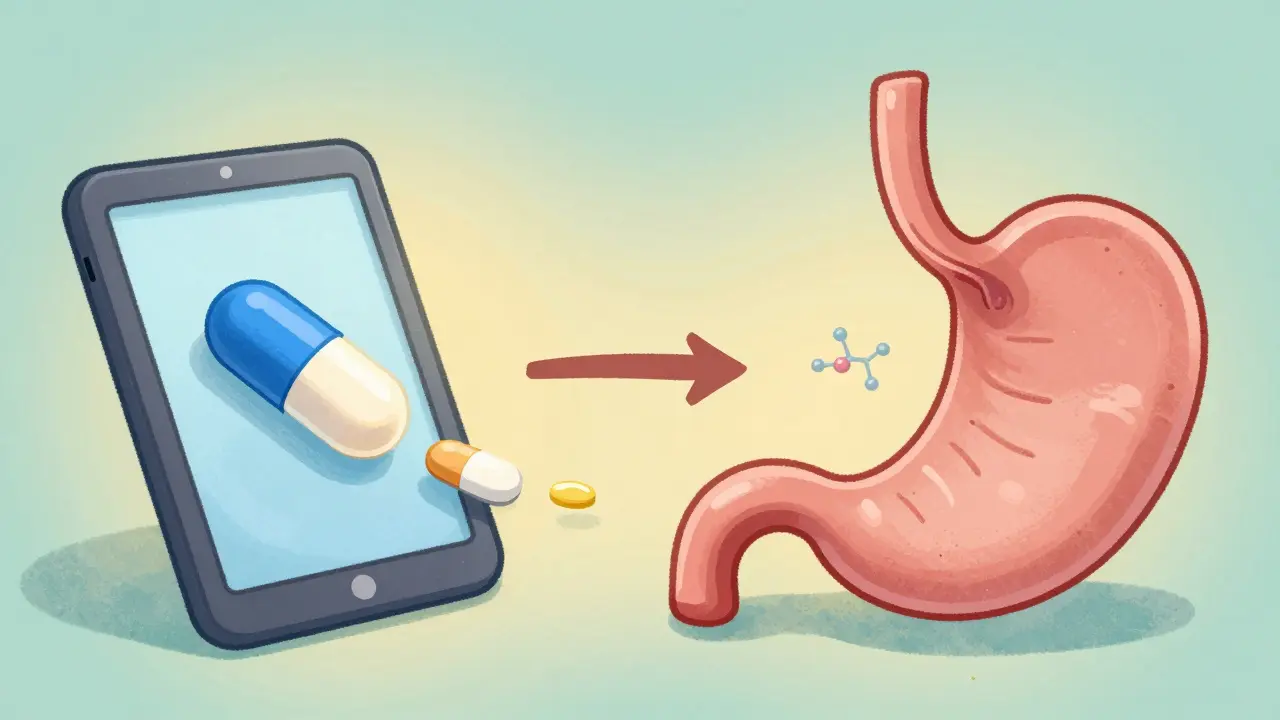
Formulation Differences and Side Effects: Tablets, Capsules, and Extended-Release Medications
Tablets, capsules, and extended-release medications differ in how they release drugs in your body-impacting side effects, dosing, and effectiveness. Learn how formulation affects your treatment and what to ask your doctor.

Satisfaction Measurement: Are Patients Happy with Generics? The Real Data Behind Patient Perceptions
Patients often believe generics are less effective-even when science says otherwise. This article breaks down how satisfaction is measured, why perception matters more than chemistry, and what providers and patients can do to close the trust gap.