
Statin Rhabdomyolysis Risk Calculator
How to Use This Tool
This calculator helps you understand your personal risk for rhabdomyolysis while taking statins. Select your specific situation to see your risk level and get personalized advice.
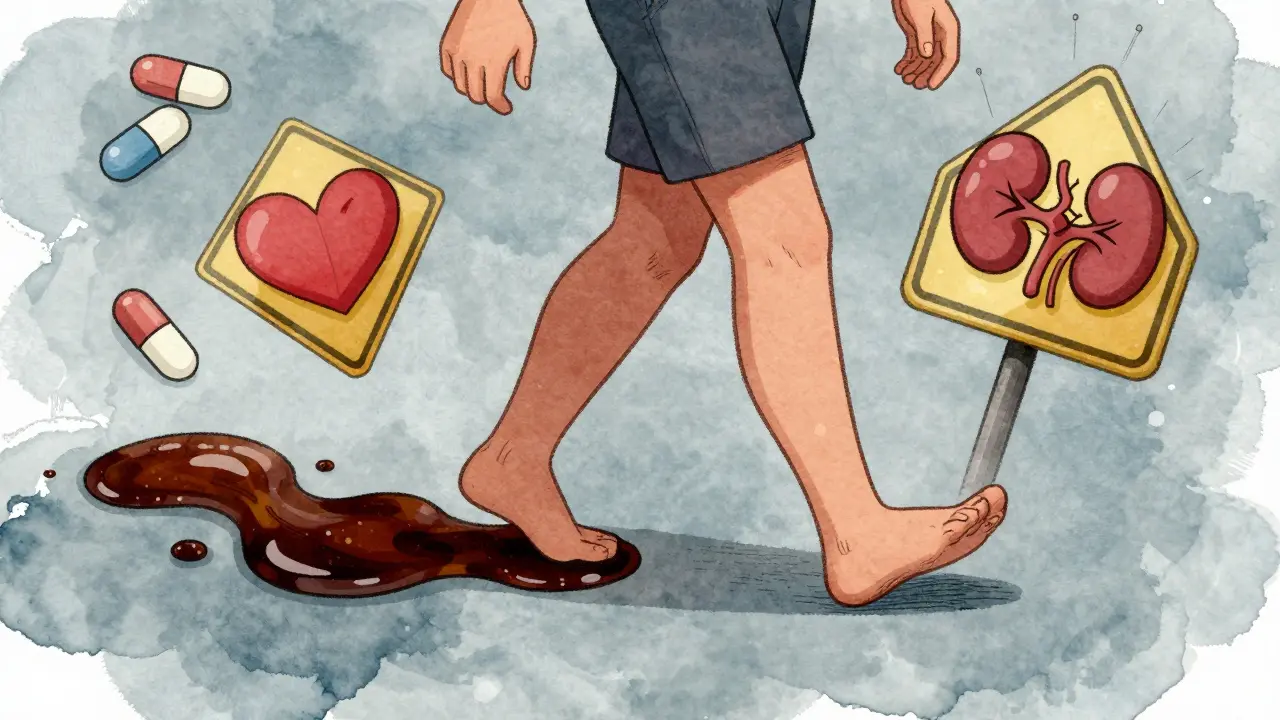
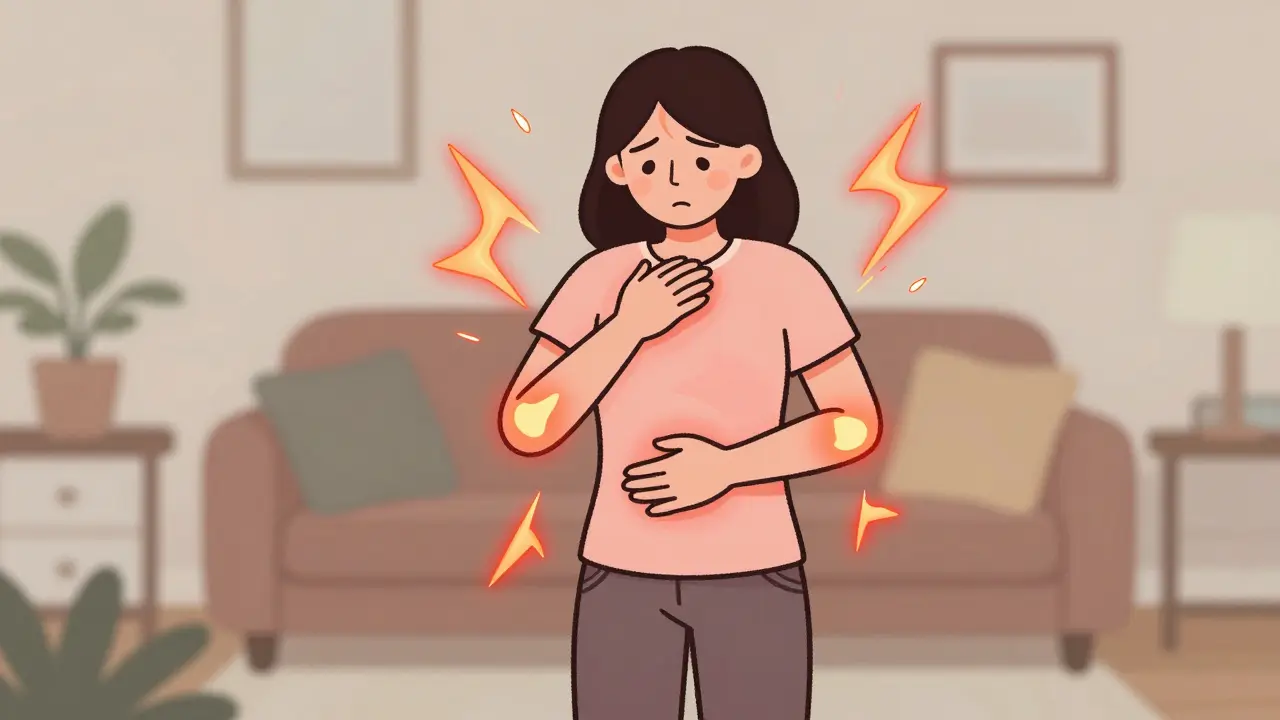
Most people taking statins never experience serious muscle problems. But when they do, it can be life-threatening. Rhabdomyolysis from statins is rare-only about 1.5 to 5 cases per 100,000 people each year-but when it happens, muscles break down fast, releasing a protein called myoglobin into the blood. That can crash your kidneys. You might not feel anything at first. Then, out of nowhere, your legs feel like lead. You can’t climb stairs. Your urine turns dark, like cola. That’s not normal. That’s a red flag.
What Exactly Is Rhabdomyolysis?
Rhabdomyolysis isn’t just sore muscles after a hard workout. It’s when muscle cells die and spill their contents into your bloodstream. The main danger? Myoglobin. Your kidneys filter it out, but too much overwhelms them. That’s when kidney failure can kick in. In severe cases, you need dialysis. In the worst cases, it’s fatal. The FDA has logged over 1,800 cases of statin-related rhabdomyolysis between 2010 and 2020. Most were in people over 65, and nearly two-thirds were women. Age and sex matter-but so does what statin you’re on.
Which Statins Carry the Highest Risk?
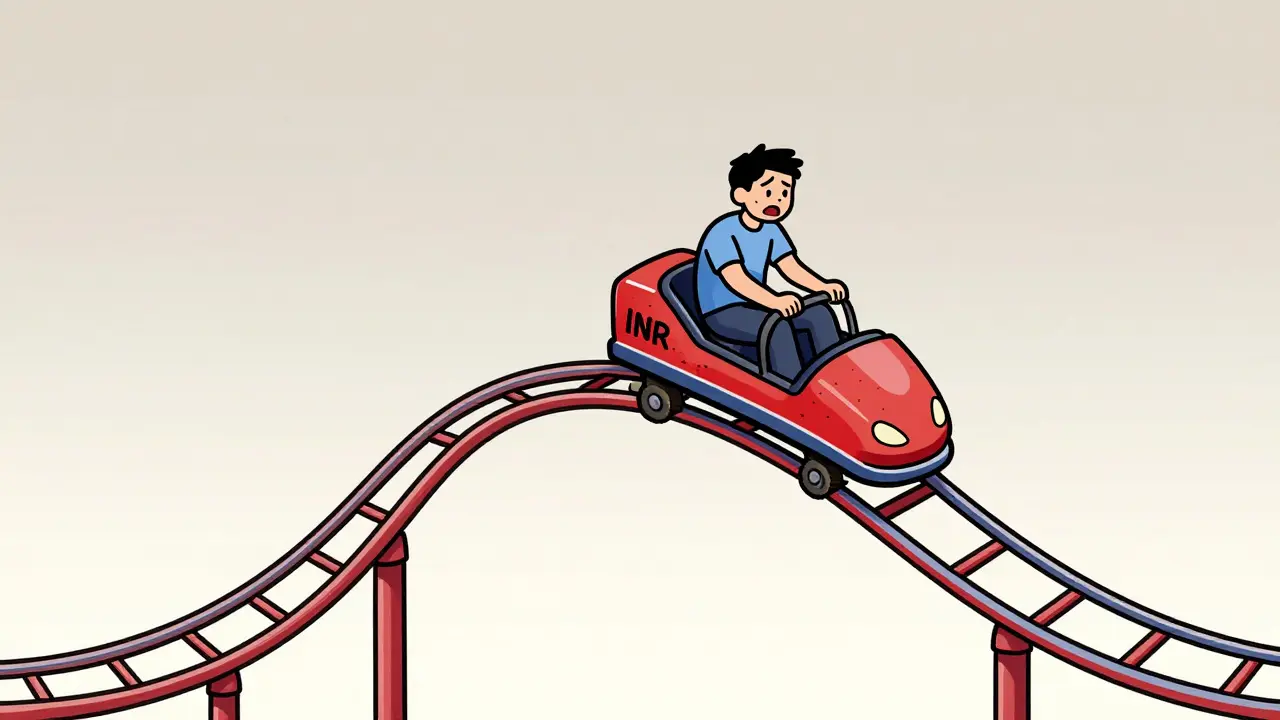
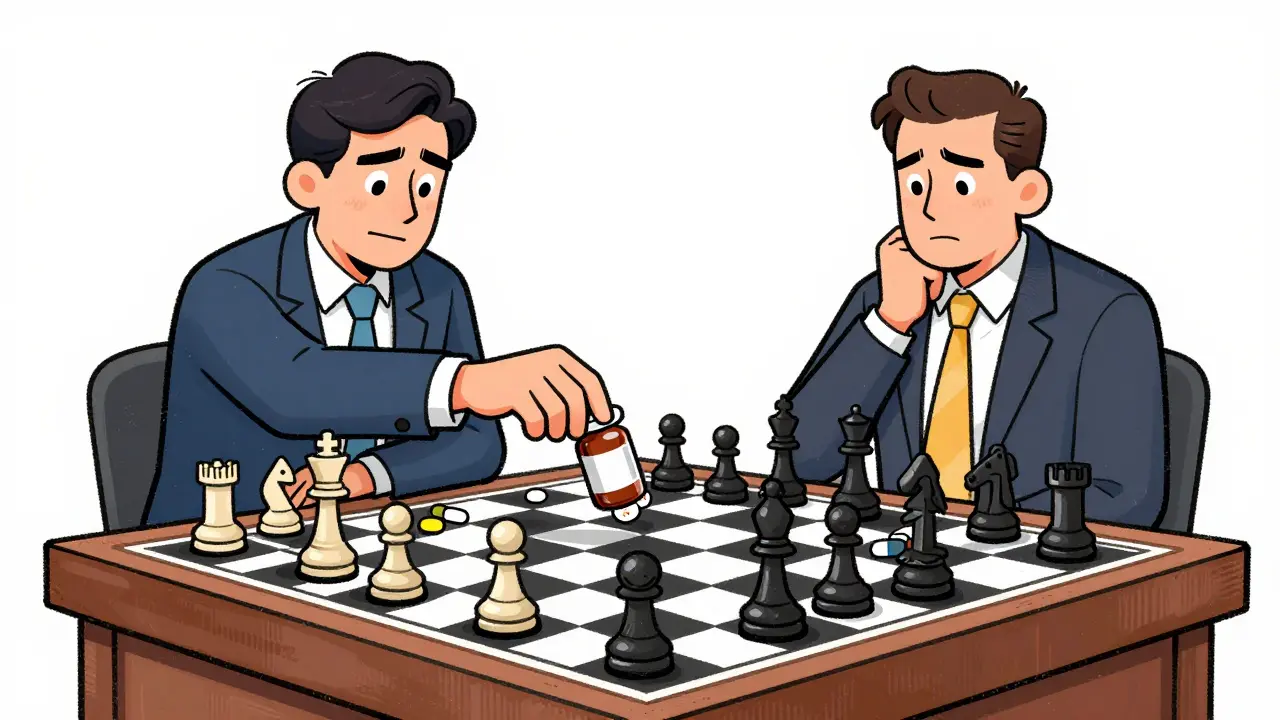
Not all statins are created equal when it comes to muscle damage. Simvastatin, especially at the 80 mg dose, is the biggest offender. In 2011, the FDA warned doctors not to prescribe 80 mg simvastatin to new patients because the risk of muscle injury jumped 10 times compared to lower doses. Lovastatin and atorvastatin also carry higher risk because they’re broken down by the same liver enzyme (CYP3A4) as many common drugs. Take simvastatin with clarithromycin (an antibiotic) or colchicine (for gout), and your statin levels can spike 10-fold. That’s a recipe for disaster.
On the other end of the spectrum, pravastatin and fluvastatin are much safer. They don’t rely on CYP3A4, so they’re less likely to interact with other meds. Rosuvastatin is also lower risk, though it still can cause problems in high doses or in genetically susceptible people. If you’re on simvastatin 80 mg and have no reason to be, ask your doctor if you can switch to something safer.
Why Do Statins Damage Muscles?
No one agrees on exactly why. But here’s what we know for sure: statins block a molecule called mevalonate. That’s how they lower cholesterol. But mevalonate is also needed to make other things-like coenzyme Q10 (CoQ10), which your muscles use to make energy. Some researchers think low CoQ10 leads to muscle fatigue and damage. Studies show CoQ10 levels drop by up to 40% in people taking high-dose simvastatin.
Another theory points to the ubiquitin-proteasome system. This is your body’s cleanup crew for damaged proteins. Statins turn it up too high, causing your muscles to break down their own proteins. One study found that atrogin-1, a gene linked to muscle wasting, spikes in people on statins. This isn’t just theory-it’s seen in muscle biopsies.
Then there’s the membrane instability idea. Statins are fatty molecules. They can slip into muscle cell membranes and make them fragile. If you do something that stresses those membranes-like hiking downhill, lifting weights, or even walking fast on a slope-the cells can rupture. That’s why many patients report symptoms only after physical activity.
Genetics Play a Bigger Role Than You Think
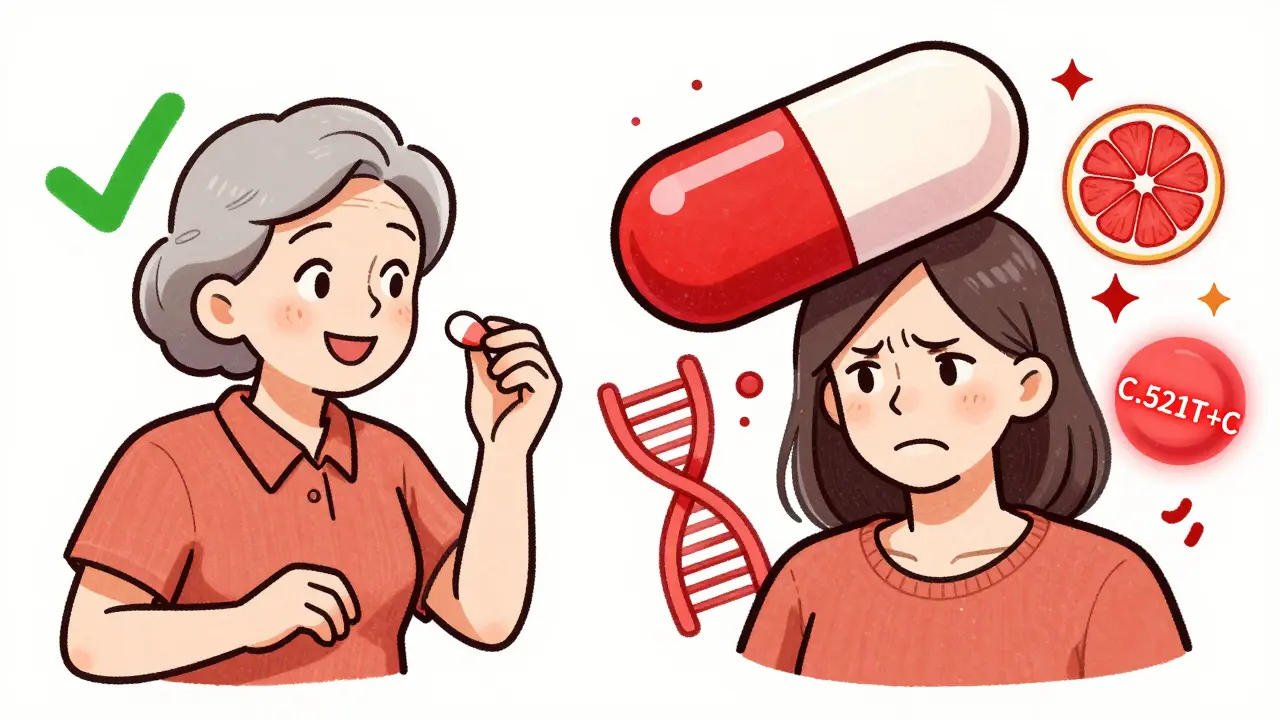
Your genes can turn a safe statin into a dangerous one. The SLCO1B1 gene controls how your liver pulls statins out of your blood. If you have a specific variant-c.521T>C-your liver can’t clear the drug fast enough. That means more statin stays in your bloodstream, hitting your muscles harder. People with two copies of this variant have a 4.5 times higher risk of muscle damage. This isn’t rare: about 1 in 10 people carry two copies. Testing for this gene is available through services like OneOme RightMed (around $249), but insurance rarely covers it unless you’ve already had muscle problems.
That’s why some doctors now test for SLCO1B1 before prescribing simvastatin. The Clinical Pharmacogenetics Implementation Consortium (CPIC) recommends no more than 20 mg daily for people with the high-risk gene. If you’ve had unexplained muscle pain on statins, ask about genetic testing. It could save you from a future crisis.
What Symptoms Should You Watch For?
Most people on statins have no muscle issues. But about 5 to 29% report mild symptoms like soreness, cramps, or fatigue. These are often dismissed as aging or overexertion. But if you notice any of these, don’t ignore them:
- Muscle pain or weakness that doesn’t go away after a few days
- Dark, tea-colored, or cola-colored urine
- Unusual fatigue, even after rest
- Swelling or tenderness in your thighs, calves, or shoulders
- Pain that gets worse after exercise, especially downhill walking or stair climbing
On patient forums like Reddit’s r/Statins, hundreds describe sudden leg pain after a walk, or being unable to lift their arms after a shower. Many say symptoms started within the first three months. That’s a key window. If you started a statin and then felt different, connect the dots.
What Should You Do If You Suspect Rhabdomyolysis?
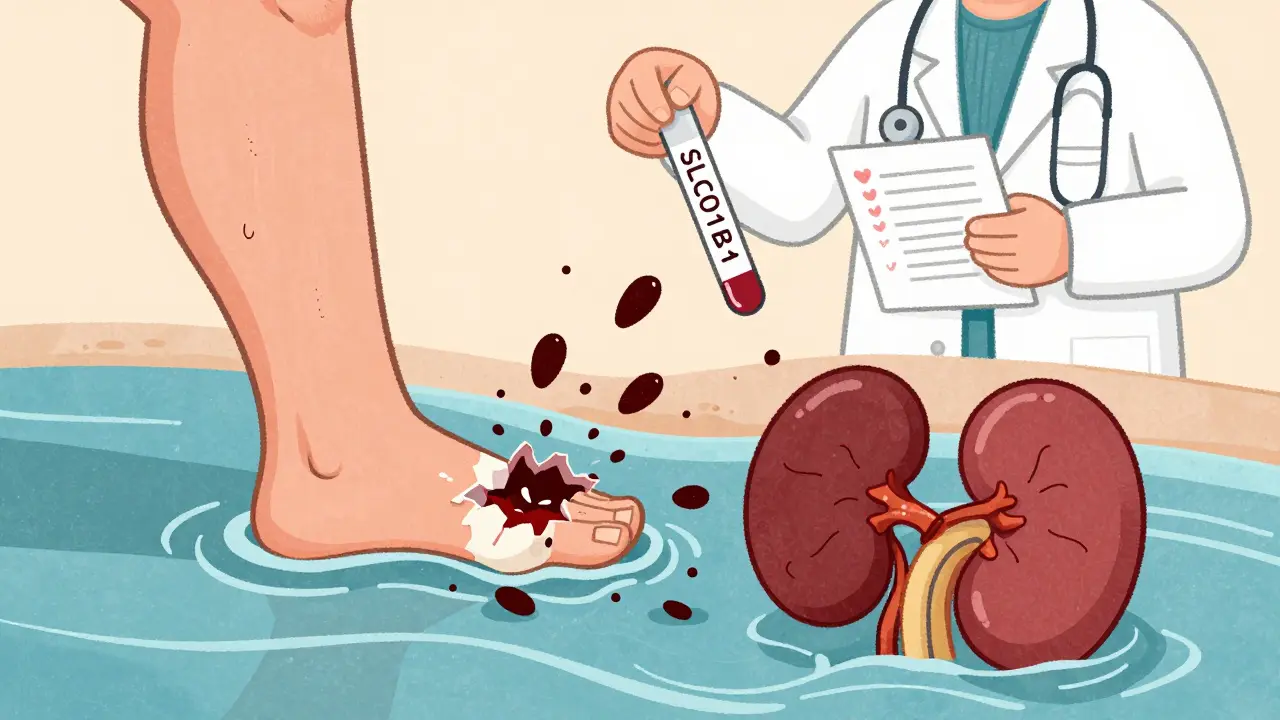
If you have muscle pain and dark urine, go to the ER. Don’t wait. Your doctor will check your creatine kinase (CK) levels. Normal CK is under 200 IU/L. If it’s over 10 times that (2,000+), your muscles are breaking down. If it’s above 10,000 IU/L with dark urine, you’re in rhabdomyolysis territory. That means IV fluids, kidney monitoring, and stopping the statin immediately.
Physical therapists have a simple screening tool: ask if you can stand up from a chair without using your arms, or climb stairs without holding the railing. If you can’t, your strength is compromised. Don’t wait for blood tests if your function is failing.
Hydration is critical. Drink water. Don’t wait until you’re thirsty. Avoid alcohol and NSAIDs like ibuprofen-they can hurt your kidneys more. If your creatinine rises by more than 0.5 mg/dL, you need a nephrologist.
Can You Go Back on Statins After Rhabdomyolysis?
Once you’ve had rhabdomyolysis, most doctors won’t restart a statin. But here’s the twist: many people who think they’re statin-intolerant aren’t. A 2019 study found that 78% of patients who quit statins due to muscle pain could tolerate them again after switching to a lower-risk statin or adjusting the dose. The problem? Often, it’s not the statin-it’s the nocebo effect. People expect side effects, so they feel them.
If you’ve had a mild muscle issue, don’t give up on statins. Talk to your doctor about trying pravastatin or fluvastatin at a low dose. Or consider non-statin options like ezetimibe or PCSK9 inhibitors (alirocumab, evolocumab). But know this: those cost about $5,850 a year. Statins cost pennies. For most people, the benefit of preventing a heart attack or stroke far outweighs the tiny risk of muscle damage.
What’s Next for Statin Safety?
Science is catching up. In January 2023, a study in Nature Communications found 17 proteins in the blood that predict statin muscle damage with 89% accuracy. Soon, a simple blood test might tell you if you’re at high risk before you even start a statin.
Researchers are also designing new statins that lower cholesterol without touching muscle cells. Early trials are promising. In the meantime, the American College of Cardiology recommends a personalized approach: check your genes, pick the right statin, avoid dangerous drug combos, and never ignore muscle pain.
Statins save lives. Millions of them. But they’re not harmless. Knowing the signs, understanding your risk, and speaking up when something feels off can make all the difference.
Can statins cause muscle damage even at low doses?
Yes, though the risk is much lower. Even low-dose statins can cause muscle symptoms in genetically susceptible people, especially if combined with other medications or intense exercise. The SLCO1B1 gene variant increases risk regardless of dose. That’s why some doctors now test for it before prescribing.
Is CoQ10 supplementation effective for preventing statin muscle pain?
Studies show mixed results. Some patients report feeling better taking CoQ10, but large clinical trials haven’t proven it prevents rhabdomyolysis. It’s not a substitute for stopping the statin if symptoms are severe. Still, if you’re on a statin and have mild muscle soreness, trying 100-200 mg of CoQ10 daily is low-risk and may help.
What should I avoid while taking statins?
Avoid grapefruit juice if you’re on simvastatin, lovastatin, or atorvastatin-it blocks the enzyme that breaks them down, raising blood levels. Also avoid clarithromycin, itraconazole, cyclosporine, and colchicine. Always check with your pharmacist before starting any new medication, supplement, or herb. Even over-the-counter painkillers like NSAIDs can stress your kidneys if you’re already at risk.
How do I know if my muscle pain is from statins or just aging?
Aging causes gradual weakness. Statin-related pain is often sudden, localized, and worse after activity. It doesn’t improve with rest like normal soreness. If you started a statin and then noticed new, persistent pain-especially in your legs or shoulders-it’s likely related. Get a CK test. Don’t assume it’s just getting older.
Can I exercise while taking statins?
Yes-but be smart. Avoid high-intensity eccentric exercises like downhill running, heavy weightlifting, or jumping. These stress muscle membranes and may trigger damage. Stick to moderate walking, cycling, or swimming. If you feel unusual fatigue or pain during or after exercise, stop and talk to your doctor. Don’t push through it.
Are there alternatives to statins if I can’t tolerate them?
Yes. Ezetimibe lowers cholesterol by blocking absorption in the gut. PCSK9 inhibitors (alirocumab, evolocumab) are injectable drugs that dramatically reduce LDL, but they cost over $5,000 a year. Bempedoic acid is a newer oral option that works like a statin but doesn’t enter muscle cells, so it’s safer for those with muscle sensitivity. Lifestyle changes-diet, exercise, weight loss-also help, but they rarely replace medication for high-risk patients.
Rob Webber
January 30, 2026 AT 23:57Statins are a scam wrapped in a pill. I was on simvastatin 80mg for six months and woke up one day unable to lift my coffee cup. No warning. No mercy. My CK was 14,000. Kidneys saved by pure luck. Now I’m off everything and my cholesterol’s higher than my ex’s drama. But at least I can walk without feeling like my legs are made of wet concrete. FDA? More like Failing Doctors Association.
Diksha Srivastava
January 31, 2026 AT 02:30Hey, I know this sounds crazy but I started taking CoQ10 after my doctor suggested it and honestly? My muscle cramps vanished. I’m not saying it’s magic, but I’ve been on low-dose rosuvastatin for 2 years now and I feel better than I did before. Don’t give up on statins if you’re struggling-talk to your doc about switching or adding supplements. You deserve to live without pain.
Sidhanth SY
February 1, 2026 AT 22:30Real talk: I had a cousin who got rhabdo on simvastatin. He was 72, on it for 3 years, no other meds. No warning signs until he couldn’t stand up after showering. Turns out he had the SLCO1B1 variant. They didn’t test him. Now he’s on pravastatin and fine. The system needs to screen people before they start these drugs. It’s not expensive. It’s not complicated. It’s just not done. And people are getting hurt because of it.
Adarsh Uttral
February 2, 2026 AT 21:11bro i took atorvastatin and started feeling like my legs were fulla lead. i thought i was just getting old. then i saw my pee looked like root beer. i went to er. ck was 9k. they said i got lucky. now i take ezetimibe. no muscle pain. no drama. just cheaper than the injectables. also never drink grapefruit juice with statins. learned that the hard way.
Sazzy De
February 4, 2026 AT 19:27I’ve been on fluvastatin for 5 years. Never had an issue. My doctor picked it because I’m over 65 and have a family history. I don’t take NSAIDs. I drink water. I avoid intense downhill hikes. It’s not that hard to stay safe. Just listen to your body. And if something feels off? Don’t wait. Go in. You’ll thank yourself later.
Blair Kelly
February 5, 2026 AT 19:26Let’s be clear: the 80mg simvastatin dose should have been banned in 2011, not just "warned against." The fact that doctors still prescribe it to new patients is medical malpractice. The CYP3A4 interactions are textbook pharmacology. Anyone who claims "statins are safe" hasn’t read the FDA’s own data. This isn’t about fearmongering-it’s about accountability. And if you’re still on simvastatin 80mg? You’re playing Russian roulette with your kidneys.
Gaurav Meena
February 7, 2026 AT 04:39Hey everyone, I’m a pharmacist in Delhi and I’ve seen so many patients panic over muscle pain. But here’s the thing-most of them are fine. Mild soreness? Probably not statin-related. Dark urine? Go to the hospital. Don’t self-diagnose. And yes, CoQ10 might help some people. But don’t swap meds without talking to your doctor. We’re not here to scare you-we’re here to keep you alive. And statins? They’ve saved more hearts than we’ll ever count.
Katie and Nathan Milburn
February 7, 2026 AT 22:05While the statistical incidence of statin-induced rhabdomyolysis remains exceedingly low, the clinical consequences are disproportionately severe. The pharmacokinetic interactions involving CYP3A4 isoforms, coupled with genetic polymorphisms in SLCO1B1, constitute a well-documented pharmacogenomic risk profile. Proactive screening, particularly in geriatric populations and those concurrently prescribed macrolides or colchicine, is not merely advisable-it is a standard of care that remains underutilized in primary practice settings.
kate jones
February 8, 2026 AT 00:27OneOme RightMed testing is available through some health systems under research protocols. If you’ve had unexplained myalgia, request a pharmacogenomic panel. SLCO1B1 isn’t the only variant-ABCG2 and CYP2C9 matter too. Insurance won’t cover it until you’ve had an event, but some employers offer it as part of wellness programs. And yes, bempedoic acid is a game-changer for statin-intolerant patients. It’s not just an alternative-it’s precision medicine. Stop accepting "it’s just aging." Your muscles deserve better.