
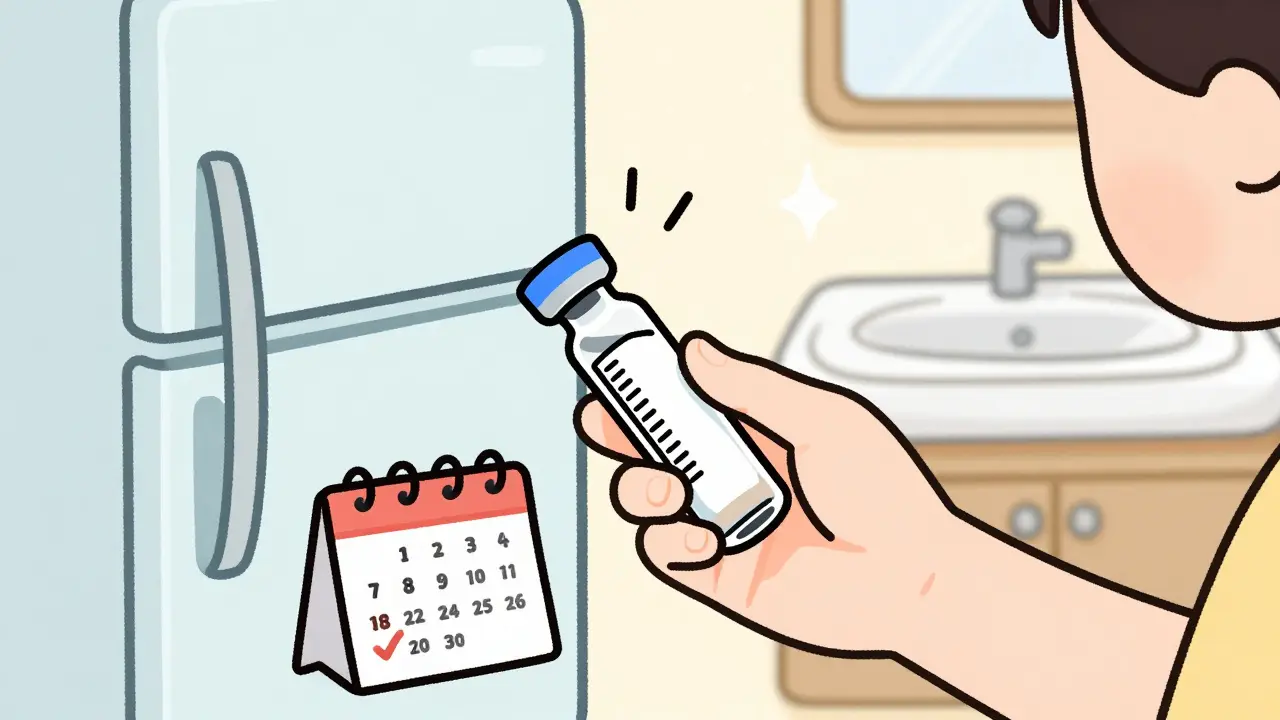
Why Medication Expiration Dates Matter
Every year, millions of people in the US take medication expiration dates for granted, risking health issues and wasting money. The U.S. Food and Drug Administration (FDA) states that drug expiration dates reflect 'the time period during which the product is known to remain stable, which means it retains its strength, quality, and purity when stored properly.' But here's the catch: some medications degrade faster than others. Insulin, nitroglycerin, and liquid antibiotics can become ineffective or even harmful after expiration. The FDA estimates that proper medication management could prevent 125,000 annual deaths related to improper use. That's why having a clear schedule is crucial.
Step 1: Understand Your Medications' Risks
Not all medications are created equal when it comes to expiration. High-risk drugs like insulin and nitroglycerin degrade quickly. A 2020 NIH study found that expired insulin can lose potency within days, leading to dangerous blood sugar spikes. Nitroglycerin for heart attacks loses effectiveness rapidly, which could be life-threatening during an emergency. On the other hand, solid pills like aspirin or acetaminophen may stay effective longer. However, the Institute for Safe Medication Practices (ISMP) warns that you should never guess-always follow the labeled expiration date. Why? Because storage conditions vary wildly in homes. A bathroom with steam or a car in summer heat can ruin a medication long before its expiration date.
Step 2: Set Up Your Review Schedule
Your review frequency depends on where you store your meds. The Agency for Healthcare Research and Quality (AHRQ) recommends:
| Medication Type | Storage Condition | Review Frequency |
|---|---|---|
| Insulin | Refrigerated (2°C-8°C) | Weekly |
| Nitroglycerin | Room temperature | Monthly |
| Antibiotics | Room temperature | Quarterly |
| Epinephrine auto-injectors | Room temperature | Every 6 months |
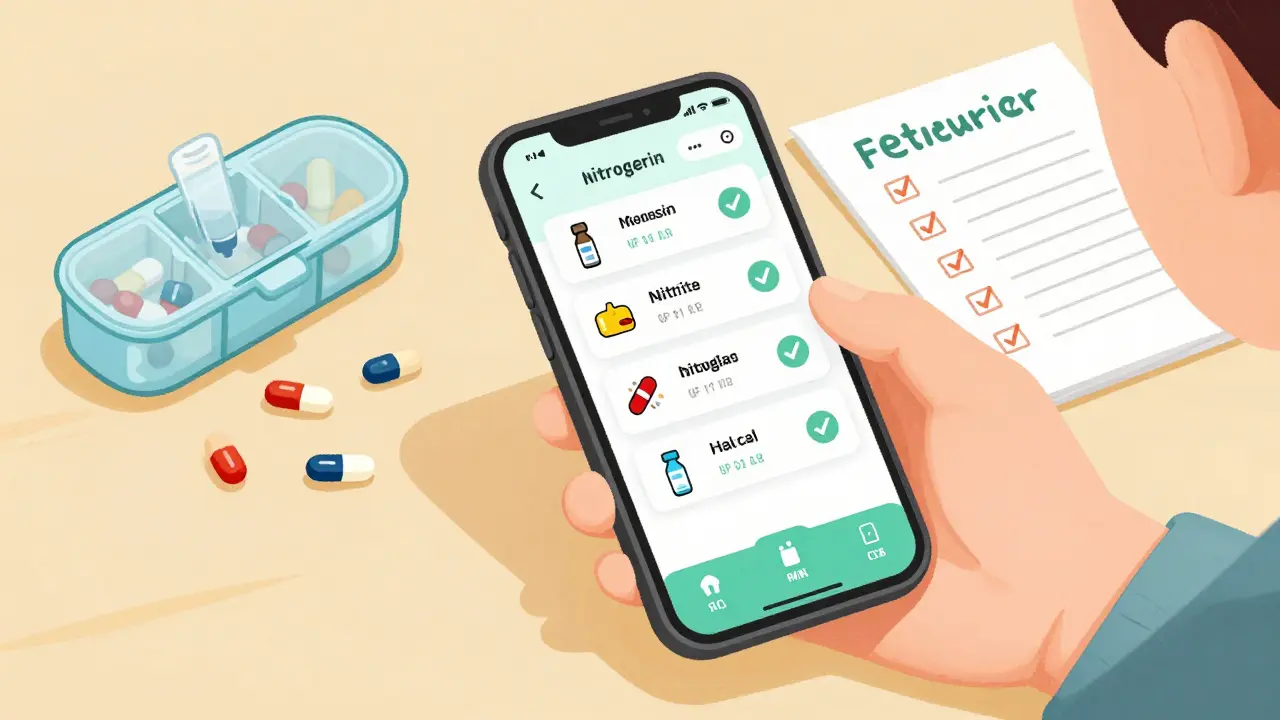
For most other medications stored at room temperature, check them every three months. Keep a log or use a smartphone app to track dates. If you notice any changes in color, texture, or smell-like pills crumbling or liquid turning cloudy-discard it immediately, regardless of the expiration date.
Step 3: Choose the Right Tools
You don't need fancy gear to stay organized. Simple methods work best:
- Paper log: Write down each medication, its expiration date, and review date. Keep it near your medicine cabinet. The National Council on Aging offers free templates online.
- Smartphone apps: Medisafe (free) sends reminders and tracks doses. Premium features cost $4.99/month. Hero Health's automated dispenser ($499) syncs with your phone and organizes pills by date.
- Pill organizers: Use ones with date labels. Store them in a cool, dry place-never the bathroom.
For healthcare facilities, USP Chapter <795> requires documenting Beyond Use Dates (BUDs) for compounded medications. But for home use, a simple calendar reminder works just fine.
Step 4: Avoid Common Mistakes
Even with a schedule, mistakes happen. Here's what to watch out for:
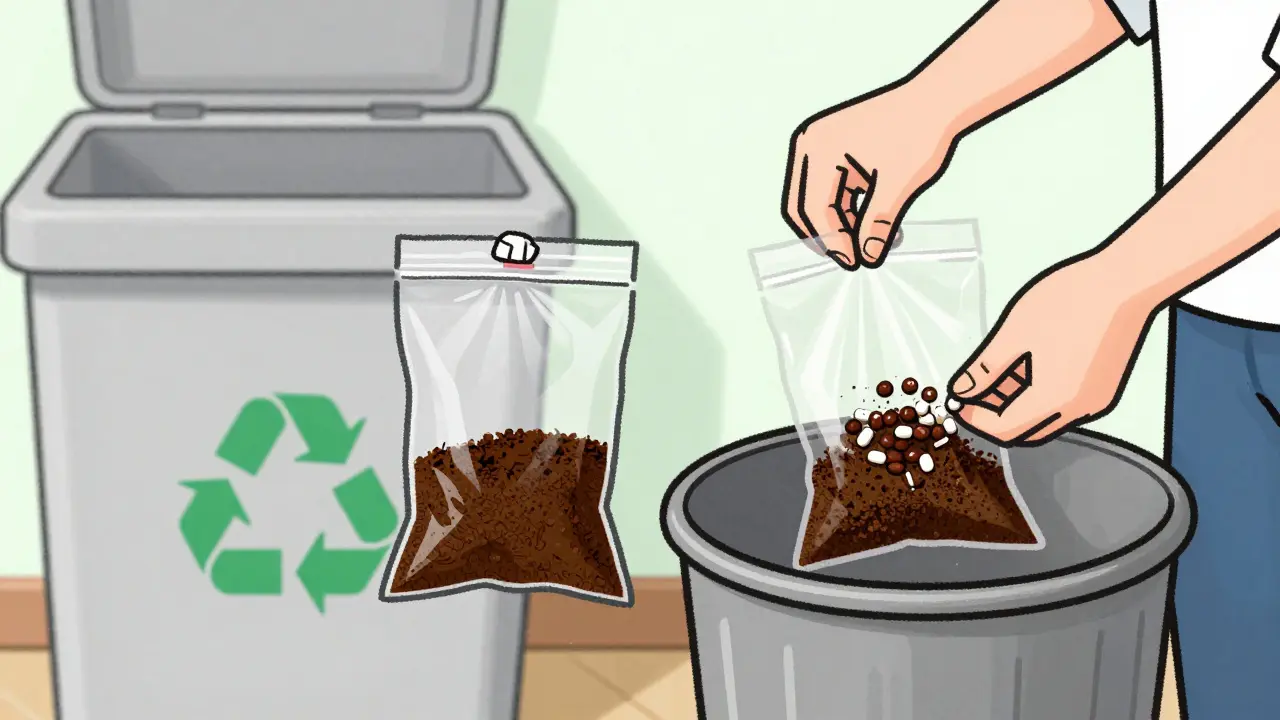
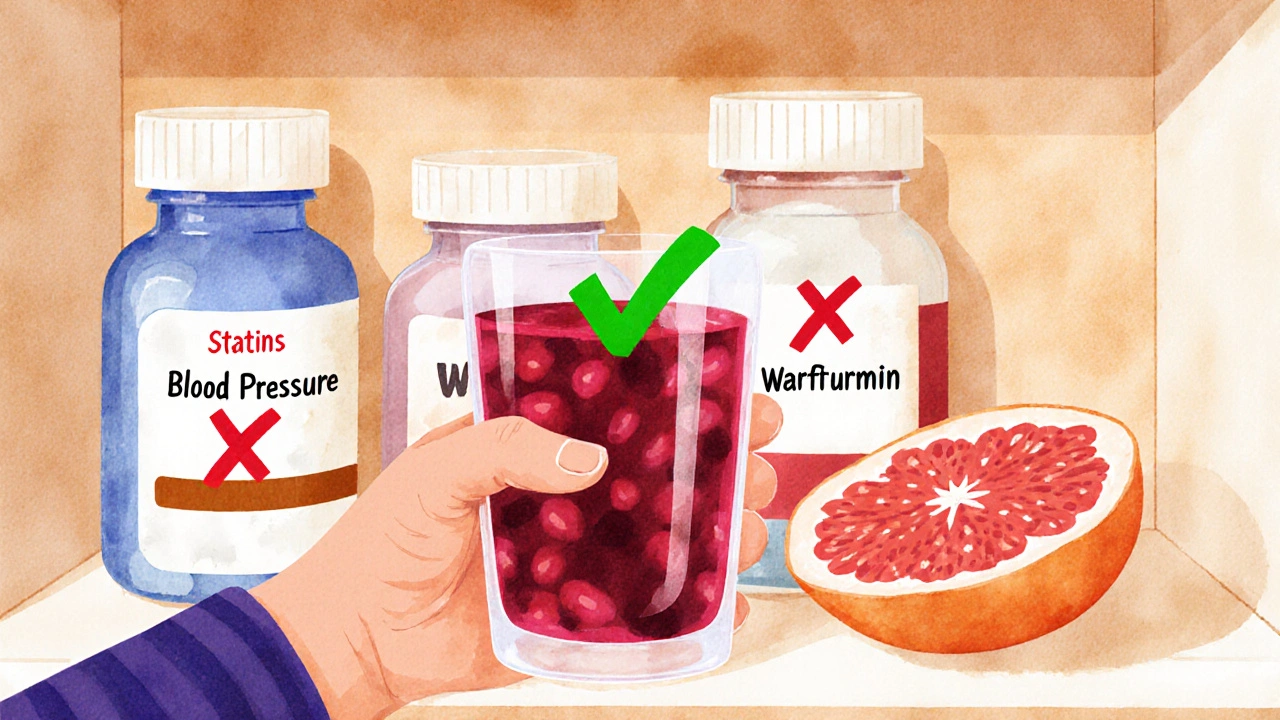
- Storing meds in the bathroom: Heat and humidity speed up degradation. Keep them in a cool, dry place like a bedroom drawer.
- Ignoring storage instructions: Some meds need refrigeration. Always check the label.
- Confusing manufacture date with expiration date: The expiration date is printed clearly on the package. Manufacture date is less common and doesn't indicate when the med expires.
- Using 'look and feel' to judge safety: Expired meds may look normal but lose potency. Trust the date, not your eyes.
A 2023 Pharmacy Times survey found 42.7% of people take expired meds because they 'look normal.' This is risky-especially for critical drugs like epinephrine. A single failed auto-injector during an allergic reaction could be fatal.
Step 5: Safely Dispose of Expired Medications
Never flush meds down the toilet or throw them in the trash. The FDA recommends:
- Use drug take-back programs. The DEA National Prescription Drug Take Back Day has 8,342 collection sites nationwide.
- Check if your pharmacy offers disposal services. Many do for free.
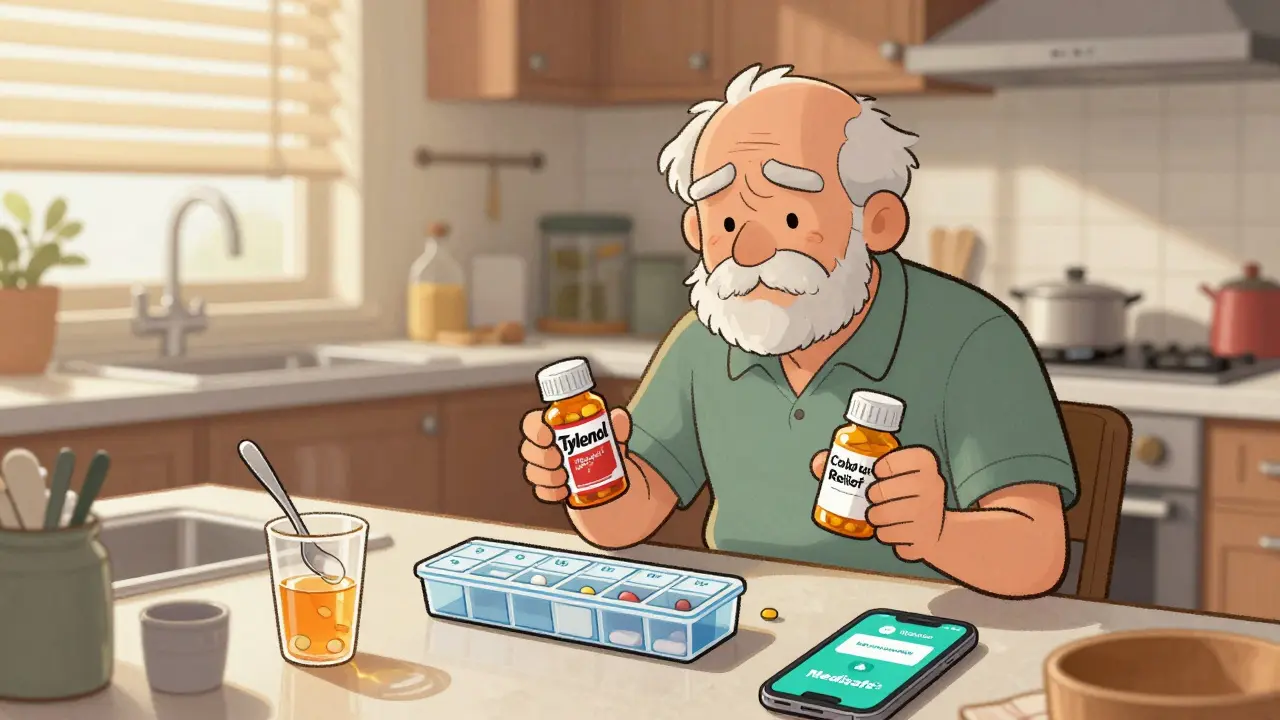
- For home disposal, mix meds with coffee grounds or cat litter in a sealed bag before throwing them away. This prevents accidental ingestion.
Proper disposal reduces environmental harm and keeps meds out of wrong hands. The Healthcare Environmental Resource Center reports a 37.2% increase in take-back programs from 2021-2023, making it easier than ever to dispose safely.
Can I use expired insulin?
No. Insulin degrades quickly once expired. Using it can lead to uncontrolled blood sugar levels and serious health complications. Always check the expiration date and replace it promptly.
How often should I check my medications?
It depends on storage. Refrigerated medications like insulin need weekly checks. Room-temperature medications should be reviewed every three months. Emergency drugs like epinephrine auto-injectors require checks every six months. Always follow your healthcare provider's advice.
What's the difference between 'manufacture date' and 'expiration date'?
The manufacture date is when the drug was made, but it doesn't indicate when it expires. The expiration date is the final date the manufacturer guarantees the drug's full potency and safety. Always look for the expiration date on the packaging-it's clearly labeled.
Can I store all medications in the same place?
No. Some need refrigeration, others must stay dry. Store them according to label instructions. Keep them away from heat, moisture, and sunlight. A cool, dark drawer in your bedroom is usually best.
What should I do if I find expired medication?
Dispose of it safely. Use a take-back program or pharmacy drop-off. If those aren't available, mix the medication with an unappealing substance like coffee grounds or cat litter in a sealed bag before throwing it away. Never flush it down the toilet.
Cullen Bausman
February 4, 2026 AT 17:31Medication expiration dates are critical for safety. The FDA says so. End of story.
Carl Crista
February 6, 2026 AT 02:04The FDA is lying about expiration dates Theyre in cahoots with big pharma Drugs last way longer than they say Ive seen studies proving it
Lisa Scott
February 6, 2026 AT 13:15Pharma companies manipulate expiration dates to sell more pills Its all about profit No one checks the real science
Cole Streeper
February 7, 2026 AT 18:46Exactly The government is in on it They want us to buy new meds every year Its a scam Always check the manufacturing date instead
Dina Santorelli
February 7, 2026 AT 20:55Ive seen people take expired meds and get sick Its a real problem Why dont they listen
Danielle Vila
February 8, 2026 AT 05:19The real issue is the FDAs lack of transparency They dont tell us about the actual stability studies Its all about corporate interests Ive researched this for years
Phoebe Norman
February 9, 2026 AT 10:54The pharmacokinetic degradation pathways of various pharmaceutical compounds are not adequately disclosed by regulatory bodies
The stability data is often proprietary which creates a significant transparency issue
Many patients are unaware of the actual shelf-life of their medications beyond the printed expiration date
This lack of information leads to unnecessary waste and potential health risks
The FDAs current guidelines are based on limited studies that do not account for real-world storage conditions
For instance temperature fluctuations in home environments can accelerate degradation
The pharmaceutical industry has a vested interest in maintaining strict expiration dates to drive repeat purchases
However some studies suggest that certain drugs remain stable for years past their labeled dates
This discrepancy between scientific evidence and regulatory policy is alarming
The absence of comprehensive data on drug stability under varied conditions is a critical gap
Patients should be empowered with more detailed information to make informed decisions
The current system prioritizes profit over patient safety
Its time for a more transparent and science-based approach to medication expiration
We need better education and updated guidelines to reflect actual drug stability
This issue requires immediate attention from both regulators and healthcare providers
Joyce cuypers
February 11, 2026 AT 01:03I use a app to track my meds Its easy and helps me stay on top of things Highly recommend
Elliot Alejo
February 12, 2026 AT 19:28I agree apps are great But you need to make sure its a reliable one Some have security issues
Albert Lua
February 13, 2026 AT 07:43Different cultures handle meds differently In Japan they have strict disposal protocols We should learn from them
Tehya Wilson
February 14, 2026 AT 16:44The issue of medication expiration is complex Proper storage is paramount However regulatory frameworks vary globally
Nancy Maneely
February 15, 2026 AT 23:03Why dont they just make all meds last forever Its ridiculous People waste so much money on expired pills
Thorben Westerhuys
February 16, 2026 AT 03:44I'm very concerned about medication expiration; it's a serious health issue, isn't it? We should all be more vigilant!
Laissa Peixoto
February 17, 2026 AT 16:17Always check with your pharmacist for personalized advice.