
For millions of people managing chronic conditions like high blood pressure, diabetes, or asthma, the cost of medication doesn’t stop after a few months-it goes on for decades. That’s where generic medications make the real difference. Not just a small discount here and there, but life-changing savings that add up to tens of thousands over a lifetime.
What Exactly Are Generic Medications?
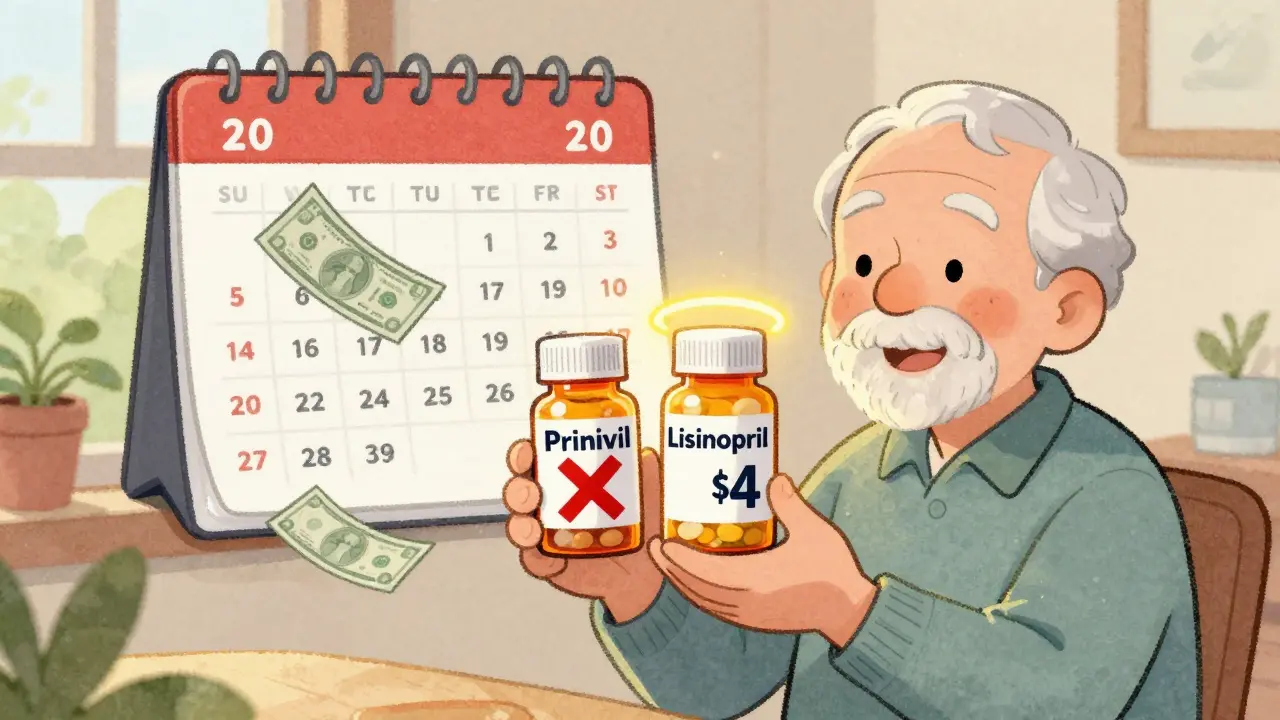
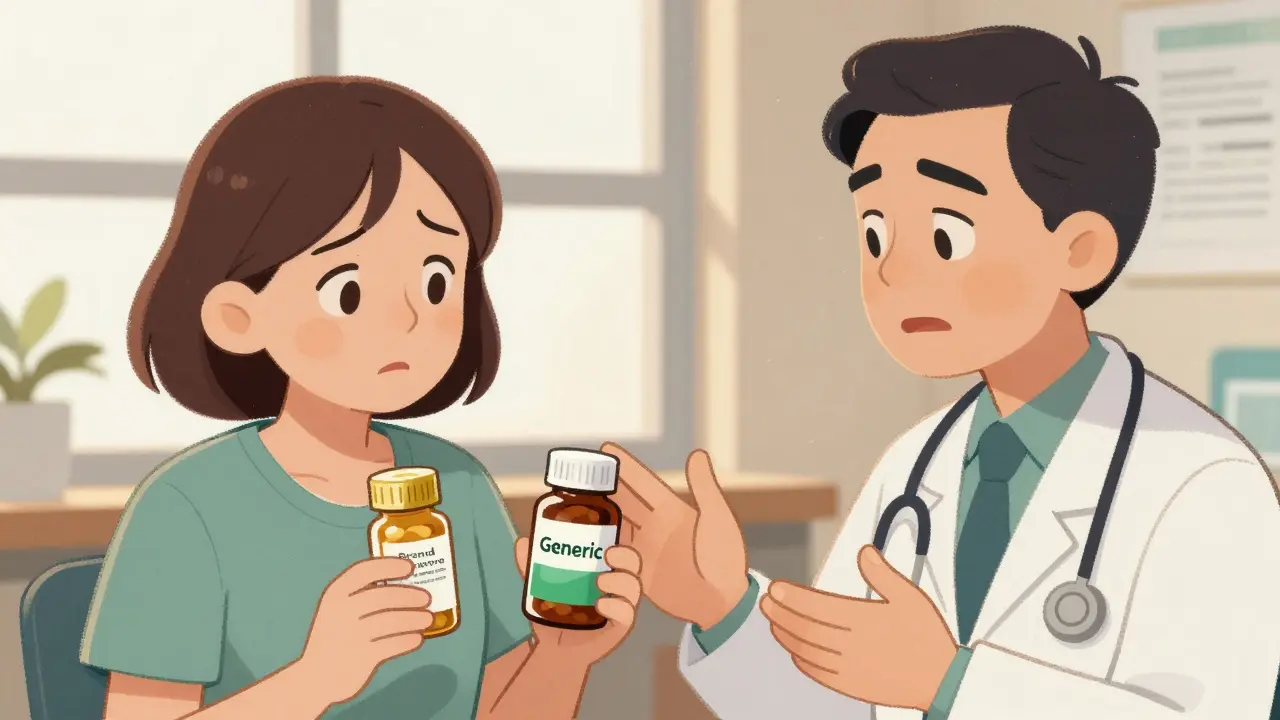
Generic drugs aren’t knockoffs. They’re exact copies of brand-name drugs in every way that matters: same active ingredient, same strength, same way of being taken, same effect on your body. The FDA requires them to meet the same strict standards as the original. The only differences? The name, the color, the shape, and the price. Take lisinopril, for example. The brand version, Prinivil, might cost $45 a month. The generic? Around $4. Same pill. Same results. But one saves you $500 a year. Do that for 20 years? That’s $10,000-money you can put toward groceries, rent, or a vacation instead of filling prescriptions.How Much Can You Really Save?
The numbers don’t lie. Generic drugs cost, on average, 80% to 85% less than their brand-name counterparts. That’s not a guess-it’s backed by data from the U.S. Food and Drug Administration and independent pharmacy reports. Here’s what that looks like in real life:- Metformin (for type 2 diabetes): Brand name Glucophage costs $150/month. Generic? $10-$25/month. Annual savings: $1,500-$1,800.
- Atorvastatin (for cholesterol): Brand Lipitor was $200/month before generics. Today’s generic? $8-$15/month. That’s over $2,000 saved per year.
- Levothyroxine (for hypothyroidism): Brand Synthroid runs $70/month. Generic? $12/month. You’re saving $700 a year-every year-for the rest of your life.
Why Do Generics Cost So Much Less?
Brand-name companies spend billions developing a new drug. They need to recoup that investment, plus make a profit. That’s why they have patents-usually 20 years-where no one else can make the same drug. Once the patent expires, other manufacturers can step in. They don’t have to repeat expensive clinical trials. They just have to prove their version works the same way. That process is faster, cheaper, and simpler. And because multiple companies compete to make the same generic, prices drop even further. It’s basic economics: more suppliers = lower prices. And since generics make up 97% of all prescriptions filled in the U.S., that competition is fierce.Are Generics Really as Good as Brand-Name Drugs?
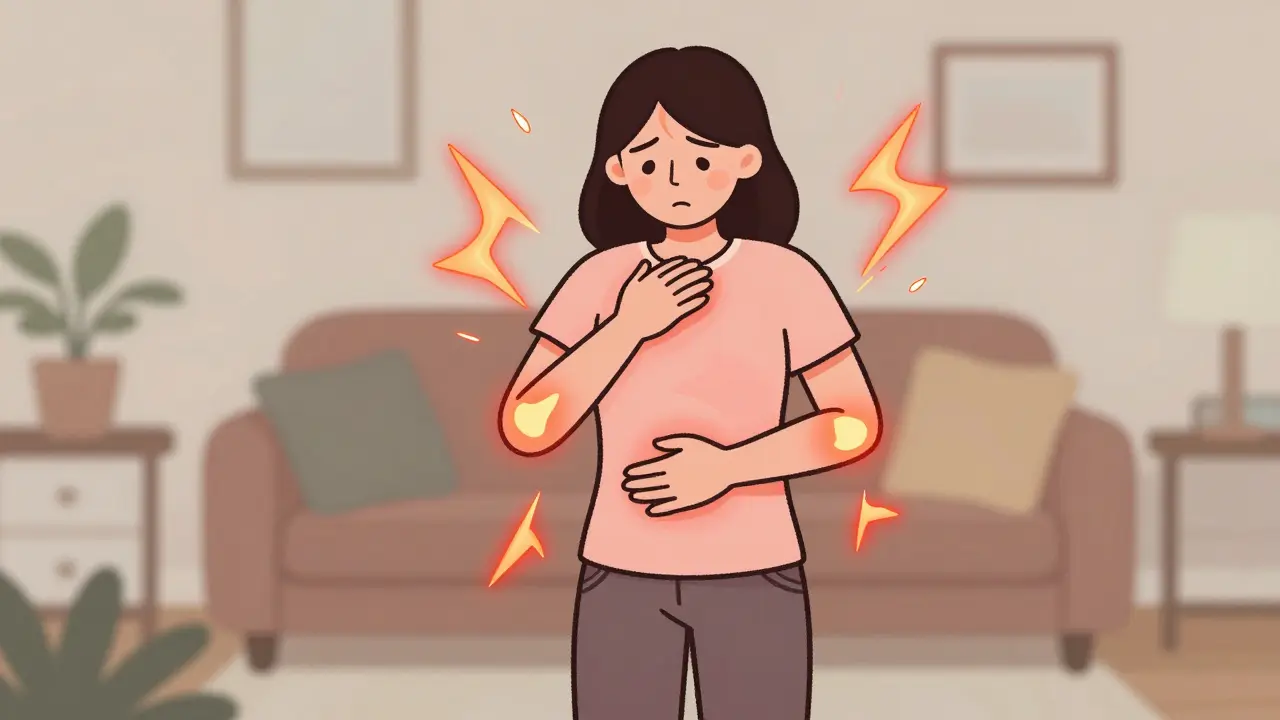
This is the biggest myth. People worry: “If it’s cheaper, is it weaker?” The answer is no. The FDA requires generics to be bioequivalent. That means they must deliver the same amount of active ingredient into your bloodstream at the same rate as the brand-name drug. The acceptable range? Within 80% to 125% of the original. That’s not a loophole-it’s a tight, scientifically proven standard. Studies show no difference in outcomes between generics and brand-name drugs for conditions like heart disease, depression, or epilepsy. A 2020 Harvard Medical School review found that generics are just as effective for complex, long-term conditions-including rare diseases. Some people report feeling different after switching. That’s usually not because the drug isn’t working. It’s because of the inactive ingredients-fillers, dyes, coatings. These don’t affect how the drug works, but they can cause minor side effects in rare cases. If you notice something new after switching, talk to your pharmacist. There’s almost always another generic version available.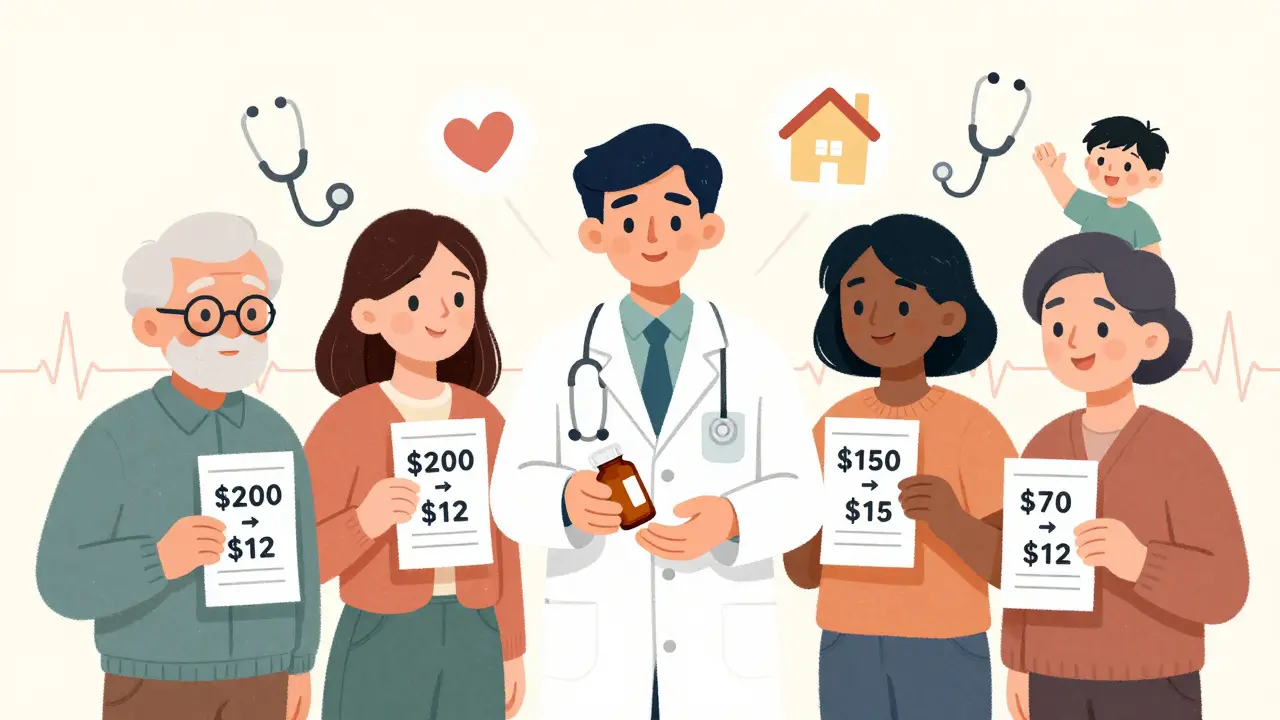
Generics Improve Adherence-And That Saves Lives
Cost isn’t just about money. It’s about whether you can keep taking your medicine. A CDC study found that 1 in 4 Americans skip doses because they can’t afford their prescriptions. That’s deadly for chronic conditions. Missed doses mean higher blood pressure, uncontrolled blood sugar, more heart attacks, more hospital visits. Here’s the truth: patients who start on generics are 18% to 22% more likely to stick with their medication long-term. Why? Because they can afford to. Medication Therapy Management (MTM) programs-offered by many pharmacies and covered by Medicare Part D-help patients switch to generics and stay on track. Pharmacists review your whole list of meds, find cheaper alternatives, and catch interactions. One study showed MTM programs improved adherence by 15% to 25% and cut hospitalizations by 20% to 30%. That’s not just savings. That’s fewer ER trips, fewer surgeries, fewer lost days of work. That’s living longer, healthier, and more independently.Real-World Impact: From India to Brazil
This isn’t just an American story. Around the world, access to affordable generics has changed lives. In India, generic HIV drugs dropped from $10,000 per year to under $100. Treatment adherence jumped 40%. Death rates fell by 25% in just a decade. In Brazil, the government made generics the default for diabetes and high blood pressure. Within five years, medication access rose 35%. Annual healthcare costs for those conditions dropped by $1.2 billion. The message is clear: when medicine is affordable, people take it. When they take it, they stay healthy. And when they stay healthy, the whole system saves money.What’s Holding People Back?
Despite the evidence, many still hesitate. Why? - Myth: Generics are “inferior.” They’re not. The FDA doesn’t approve them unless they’re identical in effect. - Myth: My doctor wouldn’t prescribe them. Most doctors do. But if yours doesn’t, ask why. They might not know the latest options. - Insurance confusion. Some plans still push brand-name drugs first. Always ask your pharmacist: “Is there a generic? What’s the copay?” Education helps. One pharmacy chain found that after giving patients a simple 5-minute explanation about bioequivalence, 45% more agreed to switch to generics.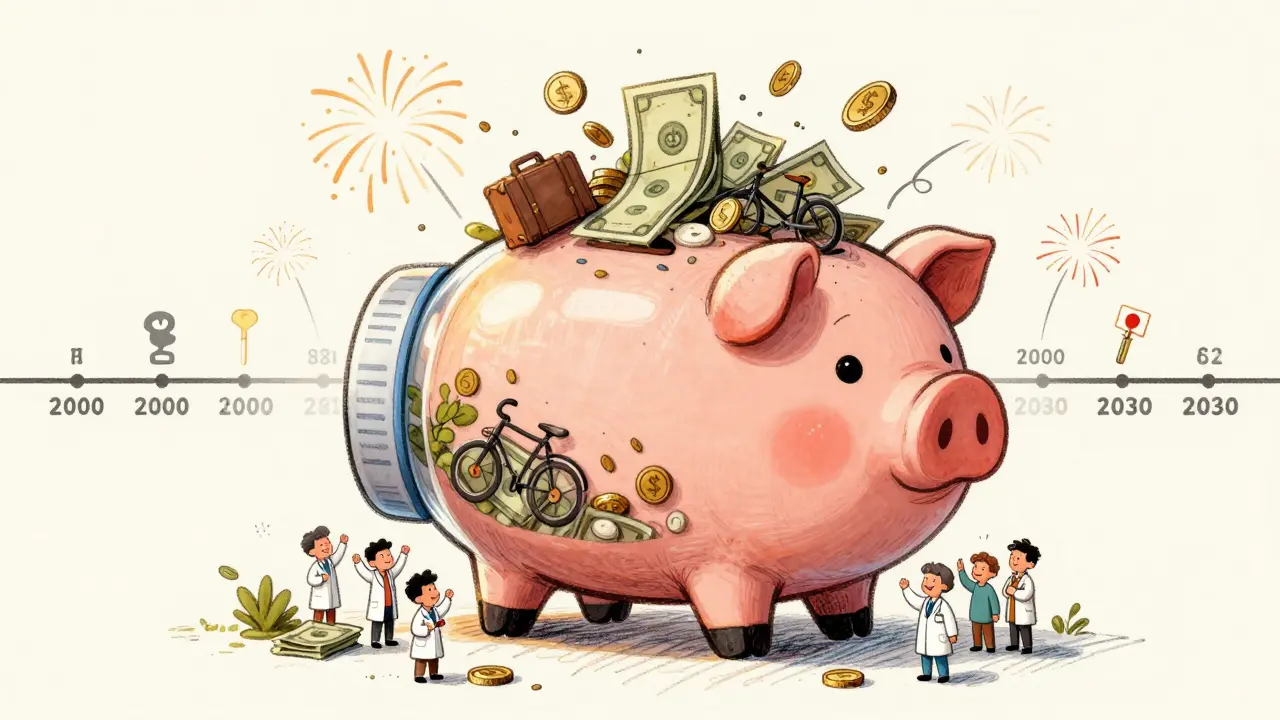
How to Start Saving Today
You don’t need to wait for a new diagnosis or a big life change. Here’s how to start cutting your medication costs right now:- Ask your pharmacist. Every time you refill a prescription, say: “Is there a generic version?” They know the prices better than anyone.
- Use the FDA’s Orange Book. It’s free online. Search your drug name to see if a generic exists and who makes it.
- Check for patient assistance programs. Many brand-name companies offer discounts if you qualify based on income-even for their own drugs.
- Compare prices at different pharmacies. A generic might cost $4 at Walmart, $12 at CVS. Use apps like GoodRx to find the lowest price.
- Ask about 90-day supplies. Many generics are cheaper when bought in bulk. A 90-day supply can cut your monthly cost by 20%.
What’s Next? The Future of Generic Medications
The pipeline is full. Around $150 billion in brand-name drug sales will lose patent protection between 2023 and 2027. That means more generics hitting the market-faster and cheaper. Biosimilars-generic versions of complex biologic drugs for conditions like rheumatoid arthritis and cancer-are now entering the market. These could save the U.S. healthcare system another $300 billion over the next decade. The Inflation Reduction Act of 2022 capped insulin costs at $35/month for Medicare patients. That’s a start. More policies like this are coming. The bottom line? Generics aren’t going away. They’re expanding. And the savings? They’re only getting bigger.Final Thought: Your Health Is Worth More Than a Brand Name
You don’t need the most expensive pill to stay healthy. You need the right one. And for chronic conditions, that’s almost always the generic. The money you save isn’t just cash. It’s peace of mind. It’s not choosing between medicine and groceries. It’s being able to see your grandkids grow up without being tied to a hospital bed. Start asking. Start switching. Start saving.Are generic drugs really as effective as brand-name drugs?
Yes. The FDA requires generic drugs to have the same active ingredient, strength, dosage form, and route of administration as the brand-name version. They must also be bioequivalent-meaning they deliver the same amount of medicine into your bloodstream at the same rate. Studies show no difference in health outcomes for conditions like high blood pressure, diabetes, or depression.
Why do some people feel different after switching to a generic?
The active ingredient is the same, but the inactive ingredients-like fillers, dyes, or coatings-can vary. These don’t affect how the drug works, but in rare cases, they might cause mild side effects like stomach upset or skin reactions. If you notice something new, talk to your pharmacist. There are often multiple generic versions available, and switching to another one usually fixes the issue.
Can I save money by switching to generics if I’m on Medicare?
Absolutely. Medicare Part D covers generics at much lower copays than brand-name drugs. Since 2022, the Inflation Reduction Act also caps insulin costs at $35 per month for Medicare users. Many Medicare Advantage plans also offer Medication Therapy Management (MTM) services where pharmacists help you find the most affordable options, including generics.
Are there any chronic conditions where generics aren’t available?
Most common chronic conditions-like hypertension, diabetes, high cholesterol, asthma, and thyroid disorders-have widely available generics. Some newer biologic drugs for conditions like rheumatoid arthritis or multiple sclerosis still lack generics, but biosimilars (similar, lower-cost versions) are now entering the market. Check with your pharmacist or use the FDA’s Orange Book to see what’s available.
How do I know if a generic is right for me?
Talk to your pharmacist. They can check your current prescriptions, compare prices, and confirm if a generic is available and appropriate. Your doctor can also help, but pharmacists are medication experts who track pricing and alternatives daily. If cost is a barrier, ask: “Is there a generic that’s just as safe and effective?” You’ll almost always get a yes.
Matt W
February 3, 2026 AT 15:37Just switched my dad to generic lisinopril last month-he’s been on it for 12 years and never even knew he was getting robbed. Now he’s got an extra $400 a year for his fishing trips. Dude cried when he saw the receipt. Generics aren’t cheap-they’re justice.
Also, GoodRx saved us $90 on his metformin. Why do people still pay full price? 🤦♂️
Bridget Molokomme
February 3, 2026 AT 18:14Oh wow so generics are actually… good? Shocking. I thought they were like those $3 knockoff AirPods that die after two weeks.
Turns out the FDA doesn’t suck. Who knew? 🙃
Monica Slypig
February 5, 2026 AT 15:54USA made this possible and now some hippie from India is telling us how to live? My grandpa paid full price for his pills and he never complained. You think your cheap generics are ‘saving lives’? Nah. They’re just making people lazy. Real Americans don’t need handouts. And stop with the ‘bioequivalent’ jargon-sounds like a scam to me.
Also typoed ‘generic’ three times. Not my problem.
Becky M.
February 7, 2026 AT 12:12My mom has been on levothyroxine for 20 years. Switched to generic after her insurance dropped the brand. She said she felt fine-same energy, same sleep, same no more brain fog.
But then she got the blue pill instead of the white one and panicked for a week. Turned out it was just a different filler. Took her 3 tries to find one that didn’t make her stomach grumble. Pharmacist was a lifesaver.
Don’t assume all generics are the same. Ask for the one with the least weird fillers. And yes, they’re all legit. Just… pick your flavor. 😊
jay patel
February 7, 2026 AT 18:53Bro in India we had to wait 6 months just to get a single vial of insulin back in 2010, and now our generics cost less than a street taco. I saw a lady cry because she could finally afford her diabetes meds without selling her gold bangles.
And here you guys are arguing about pill color? Man. We don’t have the luxury of being picky. We just need the damn thing to work. And it does. Every single time.
Also, I tried to type ‘bioequivalent’ but my phone autocorrected it to ‘bioweirdo’-my bad. But the point stands. Generics are the real MVPs. Stop overthinking. Just switch. Your bank account will thank you. And your future self too.
PS: My cousin in Texas pays $12 for metformin. I pay $1. We both live. So what’s the problem?
Ansley Mayson
February 9, 2026 AT 02:46Generic drugs save money. Big deal. So do skipping meds. But you’re not addressing the real issue: why are brand-name drugs so overpriced in the first place? Pharma CEOs make millions while people ration insulin.
Also, 97% of prescriptions are generic? That’s not a win. That’s a system failure.
And no, I’m not switching. I like my blue pills.
Eli Kiseop
February 9, 2026 AT 12:36Wait so generics are literally the same thing but cheaper? Like… how is that even legal? I always thought the brand was stronger because it cost more. I’m gonna check my prescriptions right now. Maybe I’ve been wasting money for years. 😳
Ellie Norris
February 11, 2026 AT 11:34Just found out my asthma inhaler has a generic-saved me £45 a month. My UK NHS prescription is £9.90 but I paid £50 before switching. My pharmacist gave me a sticky note with the generic name and I thought she was joking. She wasn’t.
Also, the new generic tastes slightly metallic. Weird. But it works. I’m not complaining. 🙌
Marc Durocher
February 12, 2026 AT 21:08My uncle took brand-name Lipitor for 15 years. Switched to generic after his card got declined at the pharmacy. He thought he was gonna die. He didn’t. He’s now biking 10 miles a day and saving $2,000 a year.
Meanwhile, I’m sitting here with my $180/month brand-name antidepressant because I’m scared to switch. I think I’m more afraid of the placebo effect than the actual meds.
Maybe I need to stop being a drama queen. 🤷♂️
larry keenan
February 14, 2026 AT 14:40The pharmacoeconomic implications of generic substitution are profound, particularly in the context of chronic disease burden and healthcare expenditure optimization. The FDA’s bioequivalence standards, while statistically robust, do not account for inter-individual pharmacokinetic variability, which may influence therapeutic outcomes in subpopulations with polymorphic metabolic enzyme expression.
Furthermore, the assertion that generic adoption correlates with improved adherence is confounded by selection bias in observational studies. Controlled trials remain limited in scope.
That said, the cost differential is undeniable. A pragmatic approach, informed by patient-specific factors, is warranted.