
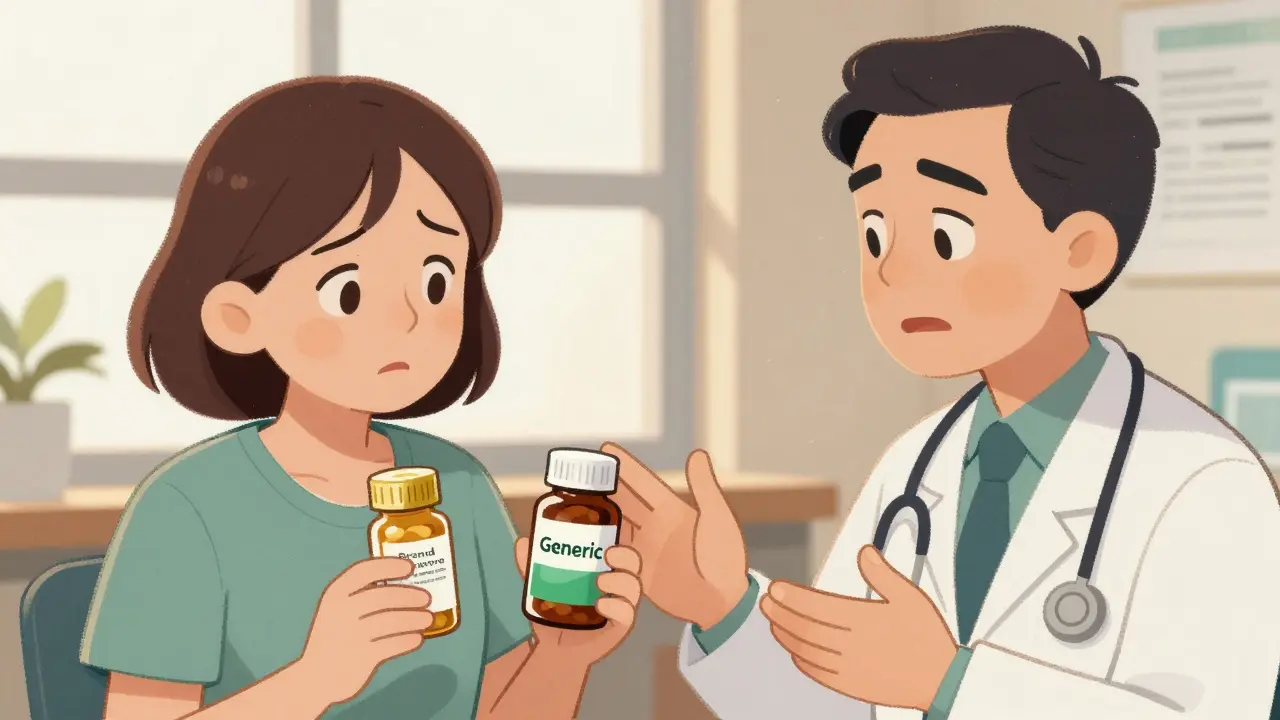
When a doctor prescribes a medication, most patients assume the pill they pick up at the pharmacy is just as good as the brand-name version. But what if they don’t believe it? What if they think the generic version doesn’t work as well-even when science says it does? This isn’t just about price. It’s about perception, and perception directly shapes whether patients take their medicine as directed.
Generic drugs make up over 90% of prescriptions filled in the U.S. today. Yet they account for less than a quarter of total drug spending. Why? Because patients often stick with brand-name drugs even when generics are cheaper and equally effective. The gap isn’t in quality-it’s in trust. And measuring that trust isn’t as simple as asking, “Are you satisfied?”
How Do We Even Measure Satisfaction With Generics?
There’s no single way to ask a patient if they’re happy with their generic medication. Researchers use tools built for precision. One of the most widely used is the Generic Drug Satisfaction Questionnaire (GDSQ), a 12-item survey that breaks satisfaction into three parts: effectiveness, convenience, and side effects. Each item is scored, and the total gives a reliable picture-Cronbach’s alpha values between 0.78 and 0.89 mean it consistently measures what it claims to.
But surveys alone can be misleading. People often say they’re satisfied because they think that’s what the researcher wants to hear. Studies show self-reported satisfaction can be inflated by nearly 19% just because patients know they’re being studied. That’s the Hawthorne effect in action.
More advanced methods exist. Discrete choice experiments (DCE) ask patients to pick between hypothetical drug options with different prices, dosing schedules, and perceived effectiveness. In one 2024 study, 72% of patients expressed dissatisfaction with at least one generic they’d tried-not because it failed clinically, but because they believed it was less effective. Machine learning models now predict acceptance with 89.7% accuracy by analyzing 15 variables: age, income, education, prior experience, provider communication, and more.
What Do Patients Actually Say?
Real-world stories tell a clearer story than statistics. On Reddit’s r/pharmacy, users share raw experiences:
- “Switched from brand-name Synthroid to generic levothyroxine and my TSH levels became erratic.”
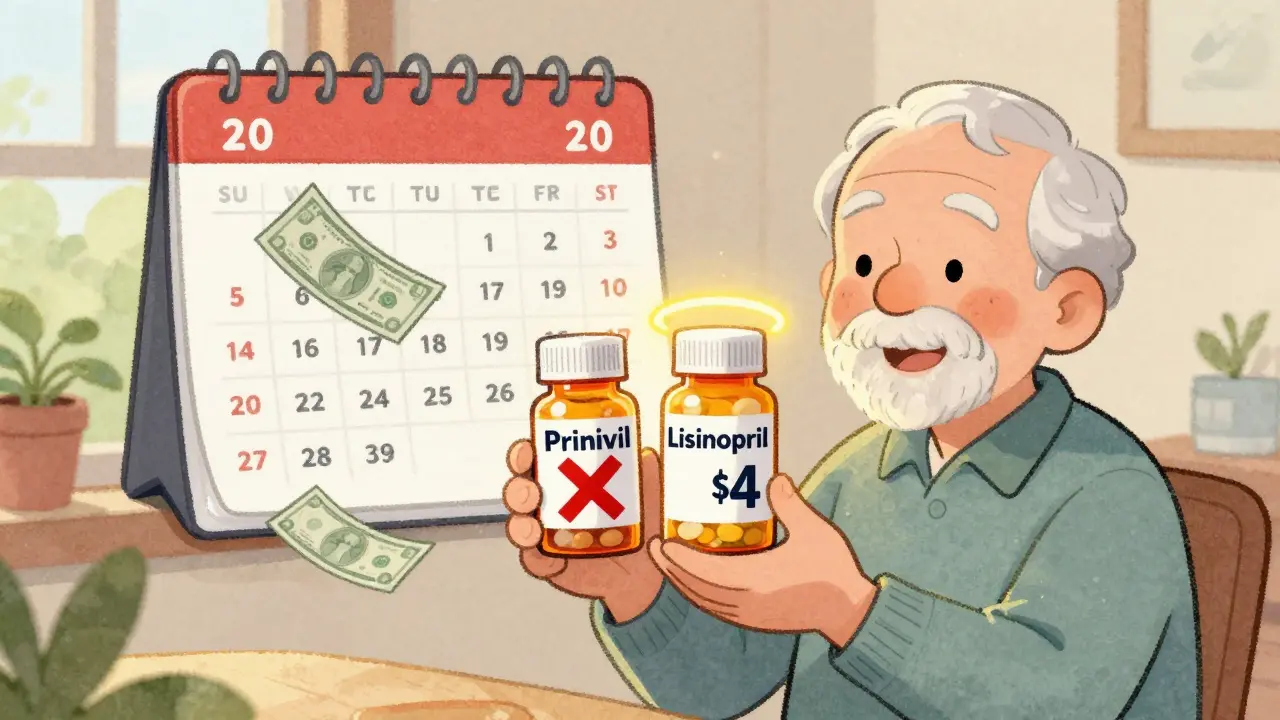
- “Generic lisinopril works exactly the same as Prinivil but costs $4 instead of $40.”
- “I switched to generic statins and my cholesterol didn’t budge. Went back to brand-worked right away.”
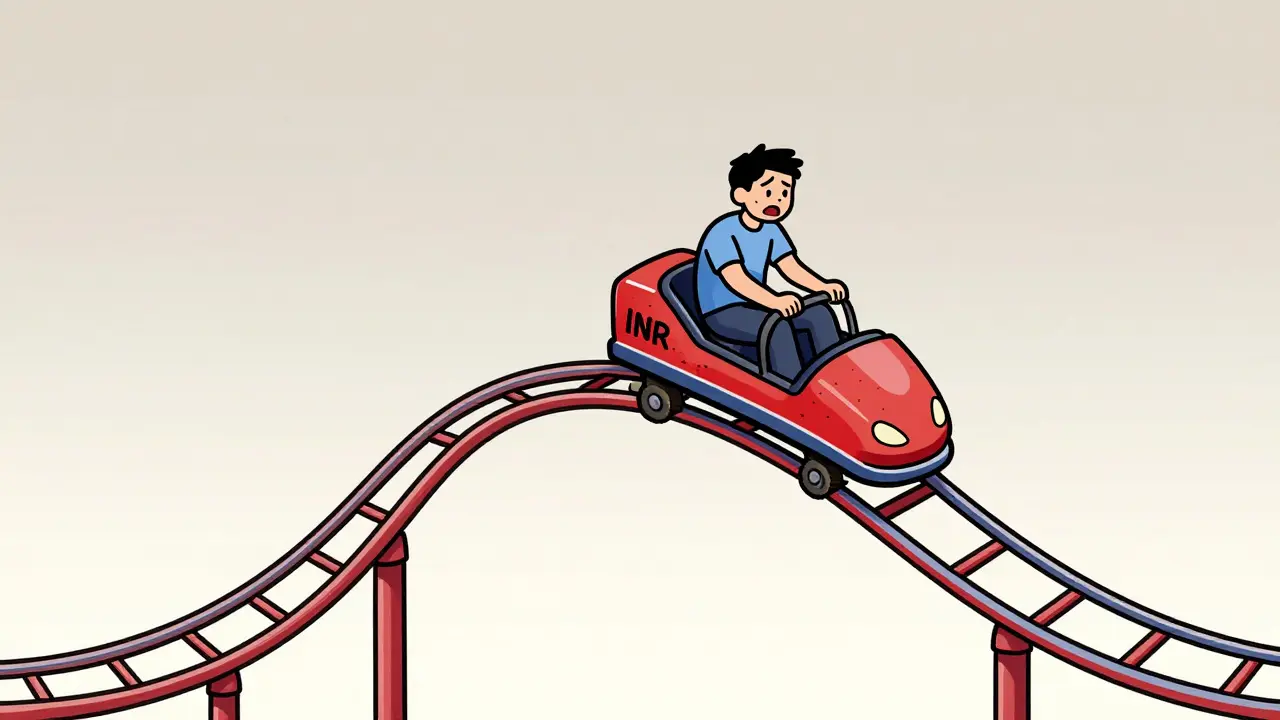
These aren’t outliers. Studies confirm patterns. For antibiotics, satisfaction hits 85.3%. For antiepileptic drugs? Only 68.9%. Why the difference? With antibiotics, missing a dose might mean a lingering cough. With epilepsy, missing a dose could mean a seizure. The stakes feel higher, and so does the fear of change.
Patients report specific complaints: generic aspirin causing stomach upset when the brand didn’t. Generic statins feeling “weaker” even though blood tests show identical cholesterol levels. These aren’t placebo effects-they’re learned associations. If a patient had a bad reaction to one generic version years ago, they’ll avoid all generics from that manufacturer, even if it’s now made by a different company.
Who Believes in Generics-and Who Doesn’t?
Not all patients are the same. Satisfaction varies sharply by demographics.
Employed adults show 82.1% acceptance of generic safety. Those over 60? 71.4%. Why? Older patients often have more experience with medications, but also more chronic conditions. They’re more cautious. Meanwhile, younger, healthier people are more likely to switch if it saves money.
Location matters too. In Saudi Arabia, only 45% of patients believed generics were as effective as international brands. In Greece? 74.9% trusted their safety. Cultural context shapes belief. In collectivist societies, trust in authority figures (like doctors) carries more weight. In individualist ones, personal experience dominates.
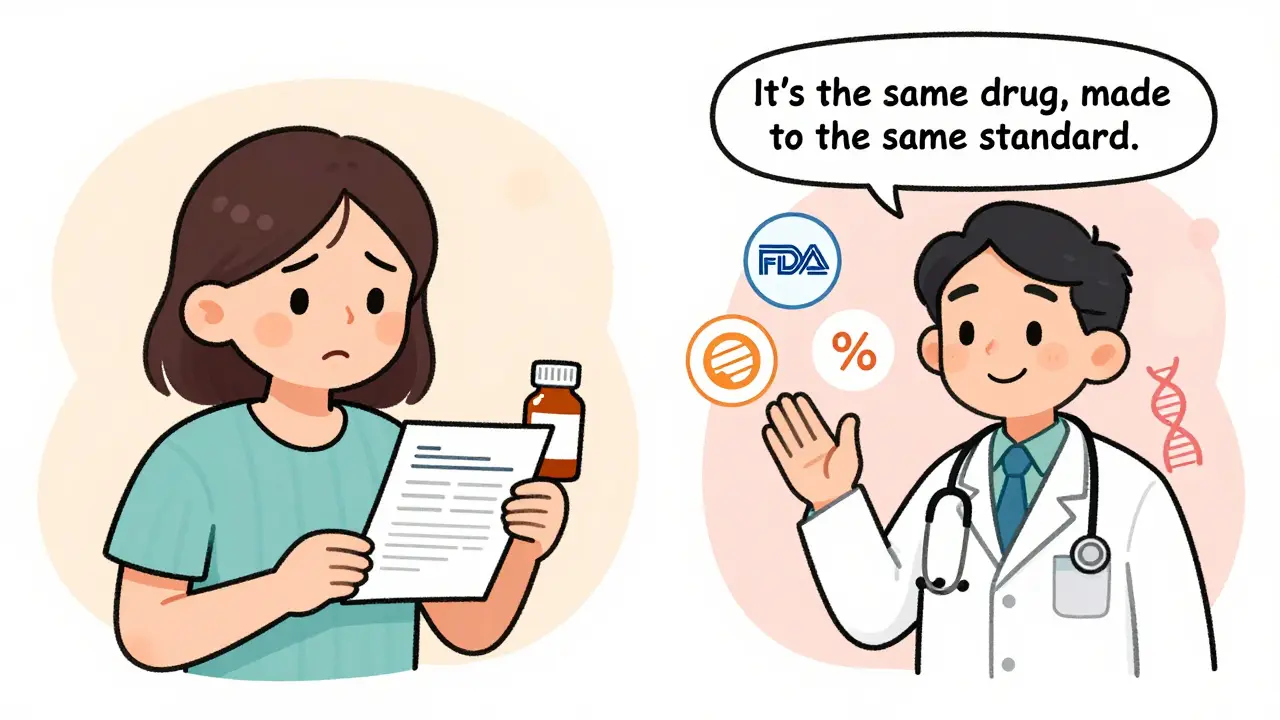
And then there’s the provider. A 2024 study found that when doctors explained FDA bioequivalence standards-specifically that generics must deliver 80-125% of the brand’s active ingredient-patient satisfaction jumped by 34.2%. Patients don’t distrust generics. They distrust the lack of explanation.
Why Does This Even Matter?
Because non-adherence kills. And it costs the U.S. healthcare system $300 billion a year. When patients stop taking their meds because they think the generic doesn’t work, they end up in the ER, on hospital beds, or worse.
Each 10% increase in patient satisfaction with generics leads to a 6.3% rise in generic dispensing rates. That’s not just a win for pharmacies-it’s a win for public health. Better adherence means fewer complications, fewer hospitalizations, and lower long-term costs.
And yet, many providers still don’t talk about it. Pharmacists assume patients know generics are equivalent. Doctors assume patients trust them. But trust isn’t automatic. It’s built through clear, consistent communication.
What’s Being Done About It?
Change is happening. The FDA launched its Generic Drug User Fee Amendments (GDUFA) III Patient Perception Initiative in 2024, investing $15.7 million to build better tools for measuring how patients really feel. In Europe, researchers are using AI to scan half a million social media posts across 28 languages to map cultural attitudes toward generics.
Some clinics are even testing personalized approaches. Mayo Clinic is piloting pharmacogenomic-based satisfaction assessments-using a patient’s DNA to predict how they might respond to a generic version. Early results show a 28.7% improvement in predicting satisfaction compared to traditional surveys.
Meanwhile, the Generic Pharmaceutical Association’s Patient Satisfaction Toolkit has trained over 12,000 healthcare workers in 37 countries. It’s not fancy. It’s simple: teach providers to say, “This generic is FDA-approved to work just like the brand. Here’s why.”
The Big Lie: Generics Are Inferior
Let’s be blunt: generics are not inferior. They contain the same active ingredients. They’re held to the same manufacturing standards. They’re tested for bioequivalence. The FDA doesn’t approve generics that are less effective.
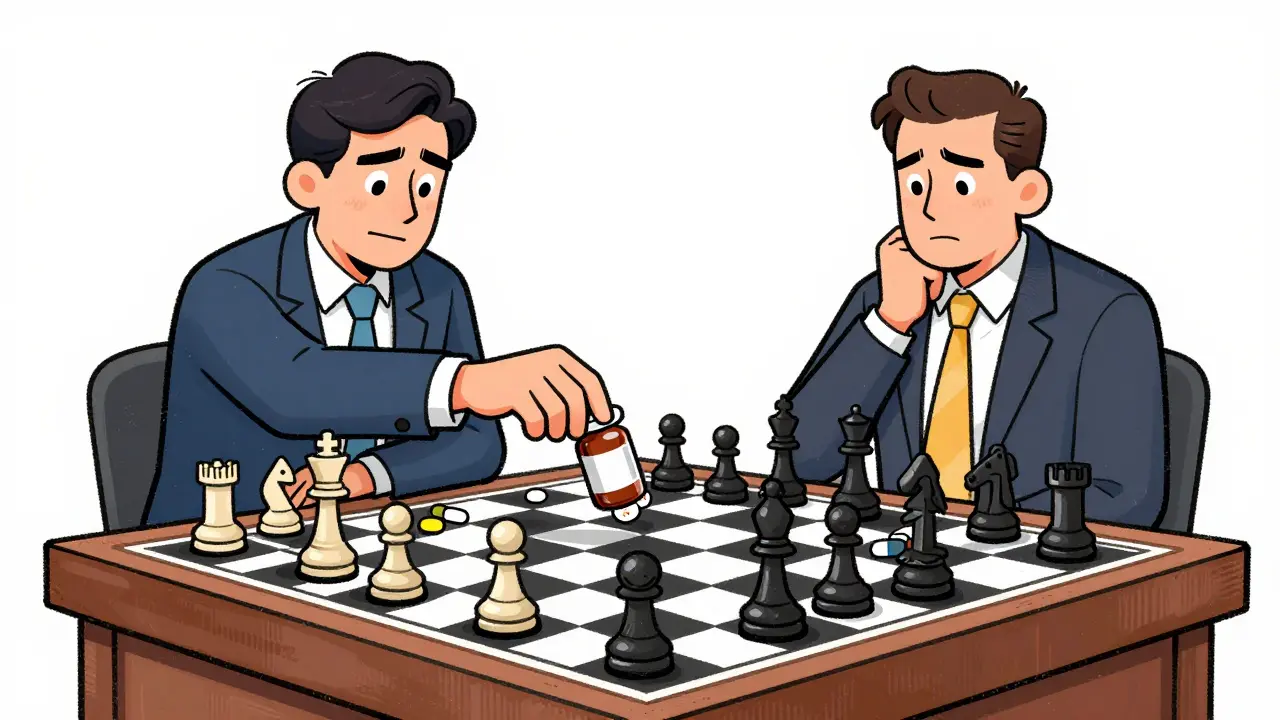
But perception isn’t governed by science. It’s governed by stories, fear, and memory. A patient who had a bad experience with one generic will assume all generics are risky. A doctor who says, “I’d take the brand myself,” reinforces that fear-even if they don’t mean to.
What’s needed isn’t more studies. It’s better conversations. Patients don’t need a 12-item survey. They need a 30-second explanation from the person they trust.

What Can Patients Do?
If you’re on a generic and feel something’s off:
- Don’t stop taking it. Talk to your provider.
- Ask: “Is this generic FDA-approved to be the same as the brand?”
- Request a blood test if you’re on a drug with narrow therapeutic index-like thyroid meds, warfarin, or seizure drugs.
- Keep a simple log: “On generic, I felt X. On brand, I felt Y.”
Most of the time, you’ll find no difference. But if you do? That’s valuable data-for you and for future patients.
What Can Providers Do?
As a prescriber or pharmacist:
- Don’t assume patients know generics are equivalent.
- Explain bioequivalence in plain language: “It must deliver 80-125% of the brand’s effect. That’s not a guess-it’s a legal requirement.”
- Use phrases like: “I prescribe this generic to my own family.”
- Don’t say, “It’s just as good.” Say, “It’s the same drug, made to the same standard.”
- Track your patients’ satisfaction. Ask them, simply: “Has switching to this generic been okay for you?”
Small shifts in language lead to big shifts in adherence.
Final Thought: It’s Not About the Pill. It’s About the Trust.
Generics are safe. They’re effective. They’re cheaper. But unless patients believe that, none of it matters.
Measurement tools give us data. But real change comes from connection. A conversation. A reassurance. A moment when a provider looks a patient in the eye and says, “I trust this drug. You can too.”
That’s what moves the needle-not another survey, not another study, not another marketing campaign. Just honest talk.
Joanna Reyes
February 22, 2026 AT 14:53It’s wild how much perception matters here. I’ve been on generic levothyroxine for years, and yeah, my TSH was all over the place at first-but it wasn’t the drug. It was the timing. I started taking it with food because I forgot, then switched back to empty stomach, and boom-stable. No brand needed. But I get why people panic. If your body’s been screaming ‘something’s off’ for weeks, you’re gonna blame the pill, not your routine. The real issue? Nobody tells you this stuff. Pharmacists hand you the script, say ‘it’s the same,’ and leave. We need more hand-holding, not more surveys.
Nerina Devi
February 24, 2026 AT 09:24In India, generics are the only option for most people. We don’t have the luxury of choosing brand names. But here’s the thing-people trust them because they work. My aunt has been on generic metformin for 12 years. No side effects. No hospital visits. The fear isn’t from experience-it’s from marketing. Big pharma spends billions convincing people their $200 pill is ‘premium.’ Meanwhile, the $2 pill saves lives. We need more stories like mine-not data points.
Dinesh Dawn
February 24, 2026 AT 12:38My dad’s on generic lisinopril. He switched last year. Cost dropped from $45 to $3. He didn’t even notice a difference. But he still calls it ‘the blue pill’ like it’s a different thing. I think that’s the real problem-naming. If we called generics what they are-‘same drug, different label’-maybe people wouldn’t freak out. Also, side effects? Sometimes it’s just the filler. Different manufacturers use different inactive ingredients. That’s why one generic gives you a stomachache and another doesn’t. Not the active ingredient. Just the junk around it.
Vanessa Drummond
February 25, 2026 AT 13:25I had a panic attack last year because my generic statin made me feel ‘foggy.’ I went back to the brand. Felt fine. Then I found out my bloodwork was identical. I was just scared. I’m not stupid. I know science. But fear doesn’t care about stats. And no one told me that the ‘foggy’ feeling was probably just anxiety about switching. We need doctors to say: ‘This is normal. It’s not the drug. It’s your brain.’ Not ‘trust me.’ Not ‘it’s the same.’ Say: ‘Your fear is real. But the pill isn’t the enemy.’
kirti juneja
February 27, 2026 AT 11:20Let’s be real-generics are the unsung heroes of healthcare. I’ve been a nurse for 18 years. I’ve seen people choose between rent and meds. Generics? They’re the difference between life and death. And yet, we treat them like second-class citizens. I had a patient last month who cried because she thought her generic insulin was ‘fake.’ She’d been using it for six months. Her A1C was perfect. But she’d read some Reddit post about ‘toxic fillers.’ We spent 20 minutes showing her the FDA approval letter. She hugged me. That’s the work we need to do. Not more surveys. More human moments.
Haley Gumm
March 1, 2026 AT 09:03Oh wow. Another ‘trust the system’ essay. Let me guess-you work for the GDUFA? Or maybe you’re a pharma rep in disguise? Here’s the truth: I’ve had three different generics for the same drug. One gave me hives. One made me vomit. One did nothing. Guess what? They’re not all the same. Bioequivalence my ass. 80-125%? That’s a fucking range. If my body responds to 85% and the brand gives me 100%, guess which one I’m taking? The one that doesn’t make me feel like a zombie. Science doesn’t care about my quality of life. I do.
Gabrielle Conroy
March 1, 2026 AT 22:23SO MUCH YES!!! 🙌 I work in a clinic, and I’ve seen this firsthand. A patient came in last week terrified her generic metformin wasn’t working. She’d gained 12 lbs. We checked her levels-perfect. Then I asked: ‘Did you change your coffee?’ Turns out she started drinking it with cream and sugar. The ‘side effects’ were her diet. But she blamed the pill. So I showed her the FDA chart, the bioequivalence graph, and even a video of the manufacturing process. She cried. Said she’d never felt heard. Now she’s helping others. Small talk > big data. Always. 📊❤️
Spenser Bickett
March 3, 2026 AT 10:04generic = bad. brand = good. thats all. science is a cult and the fda is the pope. if you think a pill made in china is the same as one made in switzerland, you’re either a bot or a lobbyist. i’ve seen people go from 100% energy to ‘zombie mode’ after switching. and no, it’s not placebo. it’s chemistry. and you can’t measure chemistry with a survey. you need a blood test. and even then, who’s to say the lab’s accurate? 😂
Christopher Wiedenhaupt
March 3, 2026 AT 20:38While the article presents a compelling argument for improved communication, it overlooks a fundamental issue: the variability in manufacturing standards across global suppliers. The FDA’s bioequivalence range of 80–125% permits significant variation in drug delivery. In some cases, this variation is clinically meaningful, particularly with narrow therapeutic index medications. Furthermore, while patient education is essential, systemic reforms-such as mandatory batch tracking and transparent labeling of manufacturers-are necessary to rebuild trust. Surveys and slogans will not resolve structural gaps in accountability.
John Smith
March 5, 2026 AT 03:06Generics are fine if you’re poor. If you’re rich, you get the real thing. That’s the system. No one wants to admit it, but this whole ‘trust’ thing is just a cover for classism. You think your doctor cares if you live? Nah. They care if you stop complaining. So they hand you a $3 pill and say ‘it’s the same.’ Meanwhile, their kid’s on the brand. Funny how that works.
Shalini Gautam
March 6, 2026 AT 18:54India makes 60% of the world’s generics. We don’t have time for your western drama. Our people take generics because they work. My cousin in rural Bihar has been on generic antiretrovirals for 10 years. Alive. Healthy. No complaints. You think your ‘perception’ matters more than real lives? Stop overthinking. The pill works. Take it. End of story.
Steven Pam
March 7, 2026 AT 03:45I used to be skeptical too. Then I switched my entire family to generics. My wife’s blood pressure? Better. My kid’s asthma inhaler? Same results, half the cost. My mom’s cholesterol? Stable. And no, I didn’t do any lab tests-I just watched how they felt. The difference? I started talking to them about it. Not ‘trust me.’ Not ‘science says.’ I said: ‘This is the same medicine, just cheaper. Let’s see what happens.’ And we saw. No drama. No panic. Just life. Maybe the answer isn’t more data. Maybe it’s just… trying.
Timothy Haroutunian
March 8, 2026 AT 10:56Look, I get it. You’re trying to make people feel better about taking cheap pills. But here’s the truth: generics are a cost-cutting measure dressed up as healthcare innovation. The FDA doesn’t require identical bioavailability. It requires ‘close enough.’ And ‘close enough’ means some people get 80%, others get 125%. That’s not science. That’s a gamble. And if you’re the one stuck with the 80%? You’re out of luck. No survey, no pep talk, no ‘I trust this drug’ speech is gonna fix that. The system is rigged. And we’re all just pretending it’s not.
Erin Pinheiro
March 9, 2026 AT 10:51Okay so like… I switched to generic sertraline and I felt like a robot for 3 weeks. My therapist said it was ‘adjustment period.’ But then I switched back to Zoloft and I was myself again. So yeah. Not the same. And no, I don’t care if the ‘active ingredient’ is the same. I care if I can laugh again. Science doesn’t measure joy. Maybe you should try that.
Michael FItzpatrick
March 10, 2026 AT 04:45Let me tell you about Maria. She’s 73, diabetic, on six meds. All generics. She’s been on them for 11 years. No hospital stays. No complications. She doesn’t know what bioequivalence means. She doesn’t care. She knows her pills keep her alive. And she’s not alone. In my neighborhood, 8 out of 10 seniors are on generics. They don’t have the luxury of choice. But they have something better: consistency. They don’t need a 12-item survey. They need someone to say, ‘You’re doing great.’ That’s the real measurement tool. Not a number. A voice. A hand on the shoulder. That’s what moves the needle.