Category: Health and Wellness - Page 3
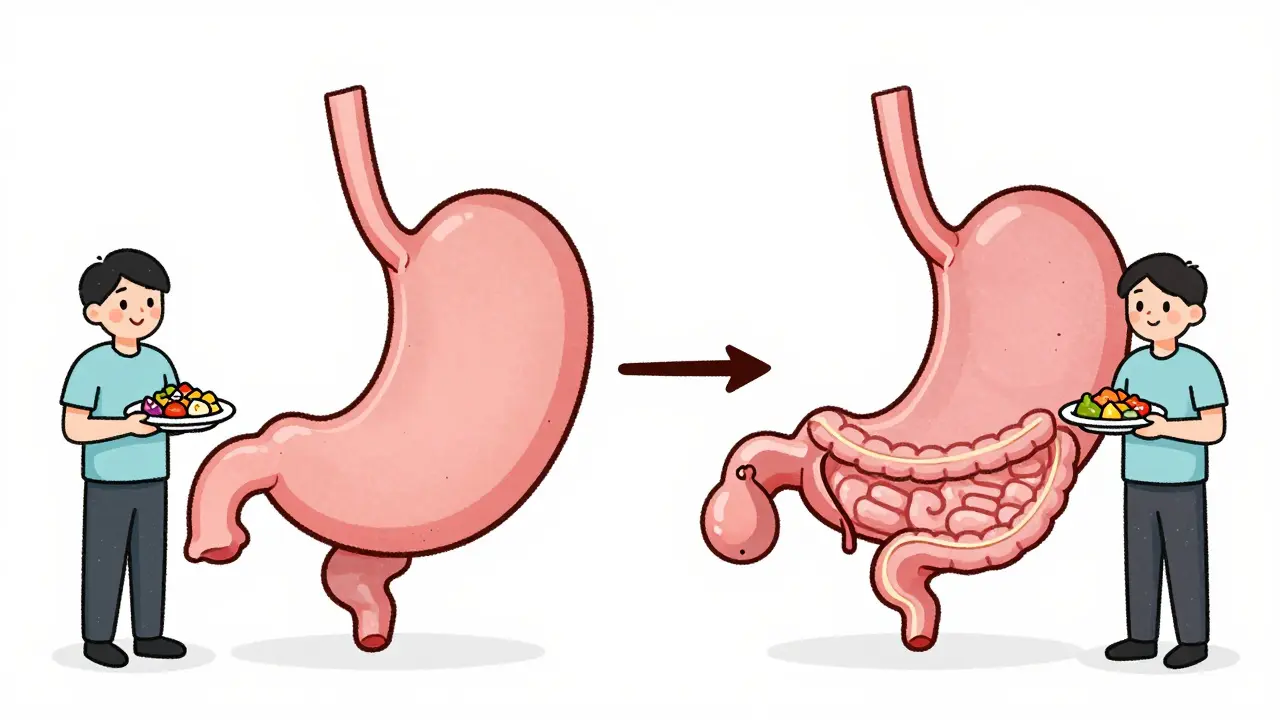
Bariatric Surgery: Gastric Bypass vs. Sleeve Gastrectomy - What You Really Need to Know
Gastric bypass and sleeve gastrectomy are the two most common weight loss surgeries. Learn how they differ in weight loss, risks, recovery, and long-term outcomes to make an informed choice.

Why You Must Tell Your Doctor About Supplements and Herbal Remedies
Many people take supplements and herbal remedies without telling their doctors-but this silence can lead to dangerous drug interactions. Learn why disclosure matters, what to bring to your appointment, and how to talk to your provider safely.

Depression Management: How Medications, Therapy, and Lifestyle Changes Work Together
Depression management combines medication, therapy, and lifestyle changes for lasting relief. Evidence shows that using all three together works better than any single approach, especially for moderate to severe cases.
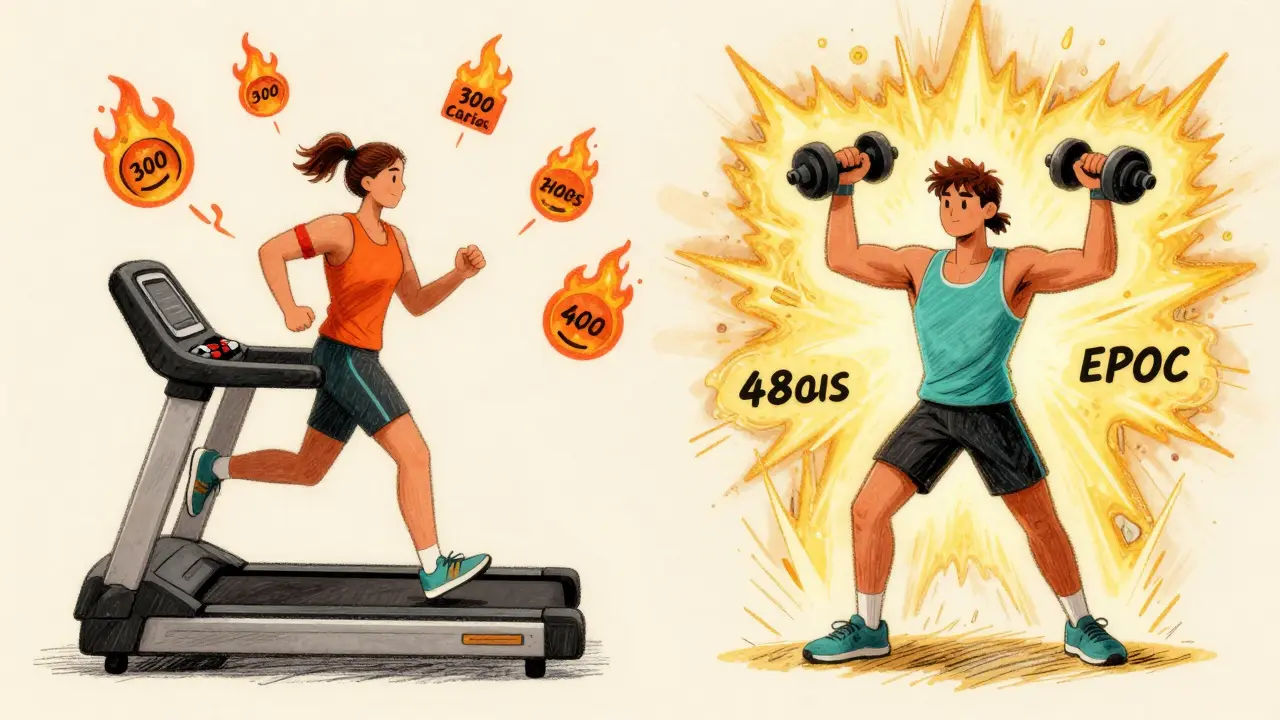
Exercise for Weight Loss: Cardio vs. Strength Training - What Actually Works
Cardio burns more calories during exercise, but strength training boosts your metabolism long after you stop. The best approach for lasting weight loss combines both - not one or the other.

NSAID Sensitivity and Asthma: What Patients Should Watch
NSAIDs like aspirin and ibuprofen can trigger dangerous asthma reactions in some patients. Learn the signs, risks, and safe alternatives for NSAID-sensitive asthma, known as NERD or AERD.
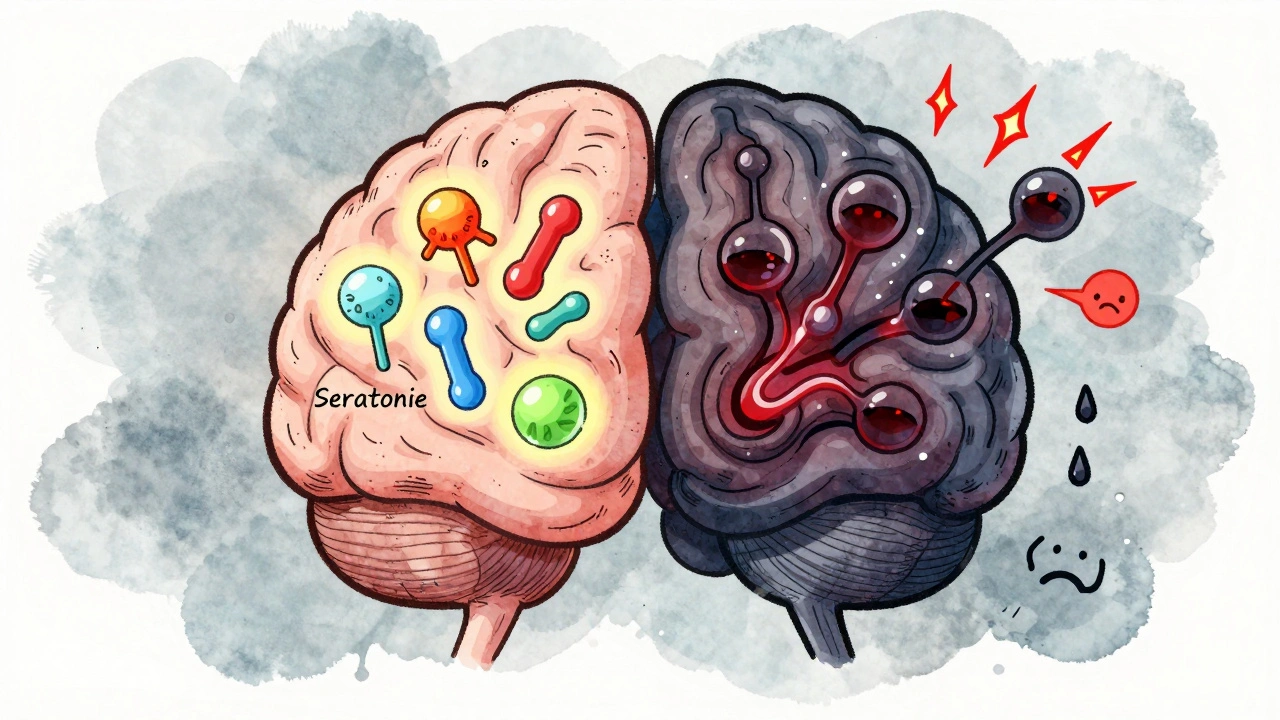
Antidepressants and Alcohol: What Happens When You Mix Them
Mixing antidepressants and alcohol can worsen depression, reduce medication effectiveness, and increase suicide risk. Learn why even one drink can be dangerous and what to do instead.
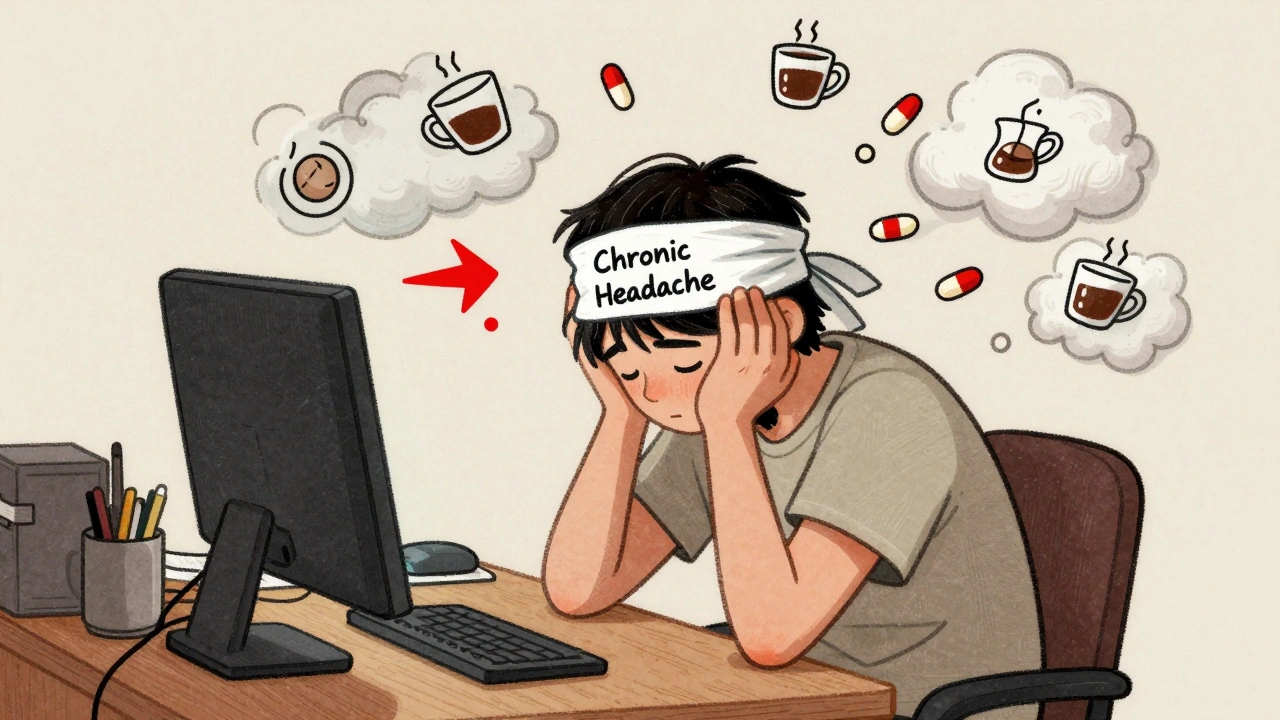
Chronic Tension Headaches: What Triggers Them and How to Stop Them for Good
Chronic tension headaches affect millions, but most don't know the real triggers or effective treatments. Learn what causes them, what actually works, and how to break the cycle - backed by science, not myths.
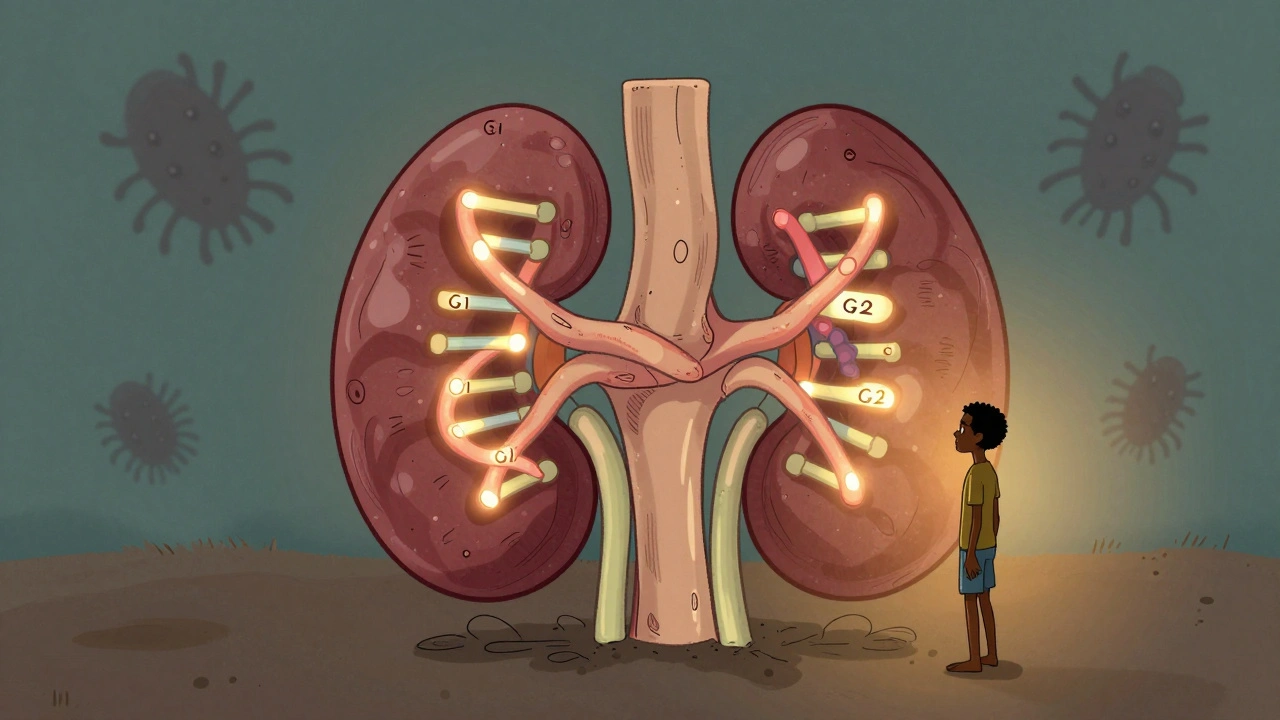
APOL1 Genetic Risk: Understanding Kidney Disease in African Ancestry
APOL1 genetic variants explain most of the higher kidney disease risk in people with African ancestry. Learn how these genes work, who should be tested, and what steps can protect kidney health.
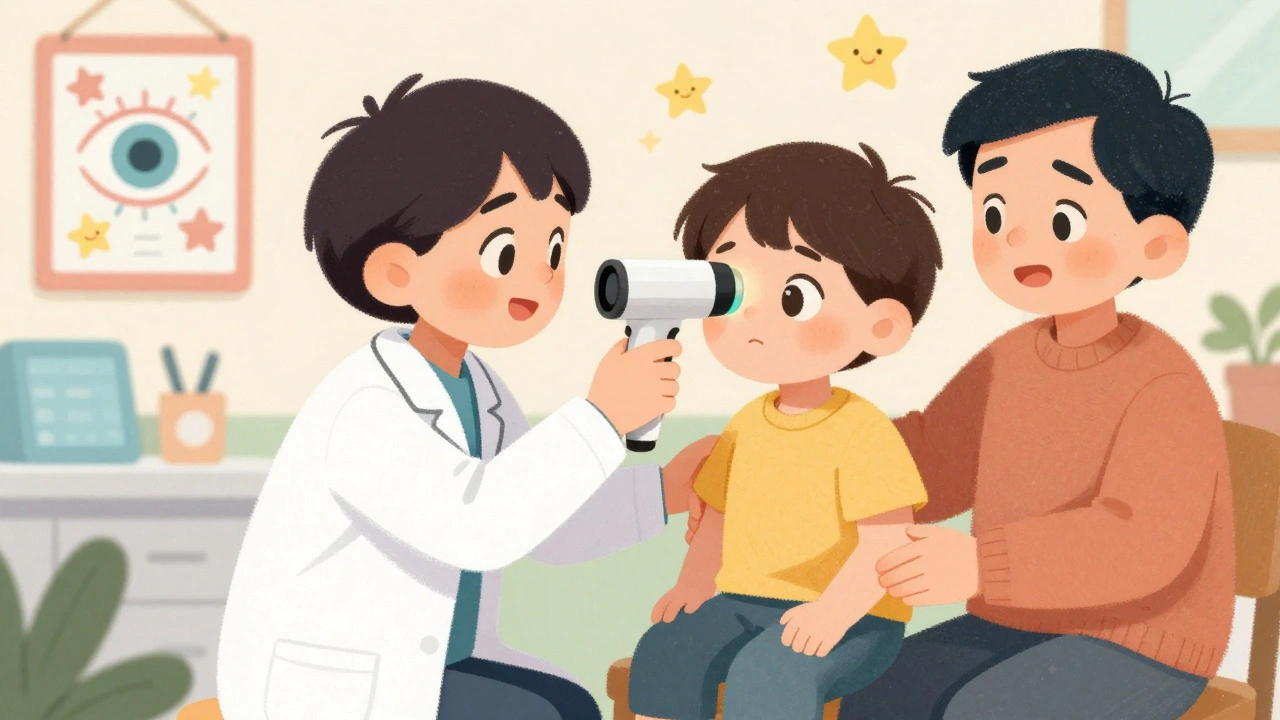
Pediatric Vision Screening: How Early Detection Prevents Lifelong Vision Problems
Pediatric vision screening catches treatable eye problems like amblyopia and strabismus before age 5, preventing lifelong vision loss. Early detection works in up to 95% of cases-delaying screening can make treatment ineffective.
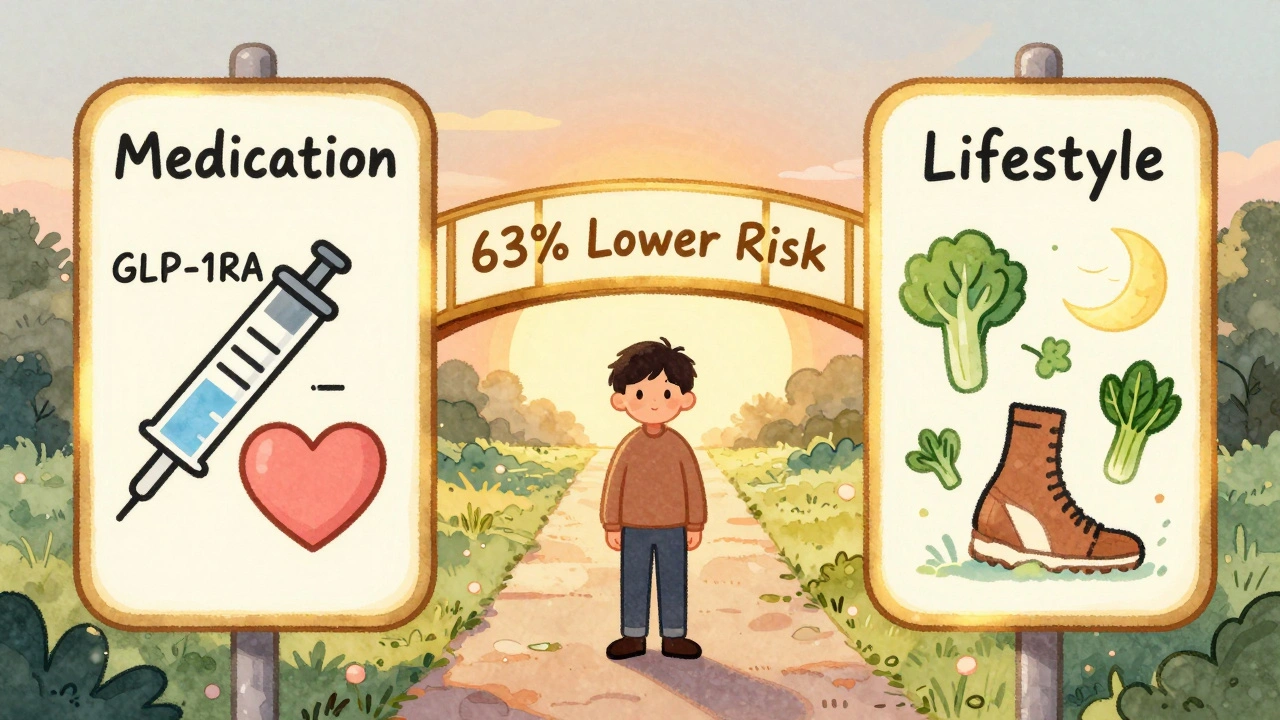
Diabetes and Heart Disease: How Medications and Lifestyle Together Lower Risk
Diabetes greatly increases heart disease risk, but combining GLP-1 RA medications like semaglutide with lifestyle changes-diet, exercise, and weight loss-can cut cardiovascular risk by up to 63%. This is the most effective strategy proven today.