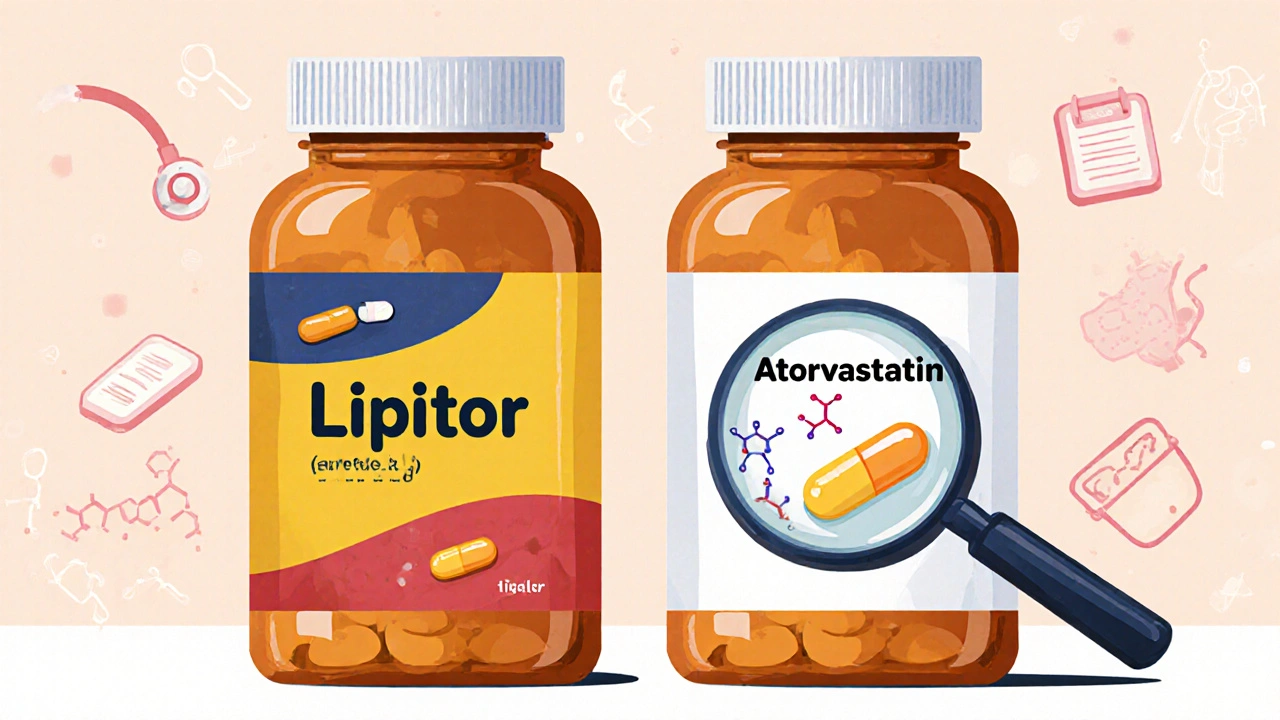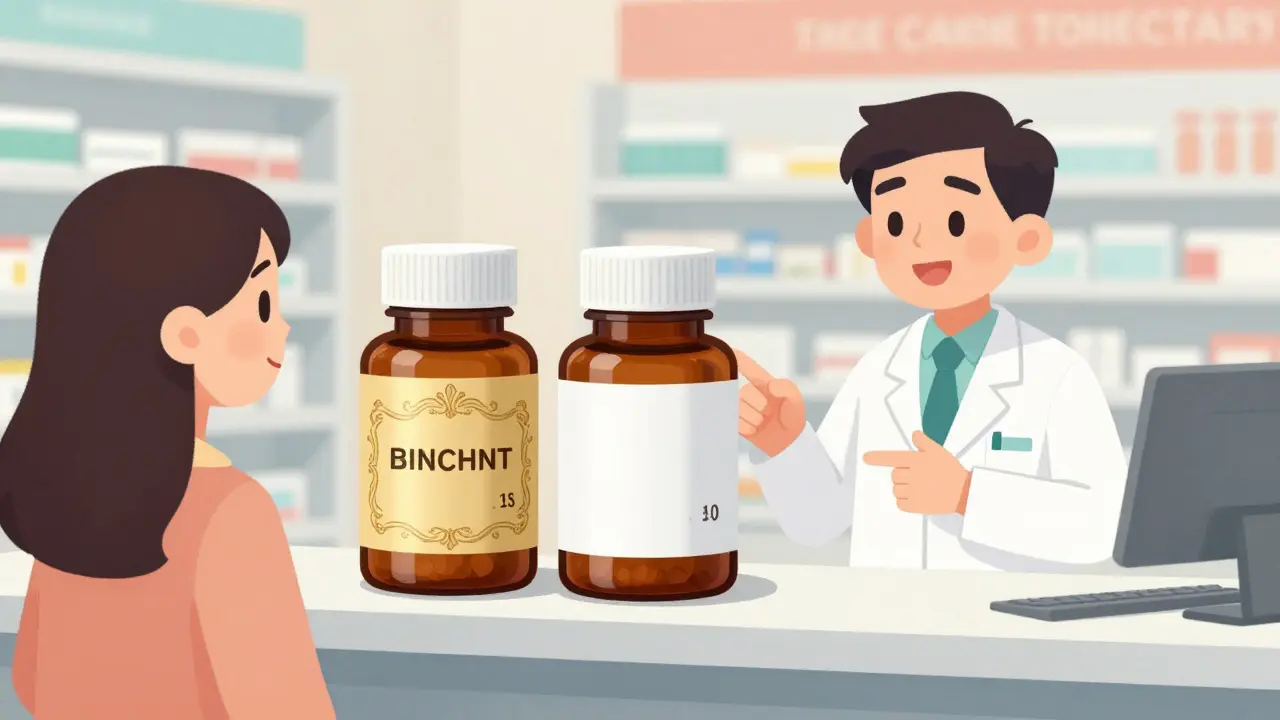
The confusion usually stems from how we talk about "generics." Most people think of traditional generics-drugs made by a different company that must prove they work similarly to the original. Authorized generics are different. They don't need to prove they are "similar" because they are the original product. They are manufactured in the same facilities, using the same processes, and follow the same strict quality rules. If you've ever felt hesitant about switching to save money, understanding this distinction is the key to feeling confident in your choice.
The Secret Behind the Label: How Authorized Generics Work
To understand why these drugs are so reliable, we have to look at the paperwork. Most medications are approved via a New Drug Application (or NDA), which is a massive file of data proving the drug is safe and effective. Traditional generics use a shortcut called an Abbreviated New Drug Application (or ANDA), where the company proves their version is "bioequivalent"-meaning it gets into your bloodstream at a similar rate.
Authorized generics bypass the ANDA process entirely. They are sold under the original NDA. This means they don't have to prove they are "almost the same" because they are the exact same formulation. This is why you won't find them in the FDA's "Orange Book"-the list typically used to check if a generic is a therapeutic equivalent. They aren't "equivalents"; they are clones.
Comparing the Three: Brand, Authorized Generic, and Traditional Generic
It helps to see these three options side-by-side to understand where the trade-offs actually lie. While quality is a wash between brands and authorized generics, the experience can vary slightly when traditional generics enter the mix.
| Feature | Brand Name | Authorized Generic | Traditional Generic |
|---|---|---|---|
| Active Ingredient | Same | Same | Same |
| Inactive Ingredients (Excipients) | Original | Identical to Brand | May vary |
| Manufacturing Process | Original Facility | Original Facility | Different Manufacturer |
| Regulatory Path | NDA | NDA | ANDA (Bioequivalence) |
| Typical Cost | Highest | Mid-Range | Lowest |
One detail that often surprises people is the role of "inactive ingredients." While the active drug is the same in all three, traditional generics can use different fillers or dyes. For 99% of people, this doesn't matter. However, for someone with a rare allergy to a specific dye or filler, an authorized generic is a safer bet because it keeps the exact recipe of the brand name drug.

Does it Actually Work the Same? The Real-World Evidence
You don't have to take the pharmaceutical company's word for it. Real-world data shows that switching to these versions doesn't change health outcomes. A significant study published in PMC tracked over 5,000 patients who switched from brand drugs to generics. The researchers found that those using authorized generics had virtually identical outcomes in terms of hospitalizations and urgent care visits compared to those who stayed on the brand.
Even in specialized areas, like asthma care, the results are consistent. In a community forum for the Asthma and Allergy Foundation of America (AAFA), nearly 87% of patients reported that the authorized generic of Singulair was just as effective as the brand. When people do report a difference, it's usually not about the medicine itself, but things like the shape of the pill or the way the bottle opens.
The Cost-Benefit Equation
Why would a brand-name company release its own drug without a brand name? It's a business move. When a patent expires, other companies rush in with traditional generics to steal market share. By releasing an authorized generic, the original company can keep a slice of that budget-conscious market while still selling the premium brand to those who prefer it.
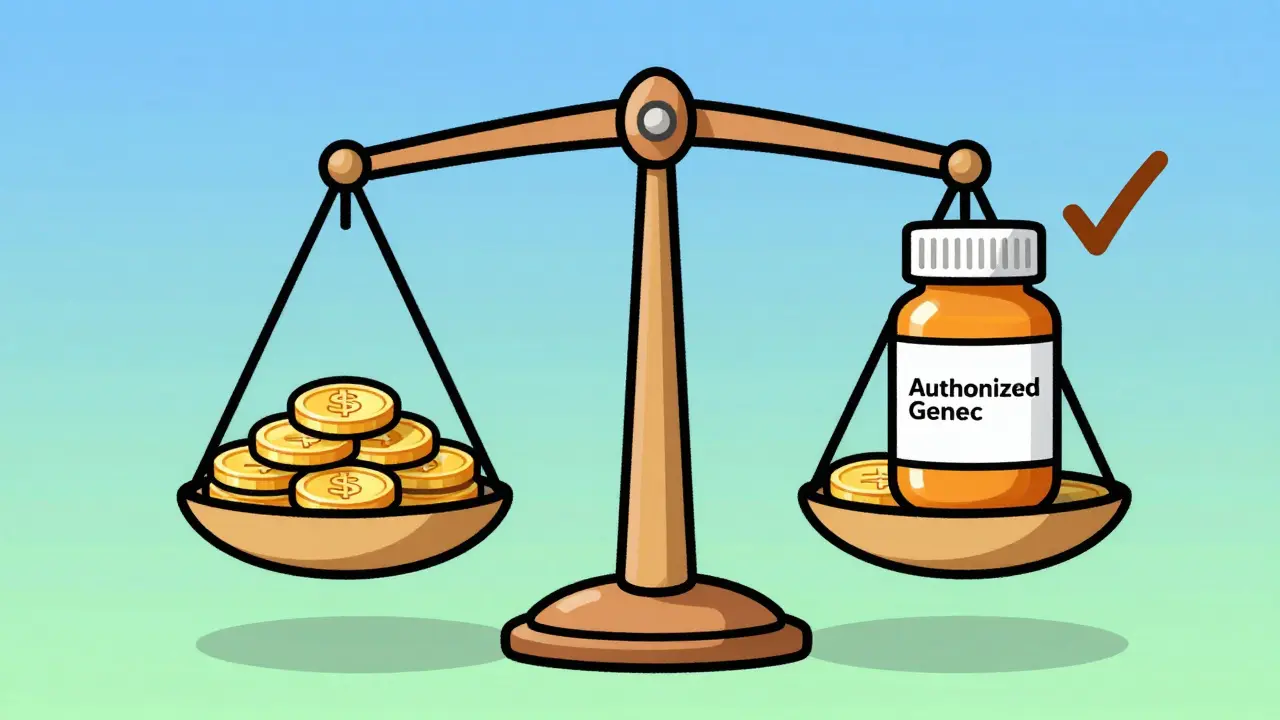
For you, this creates a "middle ground" pricing tier. Authorized generics are usually 15-30% cheaper than the brand name, though they might be slightly more expensive than the cheapest traditional generic. You're essentially paying a small premium over the absolute cheapest option to get the 100% identical formulation of the original brand.
Potential Pitfalls and Things to Watch For
While the drug itself is identical, the system around it can be messy. Some pharmacists might mislabel an authorized generic or tell you it's a "different product" because the packaging looks different. This isn't a quality issue; it's a communication issue. If your medication looks different but the pharmacy confirms it's an authorized generic, you're still getting the same chemistry.
The only real risk is therapeutic substitution error-where a pharmacy might mix up different types of generics. However, because authorized generics share the same Current Good Manufacturing Practices (cGMP) and lot traceability as the brand, the risk of a "bad batch" is the same as it would be for the expensive brand-name version.
Will my insurance cover authorized generics?
Yes, in most cases. Insurance companies generally group authorized generics in the same tier as traditional generics. This means you'll likely pay a lower copay than you would for the brand-name version, even though the medicine is identical.
If they are the same drug, why is the brand name more expensive?
The higher price covers the original research, development, and clinical trials required to get the drug approved. Once the patent expires, the company can sell the drug without the brand name (as an authorized generic) at a lower price because they no longer have to recoup those initial research costs from every single pill sold.
How do I know if I'm getting an authorized generic or a traditional one?
The easiest way is to ask your pharmacist. You can check the manufacturer listed on the bottle. If the manufacturer is the same company that makes the brand-name version, but the bottle doesn't have the brand name on it, it's an authorized generic.
Can I switch from a brand to an authorized generic without a new prescription?
Generally, yes. Because they are therapeutically equivalent and often interchangeable at the pharmacy level, most pharmacists can make the switch. However, always check with your provider if you have a highly sensitive condition where exact formulation is critical.
Are there any side effects in authorized generics that aren't in the brand?
No. Since they use the exact same active and inactive ingredients and the same manufacturing process, the side effect profile is identical to the brand-name drug.
Next Steps for Patients
If you're looking to save money without compromising on quality, start by asking your pharmacist if an authorized generic version of your medication is available. If you have a known sensitivity to fillers or dyes in traditional generics, specifically request the authorized version to ensure you get the original brand formulation.
For those on Medicare or using insurance, review your formulary. Many plans actively encourage the use of these generics to lower costs. If you notice a change in the appearance of your pill, don't panic-just verify with the pharmacist that the manufacturer remains the same as the brand version.