
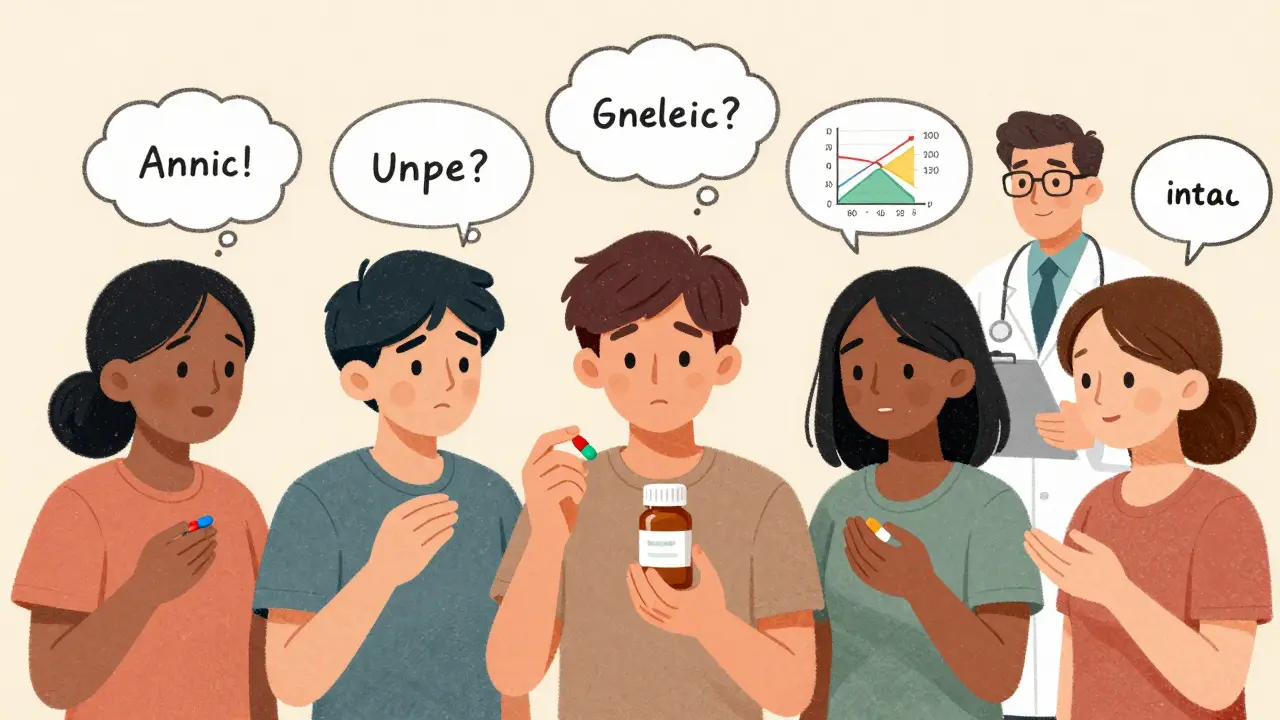
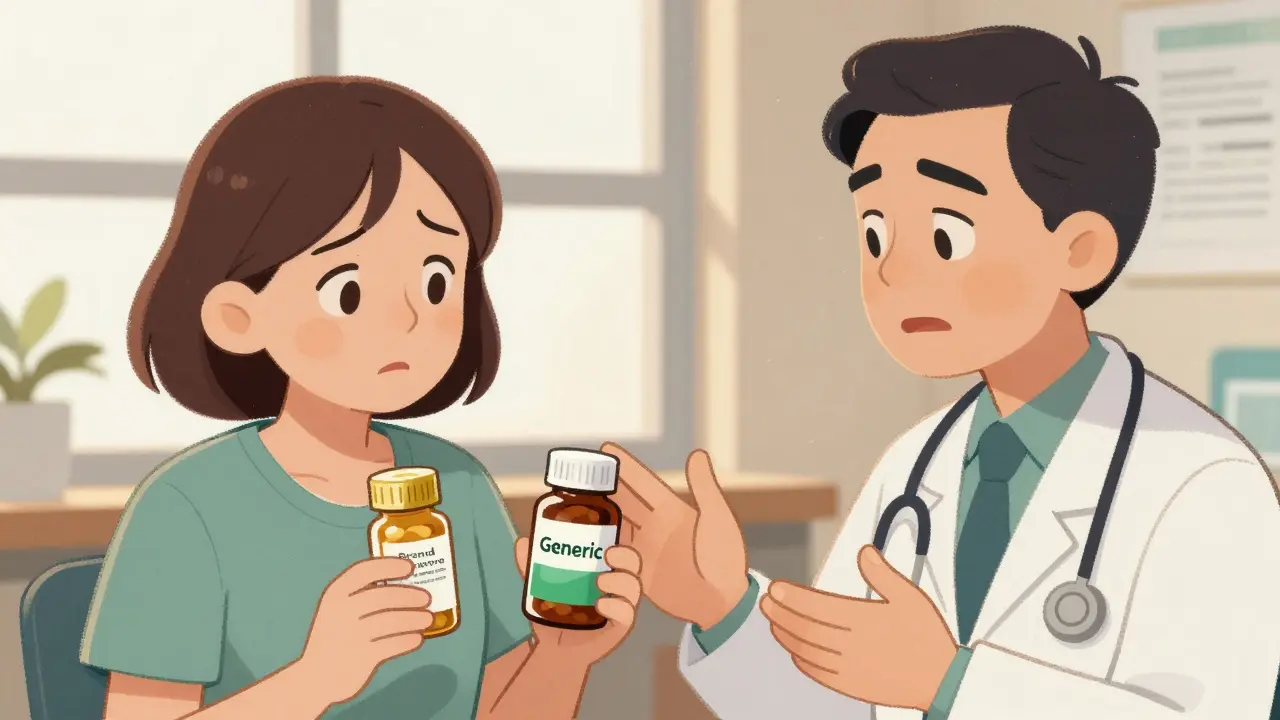
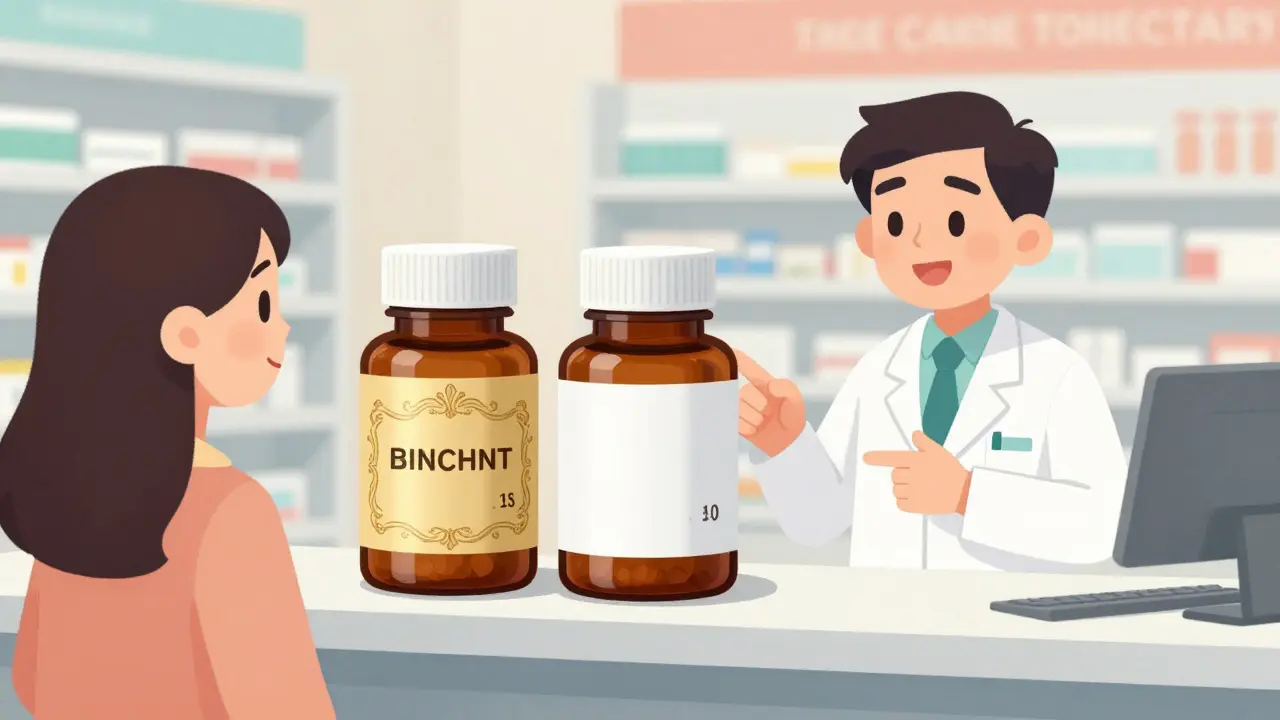
When you pick up your prescription and see a different pill than usual-maybe smaller, white instead of blue, or with a different imprint-it’s natural to wonder: is this the same drug? You’re not alone. Millions of people in the U.S. switch from brand-name drugs to generics every year, often without even being told. The reason? Cost. Generic medications save the U.S. healthcare system about $370 billion annually. But behind that number are real people, real concerns, and real clinical data that paint a more complicated picture than most assume.
What Does ‘Bioequivalent’ Actually Mean?
The FDA requires generics to prove they’re bioequivalent to the brand-name version. That means the generic must deliver the same amount of active ingredient into your bloodstream, within the same time frame, as the original drug. The acceptable range? Within 80% to 125% of the brand’s absorption rate. Sounds tight, right? But here’s the catch: that’s a 45% window. For most drugs, that’s fine. For others, it’s a problem. Drugs with a narrow therapeutic index (NTI) leave little room for error. Think seizure medications like phenytoin or levetiracetam, blood thinners like warfarin, or certain heart drugs. A 10% drop in blood levels might mean a seizure. A 10% rise could mean internal bleeding. That’s why studies show mixed results when switching these specific drugs.The Data on Epilepsy Medications
One of the clearest red flags comes from epilepsy treatment. A study of 760 patients found that after switching from brand-name to generic levetiracetam, nearly 1 in 5 reported worsening symptoms. Blurred vision? 18.7%. Headaches? 24.3%. Mood swings? 11.4%. Memory loss? 7.8%. And worst of all-seizures returned in patients who had been stable for months. Therapeutic drug monitoring showed something even more telling: generic phenytoin delivered 22% to 31% less drug into the bloodstream than the brand version. That’s not a small fluctuation. That’s clinically significant. In one group, 50 patients who were seizure-free on brand-name drugs had breakthrough seizures after switching to generics. Almost half of them had drug levels below their therapeutic range at the time of the seizure. The American Academy of Neurology doesn’t say generics are unsafe. They say: some patients will have problems. And if you’re one of them, your doctor needs to know.Heart Medications: A Surprising Win for Generics
Now flip the script. A massive 2020 study in Nature Scientific Reports followed 8.5 million people in Austria over five years. It looked at 17 common heart and diabetes drugs. The results? Generics were linked to fewer deaths in 10 of the 17 drugs. Fewer heart attacks and strokes in 11 of them. For statins like simvastatin and atorvastatin, patients on generics had a 15% to 22% lower risk of dying. Why? Researchers believe it’s because generics are cheaper, so people take them more consistently. Brand-name versions cost more, and even small price hikes can lead to skipped doses. In this case, the generic wasn’t just equivalent-it was better for adherence. But not all heart drugs follow this pattern. For bisoprolol and nebivolol, some studies show slightly worse outcomes with generics. Why? No one knows for sure. It could be formulation differences, inactive ingredients, or even how the body absorbs the drug over time. The lesson? Don’t assume all generics are the same across all drug classes.What About Blood Pressure Drugs?
A 2017 study in Circulation found that after switching from brand-name to generic blood pressure meds, patients had a 12.3% higher rate of side effects-especially with generic amlodipine. Another Canadian study found a 5.4% increase in emergency room visits after switching. But here’s the twist: the same Canadian study didn’t track the same patients switching drugs. It compared people who took generics to those who didn’t. That’s not the same as measuring what happens when one person switches. Meanwhile, the 2020 Austrian study found that patients on generics were less likely to stop taking their blood pressure pills. Brand-name users had a 23% higher risk of treatment discontinuation. That’s huge. If you’re not taking your medicine, your blood pressure stays high-and that’s far more dangerous than any tiny difference in absorption.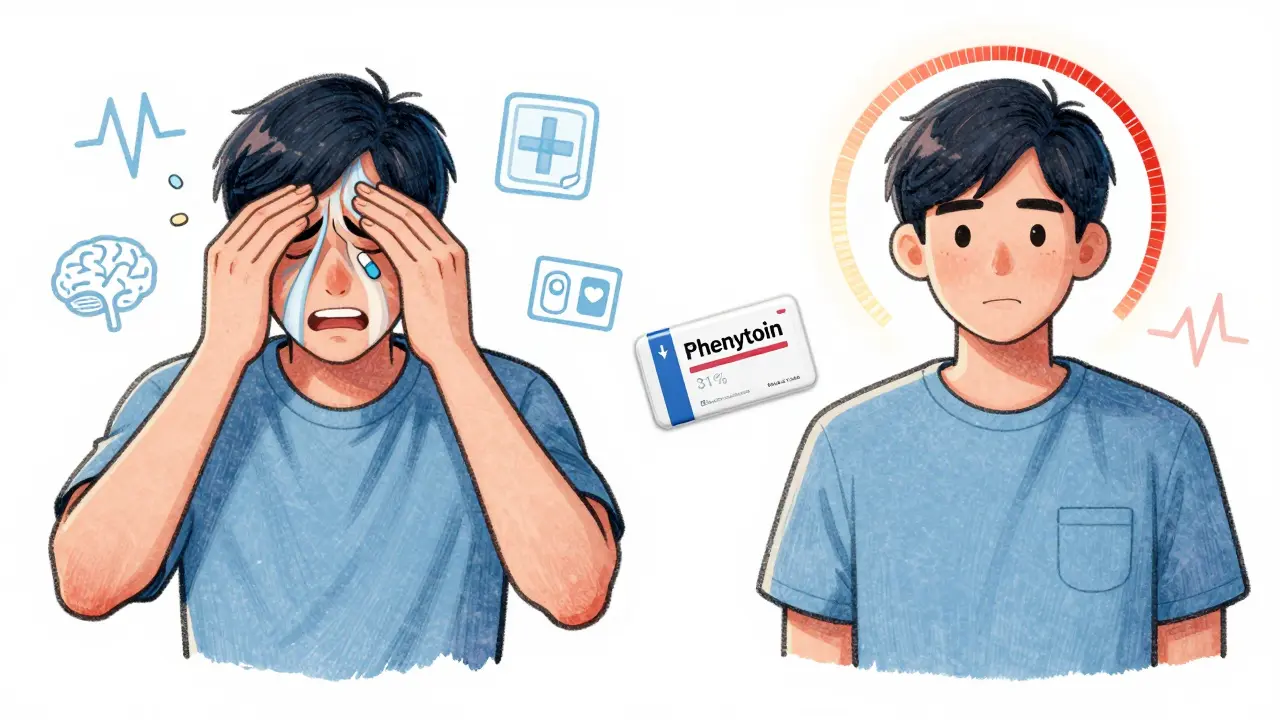
Why Do People Switch Back?
A 2023 study tracked 218 patients over five years. Of those who switched from brand to generic, 12.8% switched back. Why? They felt worse. Some had new side effects. Others noticed their condition wasn’t as stable. One patient said, “I didn’t know I was on a generic until I saw the pill was different. Then I started having panic attacks.” And here’s the scary part: 67% of patients identified their meds by color and shape, not by name. So when a pharmacy switches from one generic manufacturer to another, the pill changes again. One patient got switched between five different generic versions of the same drug over 18 months. He didn’t realize it was the same medication. He thought he was getting new prescriptions.Who Should Be Careful?
Not everyone needs to worry. If you’re taking a generic for high cholesterol, acid reflux, or depression, the odds are you’re fine. But if you’re on one of these, proceed with caution:- Antiepileptic drugs (levetiracetam, phenytoin, carbamazepine)
- Thyroid medications (levothyroxine)
- Blood thinners (warfarin)
- Immunosuppressants (cyclosporine, tacrolimus)
- Some heart rhythm drugs (amiodarone, digoxin)
Who Shouldn’t Be Afraid?
If you’re taking a generic for:- High blood pressure (lisinopril, hydrochlorothiazide)
- Cholesterol (atorvastatin, simvastatin)
- Diabetes (metformin)
- Asthma (albuterol inhalers)
- Antibiotics (amoxicillin)
What Should You Do?
1. Ask your doctor if your medication is one with a narrow therapeutic index. If it is, ask if switching is safe for you. 2. Don’t assume all generics are the same. If your pill changes color or shape, ask the pharmacist if it’s a different manufacturer. 3. Track your symptoms. If you start feeling worse after a switch-more fatigue, dizziness, seizures, mood changes-write it down. Bring it to your doctor. Don’t wait. 4. Know your drug. Learn the generic name. Don’t rely on color or shape. Keep a list of your meds, including manufacturer names if you can find them. 5. Request a brand if you need it. In most states, you can opt out of automatic generic substitution. You’ll pay more, but your health may be worth it.The Bigger Picture
The push for generics isn’t about cutting corners. It’s about making healthcare sustainable. Without generics, millions couldn’t afford their meds. But blanket substitution policies ignore biology. People aren’t lab rats. Their bodies react differently. Genetic differences, age, liver function, other medications-all of it matters. The FDA is starting to take notice. In 2023, they proposed stricter testing for generics of antiepileptic drugs. The European Medicines Agency now advises extra caution for patients with unstable epilepsy or those on multiple drugs. The goal shouldn’t be to ban generics. It should be to switch smarter.Are generic medications as safe as brand-name drugs?
For most medications, yes. Generics meet strict FDA standards for bioequivalence and are just as safe and effective. But for drugs with a narrow therapeutic index-like antiepileptics, thyroid meds, or blood thinners-small differences in absorption can matter. Studies show some patients experience worsened symptoms or side effects after switching. Always talk to your doctor if you feel different after a switch.
Why do some people have seizures after switching to generic epilepsy drugs?
Generic versions of drugs like phenytoin and levetiracetam can sometimes deliver slightly less active ingredient into the bloodstream-up to 31% less in some cases. For people with epilepsy, even a small drop in drug levels can trigger seizures. Studies found that patients who switched from brand to generic often had lower blood levels at the time of breakthrough seizures. Therapeutic drug monitoring can help catch these changes early.
Can I ask my pharmacy to give me the brand-name drug instead of a generic?
Yes. In 49 U.S. states, pharmacists can substitute a generic unless the doctor writes "dispense as written" or "no substitution." You can also ask your doctor to write that on the prescription. You’ll pay more, but if you’ve had problems with generics before, it’s a valid choice.
Why do generic pills look different every time I refill?
There are often multiple manufacturers for a single generic drug. Pharmacies may switch between them based on cost or availability. Each manufacturer uses different colors, shapes, or markings. This can confuse patients and lead to unintentional non-adherence. If you notice your pill looks different, ask the pharmacist if it’s the same medication from a different maker.
Do generics cause more side effects?
For most drugs, no. But for narrow therapeutic index drugs, yes-some patients report more side effects after switching. This may be due to slight differences in absorption, inactive ingredients, or how the body reacts to a new formulation. If you notice new or worsening side effects after switching, document them and talk to your doctor. Don’t ignore it.
Stuart Shield
January 7, 2026 AT 12:10Man, I never thought about how much my pills look like different candy each time I refill. I just assumed it was the same stuff. Then one day I got this tiny yellow oval instead of my big blue one, and I swear I had this weird headache for three days. Didn't connect it until I read this. Now I ask the pharmacist every time - they think I'm weird, but hey, my brain thanks me.
And don't even get me started on how pharmacies rotate generics like it's a game of musical chairs. I had five different versions of levetiracetam in 18 months. None of them looked the same. I kept thinking I was getting new prescriptions. Turns out I was just getting slapped with whatever was cheapest that week.
It's wild how something so tiny - a pill - can make or break your whole life. I'm not scared of generics. I'm scared of the system that treats our bodies like interchangeable parts.
Indra Triawan
January 8, 2026 AT 03:05Life is a cycle of suffering disguised as convenience. We trade control for cost, and then wonder why we feel hollow. The body remembers what the spreadsheet forgets. You think your blood levels are stable? They’re not. They’re dancing to the tune of corporate profit margins. The FDA? A rubber stamp for Big Pharma’s second act. You’re not taking medicine - you’re taking a gamble with your neurons.
Tom Swinton
January 9, 2026 AT 11:31Okay, I need to say this - I’m a nurse, I’ve been on the front lines for 18 years, and I’ve seen this play out a hundred times. Patients come in panicked because their generic seizure med made them feel like they’re underwater, or their thyroid med made them so tired they couldn’t get out of bed - and they didn’t even know they’d been switched! Why? Because the pharmacy didn’t tell them. The doctor didn’t tell them. The system just… moved on.
But here’s the beautiful part - when you DO ask, when you DO track your symptoms, when you DO say, ‘I feel different,’ - you get heard. I had a patient switch back to brand-name phenytoin after three breakthrough seizures, and within two weeks, she was painting again. She hadn’t painted in five years. That’s not just medicine - that’s a soul coming back.
Generics? Great for statins, great for metformin. But for NTI drugs? Treat them like fine wine - same grape, different barrel, different taste. Don’t let cost decide your safety. Your life isn’t a spreadsheet. And if your doctor says ‘it’s the same,’ ask them to show you the bioequivalence data - not the marketing brochure.
And yes, if your pill changes color, ASK. Don’t be shy. You’re not being difficult - you’re being smart. And if they roll their eyes? Find a new pharmacist. Your health deserves better than a cost-cutting algorithm.
Katelyn Slack
January 10, 2026 AT 19:36i just switched to generic blood pressure med and i think i got a lil dizzy? maybe? not sure. i forgot to write it down. oops. but i read this and now im scared. i think i should call my doc. but also maybe im just tired. or stressed. or its the weather. or maybe the generic is bad. idk. help?
Melanie Clark
January 12, 2026 AT 15:58THIS IS WHY WE CAN'T HAVE NICE THINGS. The government lets drug companies make pills that are 20% weaker and calls it 'bioequivalent' while millions of Americans get sick or die quietly. This isn't science - it's corporate fraud disguised as policy. Who benefits? Big Pharma. Who pays? You. Your children. Your grandparents. They don't care if you have a seizure. They care if their quarterly earnings go up. The FDA is a puppet. The pharmacies are complicit. And you? You're just a number in a database. Wake up. Demand brand. Demand transparency. Or die quietly like the rest of them.
PS: I'm not paranoid. I'm informed.
Harshit Kansal
January 14, 2026 AT 09:53Bro I had the exact same thing happen with my epilepsy meds. One day my pill went from blue circle to white oval and I started having these weird panic attacks. Thought I was losing it. Turned out the new generic had a different filler that messed with my stomach. Took me 3 months to figure it out. Now I keep a photo of my pill on my phone. If it looks different? I say no. Simple. No drama. Just facts. And yeah, I ask the pharmacist every time. They’re used to it. I’m not the weird one - the system is.
Brian Anaz
January 16, 2026 AT 03:33Why are we letting foreigners make our medicine? The FDA lets Chinese and Indian plants churn out these pills and calls them safe? We’re a superpower. We make fighter jets and satellites. But we let our grandmas take pills made in a factory with no oversight? This isn’t freedom - it’s national suicide. Demand American-made drugs. Or stop complaining when your body breaks down. This isn’t about cost - it’s about sovereignty.
Vinayak Naik
January 16, 2026 AT 16:38As a pharmacy tech in Mumbai, I’ve seen this play out for years. People come in crying because their generic warfarin made them bruise like a grape. We don’t have the luxury of brand-name options here, so we track every batch, every manufacturer. We even keep a little logbook - ‘Batch 2023A: red oval, made by Sun Pharma - watch for bleeding.’
Here’s the thing: it’s not about generics being bad. It’s about consistency. If you’re on a drug where your life depends on a steady level - stick with the same maker. Ask for the batch code. Write it down. If you switch, monitor like your life depends on it - because it does.
And yeah, if your pill changes color? That’s not a glitch. That’s a red flag. Don’t ignore it. We’re not just dispensing pills. We’re holding people’s lives in our hands.
Saylor Frye
January 17, 2026 AT 09:02It’s fascinating how people anthropomorphize pills. ‘I felt different’ - as if the tablet has agency. The bioequivalence standards are statistically rigorous. If you’re having side effects, it’s likely psychosomatic, or you’re conflating life stress with pharmacokinetics. Also, why do you care what color the pill is? It’s not a Pokémon card. You’re not supposed to recognize it by aesthetics - you’re supposed to trust the science. The FDA isn’t a conspiracy. It’s a regulatory body with peer-reviewed protocols. Your anecdote doesn’t override data.
Molly McLane
January 18, 2026 AT 09:51To everyone who’s scared - you’re not alone. And to everyone who says ‘it’s all in your head’ - please stop. Your body is telling you something. If you feel worse after a switch, write it down. Track your sleep, your mood, your energy. Bring it to your doctor. Don’t wait for a seizure. Don’t wait for a stroke. Your voice matters.
And to the pharmacists reading this - if someone asks, ‘Is this the same pill?’ - answer honestly. Don’t just say ‘yes.’ Say, ‘It’s the same active ingredient, but a different manufacturer. Here’s the name.’ That’s not extra work. That’s care.
This isn’t about being anti-generic. It’s about being pro-patient. We don’t need more policies. We need more listening. And sometimes, that means letting someone choose the blue pill - even if it costs more.
You deserve to feel safe in your own skin. Even if your pill looks different today.