
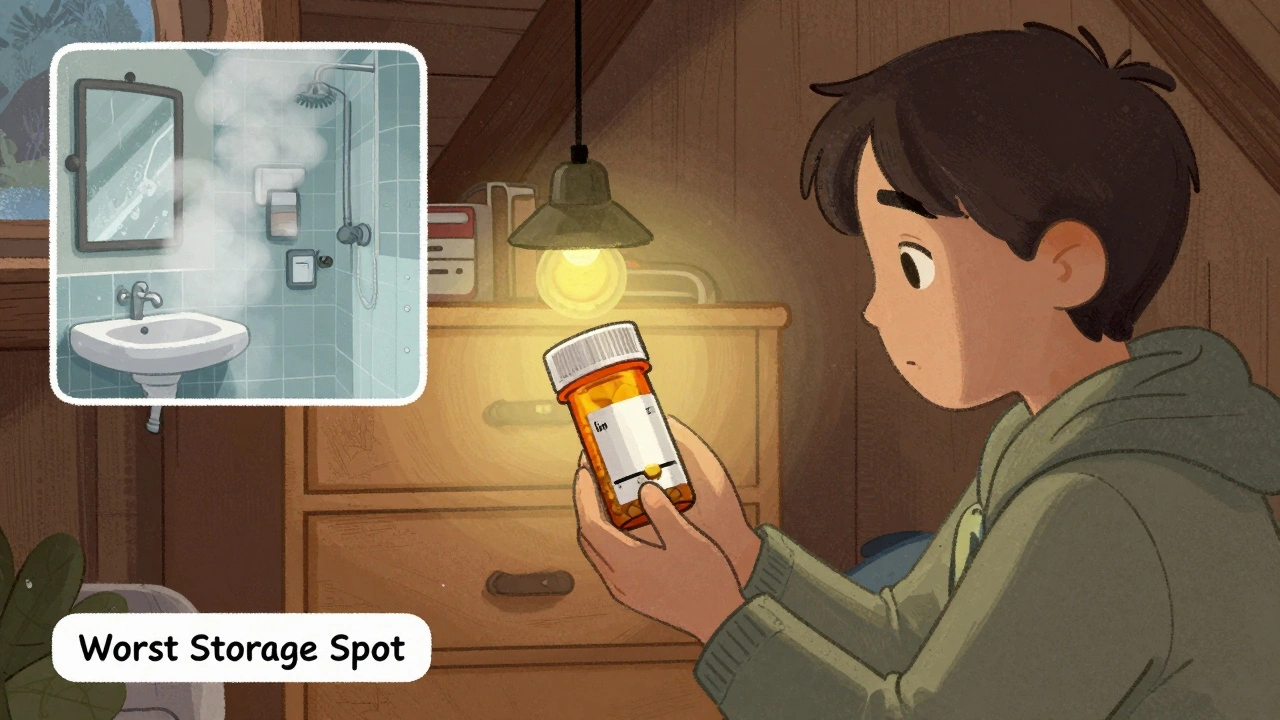
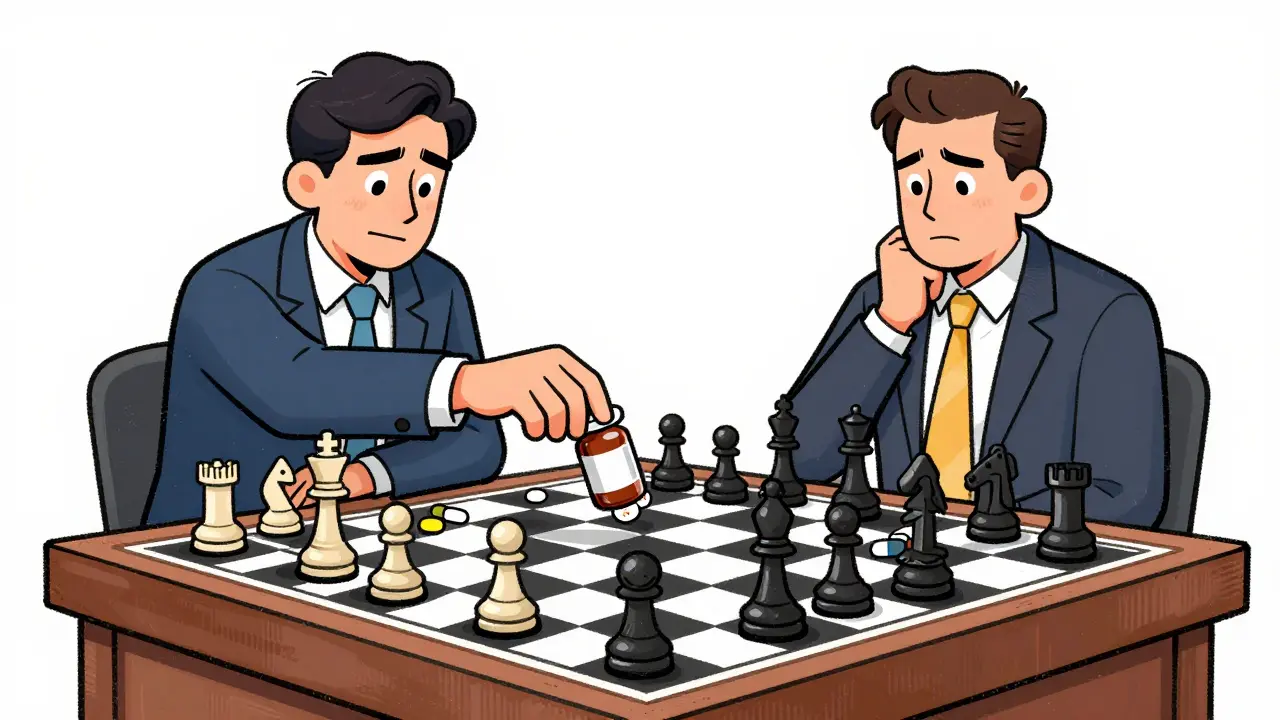
Imagine you’re stuck somewhere with no pharmacy nearby. Your painkiller has expired. Your asthma inhaler is past its date. You’re desperate. What do you do? Most people assume expired meds are dangerous-maybe even deadly. But the truth is more complicated. Some expired pills are still safe. Others could kill you. The difference isn’t just about the date on the bottle. It’s about what kind of medicine it is, how long it’s been expired, and how it was stored.
Expiration Dates Aren’t Death Dates
The date printed on your medicine bottle isn’t when the drug turns toxic. It’s the last day the manufacturer guarantees it will work as intended. That’s it. A 1979 U.S. law made expiration dates mandatory, but it didn’t say anything about how long the medicine stays usable after that date. Studies from the U.S. Food and Drug Administration (FDA) show that 90% of medications remain safe and effective up to 15 years past their expiration date-if they’ve been stored properly. That’s right. A bottle of ibuprofen from 2015 might still work in 2030. But here’s the catch: that 90% figure only applies to medications kept in cool, dry, dark places. Most of us store pills in the bathroom. Humid. Warm. Full of steam from showers. That’s the worst place for medicine. Research from the PMC journal in March 2024 found that medications stored in bathrooms degrade 37% faster than those kept in a bedroom drawer. So if your aspirin expired six months ago and it’s been hanging out above the sink, don’t assume it’s still good.Some Medicines Are Never Safe to Use After They Expire
Not all drugs are created equal. Some lose potency slowly. Others become dangerous. The list of medications you should never use after expiration is short but deadly serious:- Insulin - Even a small drop in potency can cause dangerous blood sugar swings. Too little? High glucose. Too much? Life-threatening low blood sugar.
- Thyroid medication - Dosing is precise. A weaker dose won’t control your metabolism. A stronger one could trigger a heart rhythm problem.
- Birth control pills - Reduced hormone levels can lead to unintended pregnancy. There’s no safe margin of error here.
- Anti-platelet drugs like aspirin or clopidogrel - These prevent clots. If they’ve lost strength, you’re at higher risk of stroke or heart attack.
- Liquid antibiotics, eye drops, and injectables - These can grow bacteria or break down into toxic chemicals. The CDC warns that expired liquids are among the riskiest.
Tablets Are Safer Than Liquids
The form of the medicine matters a lot. Solid tablets and capsules, especially those stored well, tend to hold up better than liquids or creams.- Tablets - Think Tylenol, ibuprofen, or antihistamines. If they’re dry, hard, and unchanged in color, they’re likely still safe for minor issues-even years past expiration. Tylenol (acetaminophen) may lose up to 20% of its strength after its shelf life ends, but it won’t turn harmful.
- Gel capsules - These are more sensitive. If they’re sticky, soft, or leaking, toss them. Heat and humidity can melt the shell and ruin the contents.
- Liquids - Never use expired liquid medicines. Antibiotics in syrup form, cough syrups, eye drops, or injectables can become breeding grounds for bacteria. Chemical breakdown can create toxins. There’s no way to tell without a lab test.
- Topical creams - These are usually okay if they haven’t changed smell or texture. But if it smells rancid or looks separated, don’t risk it.
How Long Is Too Long?
There’s no universal rule, but here’s what experts suggest:- 0-6 months past expiration - Low risk for solid OTC meds like painkillers or allergy pills, if stored properly.
- 6-12 months - Potency may drop noticeably. Use only if absolutely necessary and monitor closely.
- Over 12 months - Avoid unless it’s a life-or-death emergency and you have no other option. Even then, stick to stable pills like aspirin or ibuprofen.

Check It Before You Take It
If you’re forced to use an expired pill, inspect it like a doctor would:- Color - Has it changed? Yellowed? Darkened? That’s a red flag.
- Smell - Does it smell odd? Rancid? Chemical? Don’t take it.
- Texture - Is it crumbling? Sticky? Harder than usual? That means degradation.
- Particulates - Any floating bits in liquids? Cloudiness? Don’t use.
When Is It Worth the Risk?
Not every expired pill needs to be avoided. The risk depends on what you’re treating:- Minor issues - A headache, mild allergy, or upset stomach? If the medicine is a solid tablet, expired less than a year, and looks fine-it’s probably okay. Benadryl or Zyrtec might not work as well, but they won’t hurt you.
- Chronic conditions - High blood pressure, diabetes, epilepsy? Never risk it. These require exact dosing. Even a 10% drop in potency can cause serious harm.
- Infections - Expired antibiotics are dangerous. They might not kill all the bacteria. That’s how antibiotic resistance starts. The FDA warns this is a public health threat.
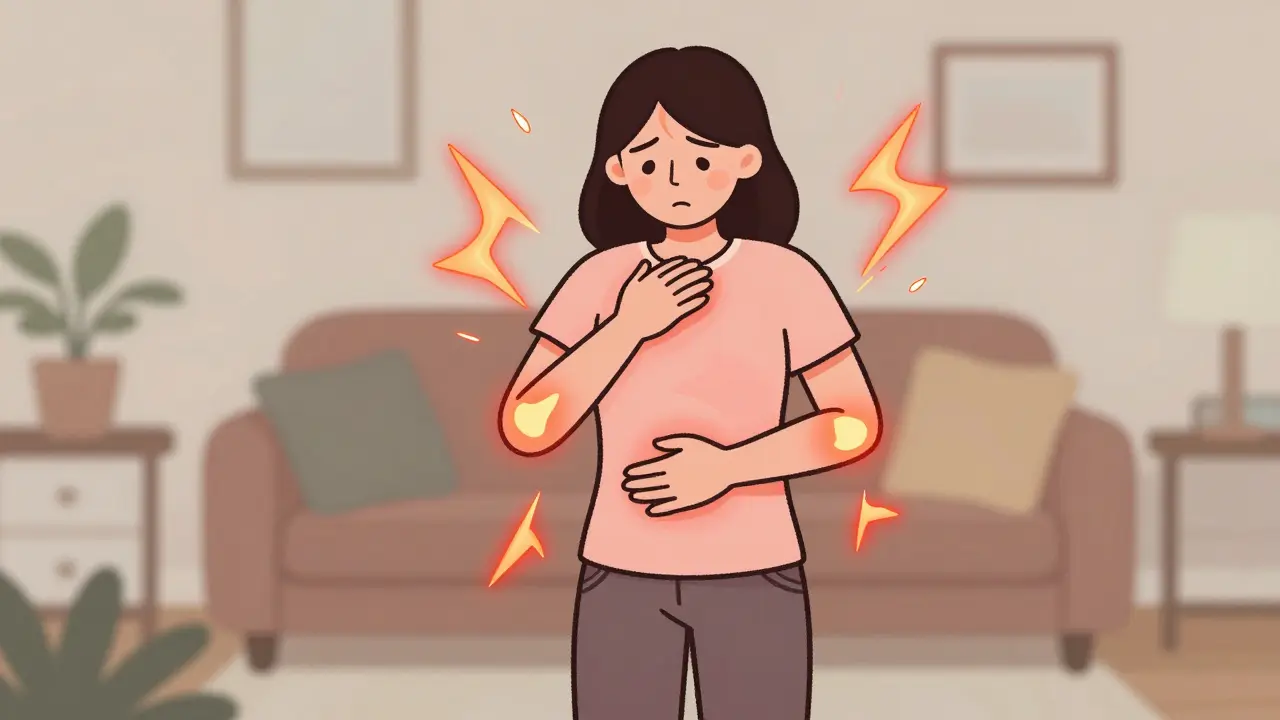
- Life-threatening emergencies - Chest pain, severe asthma attack, allergic reaction? If you don’t have the right medication, call 999 or go to A&E. Don’t gamble with expired drugs.
What About Global Differences?
The U.S. and Europe don’t agree on expiration rules. The European Union’s medical committee has pushed to extend expiration dates for stable drugs, but nothing’s changed yet. Meanwhile, the World Health Organization says there’s no global standard. A pill made in Germany might be more stable than the same drug made in the U.S.-but you won’t know unless you check the manufacturer’s data. If you’re traveling or using imported meds, treat expiration dates with extra caution. Storage conditions abroad might be worse. Temperature swings in transit can damage pills before they even reach you.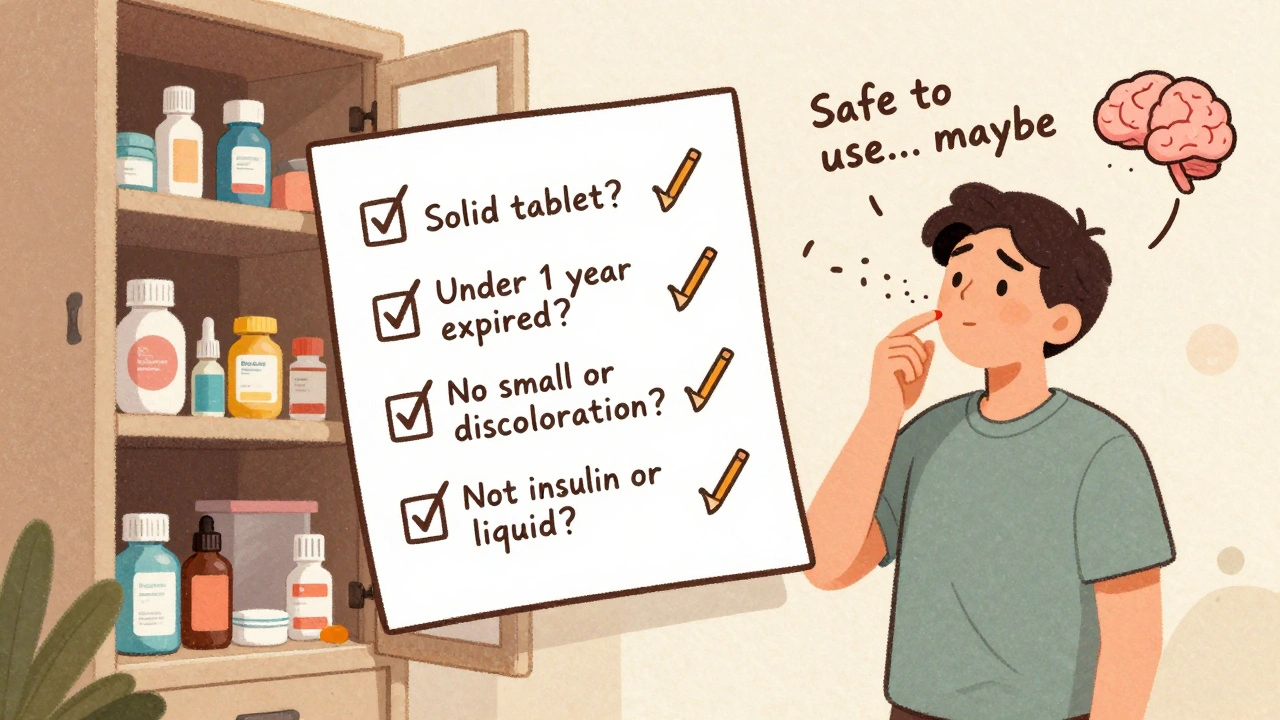
Prevention Is Better Than Risk Assessment
The best way to avoid this dilemma? Don’t let meds expire in the first place.- Check your medicine cabinet every six months.
- Throw out anything expired or looks off.
- Buy only what you need. Don’t stockpile.
- Store pills in a cool, dry place-like a bedroom drawer, not the bathroom.
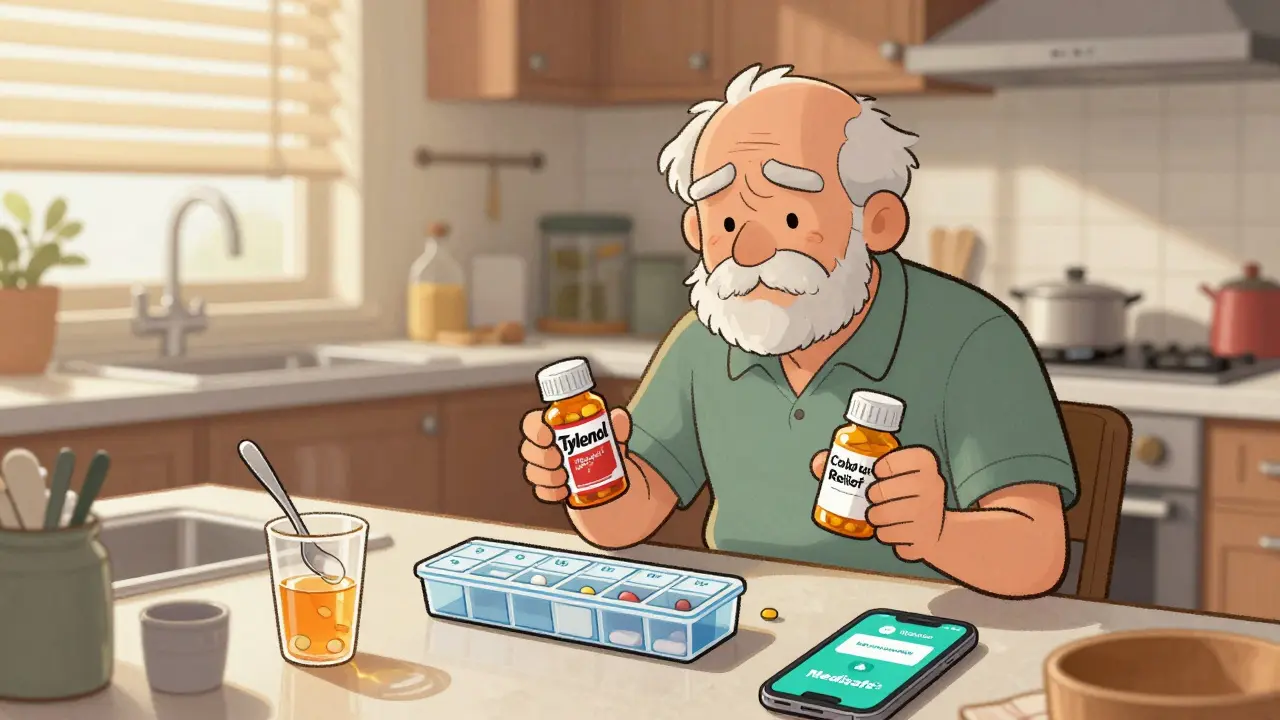
- Use a pill organizer with dates to track when things expire.
What’s Coming Next?
The FDA is researching portable devices that could test pill potency at home using light spectroscopy. Think of it like a breathalyzer for medicine. But as of October 2023, no such device is available to the public. Until then, your eyes and common sense are your only tools.Final Rule: When in Doubt, Don’t Take It
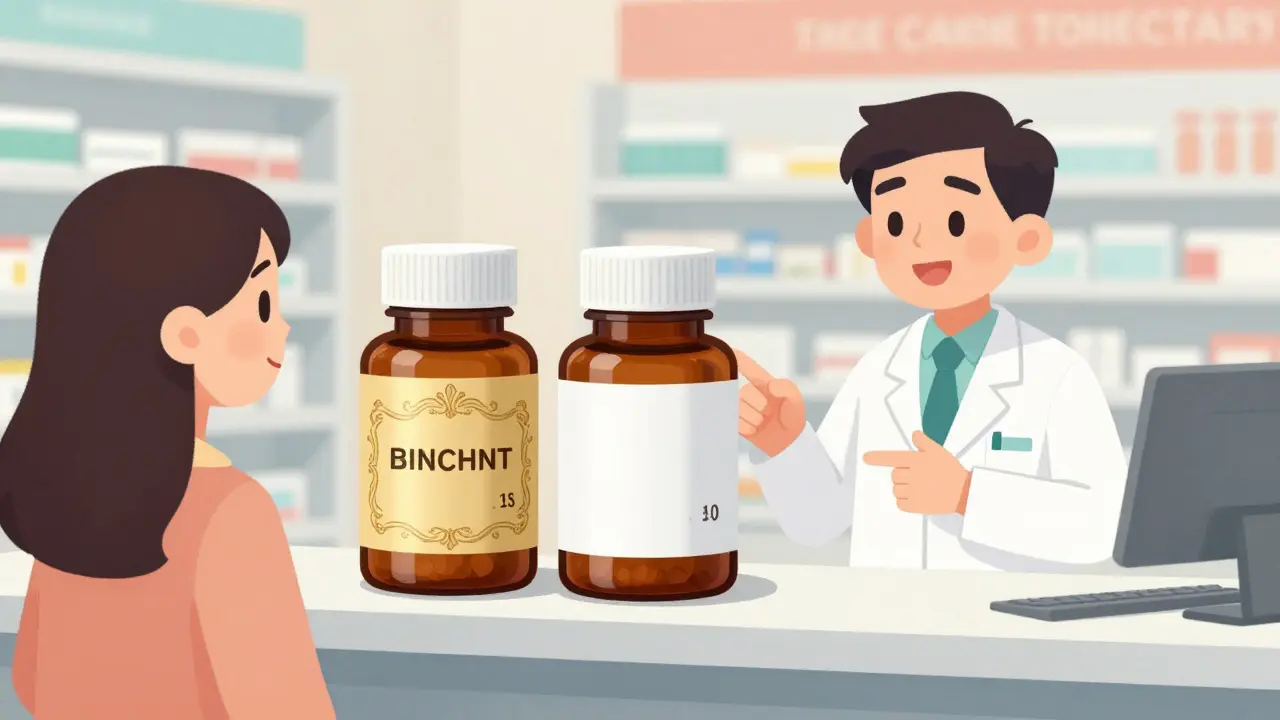
If you’re unsure, skip it. There’s no shame in walking into a pharmacy, urgent care, or ER with a question. Pharmacists are trained to help. They can often give you a free sample or direct you to low-cost options. Expired meds aren’t always poison. But they’re not always safe, either. The difference comes down to the type of drug, how long it’s been out of date, and how it was stored. Use this checklist every time:- Is it insulin, thyroid, birth control, or an injectable? → Never use.
- Is it a liquid or eye drop? → Never use.
- Has it been over a year expired? → Don’t risk it.
- Does it look, smell, or feel weird? → Throw it out.
- Is this for a serious condition? → Go to a professional.
Medicine is meant to heal. Expired meds? They’re a backup plan. Not a first choice. And if you’re ever in doubt-play it safe. Your body will thank you.
Can expired pills still work?
Yes, many expired pills-especially solid tablets like ibuprofen or antihistamines-can still work if stored properly. The FDA found that 90% of medications retain potency up to 15 years after expiration under ideal conditions. But in real life, most people store meds in warm, humid places like bathrooms, which speeds up degradation. So while they might still work, they’re often less effective.
Which expired medications are dangerous to use?
Never use expired insulin, thyroid medication, birth control pills, anti-platelet drugs like aspirin or clopidogrel, liquid antibiotics, eye drops, or injectables. These require precise dosing or can become contaminated. Even a small drop in potency with insulin can cause life-threatening blood sugar swings. Expired liquids can grow bacteria or break down into toxic chemicals.
How can I tell if an expired pill is still safe?
Check for visible changes: discoloration, unusual odor, crumbling texture, stickiness, or particles. If it looks, smells, or feels wrong, don’t take it. But remember-some dangerous changes aren’t visible. There’s no home test for potency. If you’re unsure, assume it’s not safe.
Is it safe to take expired painkillers like Tylenol or Advil?
If they’re solid tablets, expired less than a year, and stored in a cool, dry place, they’re likely still safe for occasional use. Tylenol may lose up to 20% potency after its shelf life, but it won’t become toxic. Advil and Motrin (ibuprofen) behave similarly. Don’t use them for serious pain or if they look or smell off.
What should I do if I have no access to new medication?
Call a pharmacy, clinic, or emergency service. Many offer free samples or low-cost alternatives. If you must use an expired pill, follow the risk checklist: avoid high-risk drugs, check for physical changes, use the smallest dose possible, and monitor closely. If it doesn’t work, stop and get help immediately. Never delay care for serious conditions.
Can I extend the expiration date of my meds?
No. Pharmacists and doctors can’t legally extend expiration dates. Even though the U.S. military has a program that tests and extends the life of stockpiled drugs, this is only done under strict lab conditions. Consumers have no legal or safe way to extend expiration dates at home.
Are expired medications more dangerous for children or the elderly?
Yes. Children, the elderly, and people with weakened immune systems are more vulnerable to sub-potent or contaminated meds. Their bodies handle drugs differently. A slightly weaker antibiotic might not clear an infection, leading to complications. Always be extra cautious with these groups.
Where’s the best place to store medications?
Store medications in a cool, dry, dark place-like a bedroom drawer or closet. Avoid bathrooms, kitchens, and cars. Heat, humidity, and light break down drugs faster. A sealed container away from direct sunlight is ideal.
What should I do with expired medications?
Don’t flush them or throw them in the trash. Many pharmacies and local authorities offer medication take-back programs. In the UK, you can return expired meds to any pharmacy for safe disposal. This prevents accidental ingestion, environmental harm, and misuse.
Will using an expired antibiotic cause antibiotic resistance?
Yes. If an expired antibiotic has lost potency, it might kill only the weakest bacteria-leaving the strongest ones alive. These surviving bacteria can multiply and become resistant. That’s how superbugs form. The FDA warns that using expired antibiotics is a direct contributor to global antibiotic resistance.
Rawlson King
December 12, 2025 AT 23:28Let’s be real-most people don’t store meds in climate-controlled vaults. They keep them in the bathroom next to the showerhead. If your ibuprofen’s been steamed for three years, it’s not a miracle pill. It’s a gamble. And gambling with your health is just dumb.
Webster Bull
December 14, 2025 AT 20:4390% still work? That’s wild. But don’t forget-the other 10% could be the one that kills you. I’d rather pay $5 for a new bottle than risk a stroke. Simple math.
Lauren Scrima
December 15, 2025 AT 12:32So... you're telling me my 2018 Zyrtec is basically a placebo now? And I'm supposed to feel guilty for not replacing it? 😑
Lara Tobin
December 16, 2025 AT 08:10This is so helpful. I’ve been terrified to throw out my grandma’s pills because I thought they might still help. Now I know when to let go. Thank you for being so clear.
Jamie Clark
December 17, 2025 AT 05:33Anyone who says "it’s probably fine" after 12 months is either lying to themselves or actively trying to die. This isn’t a DIY experiment-it’s a medical emergency waiting to happen. Stop being casual about your own mortality.
Keasha Trawick
December 18, 2025 AT 03:35Imagine your body as a high-performance engine. Now imagine pouring in old, degraded fuel that’s been sitting in a sauna. It might sputter, it might stall, or worse-it might detonate. That’s what expired meds do to your physiology. No glow-up here. Just biochemical chaos.
And don’t even get me started on the antibiotic resistance angle. You think superbugs are sci-fi? Nah. They’re the direct result of people treating their expired cipro like a snack. We’re not just risking ourselves-we’re weaponizing evolution.
And yes, I’m that guy who keeps a pill organizer with a digital timer. Because if you’re not tracking your meds like a NASA mission, you’re just winging it with your life.
Hamza Laassili
December 19, 2025 AT 05:43USA got the best meds in the world, and some of you still wanna risk it? Come on. We got pharmacies on every corner. If you can’t afford a $4 pill, you got bigger problems than expired aspirin. Get a job. Get insurance. Stop being lazy.
Alvin Montanez
December 20, 2025 AT 13:37Let me tell you something about the FDA. They’re not your friends. They’re bureaucrats who care more about liability than your life. That 15-year study? It was funded by pharmaceutical companies who want you to believe their pills last forever so you don’t buy new ones. The truth? They’re trying to sell you more. And you’re falling for it.
I’ve seen people die because they trusted expiration dates. Not because the pills were bad-but because they trusted the system. The system doesn’t care. You have to care for yourself. And if you don’t? Then you deserve what happens.
Bruno Janssen
December 22, 2025 AT 12:24I’ve got a bottle of expired melatonin that’s been in my sock drawer since 2020. I took it last week. Slept like a rock. I know I shouldn’t. But... it worked. I just feel guilty now.
Scott Butler
December 23, 2025 AT 19:36So you’re saying if my insulin expired last month and I’m in the woods, I should just die? That’s not a checklist-that’s a death sentence. What’s the alternative? Walk 10 miles to a hospital? That’s not realism. That’s privilege.
Emma Sbarge
December 25, 2025 AT 08:30Scott-your comment is tone-deaf. Not everyone has access to a car, let alone a pharmacy. I’ve seen people in rural Appalachia drive 80 miles just to refill a prescription. And you’re acting like they’re lazy? That’s not safety-that’s cruelty.
This post isn’t about privilege. It’s about survival. And if you can’t see that, maybe you should stop pretending you’re the moral authority on medicine.