
Generic Substitution: What It Is, How It Works, and What You Need to Know
When you pick up a prescription, you might get a pill that looks different from the one you’ve taken before—that’s generic substitution, the practice of replacing a brand-name drug with a chemically identical generic version approved by the FDA. Also known as generic drug switching, it’s one of the biggest ways healthcare systems cut costs without hurting outcomes. You’re not getting a weaker version. You’re getting the same active ingredient, same dose, same way it works in your body—just without the brand name and the marketing budget.
Behind every generic drug, a medication that contains the same active ingredient as a brand-name drug and is proven to work the same way. Also known as non-brand medication, it goes through the FDA’s Abbreviated New Drug Application (ANDA) process. That means the company doesn’t have to repeat expensive clinical trials. They just prove it’s bioequivalent—your body absorbs it the same way. This is why generics cost 80% less on average. But not all generics are the same. Some are made by the original brand company and sold under a different label—those are called authorized generics, exact copies of brand-name drugs produced by the same manufacturer but sold without the brand name. Also known as same-as-brand generics, they are identical in every way: color, shape, inactive ingredients, even the packaging. They’re the closest thing to the brand, just cheaper.
Generic substitution isn’t automatic. Your doctor can write "do not substitute" on your prescription, and your pharmacy must follow that. Some people worry about side effects changing when they switch, but studies show most patients don’t notice a difference. The real issues come with narrow therapeutic index drugs—like warfarin or thyroid meds—where tiny changes in blood levels matter. That’s why some doctors prefer to keep you on the same version. But for most people, switching saves hundreds a year without risk.
There’s also confusion between generics and biosimilars. Biosimilars are for complex biologic drugs—like those used for rheumatoid arthritis or cancer—and they’re not exact copies. They’re similar, but not identical. That’s why provider education matters. But when we talk about generic substitution, we mean simple, small-molecule pills: statins, blood pressure meds, antibiotics. These are the ones you’re likely to encounter.
What you’ll find in these articles is real talk about how generics get approved, why some cost more than others, what happens when supply chains break, and how patients can take control of their choices. You’ll learn about authorized generics that are literally the same as the brand, how patent laws shape what’s available, and why a pill that looks different doesn’t mean it works differently. This isn’t theory. It’s about what’s in your medicine cabinet and what you’re paying for it.
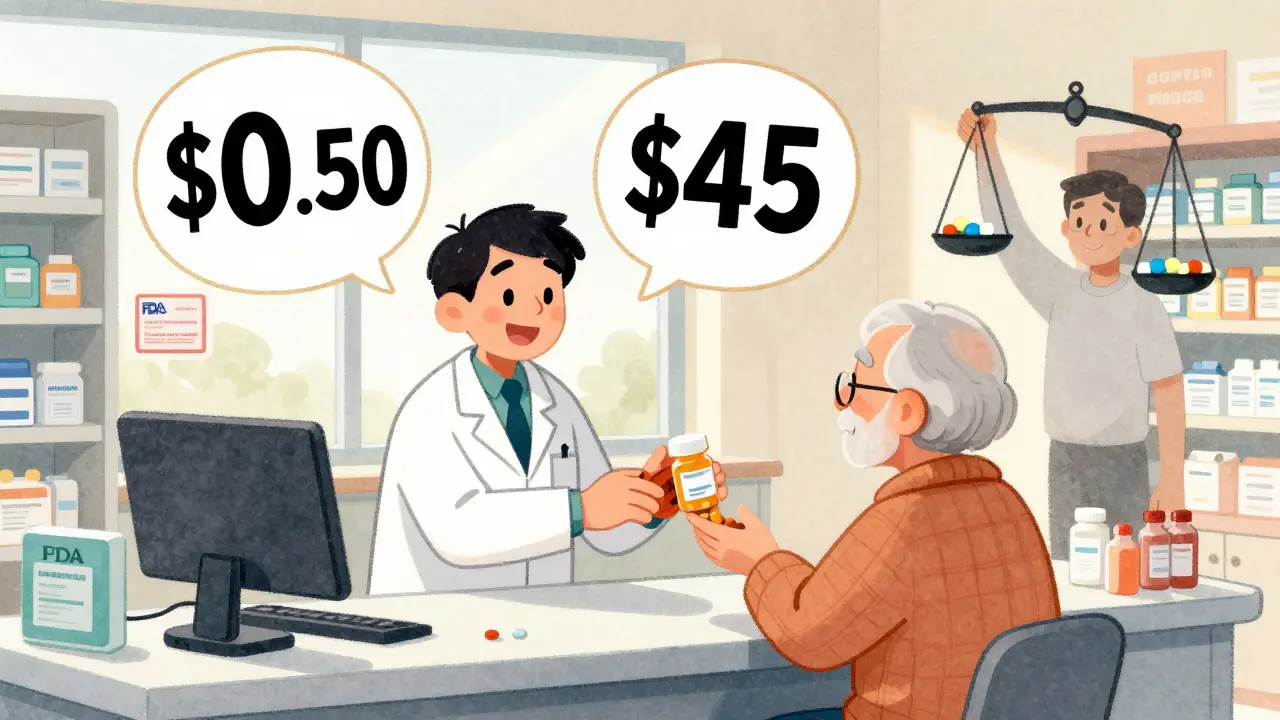
Global Perspectives on Generics: How Countries Cut Drug Costs Without Compromising Care
Discover how countries around the world use generic drugs to cut healthcare costs-from China's aggressive bulk buying to the U.S.'s high-volume model-and why quality and sustainability are at risk as prices fall.
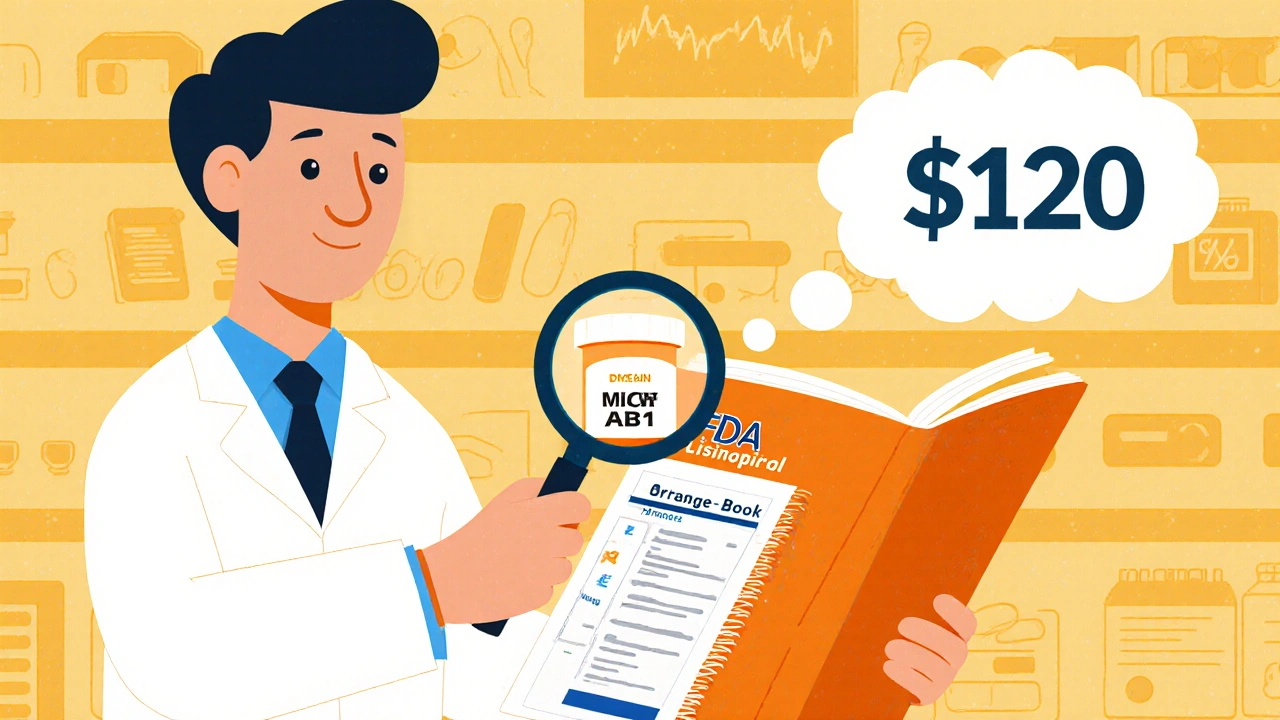
How Pharmacists Communicate Generic Recommendations to Prescribers
Pharmacists play a key role in recommending generic medications to prescribers using FDA guidelines, bioequivalence data, and structured communication to improve adherence, reduce costs, and ensure patient safety.