
Medication Side Effect Checker
Check Your Medication Side Effects
Select medications you're taking to see potential sexual side effects and solutions.
Potential Sexual Side Effects
Recommended Solutions
Sexual side effects from common medications are more frequent than most people realize
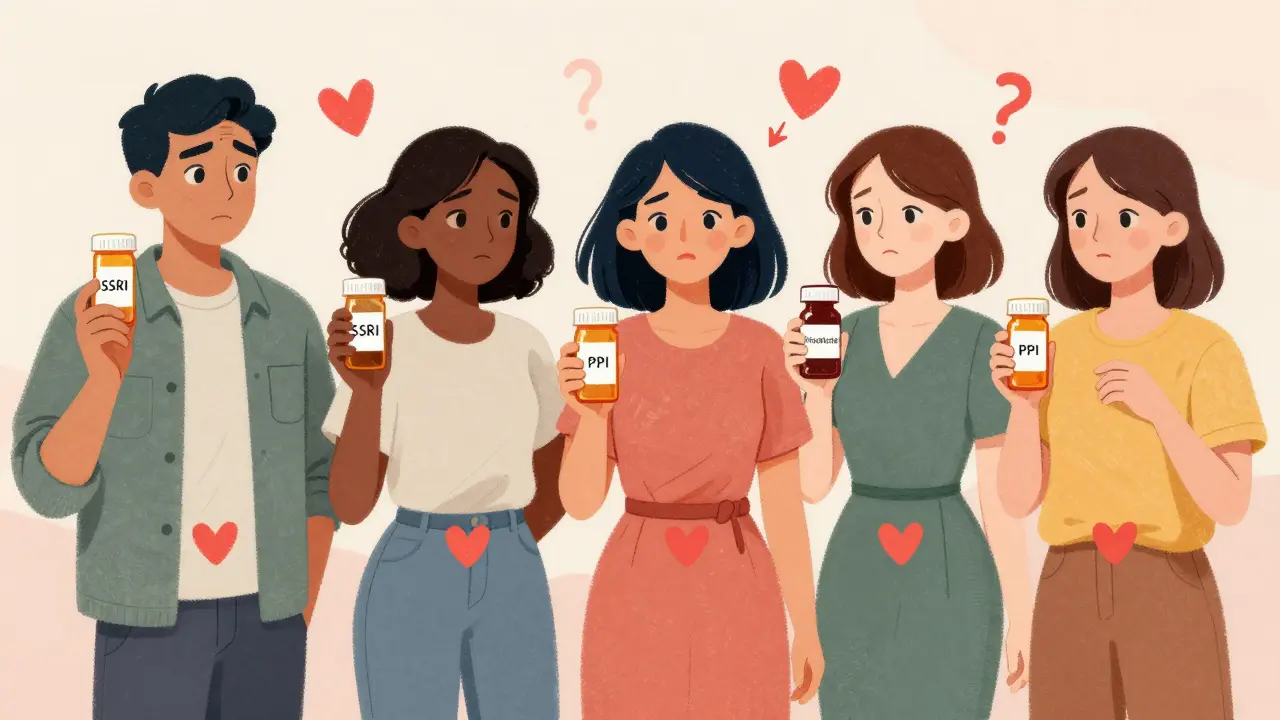
It’s not uncommon to hear someone say, "I feel fine, but something’s off in the bedroom." For many, that "something" isn’t stress, aging, or relationship issues-it’s a medication they’ve been taking for months or even years. Whether it’s an antidepressant, a blood pressure pill, or a prostate treatment, dozens of widely prescribed drugs can quietly interfere with sexual desire, arousal, performance, or orgasm. And yet, most patients never bring it up with their doctor. Why? Because they assume it’s normal, or they’re embarrassed, or they think the benefits outweigh the cost. But here’s the truth: if your medication is hurting your sex life, you don’t have to just live with it.
Antidepressants are the biggest culprit
When it comes to sexual side effects, antidepressants lead the pack. About 40% of people taking them experience some form of sexual dysfunction, according to long-standing clinical research. Among the most commonly prescribed class-SSRIs (selective serotonin reuptake inhibitors)-the numbers jump even higher. Studies show that between 25% and 73% of users report problems like low libido, trouble getting or keeping an erection, delayed or absent orgasm, or reduced sexual pleasure.
Not all SSRIs are created equal. Paroxetine (Paxil) has the highest risk, with up to 65% of users affected. Fluvoxamine (Luvox) and sertraline (Zoloft) follow closely, with rates around 59% and 56%, respectively. Fluoxetine (Prozac) still carries a significant risk at 54%. The reason? These drugs increase serotonin levels, which helps lift mood but also dampens sexual response pathways in the brain.
But there’s good news: not all antidepressants have the same effect. Bupropion (Wellbutrin) and mirtazapine (Remeron) are much less likely to cause sexual side effects. In fact, some patients report improved libido on these medications. If sexual health matters to you-and it should-this isn’t just a side note. It’s a treatment decision.
High blood pressure meds can kill your sex drive
One in three adults in the U.S. takes medication for high blood pressure. Many don’t realize that some of these drugs are quietly sabotaging their sex lives. Thiazide diuretics like hydrochlorothiazide (Microzide) are the most common cause of erectile dysfunction among antihypertensives. Beta blockers such as atenolol and propranolol also rank high, with studies showing they reduce blood flow and blunt arousal signals.
Women aren’t spared. About 41% of women on these medications report decreased sexual desire, and 34% say they experience less pleasure during sex. Alpha-blockers like clonidine and prazosin are especially linked to reduced libido in clinical trials.
But here’s a twist: not all blood pressure meds hurt your sex life. Angiotensin II receptor blockers (ARBs) like valsartan have actually been shown to improve sexual desire and fantasies in women compared to beta blockers. If you’re on a blood pressure med and noticing changes in your sex life, ask your doctor if switching to an ARB might help. It’s not just possible-it’s often a better fit.
Prostate medications can change everything
Men taking drugs like finasteride (Propecia, Proscar) or dutasteride for hair loss or enlarged prostates often notice changes in their sexual function. These medications block an enzyme that turns testosterone into dihydrotestosterone (DHT), which helps shrink the prostate-but also reduces libido, causes erectile dysfunction, and can lead to problems with ejaculation.
Studies show that 5.9% to 15.8% of men on these drugs experience reduced libido, 5.1% to 9% get erectile dysfunction, and up to 21.4% report ejaculation issues. For some, these side effects linger even after stopping the medication-a condition called Post-Finasteride Syndrome, though it’s still debated in medical circles.
Men undergoing prostate cancer treatment with antiandrogens like bicalutamide face even starker realities. Nearly all report loss of libido, erectile dysfunction, and sometimes breast enlargement (gynecomastia). These aren’t side effects you can ignore-they’re expected outcomes of the treatment. That’s why doctors now emphasize counseling before starting these drugs. Knowing what’s coming helps men adjust emotionally and plan for alternatives like sexual aids or therapy.
Other surprising offenders
It’s not just antidepressants and blood pressure pills. A growing list of common medications can affect sexual function in unexpected ways.
- Gabapentin and pregabalin (used for nerve pain and seizures) have been linked to erectile dysfunction and low libido. They may lower free testosterone by increasing sex hormone binding globulin.
- Opioids like oxycodone and hydrocodone disrupt the hypothalamic-pituitary-gonadal axis, leading to low testosterone and erectile dysfunction. Long-term users often develop secondary hypogonadism.
- Proton pump inhibitors (PPIs) like omeprazole and esomeprazole, commonly used for acid reflux, have been tied to reduced libido and erectile issues in some patients, though the exact mechanism isn’t fully understood.
- Birth control pills and hormone therapies can reduce natural testosterone levels in women, leading to lower desire and arousal. Some women report feeling emotionally detached during sex.
And then there are the rare but serious side effects: painful ejaculation, penile anesthesia, loss of nipple sensation, and even priapism (a prolonged, painful erection). These aren’t myths-they’re documented in case reports and clinical databases.
What you can do about it
If you’re experiencing sexual side effects, the worst thing you can do is stop your medication cold turkey. That can trigger withdrawal symptoms, rebound depression, or dangerous spikes in blood pressure.
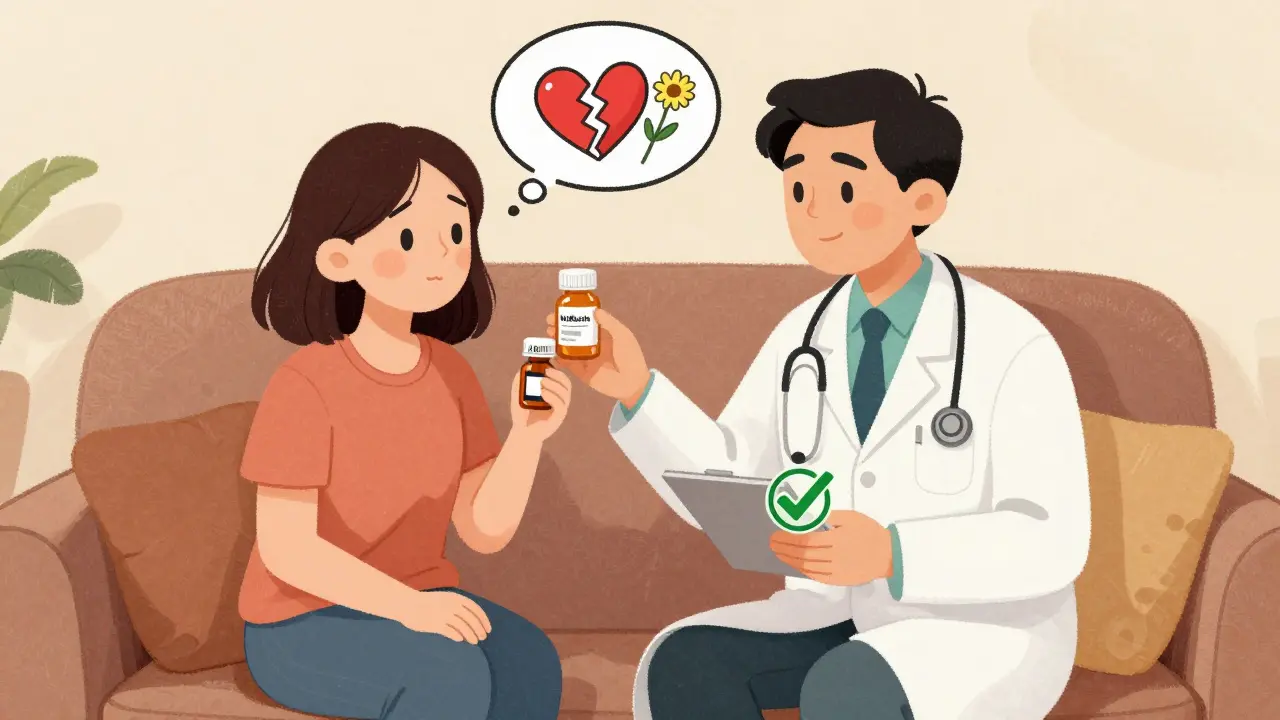
Instead, start with a conversation. Talk to your doctor. Bring up your concerns directly: "I’ve noticed my sex drive has dropped since I started this medication. Is there another option?" Most doctors are trained to ask about this, but they won’t unless you speak up.
Here are practical steps that work:
- Switch medications. For example, switching from paroxetine to bupropion often restores sexual function without losing mood benefits.
- Adjust the dose. Sometimes lowering the dose reduces side effects while keeping the therapeutic effect.
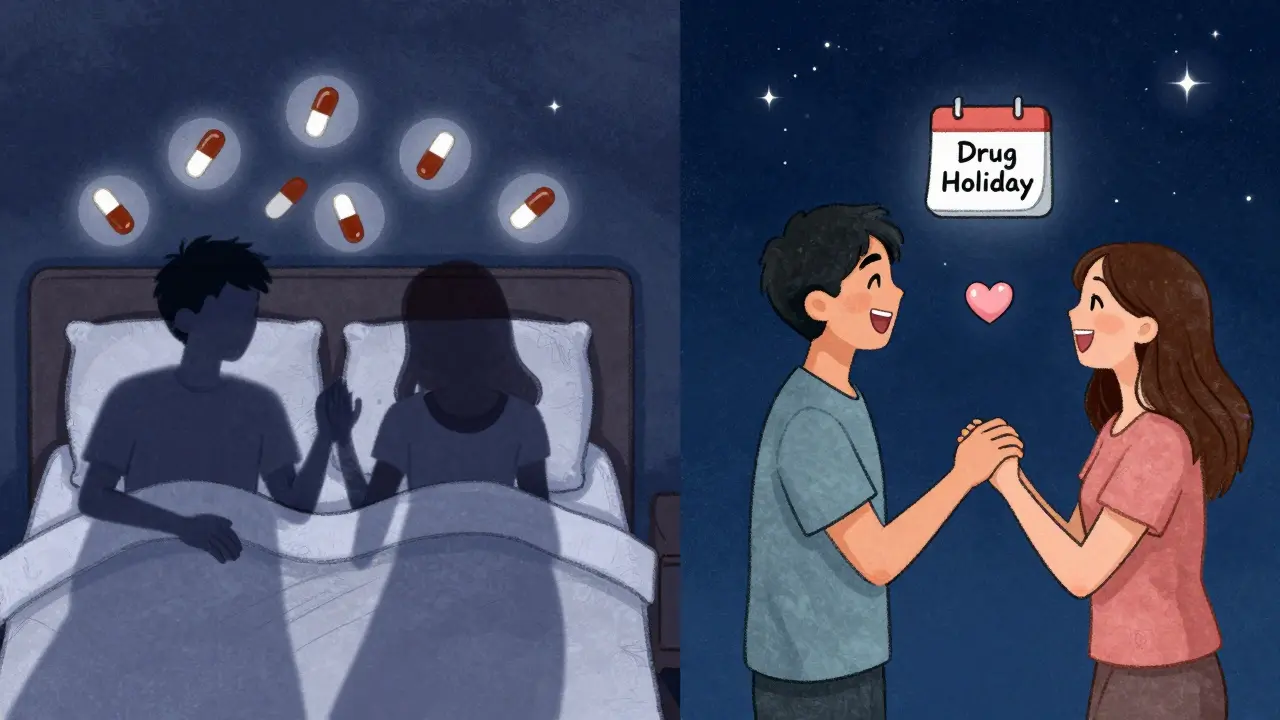
- Try a "drug holiday." Under medical supervision, taking a short break (like skipping the pill on weekends) can help reset sexual response. This works best with SSRIs.
- Add a treatment. For men with SSRI-induced erectile dysfunction, sildenafil (Viagra) has been shown to help in 74-95% of cases. For women, flibanserin (Addyi) is approved for low libido, though it’s not a magic fix.
- Change when you take it. Some people find taking their SSRI after sex instead of before helps reduce interference with arousal and orgasm.
- Try non-drug support. Exercise improves blood flow and boosts natural testosterone. Counseling or sex therapy can help rebuild intimacy and reduce performance anxiety.
It’s not all bad news
Medication-induced sexual dysfunction is common, but it’s not inevitable. The medical community is waking up to this issue. The FDA now requires drug makers to report sexual side effects in clinical trials for CNS drugs. The American Urological Association recommends routine screening for sexual dysfunction in patients on long-term antidepressants, antihypertensives, or prostate meds.
And research is moving forward. Scientists are developing new antidepressants that target mood without flooding the brain with serotonin. Personalized medicine-using genetic testing to predict who’s more likely to have side effects-is on the horizon. For now, the best tool you have is knowledge.
What to ask your doctor
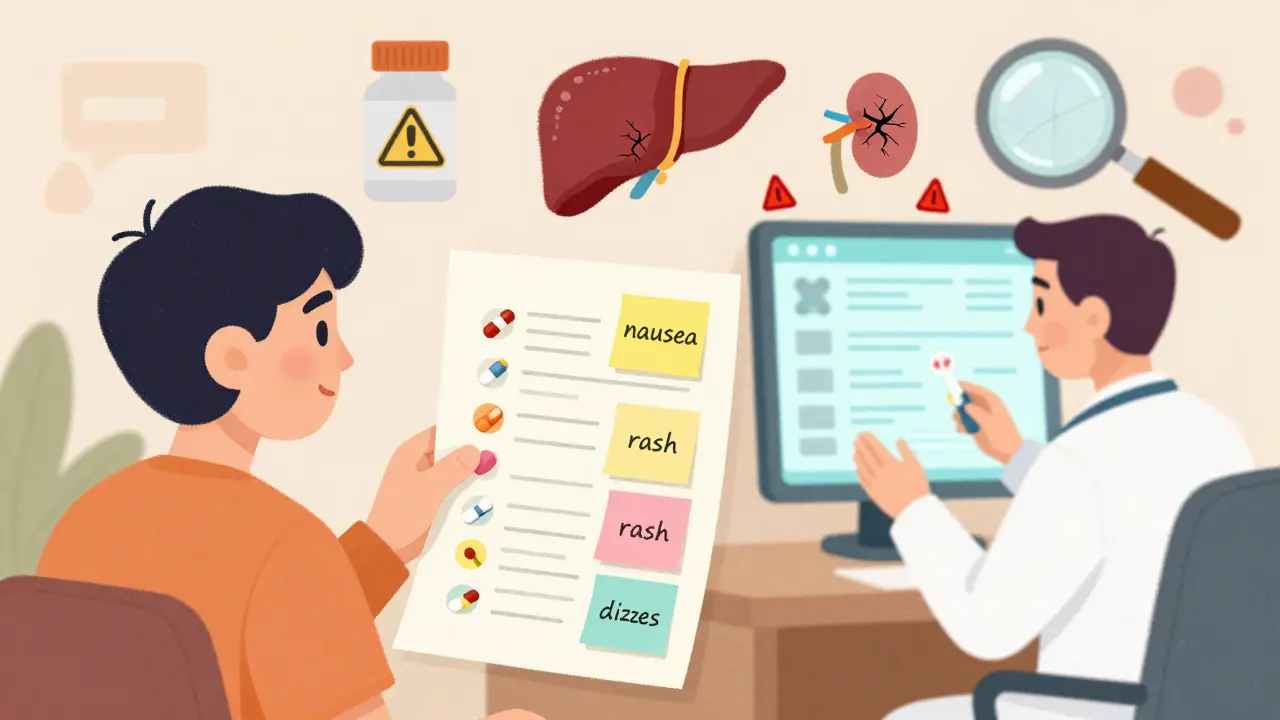
Don’t leave your sexual health to chance. Here are five questions to ask at your next appointment:
- "Could this medication be affecting my sex life?"
- "Are there alternatives with fewer sexual side effects?"
- "Would lowering the dose help?"
- "Is it safe to try a drug holiday?"
- "Are there any medications or therapies that can help reverse these effects?"
Remember: your sex life matters. It’s part of your health, not a side note. If a medication is costing you intimacy, pleasure, or confidence, it’s worth addressing. You’re not alone. And you don’t have to suffer in silence.
Can antidepressants cause permanent sexual side effects?
For most people, sexual side effects from antidepressants go away after stopping the medication. However, a small subset of patients-particularly those who took SSRIs like paroxetine or fluoxetine for long periods-report lingering issues, including low libido or difficulty achieving orgasm, even after discontinuation. This is sometimes called Post-SSRI Sexual Dysfunction (PSSD). While the exact cause isn’t fully understood, it’s rare. If you’re concerned, talk to your doctor before making any changes to your medication.
Do blood pressure medications affect women differently than men?
Yes. While men often report erectile dysfunction, women are more likely to experience reduced sexual desire and decreased pleasure during sex. Studies show about 41% of women on antihypertensives report lower libido, and 34% say sex feels less satisfying. Beta blockers and diuretics are the biggest culprits. ARBs like valsartan, however, may actually improve sexual function in women compared to other blood pressure drugs.
Is it safe to take Viagra with antidepressants?
Yes, for most people. Sildenafil (Viagra) and similar drugs like tadalafil (Cialis) are often prescribed alongside SSRIs to treat erectile dysfunction caused by antidepressants. Clinical studies show they’re effective in 74-95% of cases. However, you should never combine them without medical supervision. Your doctor will check for interactions, especially if you’re also taking nitrates or have heart conditions.
Can switching from an SSRI to Wellbutrin help with sexual side effects?
Yes, and it’s one of the most common and effective strategies. Bupropion (Wellbutrin) doesn’t primarily affect serotonin like SSRIs do-it targets dopamine and norepinephrine instead. This makes it much less likely to cause sexual side effects. In fact, many patients report improved libido and arousal after switching. It’s not a perfect fit for everyone-some find it less effective for depression-but for those struggling with sexual dysfunction, it’s often a game-changer.
Why don’t doctors talk about sexual side effects more often?
Many doctors assume patients won’t bring it up, so they don’t either. There’s also a lack of time during appointments and a lingering stigma around sexual health. But research shows that when doctors ask directly, patients are more likely to report problems. The American Urological Association now recommends routine screening. If your doctor doesn’t ask, it’s okay-and encouraged-to bring it up yourself. Your sexual health is part of your overall health.

Nick Flake
February 2, 2026 AT 07:25Chinmoy Kumar
February 3, 2026 AT 18:41Brett MacDonald
February 4, 2026 AT 20:28Sandeep Kumar
February 6, 2026 AT 12:43Monica Slypig
February 8, 2026 AT 03:41Becky M.
February 9, 2026 AT 09:26Dan Pearson
February 9, 2026 AT 15:44Bob Hynes
February 10, 2026 AT 05:48Ellie Norris
February 10, 2026 AT 08:25larry keenan
February 11, 2026 AT 15:20