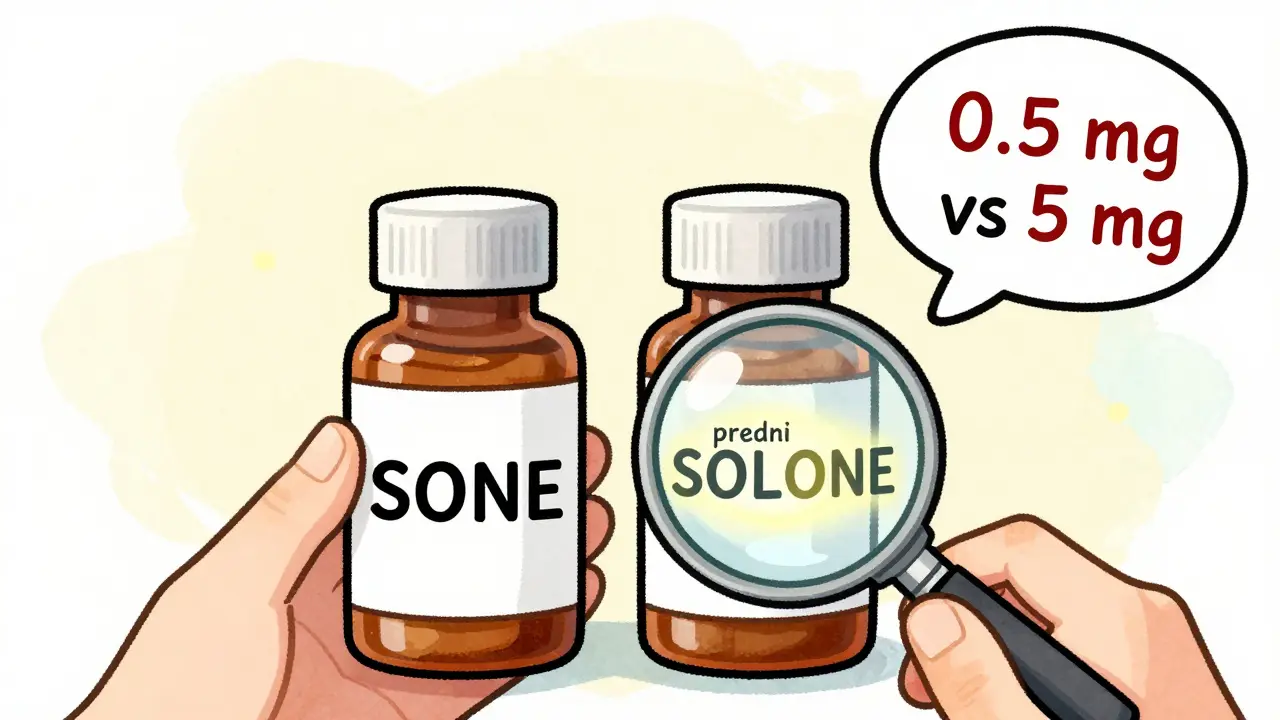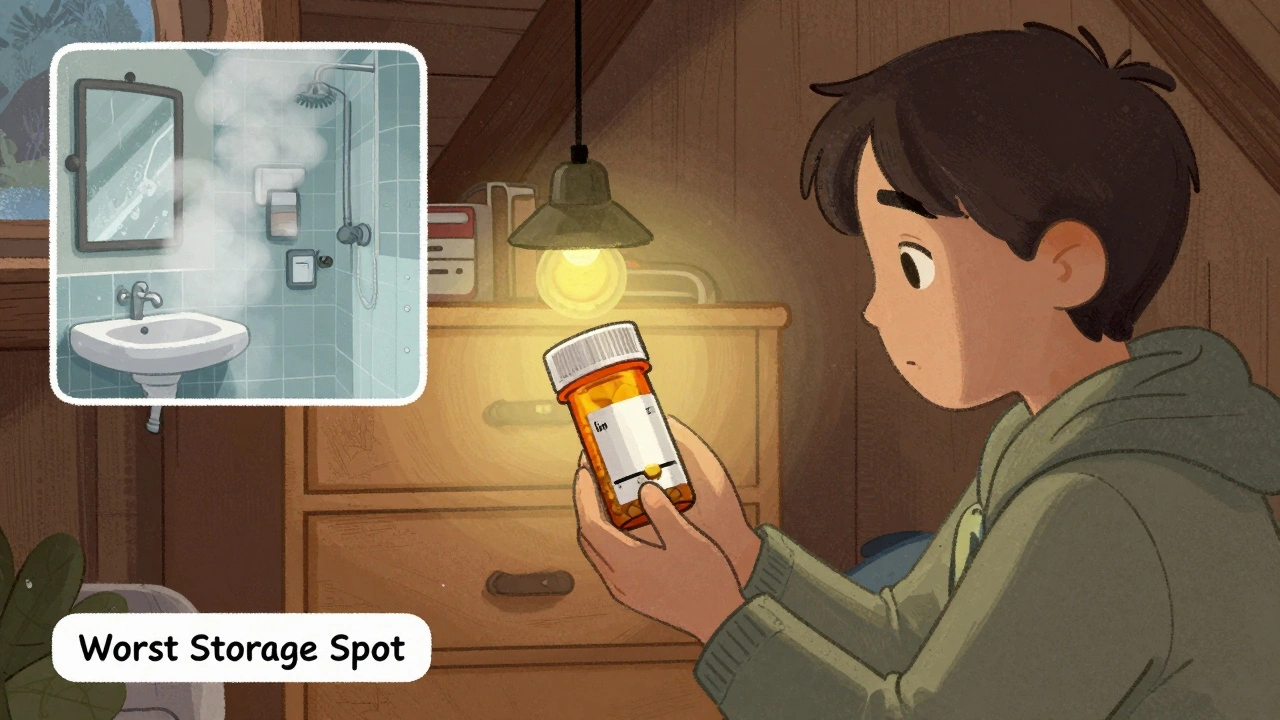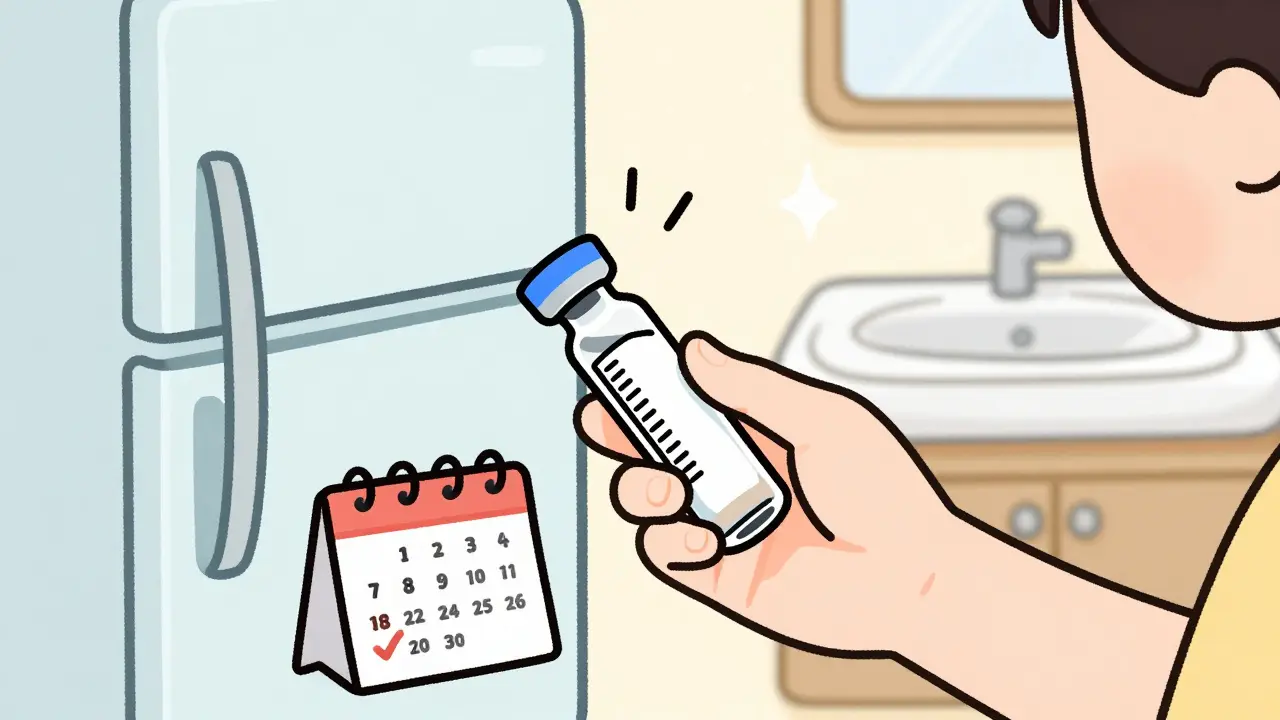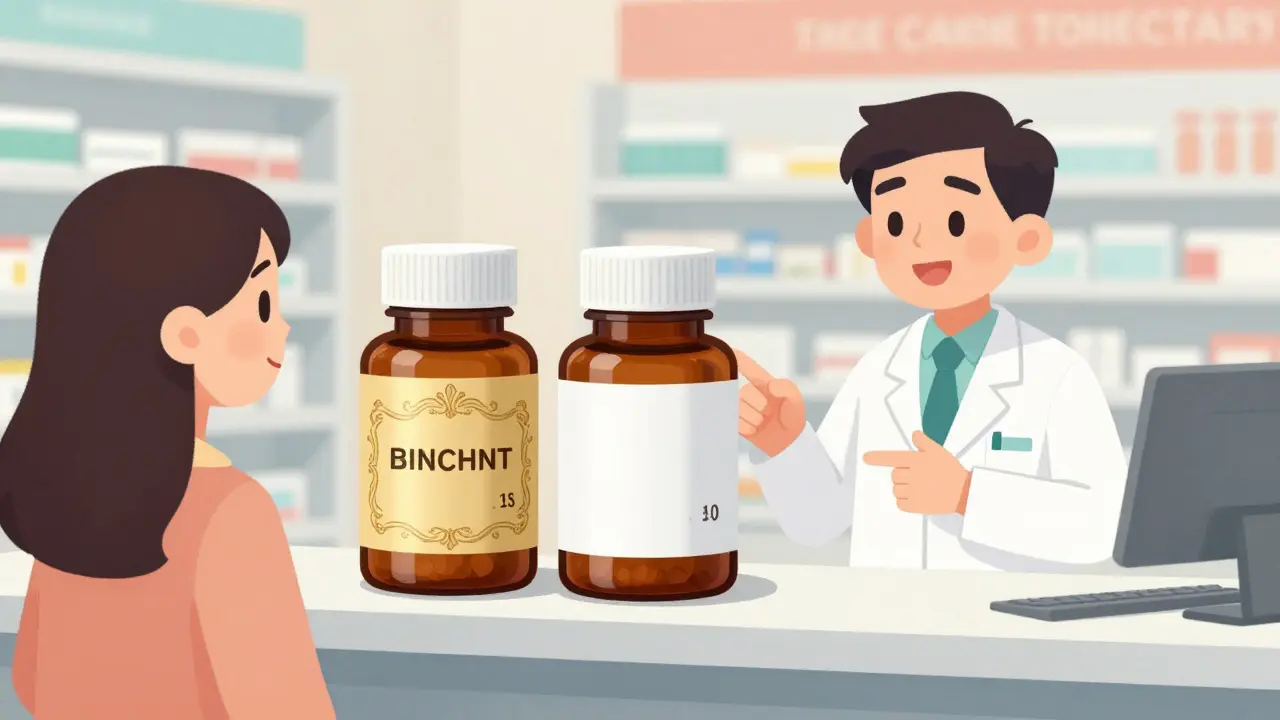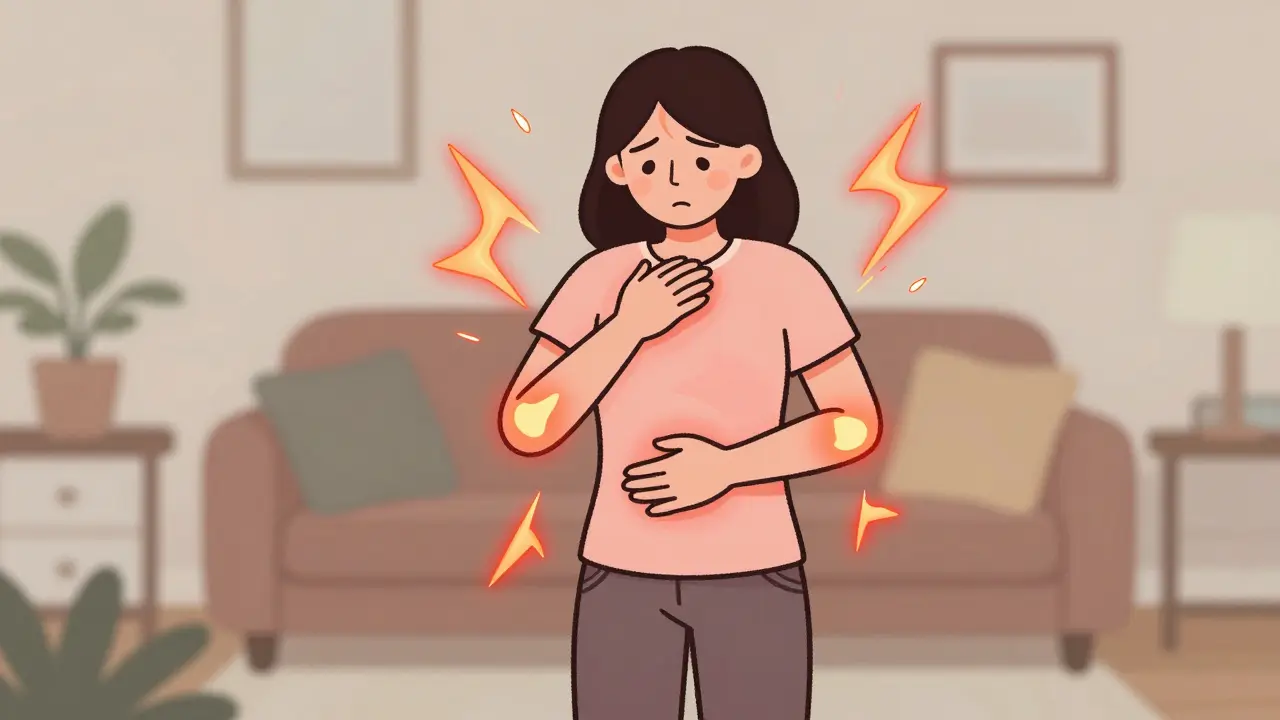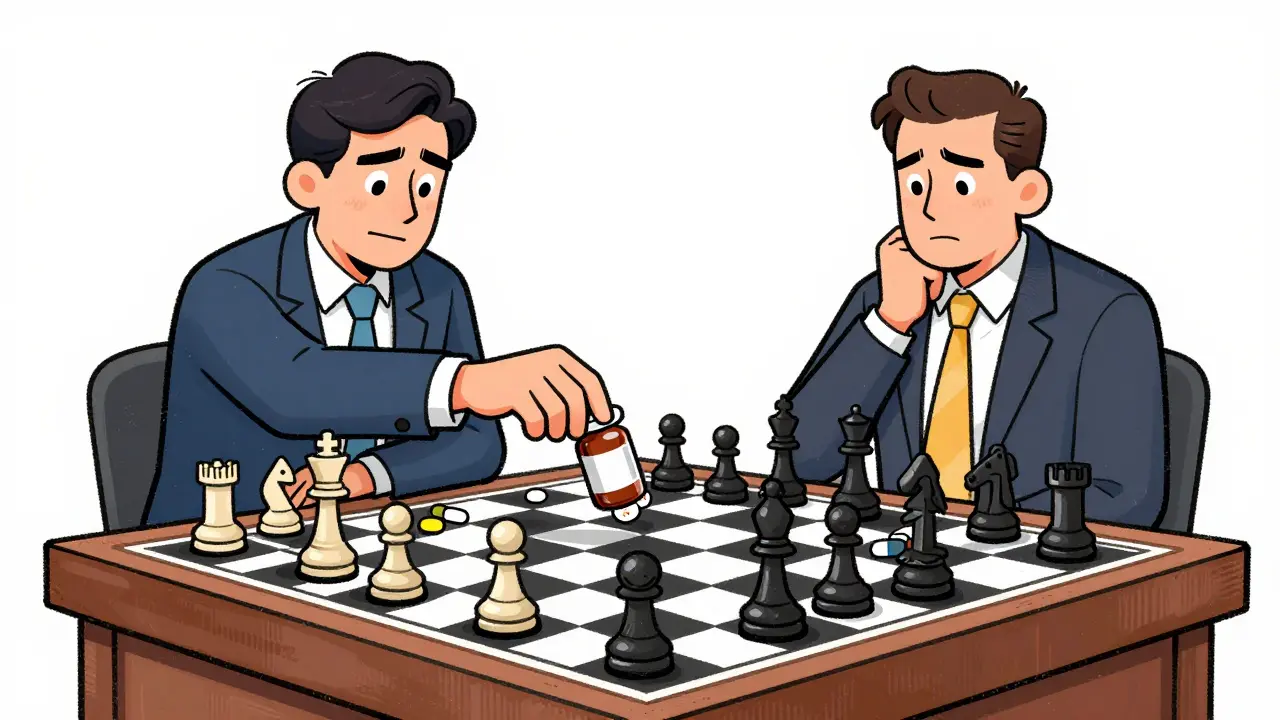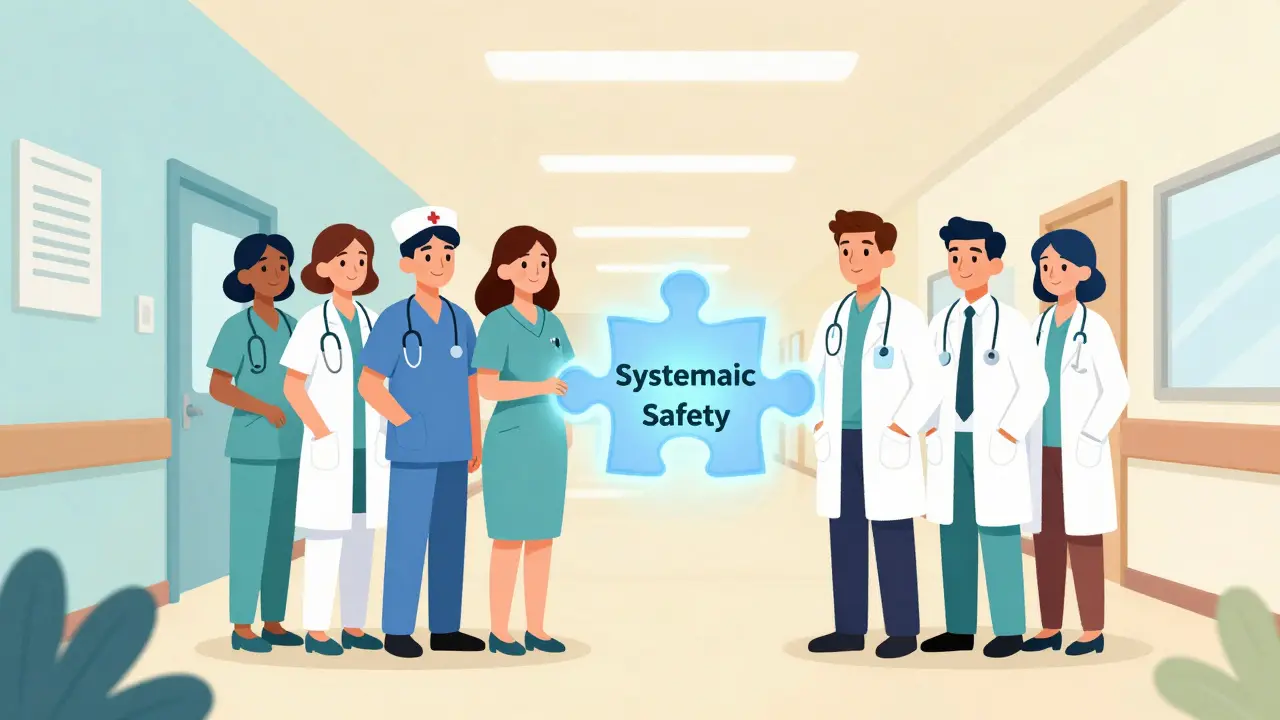
Imagine a hospital where a single digit typed incorrectly or a drug that looks like another leads to a life-altering mistake. It sounds like a nightmare, but for years, this was a silent reality in healthcare. Back in 1999, a groundbreaking report titled "To Err is Human" shocked the world by revealing that up to 98,000 people were dying every year in U.S. hospitals due to preventable medical errors. While we've come a long way since then, the risk hasn't vanished; it has just evolved. Today, medication safety isn't just about being careful-it's about building systems that make it nearly impossible for a human to fail.
The Real Cost of Medication Errors
When we talk about "errors," we aren't just talking about a missed dose. We're talking about any preventable event that leads to inappropriate medication use or patient harm. To put this in perspective, research from the National Coordinating Council for Medication Error Reporting and Prevention (NCC MERP) shows that medication errors alone account for roughly 7,000 deaths annually in the U.S. For the hospitals, the financial blow is just as heavy, with an estimated $21 billion in annual costs tied to these mistakes.
But it's not always about the catastrophic failures. Many patients experience "near-misses"-errors that were caught just in time. However, the frequency is startling. Some studies have suggested that in a typical hospital setting, there is at least one medication error per patient, per day. Whether it's a clinic or a massive medical center, the goal is the same: moving from a culture of blame to a culture of safety.
High-Alert Medications and How to Handle Them
Not all drugs carry the same risk. Some are what experts call High-Alert Medications is a category of drugs that bear a heightened risk of causing significant patient harm when used in error . Think of insulin, opioids, and anticoagulants. If you give a patient the wrong dose of a vitamin, it's a problem; if you give them the wrong dose of a potent anticoagulant, it's a crisis.
To manage these, the Institute for Safe Medication Practices (also known as ISMP) is a nonprofit organization dedicated to preventing medication errors and promoting safe medication use provides a specific list of high-risk drugs. Hospitals use this list to create "special safeguards." These aren't just suggestions; they are hard rules, such as:
- Independent Double-Checks: Having a second licensed professional verify the dose without being told what the first person calculated.
- Standardized Concentrations: Ensuring a drug is mixed the same way every time so there's no guesswork.
- Automated Dose Range Checking: Using software that flags a dose as "dangerously high" before it can even be ordered.
For instance, in obstetric care, Oxytocin is flagged as a high-alert medication. Because it's used to induce labor, a mistake in dosing can lead to severe complications for both the mother and the baby, requiring specialized protocols that differ from general ward safety.
The Gold Standard: ISMP Targeted Best Practices
While many hospitals follow broad guidelines from the Joint Commission, the ISMP "Targeted Medication Safety Best Practices" take a more surgical approach. Instead of general goals, they focus on specific, lethal scenarios. A great example is the handling of oral methotrexate. Because it's often taken once a week, but some patients might mistakenly take it daily, ISMP requires a "hard stop" in the electronic system.
A hard stop is a digital wall. If a doctor tries to order a daily dose of methotrexate, the system literally prevents the order from going through unless the doctor confirms a specific oncologic indication. Dr. Robert Wachter has noted that this single digital tweak has prevented an estimated 1,200 serious errors every year. It's a perfect example of using technology to compensate for human fatigue.
| Feature | Joint Commission (NPSG) | ISMP Targeted Best Practices |
|---|---|---|
| Focus | Broad national safety goals | Specific high-risk scenarios |
| Implementation | General standards | Mandatory, detailed requirements |
| Impact | Baseline safety improvement | 37% reduction in preventable harm (studied) |
| Resource Cost | Moderate | High (approx. $285k per hospital) |
Technology That Saves Lives
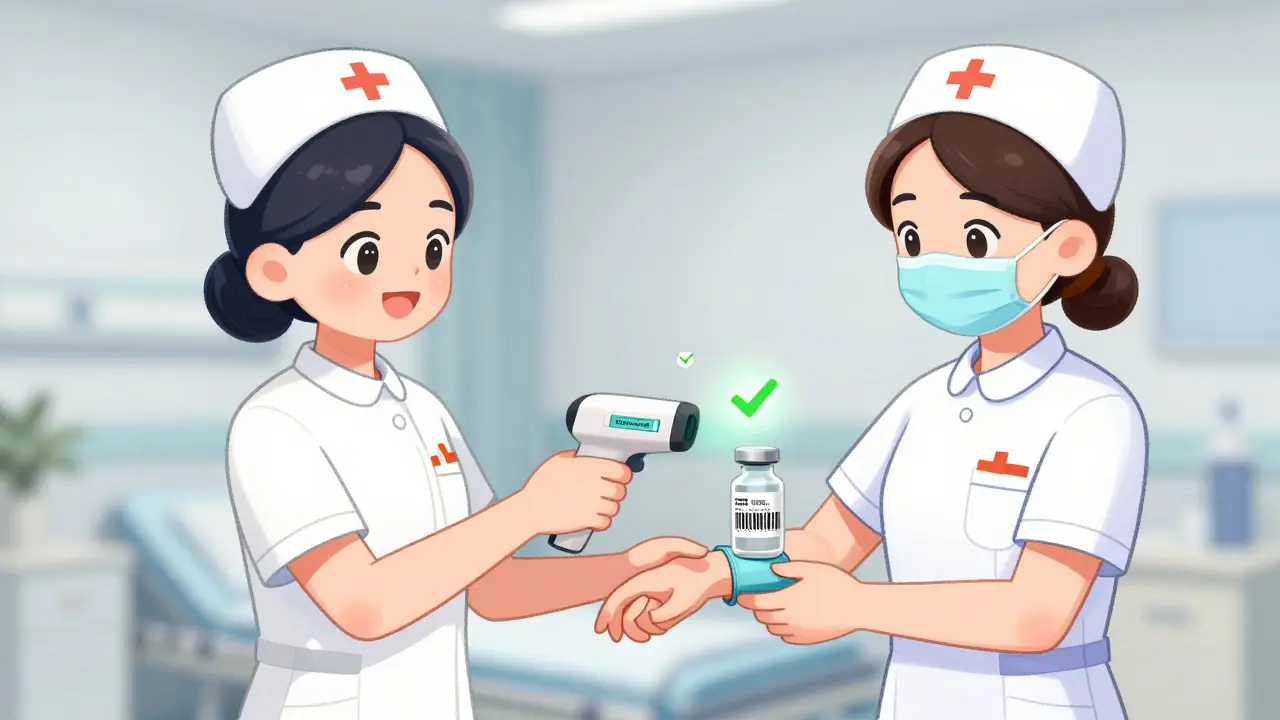
We can't rely on memory alone. Modern hospitals employ Barcode Medication Administration (BMA) is a system where nurses scan a barcode on the patient's wristband and the medication package to ensure a match . This creates a digital handshake: Right Patient, Right Drug, Right Dose, Right Route, and Right Time.
Beyond barcodes, the Electronic Health Record (EHR) is a digital version of a patient's paper chart that allows real-time data sharing across care teams acts as the central brain. When paired with Clinical Decision Support (CDS), the EHR can warn a doctor that a patient is allergic to a drug or that two prescribed medications will interact dangerously. According to an AHRQ study, hospitals with these comprehensive systems saw 55% fewer serious medication errors than those with only partial setups.
Looking ahead, we're seeing a shift toward artificial intelligence. By 2025, it's predicted that 75% of U.S. hospitals will use AI for real-time error detection, catching subtle patterns a tired human might miss during a midnight shift.
Practical Steps for Patients and Staff
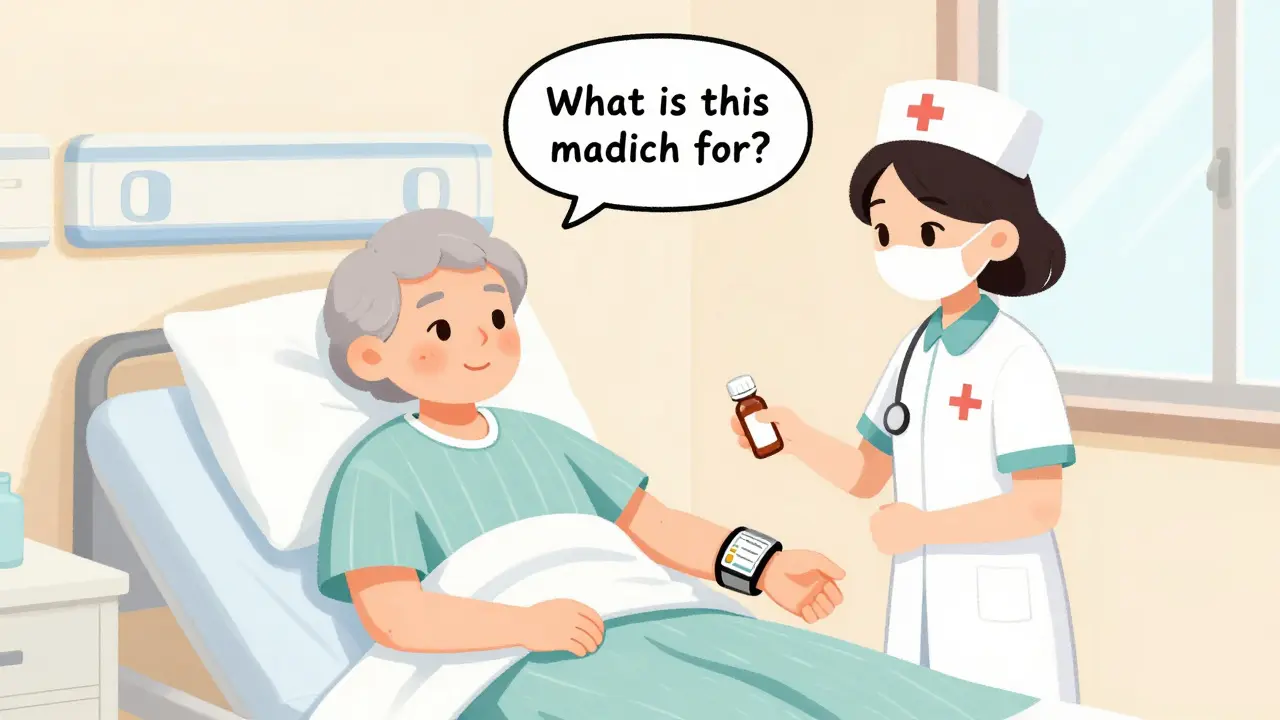
Safety is a two-way street. While the hospital provides the system, the patient is the final line of defense. One of the most effective tools is the "Right Patient Check." This is when staff verify your name and date of birth and check your wristband every single time a pill is handed to you. While it might seem repetitive, 68% of seniors report feeling significantly more confident when this protocol is strictly followed.
For staff, the challenge is often "implementation fatigue." When too many frameworks overlap, nurses and pharmacists can feel overwhelmed. The key is interdisciplinary teamwork. A successful rollout of a safety system usually takes 12 to 18 months and requires a mix of pharmacists, IT specialists, and frontline nurses to ensure the digital tools actually work in the chaos of a real ward.
If you are a patient or a caregiver, don't be afraid to ask: "What is this medication for?" or "Is this the usual dose?" Your input is a safety layer. In fact, pilot programs at institutions like the Mayo Clinic have shown a 32% improvement in error detection when patients are actively encouraged to provide feedback on their care.
What is the difference between a medication error and an adverse drug event?
A medication error is a preventable event that could cause inappropriate medication use or patient harm. An adverse drug event (ADE) is an injury resulting from the use of a drug. Not all ADEs are caused by errors (some are unexpected allergic reactions), but all medication errors that cause harm are ADEs.
Why are some medications labeled as "high-alert"?
High-alert medications are those that, while they may not be the most common drugs used, have a high risk of causing significant patient harm if a mistake is made. Examples include insulin and concentrated electrolytes, which require extra checks to prevent fatal outcomes.
How does a "hard stop" in an electronic system work?
A hard stop is a software constraint in the Electronic Health Record (EHR) that prevents a provider from completing an order until specific safety criteria are met. For example, it might force a doctor to select a specific diagnosis before allowing a high-risk dose of a drug to be approved.
Is medication safety only a concern in hospitals?
No, although hospitals have more complex systems, there has been a 47% rise in reported errors in ambulatory (outpatient) clinics between 2018 and 2022. Because of this, organizations like the ISMP are expanding their best practices to cover outpatient settings.
What can I do as a patient to ensure my medication is safe?
Always provide a complete, updated list of your current medications. Ask your nurse or doctor to explain what each new medication is for. Verify that the staff checks your ID wristband before administration, and feel free to speak up if a pill looks different than the one you usually take.
Next Steps for Healthcare Facilities
For clinics and hospitals looking to upgrade their safety protocols, the first step is a gap analysis. Compare your current process against the ISMP Targeted Best Practices. If you find that your staff is relying on memory rather than a system, start by implementing barcode scanning or updating your EHR with clinical decision support.
If you're in a resource-constrained setting, like a small community hospital, focus on the "low-hanging fruit" first: standardizing the concentrations of high-alert meds and enforcing the double-check rule for insulin. You don't need a million-dollar AI system to start saving lives; you just need a system where the safest path is the easiest path to follow.