
Key Takeaways for Managing Fibromyalgia
- Exercise is widely considered the most effective long-term treatment for reducing pain.
- Antidepressants are used to modulate pain signals in the brain, not just to treat mood.
- A multidisciplinary approach combining physical activity, therapy, and medication yields the best results.
- Slow titration of medications is critical to minimize side effects and avoid flare-ups.
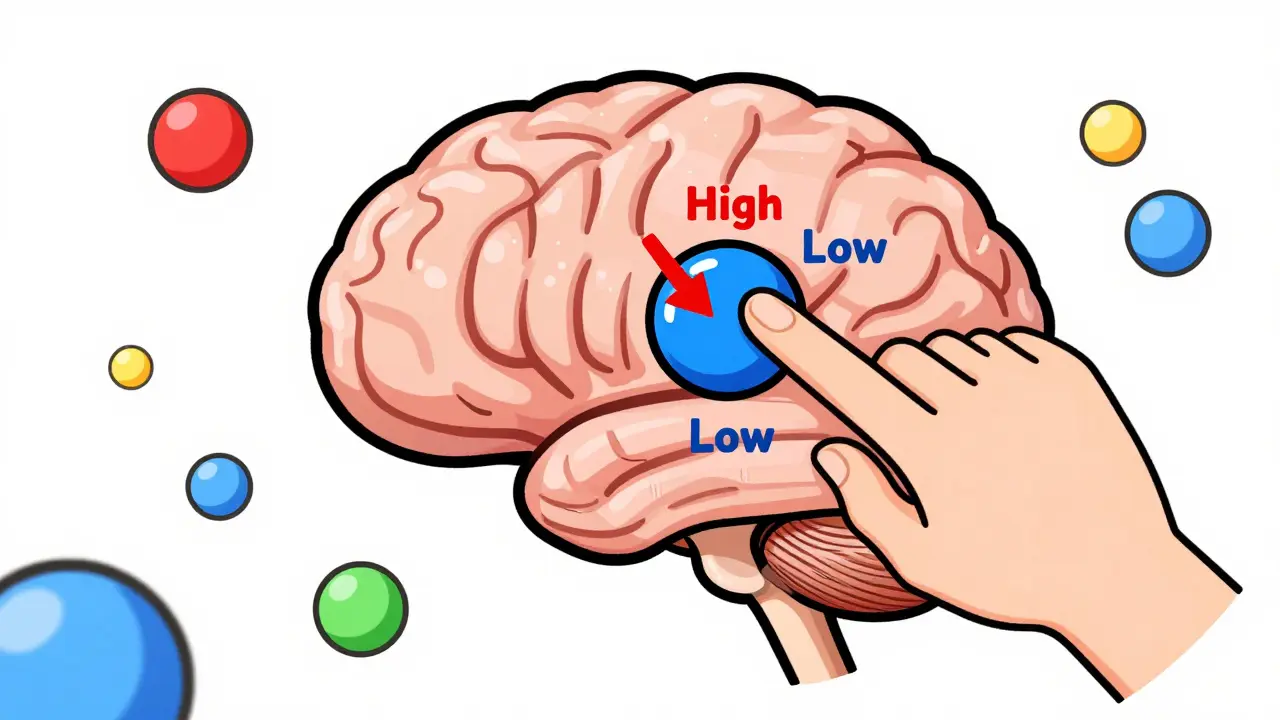
When we talk about fibromyalgia is a chronic musculoskeletal pain disorder characterized by widespread pain, fatigue, and sleep disturbances, we aren't just talking about "feeling sore." It's a complex condition where the brain and spinal cord process pain signals differently. This leads to what experts call central sensitization-basically, your volume knob for pain is turned up too high. Because of this, the tools we use to treat it have to target the nervous system, not just the joints or muscles.
Why Antidepressants for Physical Pain?
It can feel confusing, or even insulting, when a doctor suggests an antidepressant for physical pain. You might think, "But I'm not depressed!" Here is the secret: these medications aren't always being used for their mood-boosting properties. Instead, they are used to change how your brain processes pain signals. Antidepressants in this context act as neuromodulators. They increase the levels of neurotransmitters like serotonin and norepinephrine, which help dampen the pain signals traveling through your central nervous system.
Essentially, the goal is to "quiet" the overactive nerves. While they aren't typically the first choice-non-drug therapies usually come first-they provide a necessary bridge for people with moderate-to-severe symptoms who can't find relief through exercise alone.
Breaking Down the Medication Options
Not all antidepressants are created equal. Depending on your specific symptoms-whether you struggle more with insomnia or daytime fatigue-your doctor might choose a different class of medication.
The most common choices fall into two main buckets: SNRIs and TCAs.
SNRIs (Serotonin-Norepinephrine Reuptake Inhibitors) are FDA-approved specifically for fibromyalgia. Two big names here are duloxetine (Cymbalta) and milnacipran (Savella). Duloxetine usually starts at 30mg, while milnacipran begins lower, around 12.5mg. These are generally better for people who need a boost in daytime energy and pain reduction.
Then there are TCAs (Tricyclic Antidepressants), like amitriptyline. While not FDA-approved specifically for this condition, they are a staple in pain management. Because they can be very sedating, they are taken at bedtime. Starting at a tiny dose-sometimes just 5mg-can help a patient finally get restorative sleep, which in turn lowers their pain sensitivity the next day.
| Medication | Class | Typical Effect | Common Side Effects |
|---|---|---|---|
| Duloxetine | SNRI | Pain reduction, mood boost | Nausea, dizziness, anxiety |
| Milnacipran | SNRI | Pain relief, cognitive focus | Nausea, sweating, insomnia |
| Amitriptyline | TCA | Improved sleep, pain relief | Dry mouth, drowsiness, weight gain |
| Pregabalin | Gabapentinoid | Nerve pain reduction | Dizziness, somnolence, weight gain |
The Power of Movement: The First Line of Defense
If you ask almost any top pain specialist, they'll tell you: medication is the supporting actor, but exercise is the lead. The American College of Rheumatology (ACR) considers low-impact movement the single most effective way to manage the condition over the long haul. The catch? It's the hardest thing to start when you're in pain.
The key is the "10% rule." You can't jump into a gym routine overnight. If you start with a 15-minute walk and it feels okay, you only increase that by 10% the following week. This prevents the dreaded post-exercise flare-up. Specific modalities have shown impressive results:
- Tai Chi: Trials show a 20-30% improvement in pain levels over 12 weeks.
- Yoga: Helpful for reducing pain intensity by about 24%.
- Pilates: Great for core strength without putting too much stress on the joints.
When you combine these movements with Cognitive Behavioral Therapy (CBT), you attack the problem from both sides. CBT helps you rewire how your brain perceives the pain and teaches you coping strategies to handle the emotional toll of a chronic illness.
Realistic Expectations and Timelines
One of the biggest reasons people quit their treatment is that they expect an overnight miracle. Fibromyalgia management is a slow game. If you start a new medication or exercise plan today, here is what a typical response timeline looks like:
- Weeks 2-4: You might notice a slight improvement in sleep quality, especially if using TCAs like amitriptyline.
- Weeks 4-6: SNRIs like duloxetine typically start showing a noticeable reduction in pain levels.
- Weeks 8-12: This is where exercise programs really kick in, leading to better functional movement and less overall stiffness.
It's also important to watch for the "diminishing returns" effect. Some people find that medications work great for six months but then lose efficacy. This is why a multidisciplinary approach is non-negotiable. By layering exercise and therapy on top of medication, you create a more sustainable safety net for your health.

Common Pitfalls to Avoid
Many patients fall into the trap of "pushing through" the pain. In most fitness contexts, "no pain, no gain" is the motto. In fibromyalgia, that mindset is dangerous. Pushing too hard leads to a crash that can set you back weeks. Always prioritize pacing over performance.
Another common mistake is rapid titration. Some doctors may move patients to a full dose of duloxetine (60mg) too quickly, which can trigger severe anxiety or nausea. Slow, steady increases-often called "start low, go slow"-are far more successful in the long run.
Do I have to be depressed to take antidepressants for fibromyalgia?
No, not at all. In the case of fibromyalgia, these medications are used as "pain modulators." They change the chemicals in your brain to stop the pain signals from being amplified, regardless of whether you feel depressed or not.
Which is better: duloxetine or pregabalin?
It depends on your symptoms. Duloxetine is an SNRI that can help with both pain and mood/energy. Pregabalin is a gabapentinoid that is often more effective for specific nerve-like pain, but it is more likely to cause dizziness and weight gain.
Can exercise actually make my pain worse?
If you do too much too fast, yes. This is called a flare-up. To avoid this, use the "10% rule"-increase your activity by only 10% per week and stick to low-impact movements like Tai Chi or swimming.
How long does it take for these medications to work?
Patience is key. Sleep improvements can happen in 2-4 weeks, but significant pain reduction from SNRIs usually takes 4-6 weeks of consistent use.
Are there any alternatives to medications?
Yes, many people find success with acupuncture, CBT (Cognitive Behavioral Therapy), and structured low-impact exercise. The best results usually come from combining these with a low dose of medication.
Next Steps for Your Journey
If you are just starting your diagnosis, focus on the basics first. Start a simple activity log to track what triggers your flare-ups and what helps you recover. If you're considering medication, ask your doctor about a "slow titration" schedule to keep side effects manageable.
For those already on medication but feeling stuck, consider adding a complementary practice. Try a local Tai Chi class or a gentle yoga session once a week. The goal isn't to reach an Olympic level of fitness; it's to tell your nervous system that it's safe to relax.