

GLP-1 Weight Loss Estimator
When you think of diabetes medication, you probably picture pills that lower blood sugar. But today, some of the most talked-about drugs in health aren’t just helping people with diabetes-they’re reshaping how we treat obesity. Drugs like semaglutide and
How GLP-1 Agonists Actually Work
GLP-1 agonists mimic a natural hormone your body makes after eating. That hormone, called glucagon-like peptide-1, tells your pancreas to release insulin when blood sugar rises. But it also does something else: it slows down your stomach, so food takes longer to leave. And it talks to your brain, reducing hunger and making you feel full longer. It’s not magic-it’s biology. That’s why people on these drugs don’t just eat less. They stop craving junk food. The urge to snack fades. Meals feel satisfying with smaller portions.
Early versions like exenatide (Byetta) only helped a little. But newer drugs like semaglutide (Ozempic, Wegovy) and tirzepatide (Mounjaro, Zepbound) are game-changers. Tirzepatide is even more powerful because it hits two targets: GLP-1 and GIP, another hunger-regulating hormone. In clinical trials, people on the highest dose of tirzepatide lost nearly a fifth of their body weight over a year. That’s not a fluke. It’s consistent, measurable, and repeatable.
Weight Loss That Actually Lasts (For a While)
Most diets fail. People lose weight, then gain it back-often more than they lost. But with GLP-1 agonists, the results are different. In the STEP-1 trial, people using semaglutide lost an average of 14.9% of their body weight over 68 weeks. Compare that to the placebo group, who lost just 2.4% with the same lifestyle changes. That’s a six-fold difference.
And it’s not just about the number on the scale. People report feeling more energy, sleeping better, and having fewer joint pains. Blood pressure drops. Cholesterol improves. Liver fat decreases. One study tracking two million U.S. veterans found GLP-1 users had a 23% lower chance of seizures and a 17% lower risk of substance use disorders. That’s not something you see with traditional weight-loss pills.
But here’s the catch: these drugs only work as long as you take them. When people stop, they regain about half to 70% of the weight within a year. That’s not failure-it’s biology. Your body fights to return to its old weight. GLP-1 agonists are tools, not cures. They help you reset your appetite, but long-term success still needs diet, movement, and mindset.
Who Benefits the Most?
These drugs aren’t for everyone. They work best in people with type 2 diabetes, prediabetes, or obesity (BMI over 30). People with a BMI under 27 rarely see meaningful weight loss. And if you’re lean with no metabolic issues, the side effects might outweigh the benefits.
They’re especially powerful for people with heart disease. Semaglutide and liraglutide are the only diabetes drugs approved to reduce heart attacks, strokes, and death in people with existing cardiovascular disease. That’s huge. Most weight-loss drugs don’t even touch heart health. GLP-1 agonists do it while helping you lose weight.
Even people without diabetes are using them. In 2023, 60% of semaglutide prescriptions were written for weight loss-not diabetes. That’s off-label use, but it’s backed by strong evidence. The FDA approved Wegovy and Zepbound specifically for weight management. This isn’t a trend. It’s a medical shift.
The Side Effects No One Talks About Enough
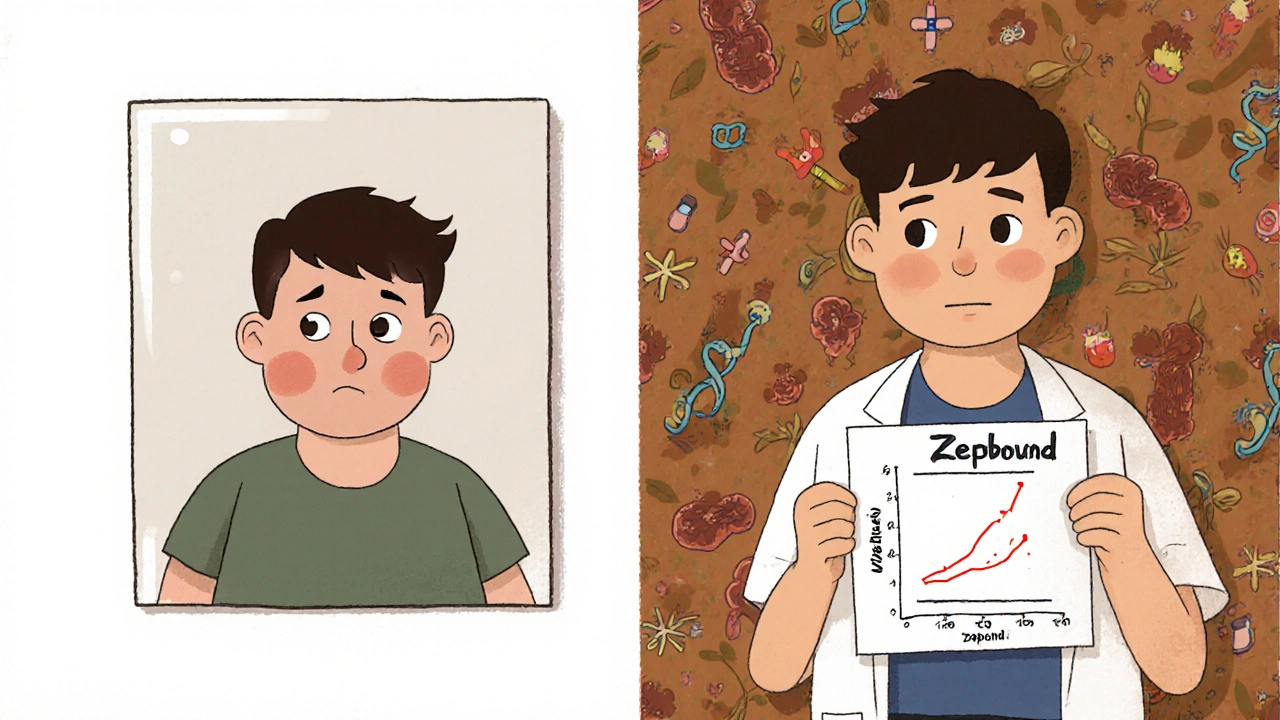
Yes, these drugs work. But they’re not gentle. About 30-50% of people experience nausea, vomiting, or diarrhea-especially when starting or increasing the dose. For many, it fades after a few weeks. But for others, it sticks around. On Reddit, users describe constant nausea that makes work impossible. Some quit because they couldn’t eat without feeling sick.
Then there’s the so-called “Ozempic face.” Long-term users report loss of facial volume, hollow cheeks, and skin that looks older. Harvard Health documented this in 42% of users after 12+ months. It’s not officially recognized as a medical side effect yet, but doctors are seeing it. It’s likely due to rapid fat loss in the face, not skin damage. Still, it’s a real concern for people who care about their appearance.
There’s also a small risk of pancreatitis (0.5-1% of users) and gallbladder problems. These aren’t common, but they’re serious. That’s why you need medical supervision. These aren’t over-the-counter supplements. They’re powerful drugs with real risks.
Cost and Access: The Biggest Barrier
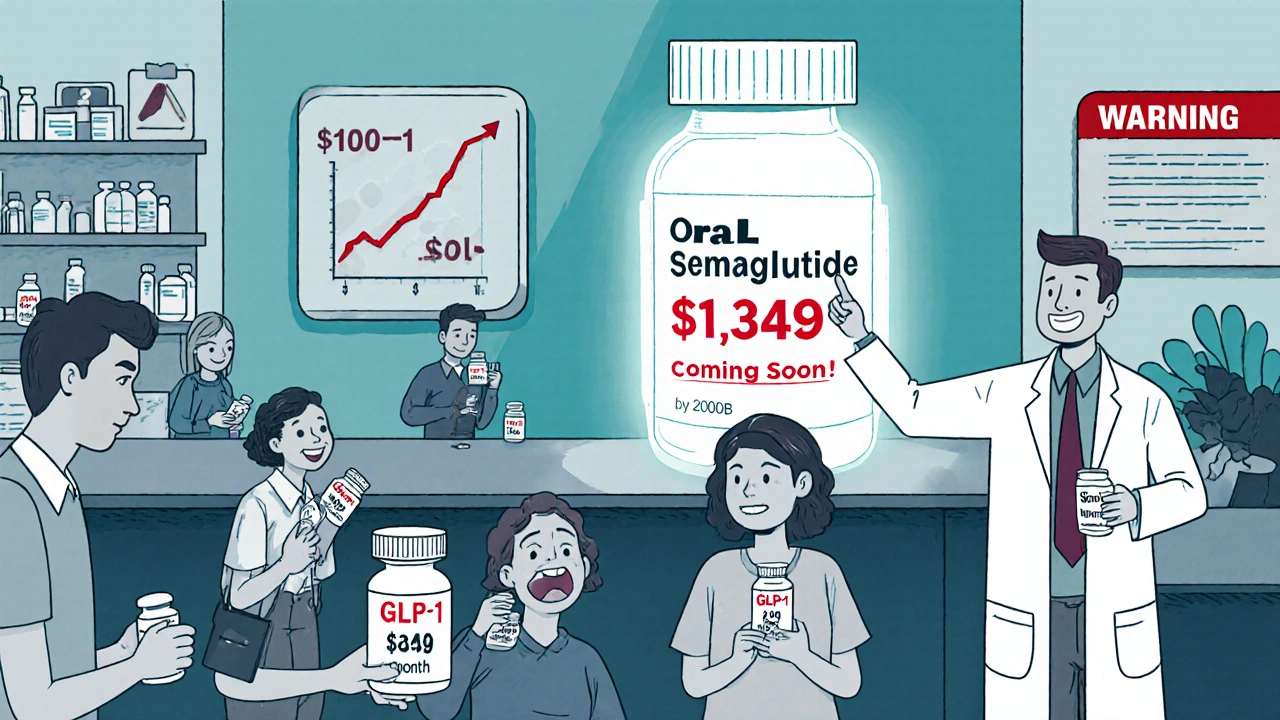
Wegovy costs about $1,349 a month without insurance. That’s more than most people spend on rent. Even with insurance, many plans don’t cover weight-loss uses. A 2024 survey found 58% of users struggled to get coverage. Some people split pills, skip doses, or buy from overseas pharmacies-risky moves that can lead to ineffective or unsafe treatment.
Novo Nordisk offers a patient assistance program that covers 75% of out-of-pocket costs for eligible people. But it’s complicated. You need to prove income, have a prescription, and jump through hoops. Companies like Amazon and Walmart are starting to include these drugs in employee health plans. That’s a sign things are changing-but slowly.
There are alternatives: telehealth services like Found and Calibrate bundle GLP-1s with coaching and nutrition. But they cost $99-$149 a month on top of the drug. That puts them out of reach for many.
What Comes Next?
The future of GLP-1 drugs is moving fast. Oral versions are coming. Novo Nordisk is testing a daily pill with 50 mg of semaglutide-much stronger than the current 7-14 mg version. If it works, people might skip injections entirely.
Triple agonists are in the pipeline. These drugs target GLP-1, GIP, and glucagon at once. Early results show even greater weight loss and better blood sugar control. Some are being tested for liver disease (NASH), Alzheimer’s, and depression.
And the market? It’s exploding. Global sales hit $35.7 billion in 2023. Analysts predict $100 billion by 2030. But if everyone who needs these drugs gets them, healthcare systems might collapse under the cost. Right now, only 2% of eligible people in the U.S. are using them. That gap isn’t just about access-it’s about affordability, education, and stigma.
What Should You Do?
If you have type 2 diabetes and are overweight, GLP-1 agonists are now a first-line option. The American Diabetes Association says so. If you have obesity and haven’t succeeded with diet and exercise, talk to your doctor. Don’t assume you’re not a candidate. Your BMI, blood sugar, and heart health matter more than your age or gender.
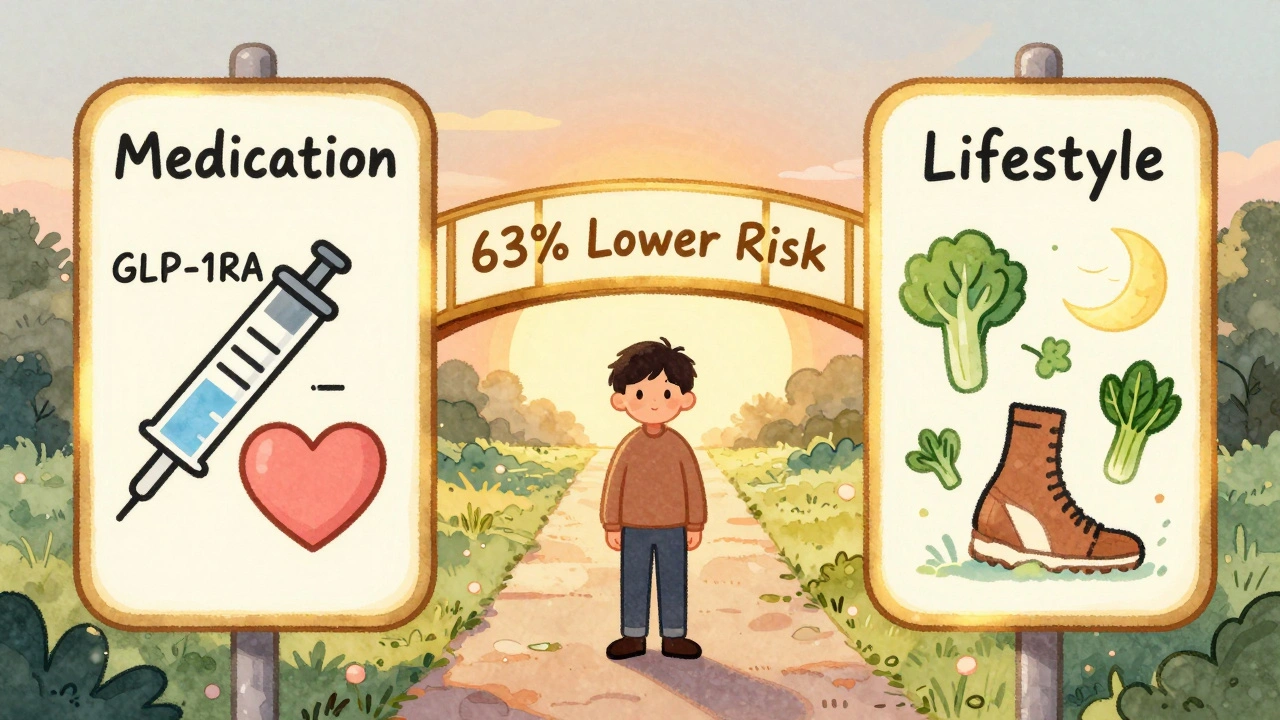
But don’t expect miracles. These drugs work best with lifestyle changes. A nutritionist, regular movement, and sleep hygiene still matter. And if you stop taking them, the weight will likely come back.
Don’t chase Instagram transformations. Focus on health. If your blood pressure drops, your cholesterol improves, and your energy rises, that’s real progress-even if the scale doesn’t budge as much as you hoped.
And if you’re considering these drugs for cosmetic reasons? Think again. The side effects, cost, and long-term uncertainty make them a poor choice for people without metabolic disease. They’re not beauty products. They’re medical tools with serious responsibilities.
Are GLP-1 agonists only for people with diabetes?
No. While they were first developed for type 2 diabetes, drugs like Wegovy and Zepbound are now FDA-approved specifically for chronic weight management in adults with obesity or overweight (BMI ≥27) with at least one weight-related condition. Many people without diabetes use them for weight loss, and clinical trials show strong results in this group.
How much weight can you lose on GLP-1 agonists?
Results vary by drug and dose. On semaglutide (Wegovy), most people lose 10-15% of their body weight over a year. With tirzepatide (Zepbound), up to 20% weight loss is common at the highest dose. In trials, about 60% of people on the 15 mg weekly dose of tirzepatide lost 20% or more of their starting weight. Individual results depend on starting weight, adherence, and lifestyle.
Why do GLP-1 agonists cause nausea?
GLP-1 agonists slow down gastric emptying-the rate at which food leaves your stomach. This helps you feel full longer, but it can also cause food to sit in your stomach longer than usual, leading to nausea, bloating, or vomiting, especially when starting or increasing the dose. Most side effects improve within weeks as your body adjusts. Doctors recommend starting with a low dose and increasing slowly to minimize this.
Can you take GLP-1 agonists long-term?
Yes, they’re designed for long-term use. Unlike diet pills meant for short-term use, GLP-1 agonists are approved for ongoing treatment of obesity and type 2 diabetes. However, weight typically returns if you stop taking them-often 50-70% within a year. Long-term use requires ongoing medical monitoring for side effects like gallbladder issues or pancreatitis, which are rare but possible.
Is it safe to buy GLP-1 agonists online without a prescription?
No. Buying these drugs without a prescription is dangerous. Many online sellers offer counterfeit, diluted, or contaminated versions. The FDA has issued warnings about fake semaglutide and tirzepatide. Without medical supervision, you risk improper dosing, missed side effects, or interactions with other medications. Always get these drugs through a licensed provider and pharmacy.
Do GLP-1 agonists help with mental health?
Emerging research suggests yes. A 2024 study of two million U.S. veterans found GLP-1 users had 14% lower rates of suicidal thoughts, 17% lower risk of substance use disorders, and 11% lower incidence of psychotic disorders like schizophrenia. The exact reasons aren’t clear, but it may be linked to reduced inflammation, better blood sugar control, or direct effects on brain regions involved in mood and reward. More research is needed, but these findings are promising.
Final Thoughts
GLP-1 agonists are one of the most significant medical advances in decades-not because they’re perfect, but because they work where so many others failed. They treat the root of obesity: appetite dysregulation. They don’t just help you lose weight. They help you feel less hungry, more in control, and more healthy.
But they’re not a quick fix. They require commitment, medical oversight, and realistic expectations. The hype is real. The results are real. But so are the costs, side effects, and long-term challenges. If you’re considering them, talk to your doctor-not a social media influencer. Your health is worth more than a viral post.
Gus Fosarolli
November 28, 2025 AT 13:16Evelyn Shaller-Auslander
November 30, 2025 AT 06:46Ron Prince
December 2, 2025 AT 02:13Sarah McCabe
December 3, 2025 AT 02:15King Splinter
December 4, 2025 AT 19:29Kristy Sanchez
December 5, 2025 AT 16:13Michael Friend
December 7, 2025 AT 00:21Jerrod Davis
December 8, 2025 AT 05:05Dominic Fuchs
December 10, 2025 AT 02:07Jim Daly
December 11, 2025 AT 16:15Tionne Myles-Smith
December 13, 2025 AT 05:55