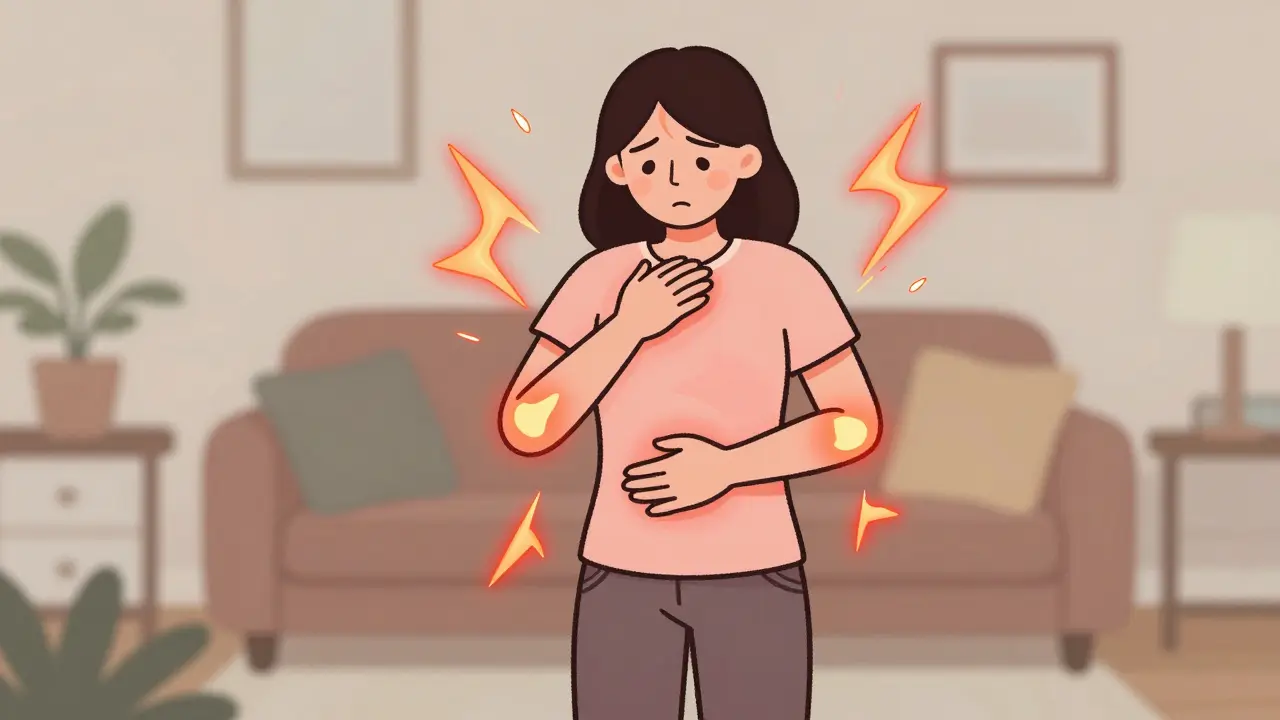
INR Stability & TTR Estimator
Enter your recent INR readings to calculate your Time in Therapeutic Range (TTR). A TTR below 65% typically indicates "unstable" levels.
Key Takeaways
- Low-dose Vitamin K (usually 150 mcg) can reduce extreme INR spikes and drops.
- It works by providing a consistent daily amount of the vitamin, removing the "guesswork" of dietary intake.
- You will likely need a higher dose of Warfarin to maintain the same effect.
- This is specifically for people with "unstable" INR (TTR under 65%) who can't stabilize through diet alone.
- Always coordinate this with your hematologist; doing it alone is dangerous.
Why Your INR Swings in the First Place
To understand why a supplement helps, you first have to understand the battle happening in your liver. Warfarin works by blocking VKORC1, an enzyme that recycles vitamin K. Your body needs vitamin K to produce clotting factors. When Warfarin blocks the recycle bin, your blood takes longer to clot, which is exactly what you want if you have a heart valve or a history of clots.
The problem is that Warfarin is incredibly sensitive. If you eat a giant bowl of spinach one day (high in vitamin K) and nothing green the next, your INR will react. A sudden surge of vitamin K "overpowers" the Warfarin, dropping your INR and increasing clot risk. Too little vitamin K, and the Warfarin becomes too powerful, spiking your INR and increasing bleeding risk. For about 30-50% of patients, this diet-driven variability is impossible to manage perfectly.
The Logic of Low-Dose Vitamin K Supplementation
The goal of taking a phylloquinone (Vitamin K1) supplement isn't to stop the Warfarin from working, but to stop the variability. Think of it like filling a bucket with water. If you pour water in randomly-sometimes a gallon, sometimes a drop-the water level fluctuates wildly. But if you set up a steady drip, the level stays constant. You can then adjust the "drain" (your Warfarin dose) to exactly where it needs to be.
Research, including a landmark study published in Blood, found that patients with unstable INRs typically had much lower dietary vitamin K intake than stable patients. By adding a consistent, low dose of 150 mcg of Vitamin K1 daily, clinicians can essentially "level out" the patient's baseline. This reduces the frequency of extreme INR excursions-those dangerous moments where your level is below 1.5 or above 4.5.
| Feature | Standard Management (Dietary Focus) | Low-Dose Vitamin K Supplementation |
|---|---|---|
| Approach | "Keep greens consistent" | Fixed daily dose (e.g., 150 mcg) |
| INR Stability | Highly dependent on daily food choices | Less affected by minor dietary changes |
| Warfarin Dose | Standard therapeutic dose | Typically requires a slight increase |
| Primary Goal | Maintaining target INR | Reducing extreme fluctuations |
| Cost | Free (lifestyle change) | Very low (generic K1 tablets) |

What to Expect During Implementation
You can't just start a supplement and expect your INR to behave tomorrow. In fact, the first few weeks can be a bit nerve-wracking. When you first start taking 150 mcg of Vitamin K, your INR will likely drop. This is normal. It means the supplement is working, and your doctor will need to gradually increase your Warfarin dose to compensate.
Typical protocols follow a specific pattern:
- Baseline Tracking: Your doctor tracks your Time in Therapeutic Range (TTR)-the percentage of time your INR is between 2.0 and 3.0. If your TTR is below 65%, you're a candidate.
- The Initiation: You start the 150 mcg dose of Vitamin K1.
- Tight Monitoring: For the first month, you'll likely need weekly INR tests. Your doctor might increase your Warfarin by 0.5mg to 1.5mg daily to balance the new vitamin intake.
- The Stabilization Phase: After 4 to 8 weeks, the "lag effect" wears off, and your levels should begin to plateau.
Who This Is (And Isn't) For
This strategy isn't a magic pill for everyone. It works best for people with "unexplained instability"-those who follow their diet and take their meds on time but still see their INR jump around. It is a pharmacological solution to a biological problem.
However, it is not recommended for everyone. If you have a mechanical heart valve in the mitral position, your target INR is higher (2.5-3.5), and the risks of a drop are too dangerous to gamble with. Similarly, if you have a history of very recent clots or active malignancy, this approach is usually avoided. Most importantly, if you struggle with medication adherence-meaning you often forget to take your Warfarin-a supplement won't help. In fact, it might mask the fact that you're missing doses, which is a dangerous scenario.
Comparing Supplements to Other Options
If you're struggling with Warfarin, you've probably heard about Direct Oral Anticoagulants (DOACs) like apixaban or rivaroxaban. These are the "modern" blood thinners that don't require INR testing. For many, switching to a DOAC is the best move because it removes the need for monitoring entirely.
But for a specific group-about 20% of patients-DOACs aren't an option. People with antiphospholipid syndrome or mechanical heart valves must use Warfarin. For these patients, the choice is between expensive point-of-care monitoring devices (which can cost up to $1,000) or a low-cost supplement strategy. Vitamin K supplements offer a way to stabilize the blood chemistry itself rather than just monitoring the instability more closely.
Potential Pitfalls and Expert Warnings
While the data is promising, some experts warn that this approach can be a double-edged sword. The main risk is the "false sense of security." If a patient starts taking Vitamin K and their INR seems stable, they might stop being as careful with their diet or their dose.
There is also the issue of "masking." If your INR is unstable because you are interacting with other medications or supplements, adding Vitamin K might hide that interaction without solving the root cause. This is why the European Heart Rhythm Association suggests this only as a secondary option-after you've already tried optimal management and dietary counseling.
Will taking Vitamin K supplements stop Warfarin from working?
Not if the dose is low and controlled. The goal of 150 mcg is to provide a consistent baseline. Because you'll be taking the same amount every day, your doctor can simply adjust your Warfarin dose upward to keep you in your therapeutic range. It doesn't "cancel out" the medication; it just makes the medication's effects more predictable.
Can I just eat more spinach instead of taking a supplement?
In theory, yes, but in practice, no. The whole point of the supplement is precision. A bowl of spinach can vary wildly in its actual vitamin K content based on the soil, the freshness, and how it's cooked. A 150 mcg tablet is exactly 150 mcg every single time. That precision is what stabilizes the INR.
How long does it take to see if this is working?
You generally won't see a stable pattern for 4 to 8 weeks. There is a "lag effect" where your INR will fluctuate while your doctor titrates your Warfarin dose to match the supplement. Do not give up or change your dose after two weeks; it takes time for the body's coagulation factors to reach a new equilibrium.
What is a "normal" target for TTR?
Time in Therapeutic Range (TTR) is the percentage of time your INR stays within the goal (usually 2.0-3.0). Most clinicians aim for a TTR of 65% or higher. If you are consistently below 65%, you are considered "unstable," which is when low-dose Vitamin K supplementation is typically discussed.
Is this safe for people with kidney disease?
Many people with severe renal impairment must use Warfarin because DOACs aren't always suitable. While Vitamin K supplementation can be used in these patients, they often have even more volatile INRs. New studies are specifically looking at the hemodialysis population to see if this strategy works as well for them as it does for the general population.
Next Steps for Patients
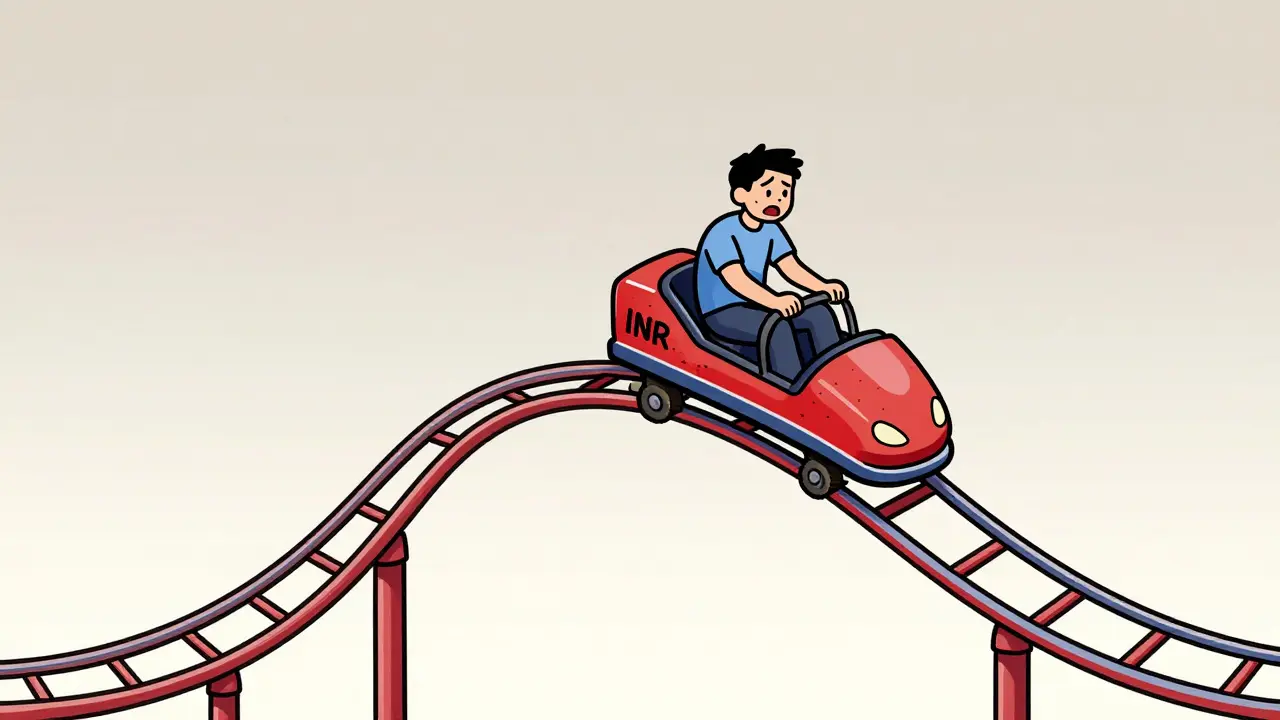
If you feel like your INR is a rollercoaster, don't start a supplement on your own. First, keep a detailed log of your INR values and your green vegetable intake for two weeks. Take this data to your hematologist and ask specifically about "low-dose phylloquinone supplementation for INR stabilization."
If you decide to try it, be prepared for a month of frequent blood tests. Set a calendar alert for your weekly checks and keep a notebook of exactly how your doctor adjusts your Warfarin dose. The path to stability is a slow climb, not a jump, but for those who qualify, it can mean far fewer clinic visits and much more peace of mind.