
Tylenol Safety: What You Need to Know About Acetaminophen Risks and Safe Use
When you reach for Tylenol, a brand name for the pain reliever acetaminophen, commonly used for fever and mild to moderate pain. Also known as paracetamol, it’s one of the most trusted over-the-counter medications in the world. But here’s the catch: Tylenol is safe only if you use it exactly right. Take too much—even just a little too much over a few days—and it can silently wreck your liver. No warning signs. No pain. Just damage that shows up too late.
You don’t need to take ten pills at once to cause harm. Many people don’t realize that Tylenol hides in dozens of other meds—cold remedies, sleep aids, prescription painkillers like Vicodin or Percocet. One study found that nearly 40% of acetaminophen overdoses happen because people didn’t know they were doubling up. That’s why reading OTC drug labels, the small print on medicine bottles that lists active ingredients and warnings isn’t optional—it’s life-saving. If you’re taking more than one product, check the active ingredient list every time. Acetaminophen is the name you’re looking for. Don’t trust the brand name. Look for the chemical.
Some people think Tylenol is safer than ibuprofen because it doesn’t hurt the stomach. That’s true—but it doesn’t mean it’s harmless. People with liver disease, heavy drinkers, or those on certain antibiotics or seizure meds are at higher risk. Even a normal dose can be dangerous if your liver is already under stress. And don’t assume "natural" or "herbal" means safe. Some supplements boost liver enzyme activity and change how your body processes acetaminophen, turning a safe dose into a toxic one.
The good news? Tylenol is perfectly safe when used as directed. For most adults, that’s no more than 3,000 to 4,000 milligrams in 24 hours—spread out, not all at once. If you’re over 65, have liver issues, or take other meds regularly, talk to your pharmacist. They’re trained to spot hidden risks in your pill cabinet. And if you ever suspect you’ve taken too much, don’t wait for symptoms. Go to the ER. There’s a treatment that works if given early, but it’s useless if you delay.
Below, you’ll find real, practical guides on how to read medicine labels, avoid dangerous combinations, and understand what’s really in the bottles you’re taking. These aren’t theory pieces—they’re tools to help you stay safe every day.
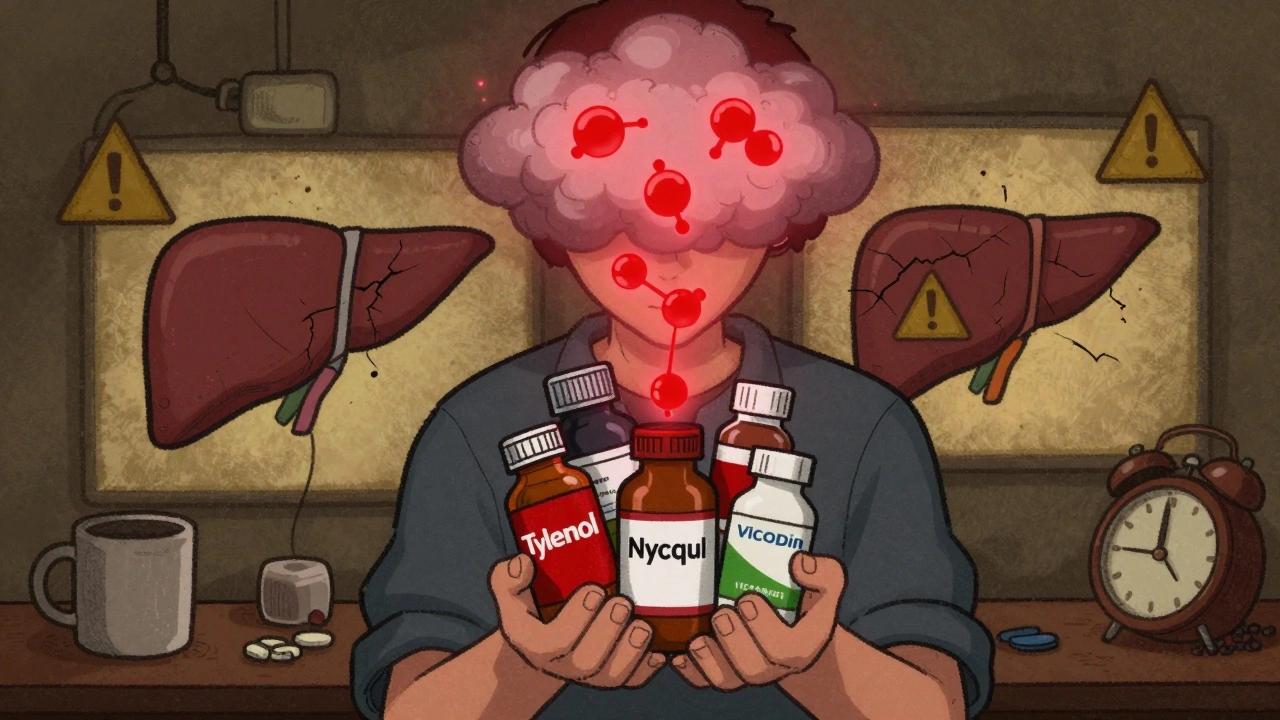
Acetaminophen and Liver Disease: Safe Dosing to Avoid Hepatotoxicity
Acetaminophen is safe for most people - but for those with liver disease, even normal doses can cause serious harm. Learn the real safe limits, hidden risks, and how to avoid accidental overdose.