
Therapeutic Equivalence: What It Means for Generic Drugs and Your Health
When you hear therapeutic equivalence, the official standard that says two drugs produce the same clinical effect and safety profile in patients. Also known as bioequivalence, it’s the reason your pharmacist can swap your brand-name pill for a cheaper generic without asking your doctor. This isn’t just paperwork—it’s what keeps your prescriptions affordable and your treatment consistent.
Therapeutic equivalence is enforced by the FDA through the Abbreviated New Drug Application (ANDA), the process that lets generic manufacturers prove their drug matches the brand in strength, dosage, and how the body absorbs it. It’s not enough for generics to have the same active ingredient—they must deliver it the same way, in the same amount, at the same speed. That’s why a 20mg tablet of generic lisinopril works just like the brand version, and why you won’t suddenly feel different after switching. But it’s not magic. If a drug has a narrow therapeutic index—like warfarin or thyroid meds—your doctor might still prefer the brand, because even tiny differences in absorption can matter.
Therapeutic equivalence also connects to authorized generics, the exact same pills as the brand, made by the same company but sold under a generic label. These aren’t copies—they’re identical twins. You’ll find them in the same blister packs, same fillers, same manufacturing line. And then there’s the flip side: when supply chains break down, or when counterfeit drugs slip in, therapeutic equivalence goes out the window. That’s why the FDA’s Orange Book lists every approved generic and its equivalence rating—so you and your provider know exactly what you’re getting.
What you’ll find below are real stories from people who’ve switched from brand to generic, doctors explaining why some drugs demand extra caution, and deep dives into how the system works—or sometimes fails. From statins for seniors to GLP-1 agonists and biosimilars, every article here ties back to one question: does this drug work the same, and can you trust it? No fluff. Just facts you can use.
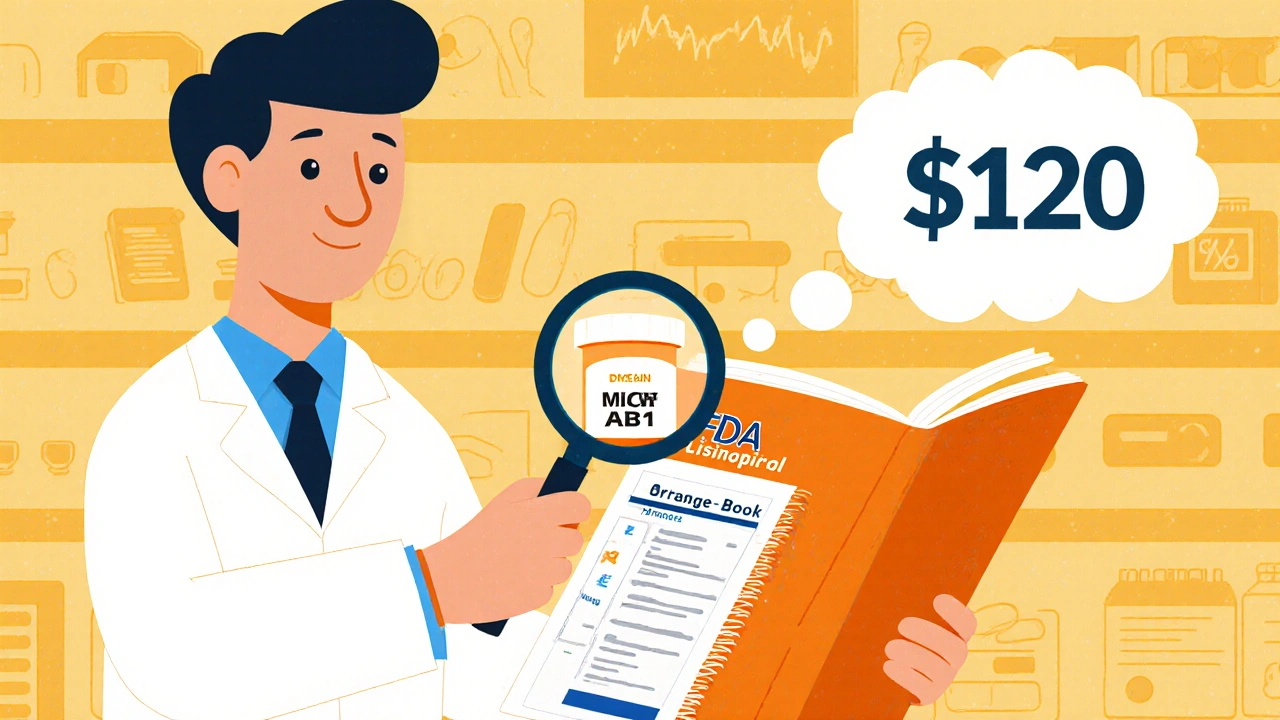
How Pharmacists Communicate Generic Recommendations to Prescribers
Pharmacists play a key role in recommending generic medications to prescribers using FDA guidelines, bioequivalence data, and structured communication to improve adherence, reduce costs, and ensure patient safety.