
Supply Chain Integrity in Pharmaceuticals: What It Means and Why It Matters
When you pick up a pill bottle, you expect it to work exactly as it should. That trust doesn’t come from luck—it comes from supply chain integrity, the system that ensures pharmaceuticals are manufactured, stored, transported, and distributed without tampering, contamination, or fraud. Also known as pharmaceutical supply chain security, it’s the invisible guardrail keeping fake, expired, or diluted drugs off the shelf. Without it, even the most carefully designed medicine can become dangerous—or useless.
This isn’t just about big labs and warehouses. generic drug approval, the process the FDA uses to let cheaper versions of brand-name drugs enter the market. Also known as ANDA process, it’s deeply tied to supply chain integrity. If a generic manufacturer cuts corners on sourcing active ingredients or skips quality checks, the whole system breaks. That’s why the FDA doesn’t just approve the formula—it tracks where every batch comes from. The same goes for FDA regulations, the rules that force manufacturers to document every step from raw material to patient’s hand. Also known as cGMP standards, they’re what stop counterfeit drugs from slipping into the system. And it’s not just about big companies. Even small pharmacies and online sellers must follow these rules—or risk putting lives at risk.
Think about how many hands a single pill touches: the chemist who makes it, the warehouse that stores it, the truck that ships it, the distributor that sends it out, the pharmacist who dispenses it. Any weak link—poor storage, unverified suppliers, forged labels—can compromise the medicine. That’s why medication safety, the outcome of a clean, traceable supply chain. Also known as drug safety, it’s not just about side effects. It’s about knowing your drug hasn’t been swapped, diluted, or exposed to heat that ruins its potency. The posts below show how this plays out in real life: from how patents affect generic access, to why some drugs interact dangerously with food, to how patients can verify their prescriptions are real. These aren’t isolated issues—they’re all connected to the chain that delivers your medicine to you.
What you’ll find here isn’t theory. It’s real stories—from how imatinib changed cancer care under strict supply controls, to why pomegranate juice might seem risky but isn’t, to how patients can use secure messaging to double-check their meds. Each article is a piece of the puzzle. Together, they show how supply chain integrity isn’t a bureaucratic hassle. It’s the reason your medicine still works when you need it most.
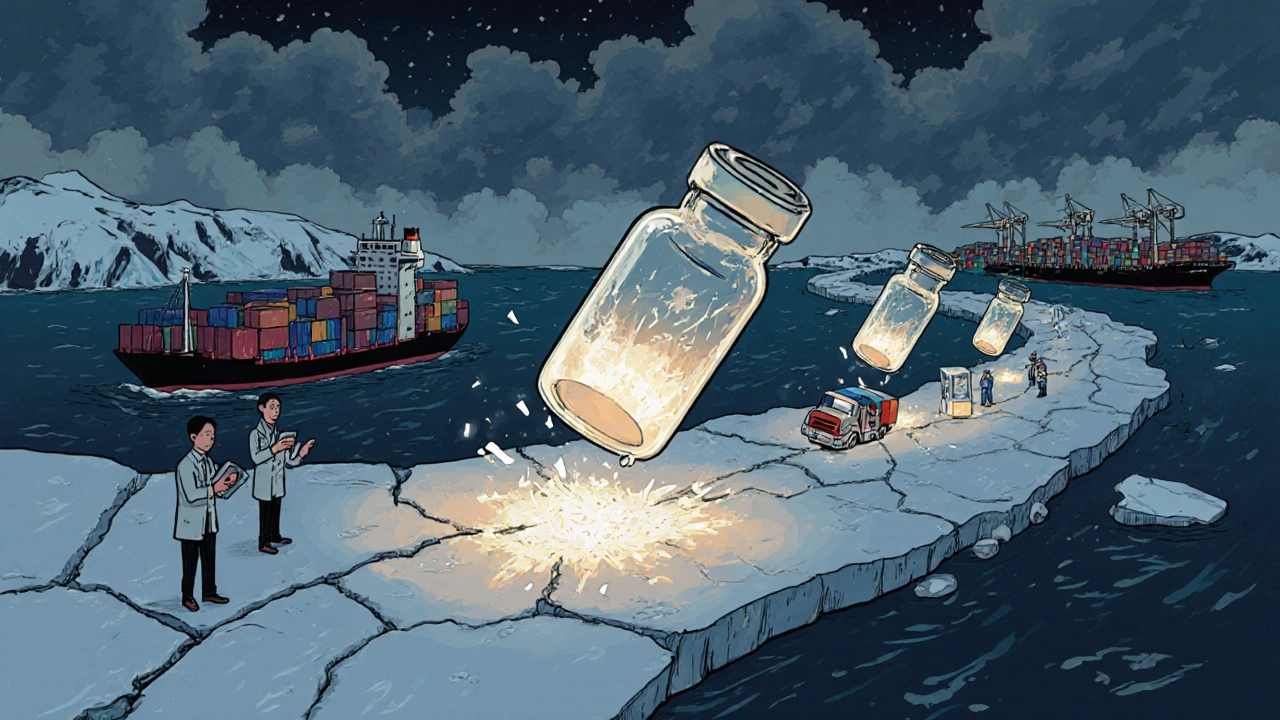
Pharmaceutical Supply Chain Quality: How Broken Systems Put Patients at Risk
Pharmaceutical supply chain failures cause drug shortages, counterfeit medicines, and dangerous substitutions that directly harm patients. Learn how broken logistics impact safety and what’s being done to fix it.