
Safe Dosing: How to Avoid Medication Errors and Stay Protected
When it comes to safe dosing, the practice of using medications at the correct amount, frequency, and duration to avoid harm while achieving therapeutic benefit. Also known as correct medication use, it’s not just following the label—it’s understanding how your body, other drugs, and even your diet interact with what you’re taking. Too little and the medicine won’t work. Too much and you could end up in the ER. Every year, over 1.3 million people in the U.S. are injured because of medication errors—and most of them are preventable.
Drug interactions, when two or more medications affect each other’s behavior in your body. Also known as medication conflicts, they’re behind many dangerous outcomes. Take ACE inhibitors with potassium-sparing diuretics, and your potassium can spike to deadly levels. Mix estrogen with warfarin, and your blood thinning can swing out of control. Even something as simple as pomegranate juice—often thought to be risky like grapefruit—turns out to be mostly safe for most people. These aren’t theoretical risks. They show up in real patients, every day.
Overdose prevention, the active process of recognizing warning signs and taking steps before harm occurs. Also known as medication safety planning, it starts with reading OTC drug facts labels like they’re instructions for your life. That tiny print on the bottle? It tells you active ingredients, warnings, and how much is too much. Many people don’t realize that two different cold medicines can have the same painkiller in them—doubling your dose without knowing it. Safe dosing means checking every pill, every time. It means asking your pharmacist: "Is this safe with what else I take?" It means knowing that pravastatin is gentler on older adults than other statins, or that benzodiazepines might help sleep tonight but could trap you in dependence next month.
Safe dosing isn’t just for pills. It applies to supplements, herbal products, even over-the-counter creams. Fluocinolone might stop athlete’s foot itching, but it won’t kill the fungus—and could make it worse. AREDS2 vitamins help slow advanced macular degeneration, but they do nothing for early stages. And if you’re on gender-affirming hormones, those can interact with HIV meds or antidepressants in ways your doctor might not automatically flag.
What you’ll find below isn’t a list of rules. It’s a collection of real stories, real science, and real fixes. From how pharmacists talk to doctors about generics, to why pediatric vision screening needs to happen before age five, to how the FDA approves generic drugs without cutting corners—these posts show you how safe dosing fits into the bigger picture of your health. You’ll learn how to read labels, spot hidden risks, and speak up when something doesn’t feel right. No fluff. No guesswork. Just what you need to take control—and stay safe.
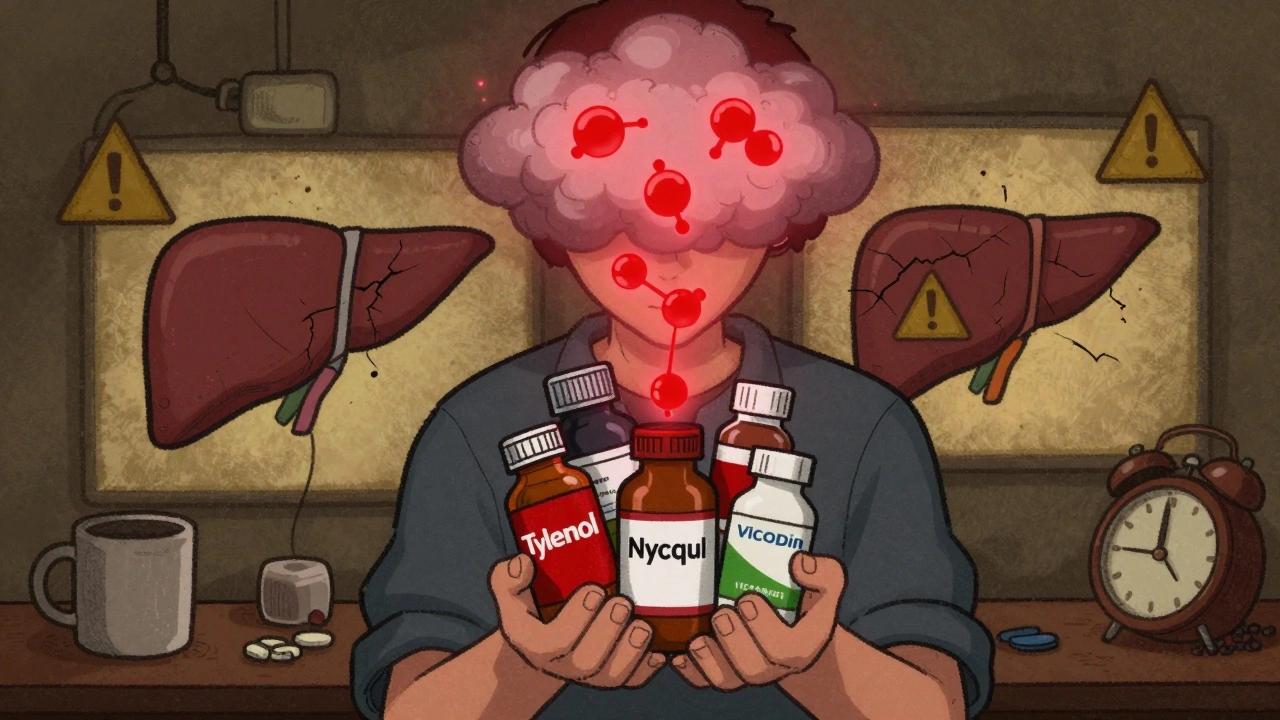
Acetaminophen and Liver Disease: Safe Dosing to Avoid Hepatotoxicity
Acetaminophen is safe for most people - but for those with liver disease, even normal doses can cause serious harm. Learn the real safe limits, hidden risks, and how to avoid accidental overdose.