
Read Medication Labels: What You Need to Know Before Taking Any Pill
When you pick up a prescription or grab an over-the-counter pill, you’re holding a medication label, a legal document that tells you exactly what’s in the drug, how to use it safely, and what could go wrong. Also known as drug labeling, it’s the single most important source of information you’ll ever read about your own health. Yet most people glance at the name and dosage—and skip the rest. That’s a mistake. A single missed detail on a label can lead to a dangerous interaction, an accidental overdose, or a treatment that just doesn’t work.
Every label includes critical details you can’t afford to ignore: the active ingredient, the chemical that actually treats your condition, which might be hidden under a brand name like Tylenol or Advil. It also lists inactive ingredients, fillers and dyes that can trigger allergies in some people. If you’re allergic to gluten, dairy, or certain dyes, you need to check this section every time—even if the pill looks the same as last month. Then there’s the dosage instructions, how often and when to take it. "Take once daily" doesn’t mean "whenever you remember." It means at the same time each day, unless your doctor says otherwise. And don’t assume a label means "safe with alcohol" just because it doesn’t say "avoid alcohol." Many interactions aren’t listed unless they’re life-threatening.
Medication labels also warn about drug interactions—like how acetaminophen can harm your liver if you drink, or how ACE inhibitors and potassium-sparing diuretics can spike your potassium to dangerous levels. These aren’t hypothetical risks. They’re documented, preventable dangers that show up again and again in hospital emergency rooms. Even something as simple as pomegranate juice, which many think is harmless, can interfere with how your body processes certain drugs. Labels exist because people have died from skipping them.
You don’t need a medical degree to read a label. You just need to slow down. Look for the why behind each instruction. Why is this pill taken with food? Why does it say "do not crush"? Why is there a black box warning? These aren’t bureaucratic footnotes—they’re survival tips written in response to real harm. The same labels that warn about hyperkalemia, anaphylaxis, or jaw necrosis from bisphosphonates also tell you how to avoid them. The information is there. You just have to look.
Below, you’ll find real stories from people who learned the hard way—what happens when you ignore a label, when you misunderstand a dosage, or when you assume your pharmacist already explained everything. These aren’t abstract warnings. They’re lessons from patients who lived through the consequences. Whether you’re managing diabetes, heart disease, asthma, or just popping a daily painkiller, knowing how to read your medication label isn’t just smart—it’s the difference between staying healthy and ending up in the ER.
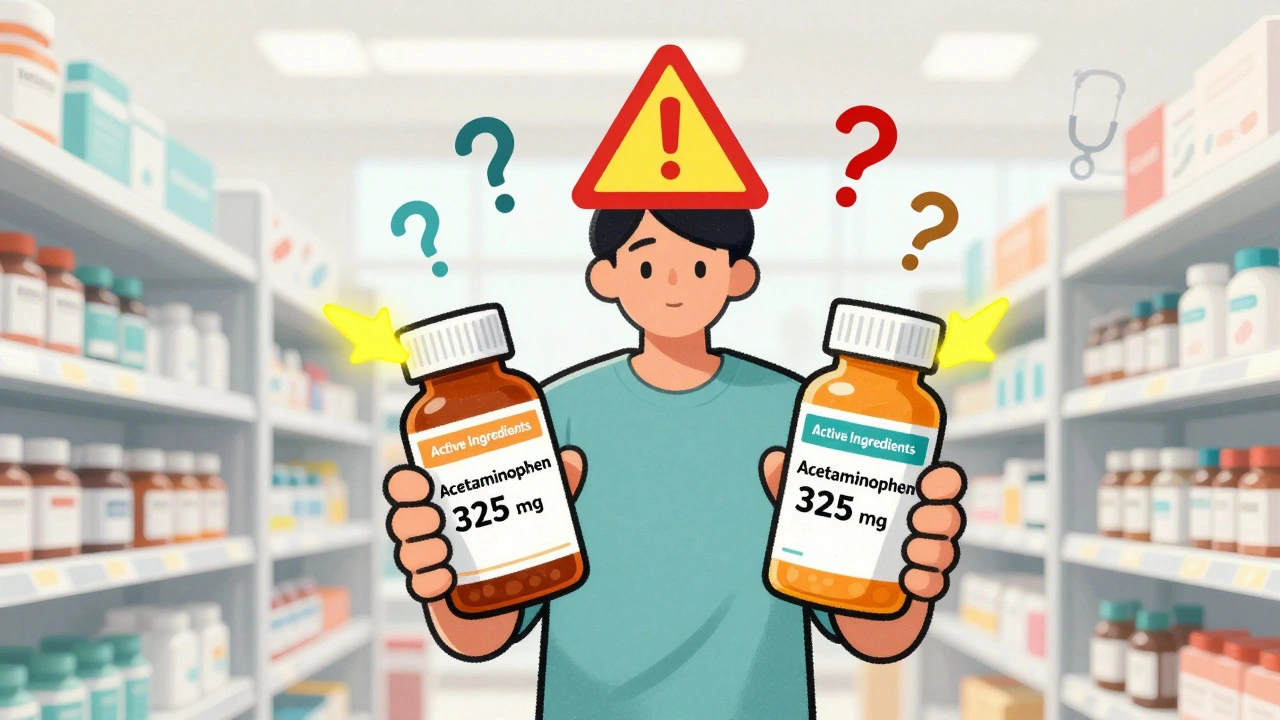
How to Read OTC Drug Facts Labels Correctly and Confidently
Learn how to read OTC drug facts labels to avoid dangerous overdoses, drug interactions, and allergic reactions. Know the active ingredients, warnings, and directions to use medications safely and confidently.