
Prescriber Communication: How Doctors and Patients Talk About Medications
When it comes to getting better, prescriber communication, the way healthcare providers and patients discuss medications, treatments, and concerns. It's not just about writing a prescription—it's about making sure the person taking the medicine actually understands why, how, and what to watch for. Too often, patients leave the office with a bag of pills and a vague idea of what they’re for. That’s where things fall apart. A study in the Journal of General Internal Medicine found that patients who couldn’t clearly explain their own meds were twice as likely to miss doses or mix them up. This isn’t about being forgetful—it’s about broken conversations.
Medication adherence, how well patients stick to their treatment plans doesn’t depend on willpower alone. It’s shaped by how well the prescriber explains side effects, costs, and daily routines. If your doctor says, "Take this twice a day," but doesn’t ask if you work nights or have trouble swallowing pills, you’re set up to fail. That’s why shared decision-making, a process where patients and providers make choices together based on evidence and personal values works better than top-down orders. It’s why someone on warfarin needs to know estrogen from birth control can throw off their INR, or why an older adult on pravastatin should be told muscle pain isn’t normal. These aren’t minor details—they’re life-changing facts that only come out in real talk.
And it’s not just about what’s said. It’s about what’s left unsaid. Many patients won’t mention they can’t afford their meds, or that they’re using pomegranate juice because they heard it’s "healthy," not knowing it might interfere with their blood pressure pills. Patient choice, the right to select treatments based on personal priorities like cost, side effects, or lifestyle means nothing if the patient doesn’t feel safe asking. That’s why secure messaging tools like MyChart are changing the game—they let people ask questions without embarrassment or waiting on hold. When someone asks, "Can I still take this with my coffee?" and gets a clear answer, adherence goes up. When they’re told, "Just take it," and feel too shy to follow up, they stop.
Good prescriber communication isn’t a soft skill—it’s a safety tool. It’s the reason GLP-1 agonists like Ozempic work for weight loss only when patients understand they’re not magic pills. It’s why asthma spacers get used correctly when parents aren’t afraid to say, "I don’t know how this works." It’s why people stick with osteoporosis meds despite the rare jaw risk—because their doctor didn’t just mention it, they explained it in context. This collection of articles doesn’t just list drugs or conditions. It shows how real decisions, misunderstandings, and conversations shape health outcomes. Below, you’ll find practical guides on how to ask the right questions, how to spot hidden interactions, and how to take back control when the system feels stacked against you. This is where better health starts—not with a pill, but with a conversation.
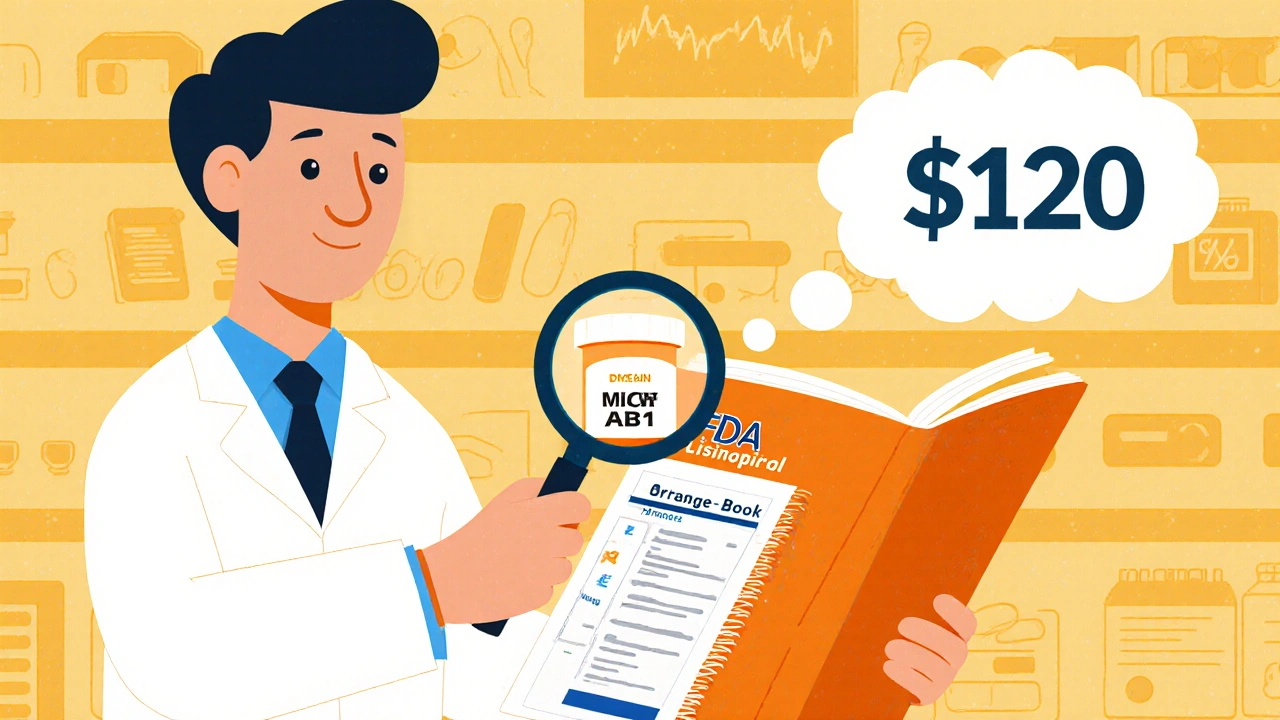
How Pharmacists Communicate Generic Recommendations to Prescribers
Pharmacists play a key role in recommending generic medications to prescribers using FDA guidelines, bioequivalence data, and structured communication to improve adherence, reduce costs, and ensure patient safety.