
Pharmacists Recommend Generics: Why They Trust Cheaper Drugs That Work Just as Well
When pharmacists recommend generics, identical versions of brand-name drugs approved by the FDA after proving they work the same way in the body. Also known as generic medications, they contain the same active ingredients, dosage, and strength as the original—but without the marketing costs or brand name. That’s why over 90% of prescriptions filled in the U.S. are for generics. It’s not because patients are settling. It’s because pharmacists know the science behind them.
Generics aren’t knockoffs. They’re exact copies of brand-name drugs, down to how fast they dissolve and how your body absorbs them. The FDA’s Abbreviated New Drug Application, a streamlined approval process that requires proof of bioequivalence, not new clinical trials. Also known as ANDA process, it’s why generics hit the market faster and cheaper. You’re not paying for advertising, fancy packaging, or executive bonuses—you’re paying for the medicine itself. And that’s exactly what pharmacists want you to get.
Some people worry generics might not work as well, especially when switching from a brand they’ve used for years. But studies show no meaningful difference in outcomes. For example, authorized generics, the exact same pills made by the brand-name company but sold under a generic label. Also known as same-as-brand generics, they’re indistinguishable from the original in every way. Even regular generics must meet the same strict standards. Pharmacists see patients who’ve switched and stayed stable for years—no side effects, no drop in effectiveness.
Cost is the biggest driver. A brand-name statin might cost $200 a month. The generic? $4. That’s not a minor difference—it’s life-changing for someone on a fixed income. Pharmacists don’t push generics because they’re cheap. They push them because they’re smart. And they’ve seen what happens when patients skip doses because they can’t afford the brand. A cheaper pill that’s taken daily beats an expensive one that sits on the counter.
It’s not just about price. Pharmacists also know that generics reduce strain on the whole system. When more people use them, drug shortages become less common. Insurance companies can cover more medications. Patients get access to treatments they’d otherwise miss. That’s why pharmacists often bring up generics before the doctor even writes the script—they’re the first line of defense for affordable, reliable care.
There are exceptions, of course. Some complex drugs like biologics don’t have true generics—only biosimilars, which are similar but not identical. But for the vast majority of pills you take—antibiotics, blood pressure meds, antidepressants, cholesterol drugs—generics are the standard. And pharmacists? They take them themselves.
Below, you’ll find real stories and science behind why generics work, how they’re made, what to watch for when switching, and when you might want to go with something else. No fluff. No hype. Just what pharmacists know—and why they trust it.
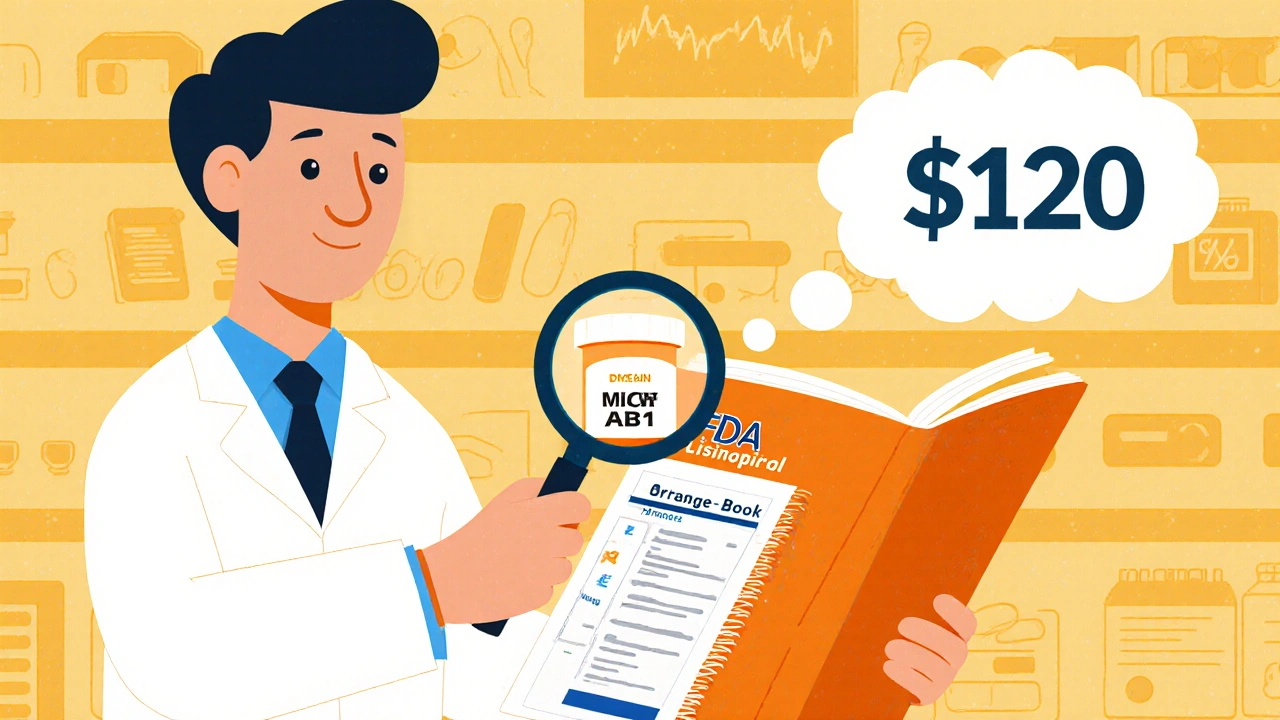
How Pharmacists Communicate Generic Recommendations to Prescribers
Pharmacists play a key role in recommending generic medications to prescribers using FDA guidelines, bioequivalence data, and structured communication to improve adherence, reduce costs, and ensure patient safety.