
Pharmaceutical Supply Chain: How Drugs Get from Factory to Your Medicine Cabinet
When you pick up a prescription, you’re not just getting a pill—you’re receiving the end result of a complex pharmaceutical supply chain, the end-to-end system that moves drugs from raw ingredients to patients, involving manufacturers, distributors, regulators, and pharmacies. Also known as drug distribution network, it’s the invisible backbone of modern medicine. Most people think the process ends at the pharmacy counter, but the real work happens long before that—across continents, through audits, under patent laws, and inside FDA review rooms.
The ANDA process, the FDA’s shortcut for approving generic drugs by proving they’re identical in effect to brand-name versions is one of the most critical links in this chain. Without it, generics wouldn’t flood the market, and drugs like imatinib or finasteride would stay too expensive for most. But approval isn’t the finish line. The patent law, the legal framework that gives drugmakers temporary exclusivity to recoup R&D costs controls when generics can enter. The Hatch-Waxman Act, the 1984 law that balanced innovation with access by allowing generics to challenge patents changed everything—it’s why you can now buy a $4 version of a drug that once cost $400. But even with legal pathways, disruptions happen: factory inspections fail, raw materials get delayed, shipping routes get blocked, and shortages ripple through hospitals and pharmacies.
It’s not just about making drugs—it’s about making sure they reach the right people at the right time. A shortage of a common antibiotic isn’t a glitch; it’s a system failure. A delay in a cancer drug’s delivery isn’t just inconvenient—it’s life-or-death. The pharmaceutical supply chain isn’t just logistics—it’s healthcare infrastructure. And it’s fragile. One factory fire in India, one regulatory hold in the U.S., one shipping strike in Europe, and suddenly, patients are stuck. That’s why articles here cover everything from how generics get approved to why some medications vanish from shelves, and how patient choice, patent battles, and global manufacturing all tie into whether your pill is in stock tomorrow.
Below, you’ll find real stories from inside this system: how generic drugs are made identical to brands, why some medications cost less because of legal loopholes, how regulators catch unsafe batches, and what happens when a single ingredient runs out. This isn’t theory—it’s what keeps your medicine on the shelf, or doesn’t.
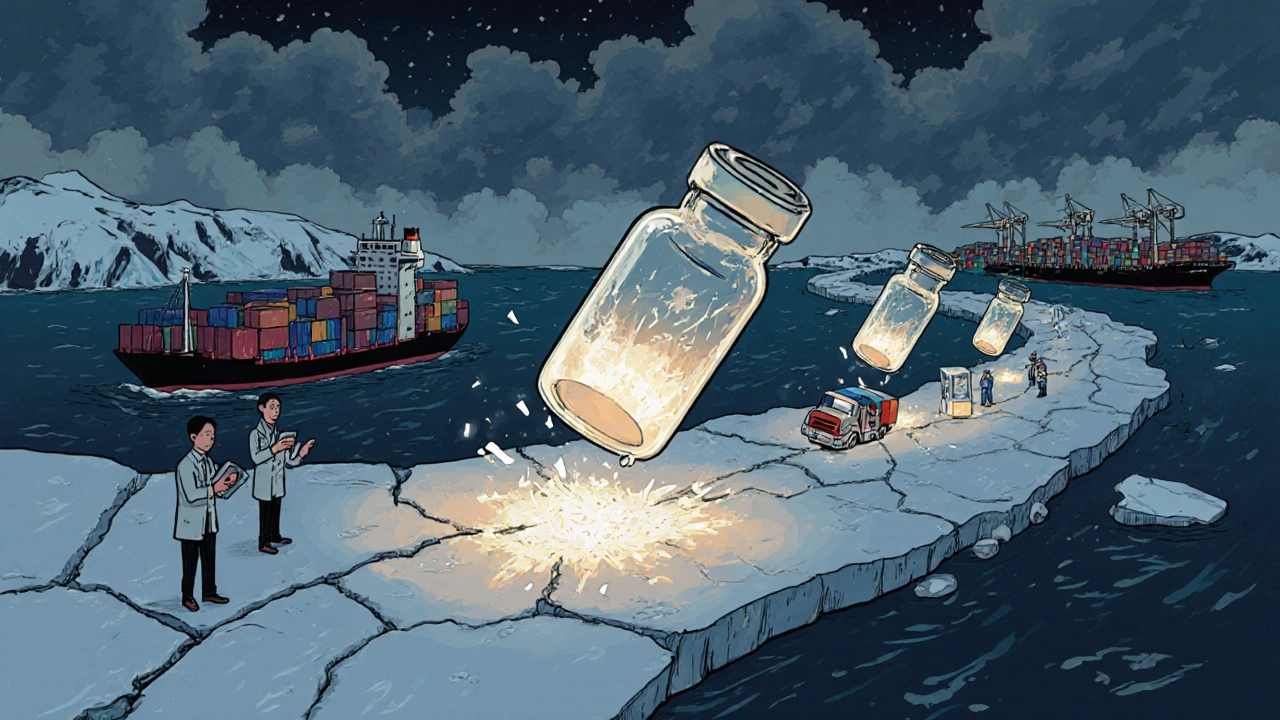
Pharmaceutical Supply Chain Quality: How Broken Systems Put Patients at Risk
Pharmaceutical supply chain failures cause drug shortages, counterfeit medicines, and dangerous substitutions that directly harm patients. Learn how broken logistics impact safety and what’s being done to fix it.