
Pediatric Vision Screening: What Every Parent Needs to Know
When we talk about pediatric vision screening, a simple, non-invasive check used to detect eye problems in young children before they affect learning or development. It's not just about seeing the big E on the chart—it's catching issues like lazy eye, crossed eyes, or uncorrected refractive errors while the brain is still learning how to see properly. Many parents think if a child isn’t squinting or rubbing their eyes, their vision is fine. But kids rarely say they can’t see well because they don’t know what normal looks like. That’s why screening isn’t optional—it’s essential.
children's eye health, the foundation for learning, motor skills, and social development in early childhood depends on early detection. The American Academy of Pediatrics recommends screenings at 6 months, 3 years, and before starting school. These aren’t full eye exams—they’re quick checks done by pediatricians or school nurses using tools like photoscreeners or light reflex tests. If something’s off, you’ll be referred to a pediatric optometrist or ophthalmologist for a full exam. Missing one of these screenings can mean a child struggles in class for years before anyone realizes they can’t see the board.
vision problems in kids, including amblyopia, strabismus, and significant refractive errors are surprisingly common. One in four children has a vision issue that can be fixed if caught early. Amblyopia, or lazy eye, affects 2-3% of kids and becomes much harder to treat after age 7. Strabismus—when eyes don’t line up—can lead to permanent depth perception loss. And many kids with nearsightedness or farsightedness never complain because their world has always been blurry. Screening finds these before they become lifelong challenges.
What you can do: Watch for signs like squinting, tilting the head, sitting too close to the TV, or avoiding books and puzzles. If your child complains of headaches after reading or avoids activities that require focus, don’t wait. pediatric vision screening is fast, free in many schools, and often covered by insurance. It doesn’t require a doctor’s note or a trip to a specialist unless needed. The goal isn’t to diagnose—it’s to flag risks so you can act before it’s too late.
These screenings are part of a bigger picture. They connect to how kids learn, how they play, and even how they build confidence. A child who can’t see the ball coming won’t join the game. A kid who can’t read the whiteboard won’t raise their hand. The posts below cover real stories, practical tools, and evidence-backed advice—from how to prepare a toddler for an eye test, to what happens after a positive screen, to why some kids need glasses before kindergarten. You’ll find what works, what doesn’t, and what to ask your provider next time you’re in the office.
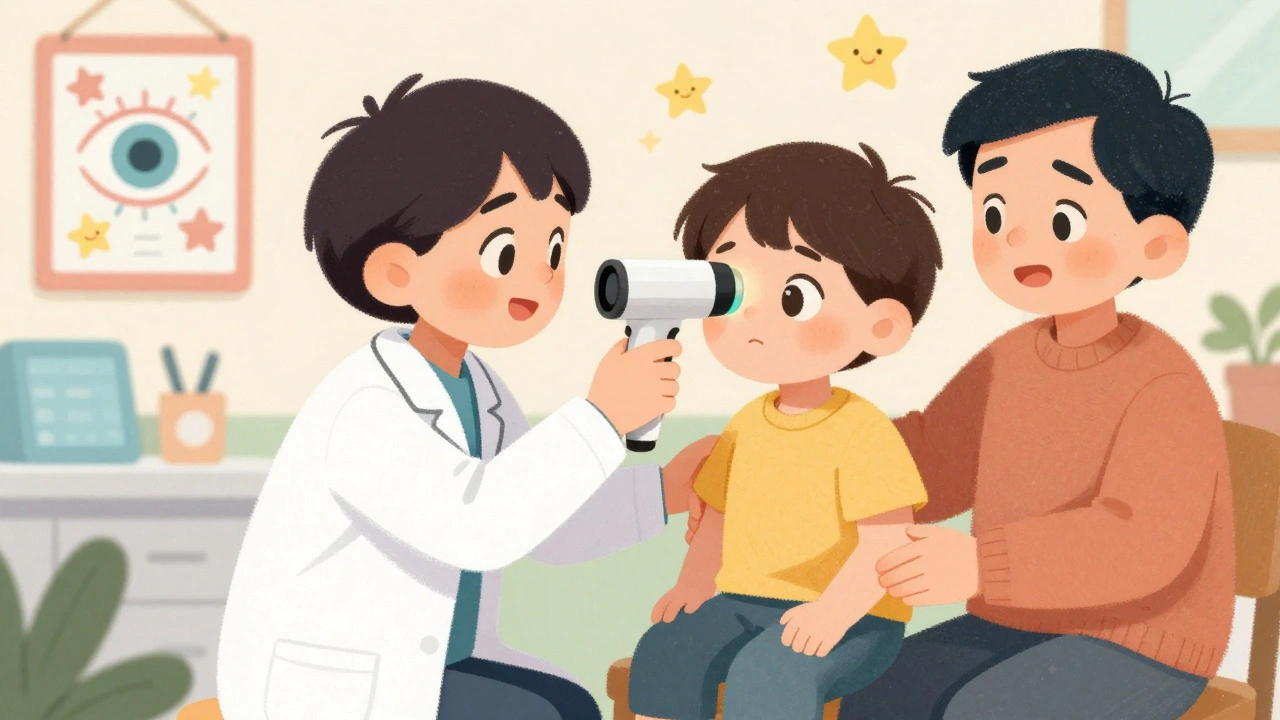
Pediatric Vision Screening: How Early Detection Prevents Lifelong Vision Problems
Pediatric vision screening catches treatable eye problems like amblyopia and strabismus before age 5, preventing lifelong vision loss. Early detection works in up to 95% of cases-delaying screening can make treatment ineffective.