
Peanut Allergy in Infants: Signs, Risks, and What You Need to Know
When a baby develops a peanut allergy in infants, a immune system overreaction to peanut proteins that can trigger life-threatening symptoms. Also known as food allergy to peanuts, it’s one of the most common and dangerous allergies in young children. Unlike some allergies that fade with age, peanut allergy often lasts a lifetime—and it’s the leading cause of fatal food-related anaphylaxis in kids.
The big shift in medical advice? Don’t wait. Studies like the LEAP trial showed that introducing peanut products to high-risk babies as early as 4 to 6 months can reduce the chance of developing an allergy by up to 80%. But it’s not one-size-fits-all. If your baby has severe eczema or an egg allergy, talk to your doctor before offering peanut. For others, regular exposure—like a teaspoon of peanut butter thinned with water or puree—can build tolerance safely.
Knowing the signs matters just as much as prevention. A reaction can happen within minutes: hives, vomiting, swelling of the lips or tongue, or trouble breathing. In severe cases, it’s anaphylaxis in babies, a sudden, full-body allergic reaction that shuts down airways and drops blood pressure. This isn’t a wait-and-see situation. If you suspect anaphylaxis, lay the baby flat, give epinephrine right away if you have it, and call 911. No rash? No delay. Every second counts.
Parents often worry about cross-contamination—like shared utensils or peanut dust on a playground. While it’s smart to be cautious, most reactions happen from eating, not touching. Still, teach caregivers, daycare staff, and family members how to read labels. Look for "may contain peanuts," "processed in a facility with peanuts," or any form of peanut oil, flour, or butter.
There’s also a growing conversation around peanut introduction guidelines, the updated recommendations from pediatric groups on when and how to safely offer peanut to babies. These aren’t just guesses—they’re based on years of research and real-world outcomes. The American Academy of Pediatrics now supports early introduction for most infants, even those with mild eczema.
What you won’t find in these articles? Fearmongering. You will find clear, practical steps: how to test a small amount safely, what to watch for, how to store peanut products away from other foods, and why keeping an epinephrine auto-injector on hand isn’t overkill—it’s essential. You’ll also see why some babies react even after years of safe exposure, and how food allergies can change over time.
Below are real articles from parents, doctors, and researchers who’ve lived this. They cover everything from the first bite of peanut butter to emergency plans for school and daycare. No fluff. No guesswork. Just what works when your child’s health is on the line.
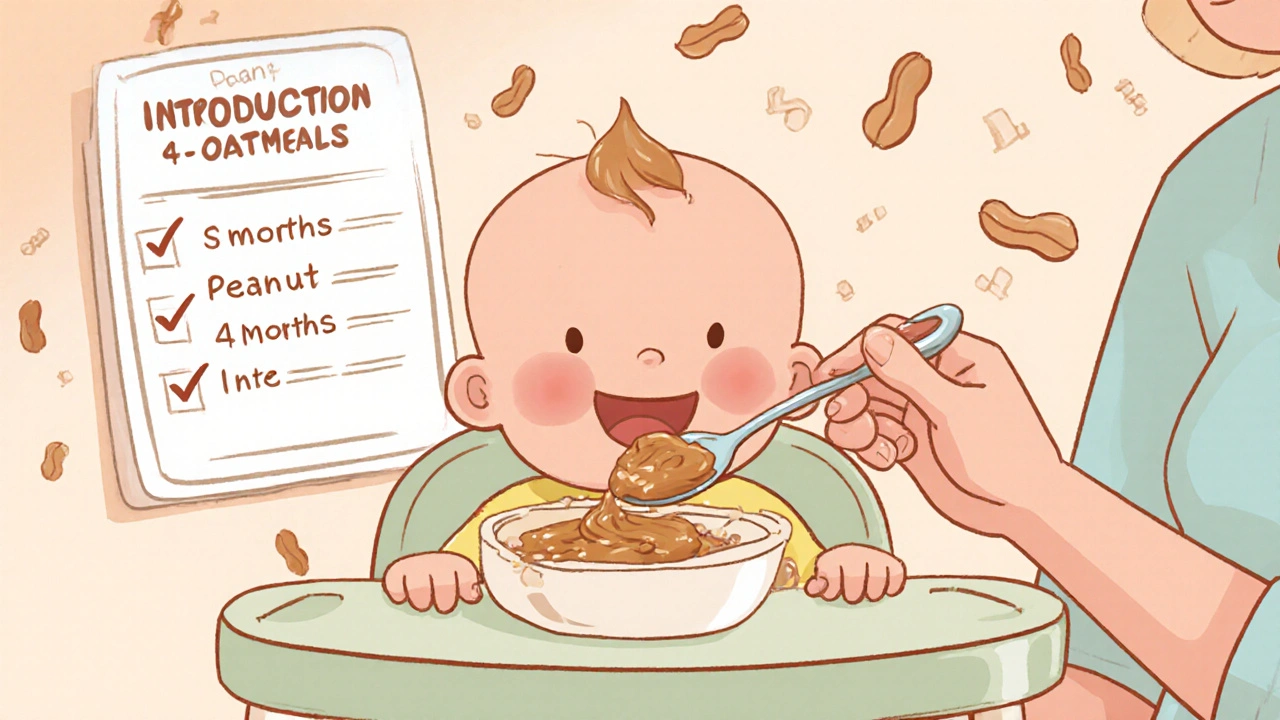
Peanut Allergy Prevention: When and How to Introduce Peanuts to Infants
Learn how early peanut introduction can prevent peanut allergy in infants, based on the latest NIAID guidelines. Discover the science behind LEAP study results, safe methods, risk levels, and what to avoid.