
Patient Harm: Understanding Medication Risks and How to Stay Safe
When you take a pill, you expect it to help—not hurt. But patient harm, injuries or adverse outcomes caused by medical treatment, including medications. Also known as medication-related harm, it happens more often than hospitals or drug labels admit. It’s not always a mistake. Sometimes it’s a side effect no one warned you about. Other times, it’s because you couldn’t afford the medicine, forgot to take it, or mixed it with something harmless like pomegranate juice—only to find out later it wasn’t as safe as you thought.
medication adherence, how consistently patients take their drugs as prescribed. Also known as treatment compliance, it’s one of the biggest hidden causes of patient harm. If you skip doses because of cost, nausea, or a confusing schedule, your condition gets worse. That’s harm too. And then there’s anaphylaxis, a sudden, life-threatening allergic reaction to drugs like antibiotics or painkillers. Also known as severe drug allergy, it needs epinephrine within minutes—no waiting, no hoping it goes away. People die because they don’t know the signs. benzodiazepines, commonly prescribed for anxiety and sleep, but highly addictive with long-term use. Also known as benzos, they’re responsible for thousands of overdoses each year—even when taken as directed. And drug interactions, when one medication changes how another works in your body. Also known as medication conflicts, they’re behind many ER visits, especially in seniors on five or more pills. Estrogen and warfarin? Dangerous. Bisphosphonates and jaw bone death? Rare, but real. Fluocinolone on athlete’s foot? Makes it worse.
You don’t need to be a doctor to avoid harm. You just need to ask the right questions: Why am I taking this? What happens if I miss a dose? Could this interact with my other meds or food? Is there a cheaper or safer option? The posts below cover exactly these kinds of real-world risks—from how to use secure messaging to ask your pharmacist, to why authorized generics might be your safest bet, to how to spot when a supplement like Ayurslim is doing more harm than good. This isn’t about fear. It’s about control. You have the right to understand what’s in your body—and to make sure it doesn’t hurt you.
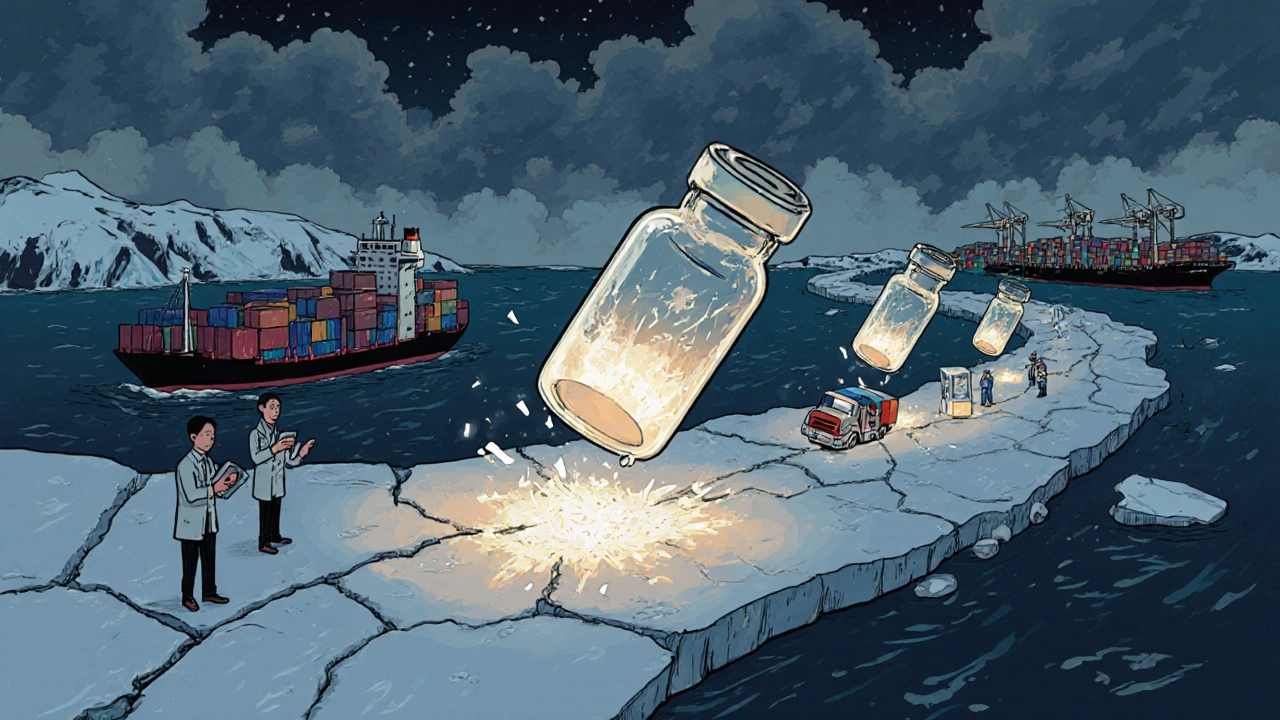
Pharmaceutical Supply Chain Quality: How Broken Systems Put Patients at Risk
Pharmaceutical supply chain failures cause drug shortages, counterfeit medicines, and dangerous substitutions that directly harm patients. Learn how broken logistics impact safety and what’s being done to fix it.