
OTC Medicine Safety: What You Need to Know Before Taking Any Over-the-Counter Drug
When you grab an OTC medicine, a medication sold without a prescription, often used for minor symptoms like headaches, colds, or heartburn. Also known as non-prescription drugs, these are the first line of defense for most people—but they’re not harmless. Millions rely on them daily, but few realize that OTC medicine safety depends less on the label and more on what else you’re taking, your health history, and how long you’ve been using it.
Take acetaminophen, a common pain reliever found in Tylenol and hundreds of cold and flu products. It’s safe at the right dose, but for someone with liver disease or who drinks alcohol regularly, even one extra pill a day can cause serious damage. That’s not rare—it’s predictable. The same goes for NSAIDs, like ibuprofen and naproxen, used for pain and inflammation. They raise blood pressure, irritate the stomach, and can hurt your kidneys if taken too often or with certain heart or kidney medications. And no, just because it’s on a shelf doesn’t mean it’s safe to mix with your other pills. Many people don’t know that OTC antihistamines, like diphenhydramine in Benadryl, can cause confusion and falls in older adults, yet they’re still sold next to candy.
There’s no magic trick to staying safe. It’s simple: know what’s in your bottle, check for hidden ingredients (many cold meds contain acetaminophen, too), and ask yourself if you’ve taken this before, why, and for how long. Don’t assume your pharmacist knows every pill you’re taking unless you tell them. And if you’re over 65, on multiple meds, or have a chronic condition like diabetes or heart disease, OTC medicine safety becomes even more critical—because your body doesn’t process these drugs the same way it used to.
Below, you’ll find real stories and science-backed facts about what happens when OTC drugs go wrong—and how to avoid the most common mistakes. From liver damage caused by stacking painkillers, to dangerous interactions with blood thinners, to why a simple antacid can mess with your other prescriptions—this isn’t theoretical. These are the risks people face every day, and they’re completely preventable if you know what to look for.
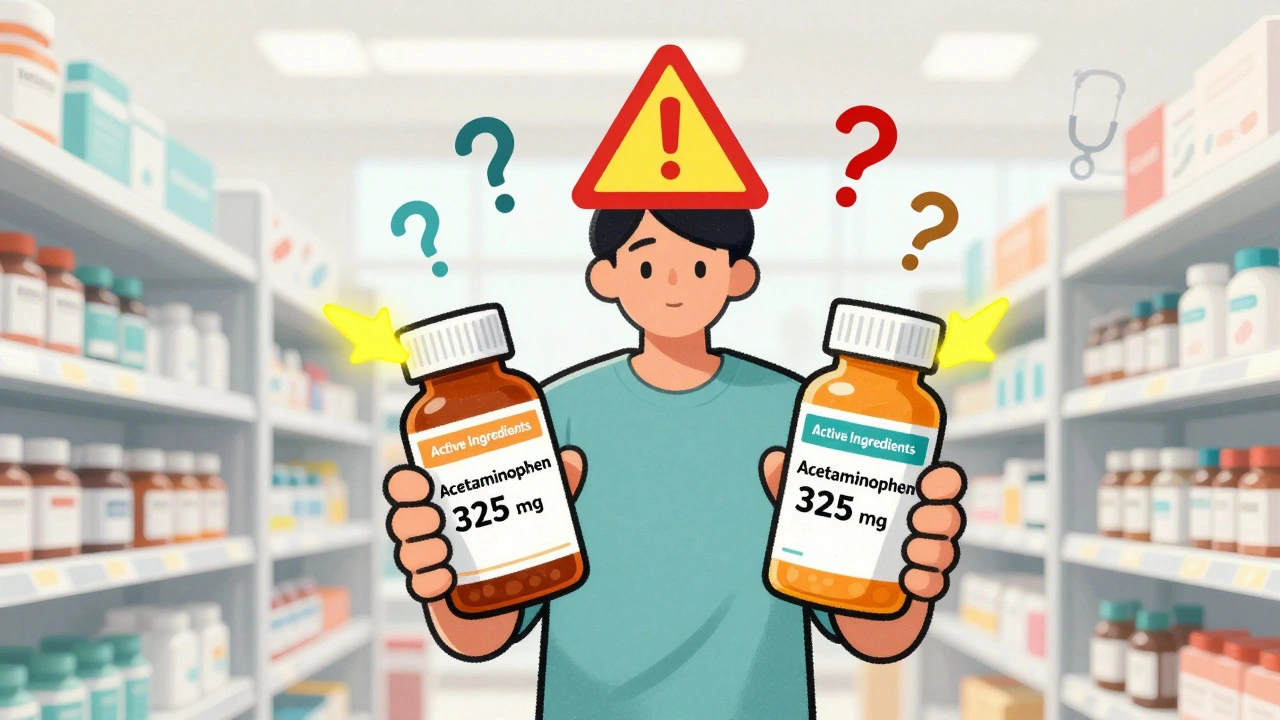
How to Read OTC Drug Facts Labels Correctly and Confidently
Learn how to read OTC drug facts labels to avoid dangerous overdoses, drug interactions, and allergic reactions. Know the active ingredients, warnings, and directions to use medications safely and confidently.