
OTC Drug Labels: What You Need to Know Before You Buy
When you grab a bottle of pain relievers, allergy pills, or heartburn medicine off the shelf, you’re holding a OTC drug label, a legal document that tells you exactly what’s in the medicine, how to use it safely, and what could go wrong. Also known as nonprescription drug labeling, it’s not just packaging—it’s your first line of defense against accidental overdose, dangerous interactions, and hidden risks. Most people glance at the brand name, check the price, and move on. But that’s where things go wrong. The OTC drug label is packed with details that could save your life—or keep you out of the ER.
Behind every OTC drug label is a system designed by the FDA to balance access with safety. The label must clearly list the active ingredients, the chemicals that actually treat your symptoms, how much is in each dose, and what conditions it’s meant for. It also warns you about drug interactions, when mixing meds can cause serious harm—like combining acetaminophen with alcohol, or taking multiple cold medicines that all contain the same painkiller. And it tells you who shouldn’t take it: pregnant people, those with liver disease, seniors on multiple prescriptions. These aren’t suggestions. They’re rules written in plain language because someone’s life depends on you reading them.
What you won’t find on the label? Marketing fluff. No "clinically proven" without data. No vague promises like "works faster." The FDA requires facts, not hype. The "Uses" section lists only FDA-approved indications. The "Warnings" section covers real risks—not rare side effects buried in fine print, but the ones that actually happen. And the "Directions"? They’re not suggestions. Taking more than directed is how people end up in the hospital with liver failure from too much acetaminophen, or heart problems from decongestants. Even "natural" or "herbal" OTC products have to follow these rules. If it’s sold on a pharmacy shelf, it’s regulated.
Here’s the truth: you don’t need a doctor to use OTC meds—but you do need to read the label like one. The same label that tells you how much to take also tells you when to stop and call a doctor. It tells you if it’s safe with your other meds, your health conditions, or even your diet. It’s the only document that connects your symptoms to the right treatment, safely. And if you skip it, you’re gambling with your health.
Below, you’ll find real stories from people who learned the hard way—what happens when you ignore the label, how to spot hidden dangers in common meds, and how to use OTC drugs without putting yourself at risk. These aren’t theory pieces. They’re practical guides written by people who’ve seen the consequences of skipping the fine print.
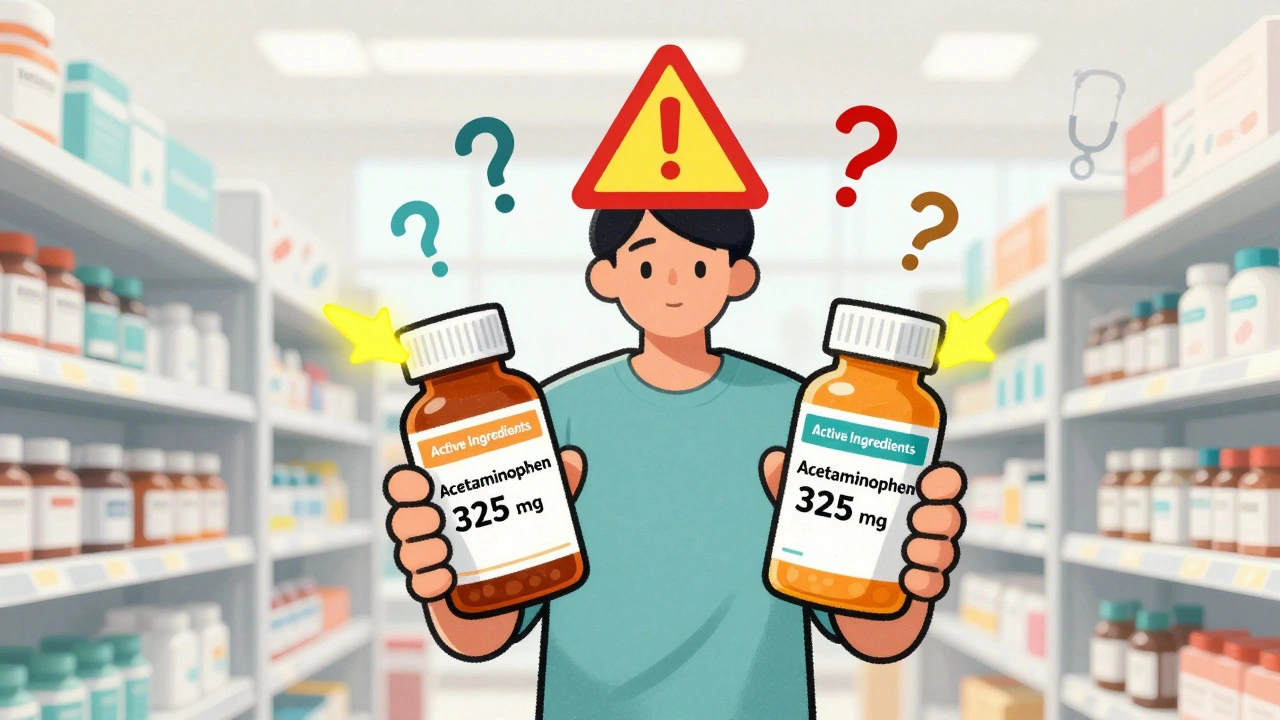
How to Read OTC Drug Facts Labels Correctly and Confidently
Learn how to read OTC drug facts labels to avoid dangerous overdoses, drug interactions, and allergic reactions. Know the active ingredients, warnings, and directions to use medications safely and confidently.