
Orange Book: What It Is and Why It Matters for Generic Drugs
When you pick up a generic pill at the pharmacy, you might not think about what makes it legal to sell—but the Orange Book, the FDA’s official list of approved drug products with therapeutic equivalence evaluations. Also known as Approved Drug Products with Therapeutic Equivalence Evaluations, it’s the backbone of every generic drug you’ve ever taken. This isn’t just a government document—it’s the rulebook that lets you save money without sacrificing safety.
The Orange Book tells pharmacists and doctors which generics can be swapped for brand-name drugs without changing how they work in your body. That’s called bioequivalence: the generic must deliver the same amount of active ingredient at the same speed as the original. If it doesn’t pass this test, it doesn’t get listed. The Hatch-Waxman Act made this system possible, balancing patent protection for drug makers with faster access to cheaper versions. Without it, most generics wouldn’t exist—and you’d pay way more for your blood pressure pills, cholesterol meds, or antibiotics.
It’s not just about price. The Orange Book helps prevent dangerous substitutions. If a generic isn’t listed there, it’s not FDA-approved as interchangeable. Some companies try to sneak in copies that don’t meet the standards. The Orange Book catches them. It also tracks patent expirations and exclusivity periods, so you know when a new generic will hit the market. That’s why your prescription might switch from one generic to another after a certain date—it’s not random, it’s mapped out in this book.
What you’ll find below are real stories and clear breakdowns of how this system affects you. From how generics get approved to why some drugs still cost too much even after patents expire, these articles cut through the noise. You’ll learn how the Orange Book connects to biosimilars, authorized generics, and even why some medications have no cheap alternatives at all. This isn’t theory—it’s the system that puts pills in your medicine cabinet at half the price.
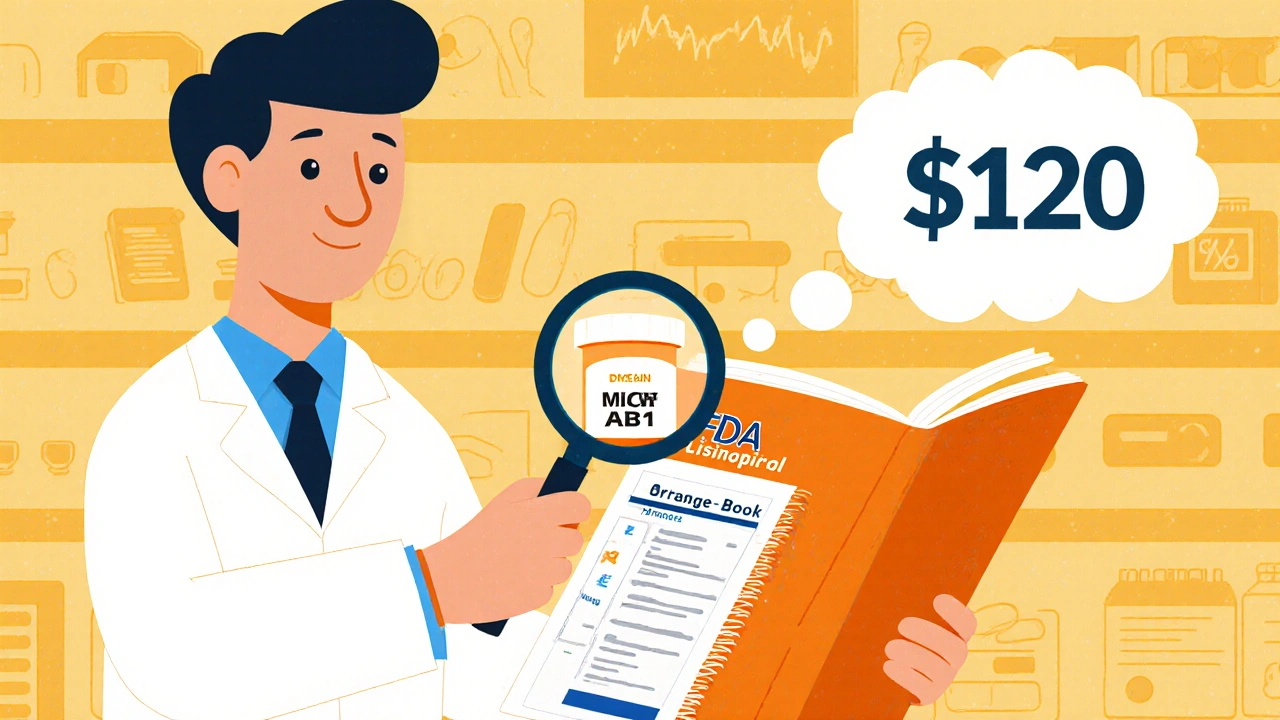
How Pharmacists Communicate Generic Recommendations to Prescribers
Pharmacists play a key role in recommending generic medications to prescribers using FDA guidelines, bioequivalence data, and structured communication to improve adherence, reduce costs, and ensure patient safety.