
Medication Shortages: Why They Happen and What You Can Do
When your pharmacy says medication shortages are keeping your prescription off the shelf, it’s not just an inconvenience—it’s a health risk. Medication shortages, when essential drugs aren’t available in sufficient quantities to meet patient demand. Also known as drug supply disruptions, these gaps happen for reasons you rarely hear about: manufacturing delays, raw material shortages, or companies deciding it’s not profitable to keep making a cheap, life-saving pill. This isn’t rare. The FDA tracks over 300 active shortages at any given time, and many involve antibiotics, heart meds, or insulin—drugs you can’t just swap out.
Generic drugs, the lower-cost versions of brand-name medications that must meet the same FDA standards for safety and effectiveness. Also known as non-brand drugs, they make up 90% of prescriptions in the U.S. But when a single factory in India or China that makes the active ingredient for a generic drug shuts down for inspection—or worse, fails quality checks—the whole supply chain breaks. The FDA approval, the process that ensures drugs are safe, effective, and consistently made. Also known as drug review process,> isn’t fast enough to keep up when these failures happen. And because many generics are made by just one or two companies, there’s no backup. Meanwhile, the drug supply chain, the complex network of manufacturers, distributors, and pharmacies that move drugs from labs to your medicine cabinet. Also known as pharmaceutical supply chain,> is built on thin margins and just-in-time delivery. One delay, one quality issue, and you’re left without your pill.
These shortages don’t hit everyone the same. People on chronic meds—like blood thinners, thyroid pills, or epilepsy drugs—are the most vulnerable. Switching brands or doses can cause serious side effects. And if your doctor doesn’t know the shortage is happening, you might not find out until you show up at the pharmacy. That’s why knowing your options matters. Sometimes, an authorized generic (same drug, different label) is available. Sometimes, a different formulation or even a different drug class can work. But you need to ask. Talk to your pharmacist. Check the FDA’s shortage list. Don’t wait until you’re out.
Below, you’ll find real stories and practical guides from people who’ve dealt with these gaps—how to navigate substitutions, understand why your drug disappeared, and push back when the system fails you. This isn’t theoretical. It’s happening to someone you know.
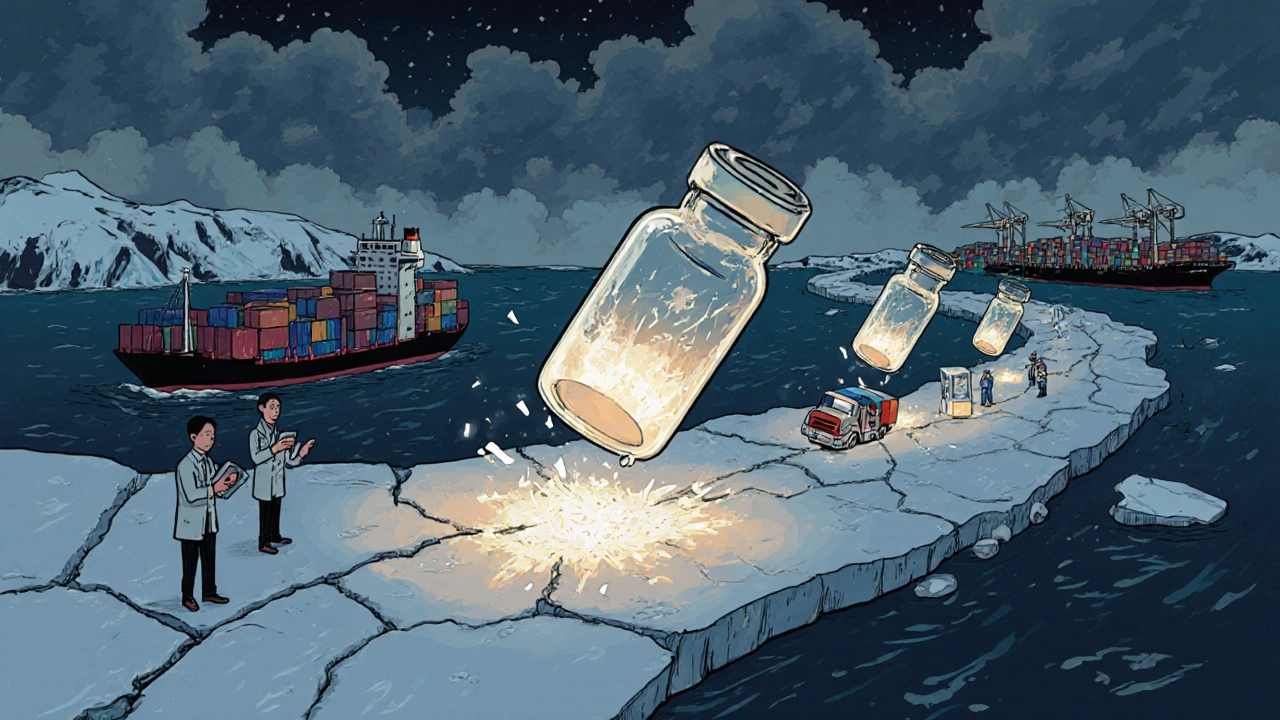
Pharmaceutical Supply Chain Quality: How Broken Systems Put Patients at Risk
Pharmaceutical supply chain failures cause drug shortages, counterfeit medicines, and dangerous substitutions that directly harm patients. Learn how broken logistics impact safety and what’s being done to fix it.