
Medication Adherence: Why Taking Pills as Prescribed Matters More Than You Think
When doctors prescribe medication, they’re not just handing out pills—they’re giving you a treatment plan built on science, timing, and dosage. But medication adherence, the practice of taking drugs exactly as directed by a healthcare provider. Also known as drug compliance, it’s one of the most overlooked factors in whether your treatment works at all. If you skip doses, stop early, or take them at the wrong time, even the most powerful drug becomes useless. And it’s not just about feeling better—it’s about avoiding hospital visits, preventing complications, and even saving lives.
People miss doses for all kinds of reasons: the cost of pills, confusing instructions, side effects that feel worse than the illness, or just plain forgetfulness. But the real problem isn’t laziness—it’s systems that don’t support people. A 2023 study in the Journal of Patient Safety found that nearly half of patients with chronic conditions don’t take their meds correctly, and over 125,000 deaths in the U.S. each year are linked to poor medication adherence. That’s more than traffic accidents. It’s not that patients don’t care—it’s that the system rarely asks them what’s stopping them.
Related issues show up everywhere in the posts below. nonadherence, the failure to follow prescribed treatment plans shows up in stories about warfarin and estrogen interactions, where missing a dose can swing your INR dangerously. It’s why pill taking, the daily habit of consuming prescribed medications matters so much with bisphosphonates for osteoporosis—skip a few, and your bones stay weak. Even with asthma spacers or COPD exercise plans, if you don’t stick with the routine, your lungs suffer. And when you’re on long-term meds like imatinib for leukemia or finasteride for hair loss, consistency isn’t optional—it’s the only thing keeping you alive or keeping your progress.
What you’ll find here aren’t just articles about drugs—they’re about the real human habits behind them. You’ll see how secure messaging helps you ask questions without fear, how patient choice affects whether you even start a treatment, and why authorized generics might make it easier to stay on track when cost is a barrier. These aren’t theoretical ideas. They’re daily struggles people face, and the solutions are right here—in the stories of real patients, real mistakes, and real fixes.
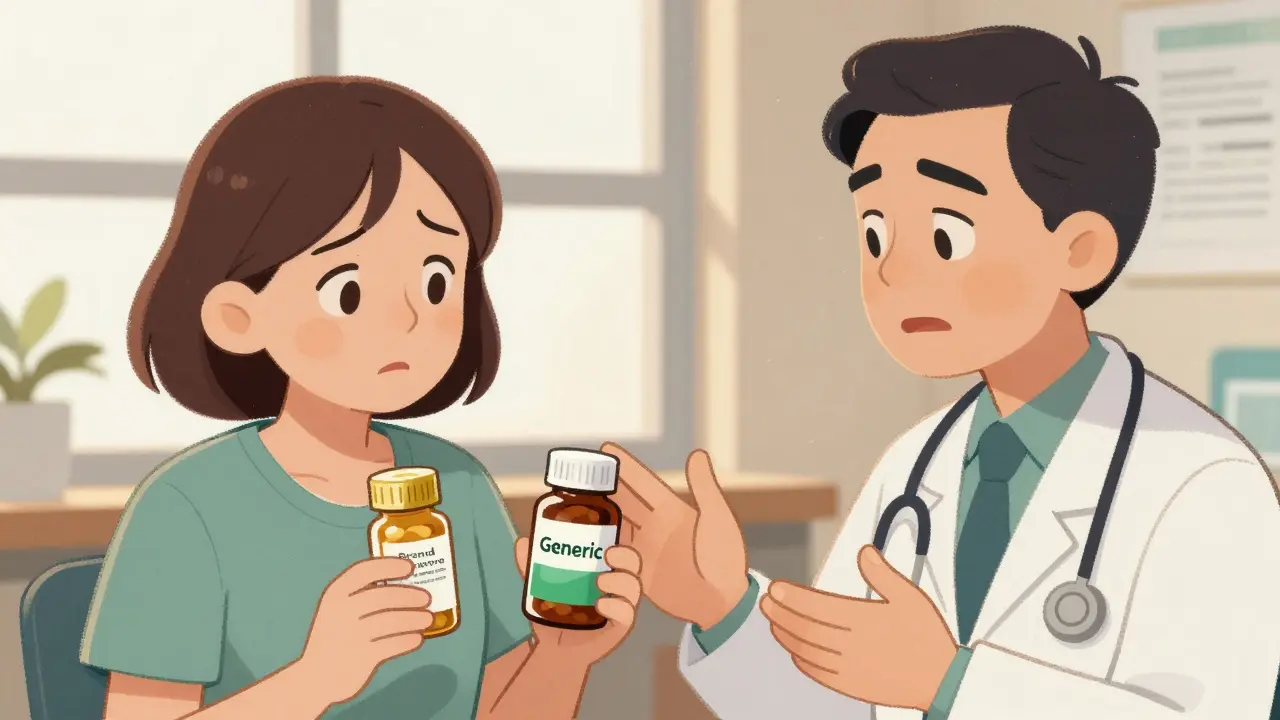
Satisfaction Measurement: Are Patients Happy with Generics? The Real Data Behind Patient Perceptions
Patients often believe generics are less effective-even when science says otherwise. This article breaks down how satisfaction is measured, why perception matters more than chemistry, and what providers and patients can do to close the trust gap.
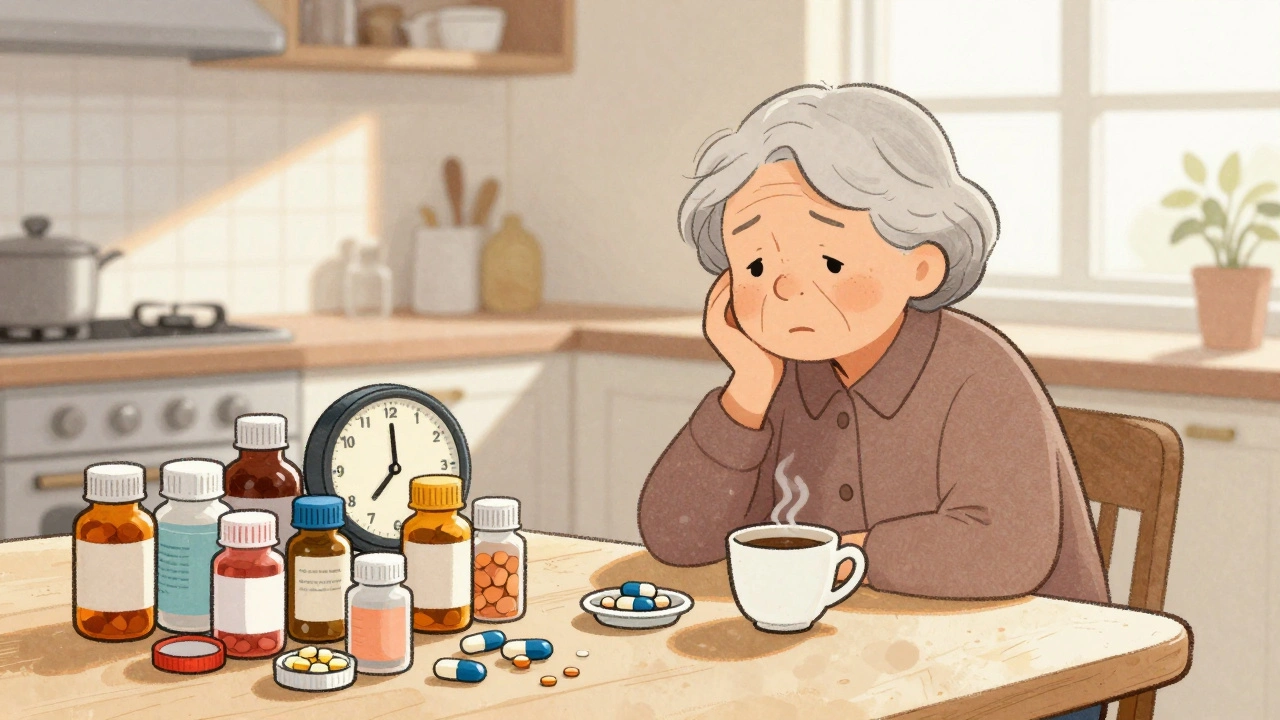
How to Reduce Pill Burden with Combination Medications for Seniors
Combination medications reduce pill burden for seniors by combining multiple drugs into one tablet, improving adherence, lowering blood pressure, and cutting healthcare costs. Learn how they work and when they're right for you.
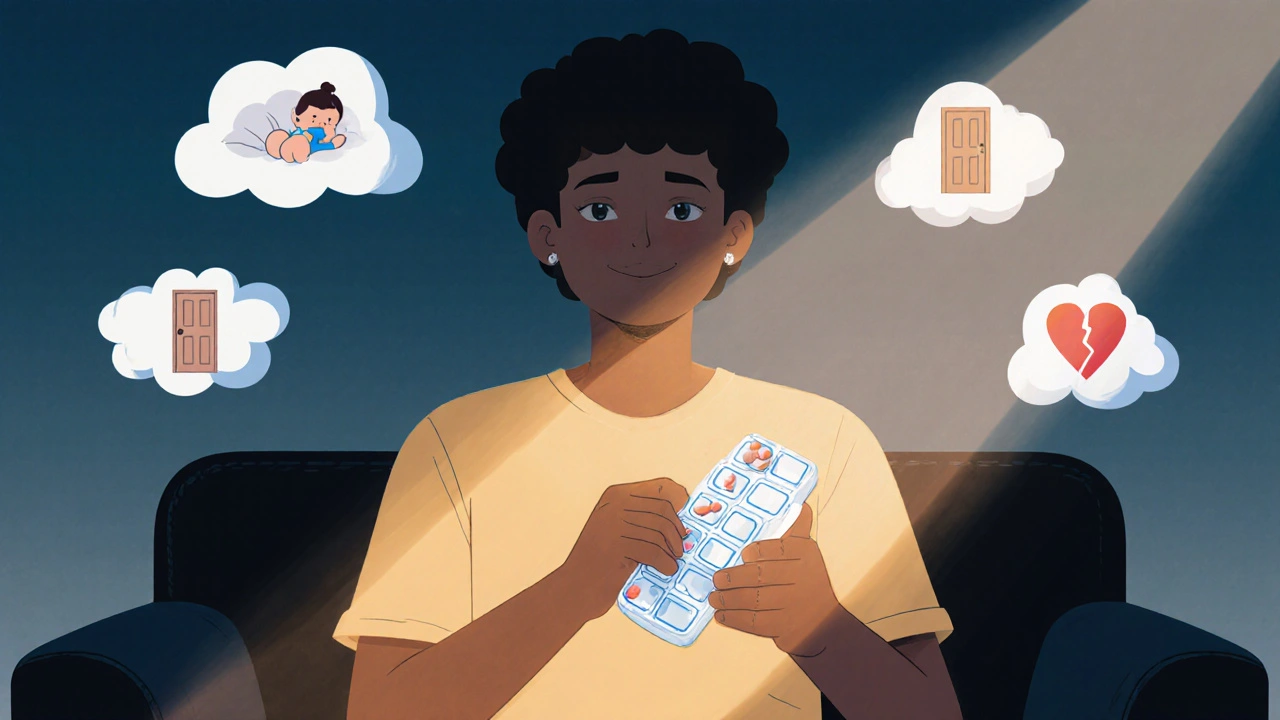
Medication Adherence: How to Stick to Your Treatment Without Losing Your Quality of Life
Medication adherence isn't just about taking pills-it's about balancing health needs with daily life. Learn how side effects, cost, and complex regimens affect adherence-and what actually works to make treatment sustainable.