
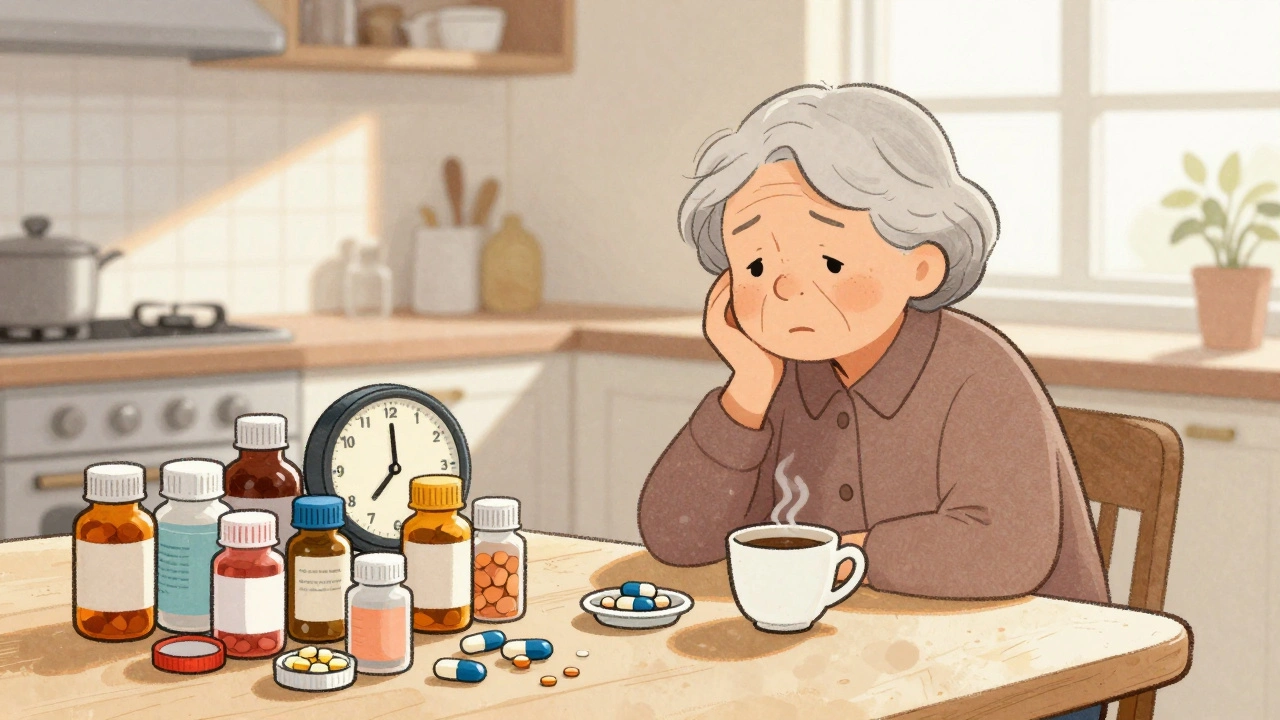
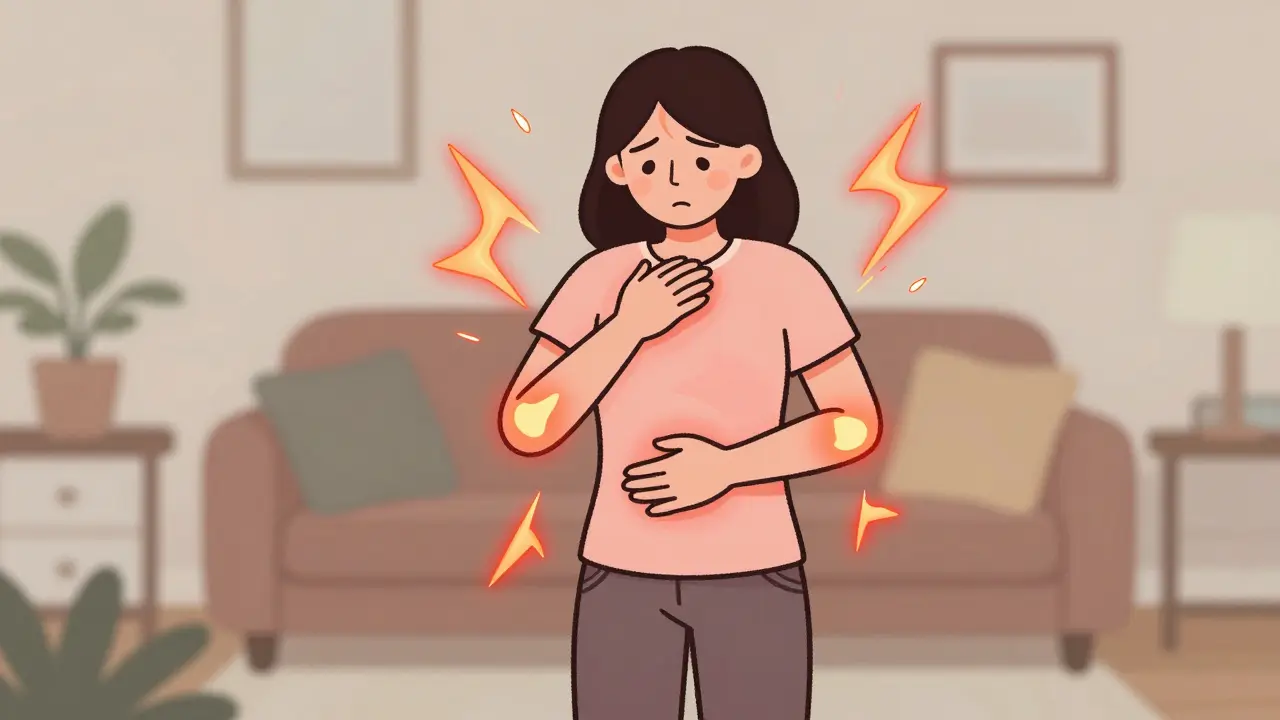
Imagine waking up every morning and sorting through a dozen pills. Some you take with breakfast, others after lunch, a few before bed. Some need to be split, others crushed. You forget one. Then another. Your spouse tries to help, but even they lose track. This isn’t rare-it’s the daily reality for millions of seniors managing multiple chronic conditions. The solution isn’t more pills. It’s fewer. And the answer lies in combination medications.
What Is Pill Burden, and Why Does It Matter?
Pill burden is the total number of pills a person takes each day. For many older adults, it’s not just inconvenient-it’s dangerous. Studies show that when someone takes more than five medications daily, their chance of missing a dose jumps sharply. Missed doses mean uncontrolled blood pressure, unstable blood sugar, or worsening heart failure. In seniors, this often leads to hospital visits, falls, or even early death. The problem isn’t that doctors are prescribing too much. It’s that conditions like high blood pressure, diabetes, and high cholesterol rarely come alone. A 72-year-old with heart disease might need five different drugs: one for blood pressure, one for cholesterol, one for blood thinning, one for diabetes, and maybe a diuretic. That’s five pills, three times a day. Multiply that by 30 days. That’s 450 pills a month. No wonder people stop taking them.How Combination Medications Simplify Regimens
Combination medications-also called fixed-dose combinations or single-pill combinations-put two or more drugs into one tablet. Instead of taking a blood pressure pill and a water pill separately, you take one pill that contains both. Same for cholesterol and blood pressure. Or diabetes and blood pressure. These aren’t new. They’ve been used for decades in HIV and tuberculosis treatment, where missing even one dose can cause drug resistance. But now, they’re becoming standard for heart disease and hypertension. In fact, a 2023 analysis of 86 studies found that 23 focused on high blood pressure alone. And the results were clear: people on combination pills stuck with their treatment far longer. One major study showed that switching from separate pills to a single combination pill reduced missed doses by 26%. That’s not a small improvement. That’s life-changing. Better adherence means lower blood pressure, fewer heart attacks, and less need for emergency care.Why Combination Pills Work Better Than Separate Ones
It’s not just about counting pills. It’s about behavior. When you have to remember five different times of day to take pills, your brain gets overloaded. A combination pill cuts that down to one or two times a day. Simpler. Easier. More natural. And the numbers back it up. A review in the European Journal of Cardiology Practice found that patients on single-pill combinations had significantly better blood pressure control than those taking the same drugs separately. At 12 weeks, systolic pressure dropped by nearly 4 mmHg more-and diastolic by 1.5 mmHg more. That might sound small, but in real terms, it means 20% fewer strokes and heart attacks over five years. There’s also a financial angle. Even though a combination pill might cost a bit more upfront, it saves money overall. Fewer hospital visits. Fewer doctor appointments. Lower co-pays because you’re buying one pill instead of two. A 2023 study in the Journal of Health Economics and Outcomes Research confirmed that combination therapy saved money in every single analysis it reviewed.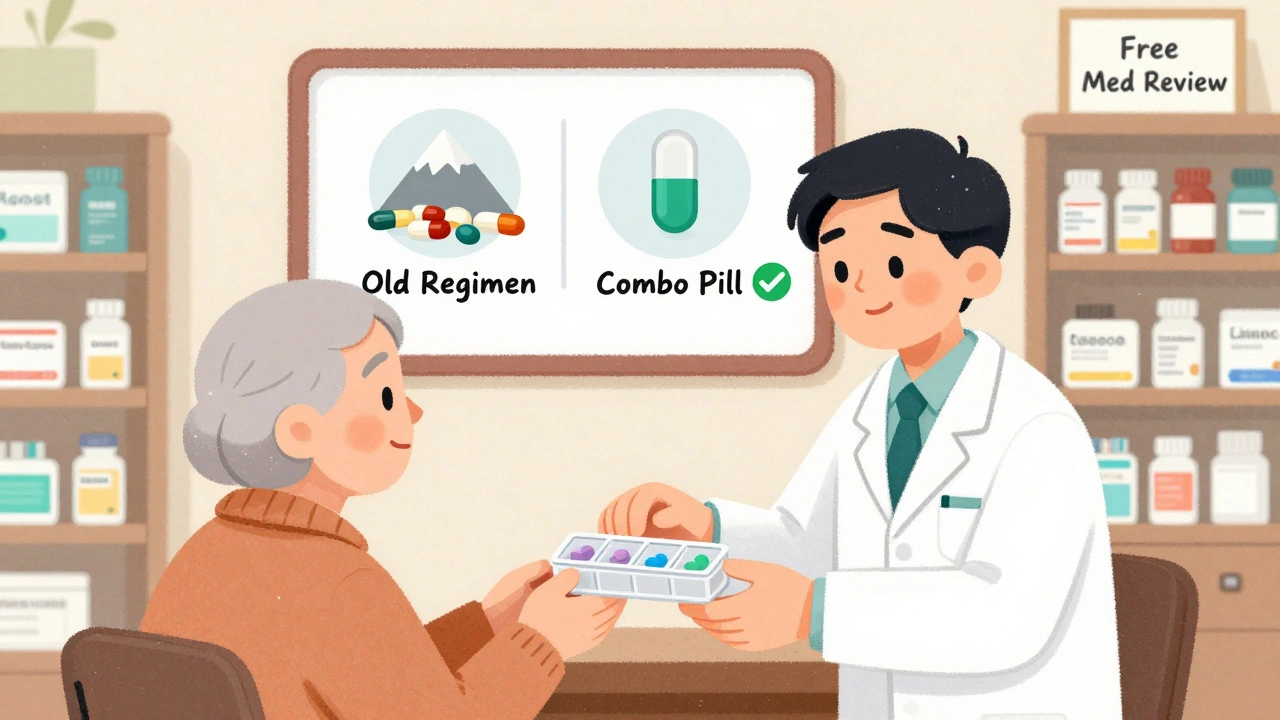
When Combination Pills Are Most Effective
Not every condition needs a combo pill. But for some, they’re the gold standard.- Hypertension: The European Society of Cardiology recommends combination pills as first-line treatment for stage 2 high blood pressure (140/90 or higher). If you need two or more drugs to control your pressure, a combo pill is the smartest move.
- Diabetes and heart disease: Many seniors with type 2 diabetes also have high blood pressure and cholesterol. New combo pills now include metformin, a statin, and an SGLT2 inhibitor-all in one tablet.
- Heart failure: Some newer combinations combine a beta-blocker and an ACE inhibitor, which used to be two separate pills.
- Chronic kidney disease: Combining a blood pressure pill with a kidney-protective agent reduces protein loss and slows disease progression.
The Downsides and When to Be Cautious
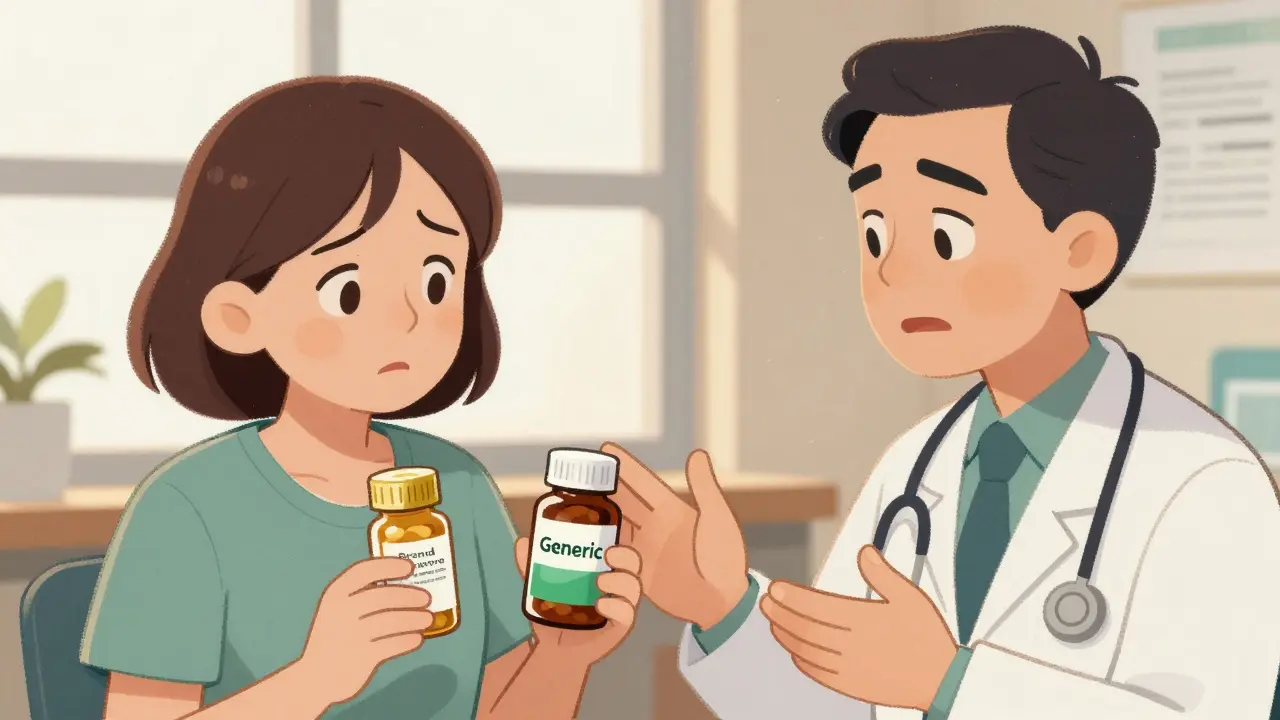
Combination pills aren’t perfect. And they’re not right for everyone. The biggest issue? Flexibility. If your blood pressure drops too low, you can’t just stop one part of the pill. You have to stop the whole thing. That means your doctor has to get the dosing right from the start. For that reason, most doctors start with single drugs, then switch to a combo once they find the right dose. Also, if you’re allergic to one component-say, a sulfa-based diuretic-you can’t take any combo pill that includes it. And if you need to adjust one drug’s dose frequently (like with warfarin or insulin), a fixed combo won’t work. Another concern: over-treatment. Some patients might do fine on just one pill, but end up on a combo that gives them an extra drug they don’t need. That increases side effects-dizziness, fatigue, low potassium. That’s why your doctor should always ask: “Do you really need all three?”How to Talk to Your Doctor About Combination Pills
Don’t wait for your doctor to bring it up. Ask. Here’s how:- “I’m taking five pills a day. Is there a way to combine any of them?”
- “Are there any single-pill options for my blood pressure and cholesterol?”
- “Would a combination pill help me take my meds more regularly?”
- “Can we review my whole list to see if anything can be cut or combined?”
What’s Coming Next
The future of combination pills is getting even smarter. Researchers are testing “polypills”-single tablets with three or four drugs. One in development combines aspirin, a statin, and two blood pressure drugs. Early trials show patients on polypills have better adherence than those on separate pills. Some are even exploring combination pills for mental health and lung disease. Imagine one pill for depression and anxiety, or one for COPD and heart failure. These aren’t sci-fi. They’re in clinical trials right now. The goal? Make taking your meds as easy as brushing your teeth. No more pill organizers. No more charts. Just one pill, once a day.Real-Life Impact: What It Feels Like
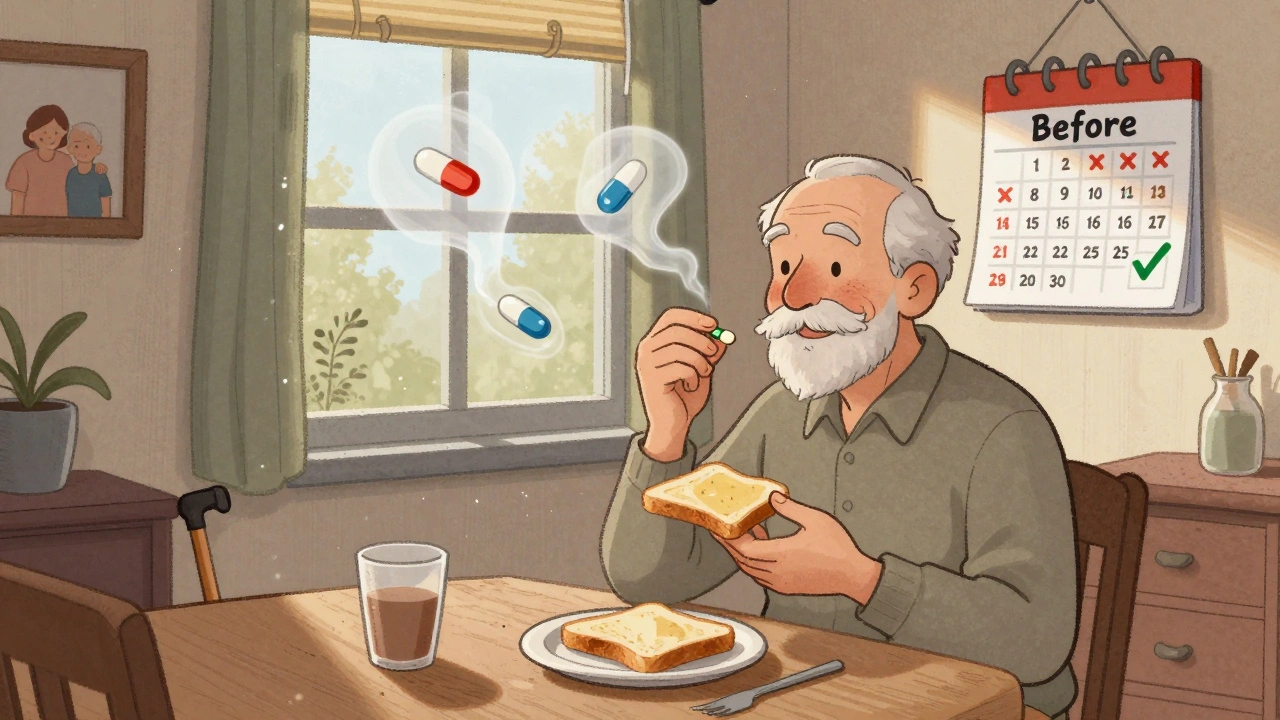
Mrs. Evans, 78, from Bootle, used to take eight pills a day. She forgot one every other day. Her blood pressure was always high. She started feeling dizzy and tired. After her pharmacist suggested a combo pill for her blood pressure and cholesterol, she cut her daily pills from eight to three. She now takes one in the morning, one at lunch, and one at night. “I used to dread mornings,” she says. “Now I just grab my one pill with my tea. I feel like I’ve got my life back.” That’s the power of reducing pill burden. It’s not just about health numbers. It’s about dignity. Independence. Peace of mind.Final Thoughts: Simplicity Saves Lives
Pill burden isn’t just a medical term. It’s a daily struggle for millions of seniors. But it’s not inevitable. Combination medications offer a proven, safe, and cost-effective way to cut down the clutter-without cutting corners on care. The science is clear. The guidelines support it. The patients feel better. If you or a loved one is managing multiple chronic conditions, ask your doctor: “Can we make this simpler?” Because sometimes, the best medicine isn’t a new drug. It’s fewer pills.What are combination medications?
Combination medications, also called fixed-dose combinations or single-pill combinations, are pills that contain two or more active drugs in one tablet. For example, a single pill might include both a blood pressure medication and a water pill. They’re designed to reduce the number of pills a person takes each day.
Do combination pills work better than taking separate pills?
Yes, for most people. Studies show that patients on combination pills are 26% more likely to take their medication as prescribed. Better adherence leads to better blood pressure control, fewer hospital visits, and lower risk of heart attack or stroke. A 2023 review found that single-pill combinations improved systolic blood pressure by nearly 4 mmHg more than separate pills.
Are combination pills safe for seniors?
Yes, when prescribed correctly. Doctors must ensure the combination is appropriate for the patient’s condition and doesn’t include drugs they’re allergic to or that could cause side effects. The key is starting with the right dose and monitoring closely. Many seniors find combination pills easier to manage and less confusing, which improves safety overall.
Can I switch to a combination pill on my own?
No. Never change your medications without talking to your doctor or pharmacist. Combination pills are prescribed based on your specific health needs, current doses, and potential interactions. Switching on your own could lead to under-treatment, side effects, or dangerous interactions.
Do combination pills cost more than separate pills?
Sometimes the upfront cost is higher, but overall, they often save money. Fewer pills mean lower co-pays, fewer doctor visits, and less risk of hospitalization. A 2023 study found that every cost analysis showed savings with combination therapy compared to taking the same drugs separately.
What if I need to adjust one drug’s dose?
That’s a limitation of fixed-dose combinations. If your doctor needs to fine-tune one drug-like increasing your blood pressure pill but not your cholesterol pill-you may need to switch back to separate pills temporarily. That’s why doctors usually start with single drugs, then move to combinations once the right doses are settled.
How do I know if I’m a good candidate for combination pills?
You’re likely a good candidate if you take three or more pills daily for chronic conditions like high blood pressure, diabetes, or high cholesterol. If you’ve missed doses before, forget which pills to take when, or feel overwhelmed by your regimen, a combination pill could help. Talk to your doctor or pharmacist for a full medication review.
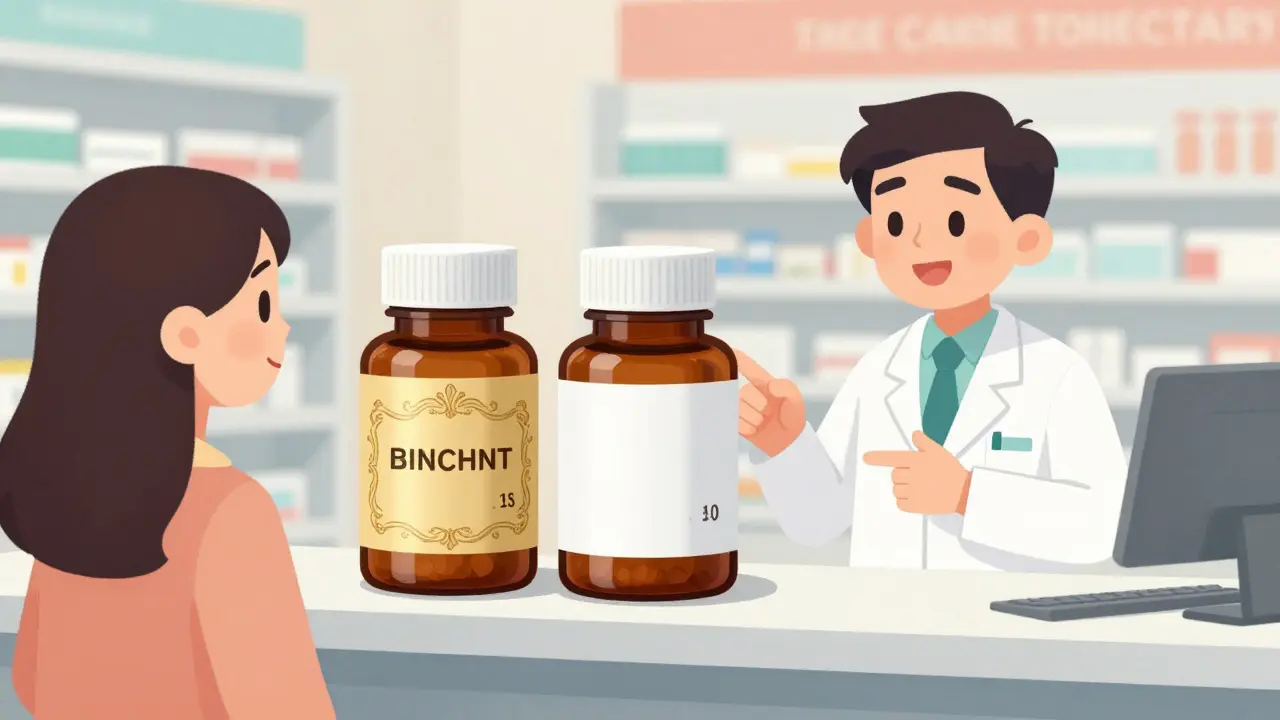
Can pharmacists help me switch to combination medications?
Absolutely. Community pharmacists in the UK often offer free medication reviews. They can spot duplicate prescriptions, check for interactions, and suggest if any of your drugs are available in combination form. Many have direct access to your GP’s records and can even initiate the request for a new prescription.
Are there combination pills for conditions other than heart disease?
Yes. While most common for hypertension and heart disease, combo pills are now being developed for diabetes, mental health (like depression and anxiety), COPD, and even epilepsy. Some newer versions combine a diabetes drug, a heart medication, and a cholesterol-lowering agent in one tablet. Research is expanding quickly.
What’s the future of combination medications?
The future is the “polypill”-a single tablet with three or more drugs, aimed at reducing heart disease risk. Several are in late-stage trials and could be available in the UK by 2027. The goal is to make it so simple to take your meds that adherence becomes automatic. For seniors, this could mean fewer pills, fewer side effects, and a better quality of life.
Reducing pill burden isn’t about cutting corners. It’s about cutting confusion. And for seniors managing multiple conditions, that clarity can mean the difference between independence and hospitalization.

Taya Rtichsheva
December 8, 2025 AT 17:22Christian Landry
December 10, 2025 AT 16:24Guylaine Lapointe
December 10, 2025 AT 21:56precious amzy
December 12, 2025 AT 05:09Elliot Barrett
December 12, 2025 AT 16:05Maria Elisha
December 14, 2025 AT 15:31Courtney Black
December 14, 2025 AT 17:52iswarya bala
December 15, 2025 AT 13:28Anna Roh
December 17, 2025 AT 12:33om guru
December 17, 2025 AT 13:46Richard Eite
December 17, 2025 AT 15:46Katherine Chan
December 19, 2025 AT 13:30Philippa Barraclough
December 20, 2025 AT 02:01