
MAOI Alcohol Interaction: Risks, Symptoms, and What You Must Avoid
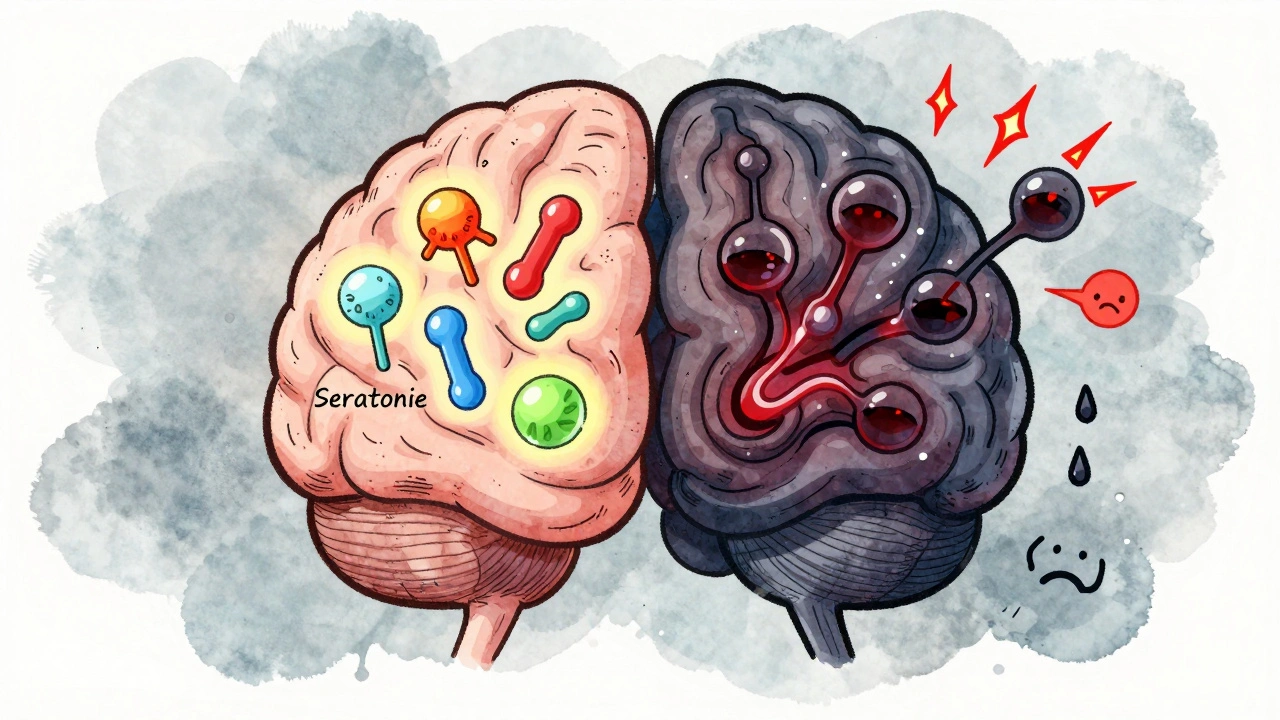
When you take MAOIs, monoamine oxidase inhibitors are a class of antidepressants that block enzymes breaking down neurotransmitters like serotonin, norepinephrine, and dopamine. Also known as MAO inhibitors, they’re often prescribed when other antidepressants don’t work—but they come with strict dietary and drug restrictions. One of the most dangerous rules? Never mix them with alcohol. This isn’t just a warning on a label—it’s a life-or-death boundary.
The problem isn’t just the alcohol itself. It’s what happens when MAOIs, the same drugs that prevent the breakdown of mood-regulating chemicals meet alcohol, a central nervous system depressant that also affects neurotransmitter levels and liver enzymes. Together, they can cause a sudden, uncontrolled surge in blood pressure called a hypertensive crisis. Symptoms? Severe headache, chest pain, rapid heartbeat, blurred vision, nausea, and in worst cases, stroke or death. Even a single drink—a beer, a glass of wine, or a shot—can trigger this reaction. And it’s not just about drinking: some alcoholic beverages, especially aged wines, beers, and liqueurs, contain tyramine, a compound that MAOIs can’t break down, making the risk even higher.
Some people think, "I’ve had a drink before and nothing happened," but MAOI interactions don’t always show up immediately. They can build up over time or appear after you’ve been on the medication for weeks. The same goes for serotonin syndrome, a dangerous condition caused by too much serotonin in the brain, often triggered by combining MAOIs with other drugs or substances that raise serotonin levels. Alcohol doesn’t directly cause it, but it can worsen the effect of other medications you’re taking, like painkillers or sleep aids, pushing your system over the edge. That’s why even if you’re not drinking alcohol, you still need to check every OTC medicine, herbal supplement, or cold remedy you take.
You don’t need to be a medical expert to stay safe. If you’re on an MAOI, treat alcohol like a hard no—no exceptions, no "just one." Same goes for aged cheeses, cured meats, soy sauce, and tap beer. These aren’t just "maybe" risks—they’re proven dangers backed by decades of clinical reports. The good news? Once you stop the MAOI and wait the recommended time (usually two weeks), you can return to normal drinking. But until then, your body is in a fragile state. This isn’t about being overly cautious. It’s about knowing what your medication is doing inside you—and respecting the limits.
Below, you’ll find real, practical articles that break down exactly how drug interactions like this work, what to watch for, and how to avoid hidden dangers in everyday medications. Whether you’re managing depression, helping someone on an MAOI, or just trying to understand why your doctor won’t let you have wine, these posts give you the facts—not the fluff.
Antidepressants and Alcohol: What Happens When You Mix Them
Mixing antidepressants and alcohol can worsen depression, reduce medication effectiveness, and increase suicide risk. Learn why even one drink can be dangerous and what to do instead.