
Liver Disease: Causes, Risks, and What You Need to Know
When we talk about liver disease, a broad term for any condition that damages the liver and impairs its ability to function. Also known as hepatic disease, it’s not just about heavy drinking—it’s about what your body can’t tell you until it’s too late. Your liver works 24/7: filtering toxins, making bile, storing energy, and balancing hormones. When it’s under stress, you don’t feel it—until your skin turns yellow, your belly swells, or your blood tests show trouble.
There are many ways your liver gets damaged. fatty liver, a buildup of fat in liver cells, often from poor diet, obesity, or insulin resistance. Also known as non-alcoholic fatty liver disease (NAFLD), it affects over 1 in 3 adults in the U.S. and can quietly turn into inflammation, scarring, or worse. Then there’s alcohol-related liver disease, damage caused by long-term, heavy drinking. Also known as alcoholic hepatitis, it’s preventable but often ignored until cirrhosis sets in. Even some common meds—like high-dose acetaminophen or certain antibiotics—can harm your liver if taken wrong. And hepatitis B and C? They’re silent killers, spreading without symptoms for years.
What’s scary is how often liver disease hides. No pain. No warning. Just a routine blood test that says ALT is up, or a doctor mentions "elevated enzymes" and you walk away thinking it’s nothing. But it’s not. Left unchecked, liver disease can lead to cirrhosis, permanent scarring that blocks blood flow and kills liver function. Also known as end-stage liver disease, it’s the point where a transplant becomes the only option. The good news? Early stages of fatty liver and even early cirrhosis can often be reversed—with weight loss, cutting alcohol, managing diabetes, and avoiding liver-toxic meds.
What you’ll find in these articles isn’t theory. It’s real-world insight from people who’ve dealt with drug interactions, misunderstood test results, and the quiet progression of liver damage. You’ll learn how certain medications can quietly stress your liver, why some supplements do more harm than good, and how simple lifestyle changes can stop damage before it becomes irreversible. This isn’t about fear—it’s about knowing what to watch for, what to ask your doctor, and how to protect something you can’t live without.
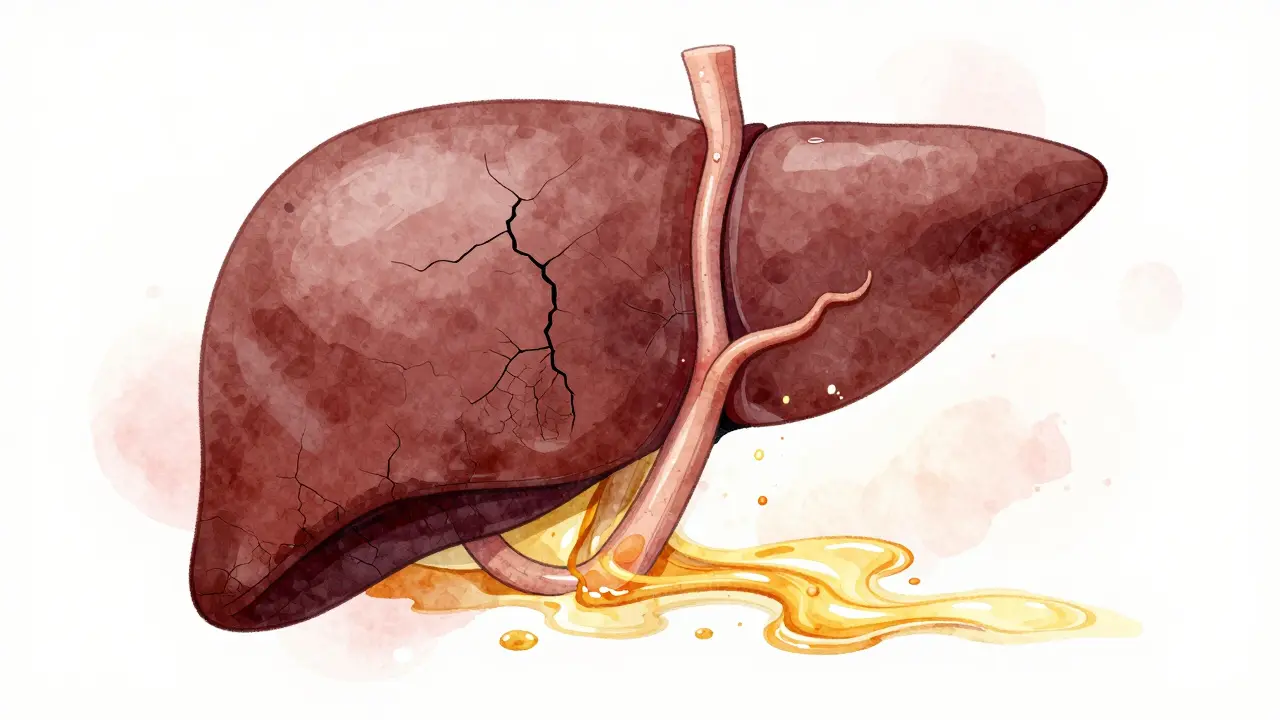
Primary Sclerosing Cholangitis: Understanding the Progressive Bile Duct Disease
Primary Sclerosing Cholangitis (PSC) is a rare, progressive liver disease that damages bile ducts, leading to scarring and liver failure. With no cure yet, management focuses on symptom control and monitoring for complications like cancer. New therapies are on the horizon.
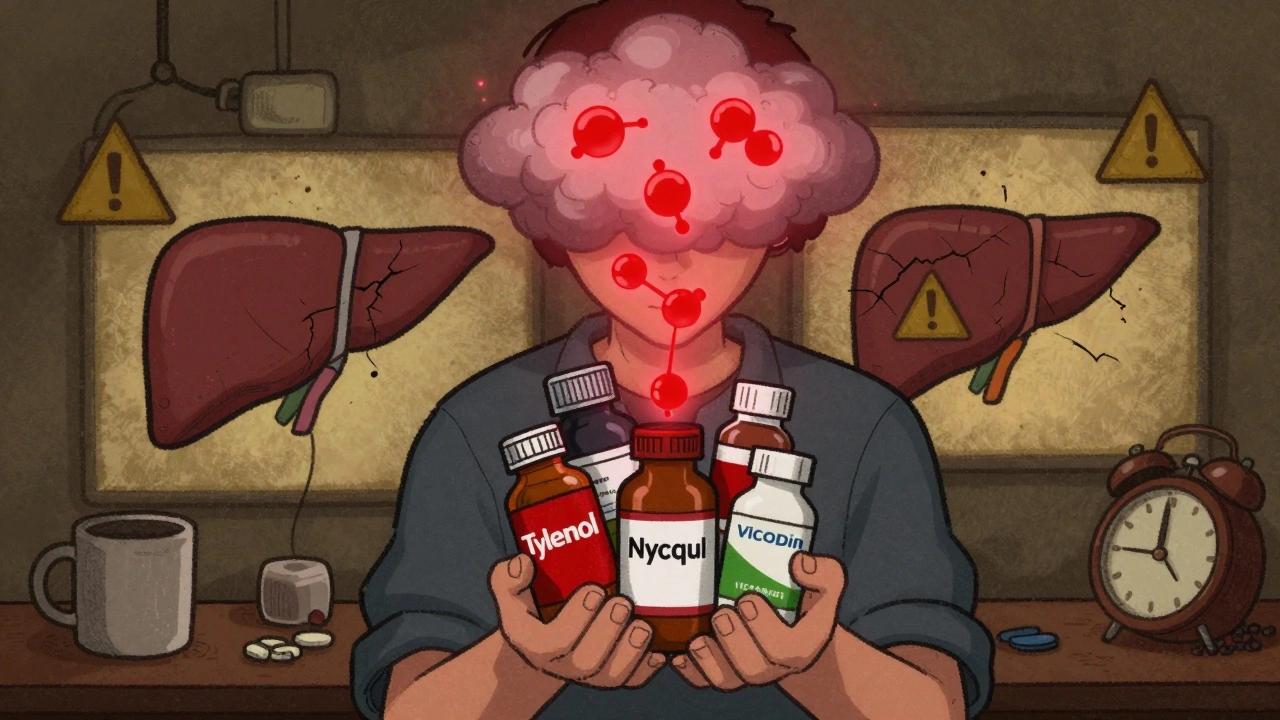
Acetaminophen and Liver Disease: Safe Dosing to Avoid Hepatotoxicity
Acetaminophen is safe for most people - but for those with liver disease, even normal doses can cause serious harm. Learn the real safe limits, hidden risks, and how to avoid accidental overdose.