
Hepatotoxicity: What It Is, Why It Matters, and How Medications Can Hurt Your Liver
When your liver gets hurt by something you took—like a pill, supplement, or even a herbal remedy—that’s called hepatotoxicity, liver damage caused by drugs or chemicals. Also known as drug-induced liver injury, it’s not rare, and it’s often silent until it’s too late. Your liver handles everything you swallow: medicines, vitamins, alcohol, even some teas. It breaks them down so your body can use or get rid of them. But sometimes, that process backfires. Instead of cleaning up the substance, your liver gets overwhelmed, inflamed, or even starts dying. That’s hepatotoxicity.
It doesn’t take a huge dose to cause trouble. Even common drugs like acetaminophen, statins, or antibiotics can trigger it in some people. And it’s not always obvious. You might feel fine—no jaundice, no pain—until a blood test shows your liver enzymes are through the roof. People with existing liver disease, older adults, or those taking multiple meds at once are at higher risk. But it can happen to anyone. What makes it tricky is that the same drug that helps one person might harm another, depending on genes, diet, or other health issues. That’s why understanding drug interactions, how medicines affect each other inside your body matters. For example, combining an ACE inhibitor with a potassium-sparing diuretic doesn’t just raise potassium—it can also stress your liver. Or think about how estrogen changes how warfarin works; that same enzyme system can also alter how your liver processes other drugs.
Some of the most common culprits? Painkillers, antibiotics, seizure meds, and even certain weight loss supplements. And it’s not just prescription drugs. Herbal products like kava, green tea extract, or Ayurslim have been linked to liver damage in real cases. Even something as simple as high-dose vitamin A or niacin can cause trouble. The good news? Most cases are reversible if caught early. The bad news? Many people ignore fatigue, nausea, or dark urine until they’re in the ER. That’s why knowing the signs—yellow skin, belly pain, unusual bruising, or just feeling off—is critical. Your liver doesn’t scream. It whispers. And if you’re on long-term meds, regular liver tests aren’t optional—they’re a safety net.
Below, you’ll find real-world stories and science-backed guides on how medications, supplements, and even over-the-counter products can quietly damage your liver. You’ll learn what to watch for, which drugs are safest for people with liver concerns, and how to talk to your pharmacist about hidden risks. This isn’t about fear—it’s about awareness. Because when it comes to your liver, silence isn’t safety. It’s a warning sign you can’t afford to miss.
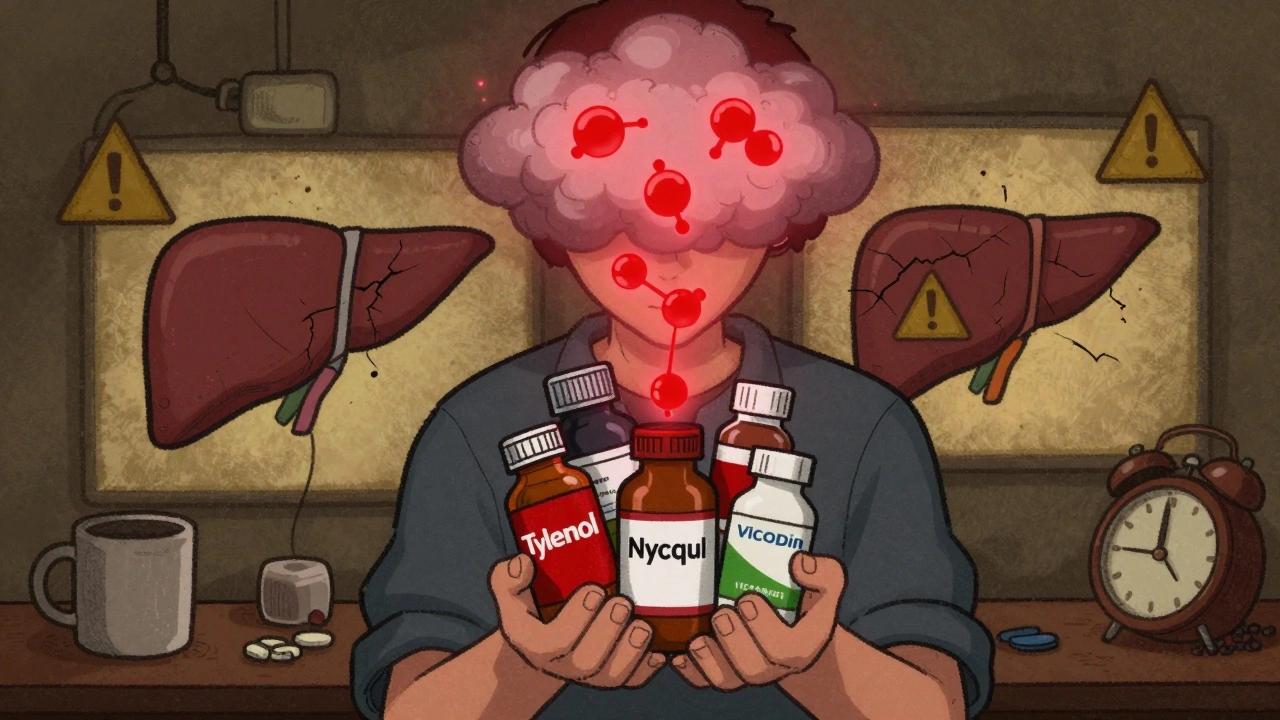
Acetaminophen and Liver Disease: Safe Dosing to Avoid Hepatotoxicity
Acetaminophen is safe for most people - but for those with liver disease, even normal doses can cause serious harm. Learn the real safe limits, hidden risks, and how to avoid accidental overdose.