
Generic vs Brand Drugs: What’s Really Different and What You Should Know
When you pick up a prescription, you might see two options: the familiar brand name or a cheaper generic version. But are they actually the same? Generic drugs, are FDA-approved versions of brand-name medications that contain the same active ingredient, dosage, and intended use. Also known as non-brand drugs, they’re not copies or imitations—they’re legally required to work the same way in your body. The only differences? The name on the bottle, the color or shape of the pill, and the price—often 80% lower than the brand.
Brand drugs, are the original medications developed by pharmaceutical companies and protected by patents. Also known as innovator drugs, they carry the marketing weight, packaging, and sometimes a higher cost because of R&D and advertising expenses. Once the patent expires, other manufacturers can legally produce the same drug as a generic. But here’s the twist: some generics are made by the exact same company that made the brand name. These are called authorized generics, exact replicas of the brand drug, made by the original manufacturer and sold under a different label. They’re not cheaper because they’re lower quality—they’re cheaper because there’s no brand premium.
People often worry that generics don’t work as well. But the FDA requires them to be bioequivalent—meaning they deliver the same amount of medicine into your bloodstream at the same rate as the brand. A 2008 study by the FDA reviewed over 1,000 generic drugs and found no meaningful difference in effectiveness or safety compared to their brand-name counterparts. If your blood pressure medicine or thyroid pill works on the brand, it’ll work the same on the generic. The only exceptions? A few narrow-therapeutic-index drugs like warfarin or levothyroxine, where tiny differences matter more. Even then, switching between generics from different makers is more likely to cause variation than switching from brand to generic.
Cost is the biggest driver. A brand-name drug can cost hundreds of dollars a month. The generic? Often under $10. That’s why pharmacies default to generics unless your doctor writes "dispense as written" or "no substitutions." But if you’re paying out of pocket, it’s worth asking: Is the brand worth the extra cost? For most people, the answer is no. For others, especially those on chronic meds, switching back and forth between different generic makers can cause confusion or side effects—so consistency matters.
And here’s something most don’t realize: your insurance plan might push you toward generics not because they’re better, but because they’re cheaper for the insurer. That doesn’t make them bad—it just means you’re being steered by economics, not science. But that’s okay, because science backs up the choice. You’re not sacrificing safety or effectiveness. You’re just saving money.
So what should you do? Ask your pharmacist: Is this generic made by the same company as the brand? If yes, you’re getting the exact same product. If not, it’s still safe—just ask your doctor if switching between generic brands is okay for your condition. And if you’re on a medication where small changes matter, stick with one version. Don’t let fear of generics cost you more than you need to.
Below, you’ll find real-world breakdowns of how generics and brand drugs compare in practice—from cost savings to hidden risks, from authorized generics to when the brand really might be worth it. No fluff. Just what you need to know to make smarter choices about your meds.
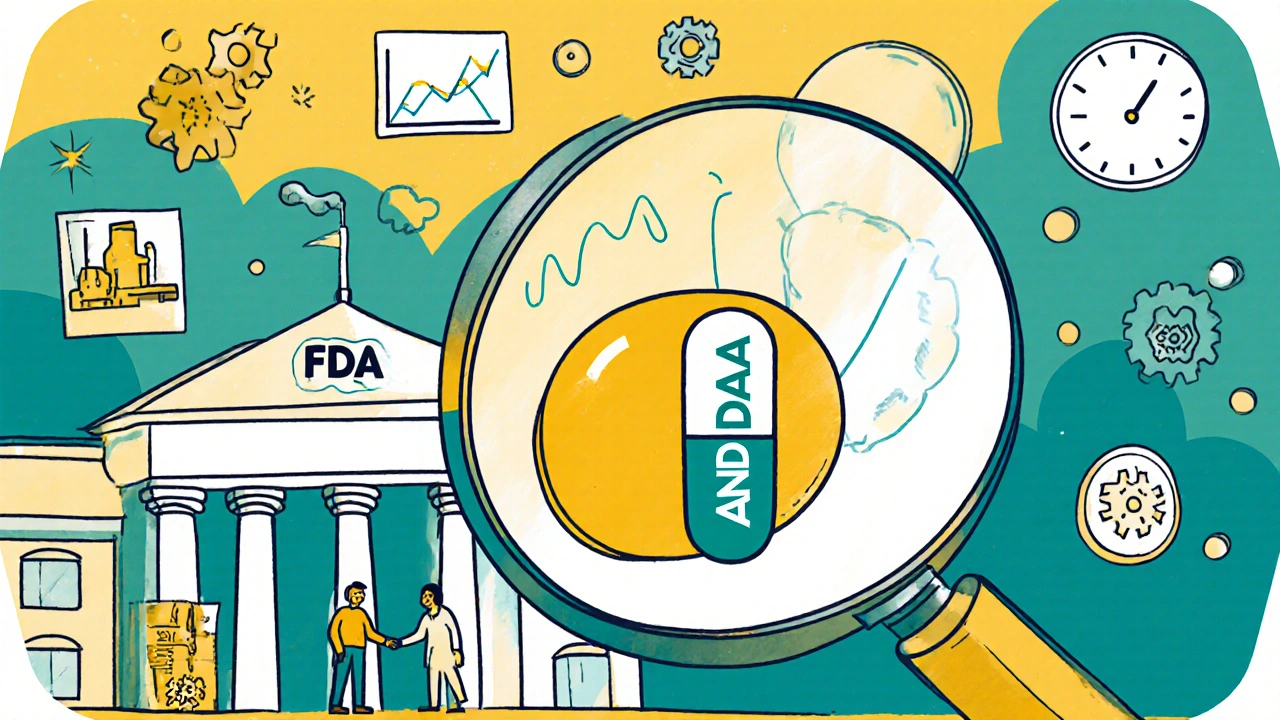
FDA’s Abbreviated New Drug Application Process Explained: How Generic Drugs Get Approved
The FDA's ANDA process lets generic drugs reach the market faster and cheaper by proving they're bioequivalent to brand-name drugs. Learn how it works, why it saves billions, and what happens behind the scenes.