
Fake Medicine Symptoms: How to Spot Dangerous Counterfeit Drugs
When you take a pill, you expect it to work—or at least not hurt you. But fake medicine, counterfeit pharmaceuticals that mimic real drugs but contain wrong or dangerous ingredients. Also known as counterfeit drugs, these fake products are a growing global threat that can cause poisoning, organ failure, or even death. They look real. They come in real-looking packaging. But inside? They might have chalk, rat poison, or no active ingredient at all. And the fake medicine symptoms, unexpected side effects or lack of expected effect after taking a counterfeit drug are often the only warning you get before it’s too late.
These aren’t just problems in faraway countries. Fake pills are flooding online pharmacies and even some brick-and-mortar stores. You might think you’re buying diabetes meds, but the pill could be laced with fentanyl. You take it for high blood pressure, but it’s just sugar. Or worse—it’s something that makes your liver shut down. The medication safety, the practice of ensuring drugs are genuine, properly stored, and correctly used to avoid harm starts before you swallow anything. Check the packaging. Compare it to pictures of the real thing online. Look for spelling errors, weird fonts, or seals that don’t match. If the price seems too good to be true, it probably is.
Some people don’t realize they’ve taken fake medicine until they feel sick. That’s when fake medicine symptoms show up: sudden dizziness, nausea that doesn’t go away, rashes you’ve never had before, or no improvement in your condition despite taking the drug as directed. These aren’t normal side effects—they’re red flags. If you’ve bought meds from an unlicensed website, a street vendor, or a friend who "got a deal," you’re at risk. The FDA and WHO have tracked thousands of cases where people ended up in the ER because of fake antibiotics, painkillers, or heart meds. Even something as simple as a fake vitamin can be dangerous if it contains heavy metals or toxic fillers.
You don’t need to be an expert to protect yourself. Start by only buying from licensed pharmacies you know. If you’re ordering online, make sure the site requires a prescription and has a verifiable physical address. Ask your pharmacist to check the pills if something looks off. And if you feel weird after taking a new medication—especially if it’s from a new source—don’t wait. Call your doctor. Save the pill bottle. Report it. The more people speak up, the harder it is for fake drugs to spread.
Below, you’ll find real stories and expert insights on how counterfeit drugs slip through the system, what to look for on the bottle, and how to avoid becoming a statistic. These aren’t theories—they’re lessons learned from people who got sick because they didn’t know what to watch for. You’re not alone. And you don’t have to guess what’s safe. The facts are here.
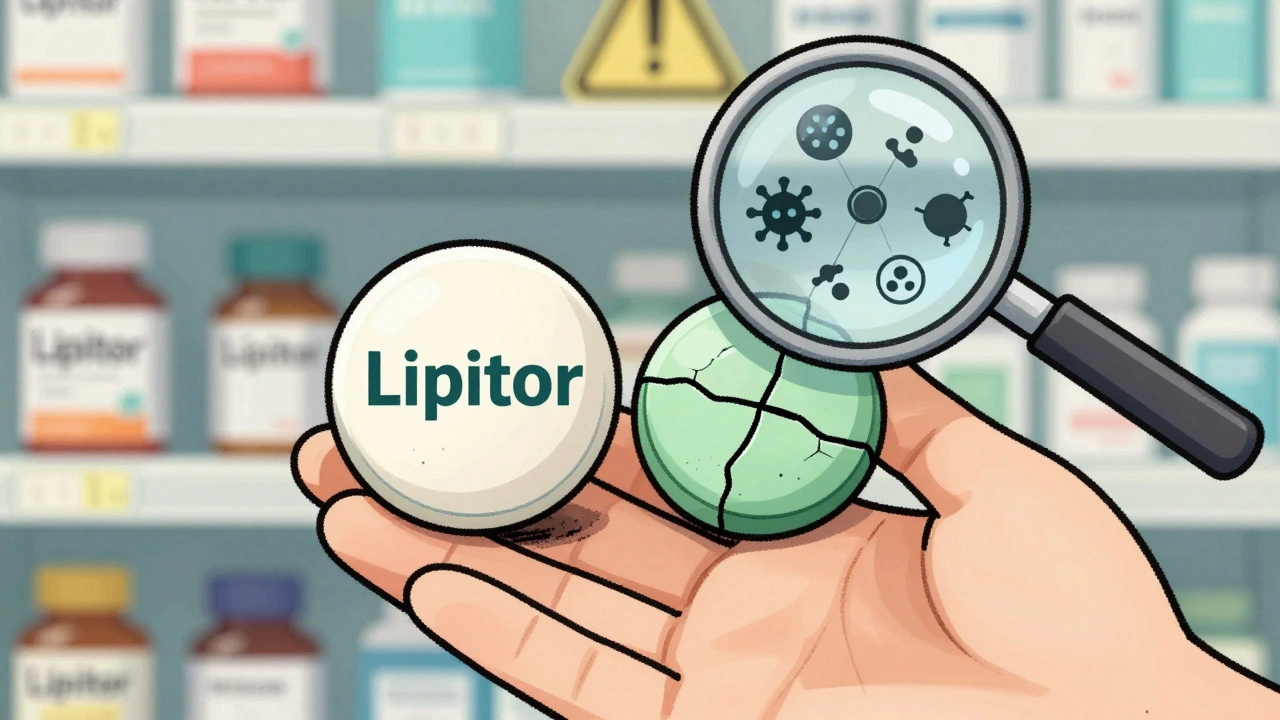
Symptoms of Taking Counterfeit Medications: What to Watch For
Counterfeit medications can look real but contain deadly substances like fentanyl or toxic chemicals. Learn the physical signs and body symptoms that reveal fake pills-and what to do if you suspect you’ve taken one.