
You take your medicine like clockwork. You trust the bottle. You trust the pharmacy. But what if the pill in your hand isn’t what it claims to be? Counterfeit medications are more common than most people realize-and they can kill you faster than you can say "I didn’t feel anything."
What Exactly Is a Counterfeit Medication?
A counterfeit medicine isn’t just a cheap copy. It’s a fraud. It might look identical to the real thing, but it could contain nothing at all, the wrong drug, too much active ingredient, or even toxic chemicals like fentanyl, rat poison, or industrial dye. The World Health Organization defines them as products deliberately and fraudulently mislabeled about their identity or source. Unlike substandard drugs-those made poorly due to bad manufacturing-counterfeits are designed to deceive. And they’re getting better at it.In the U.S., the FDA estimates that 1% of medications in legitimate supply chains are fake. That might sound low. But in some countries, it’s as high as 30%. And online? Nearly 96% of websites selling prescription drugs are illegal, and 89% of them sell counterfeit pills, according to the DEA.
Physical Signs: The Clues in the Bottle
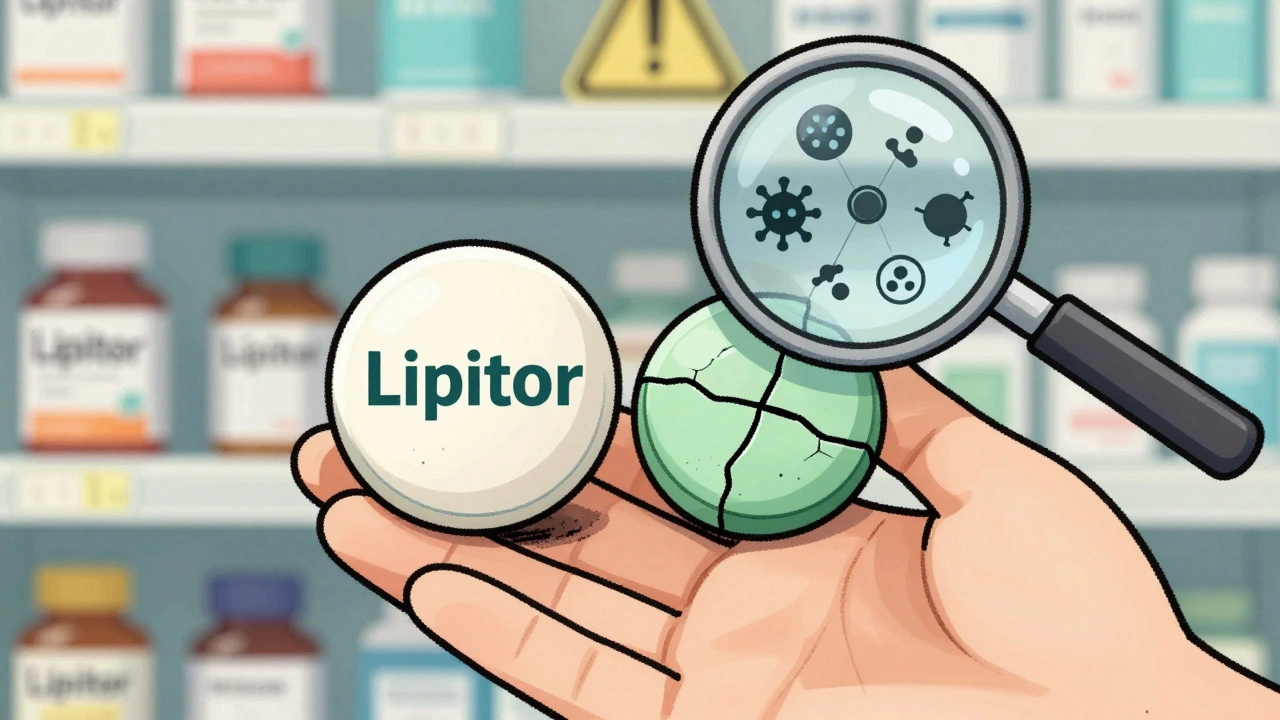
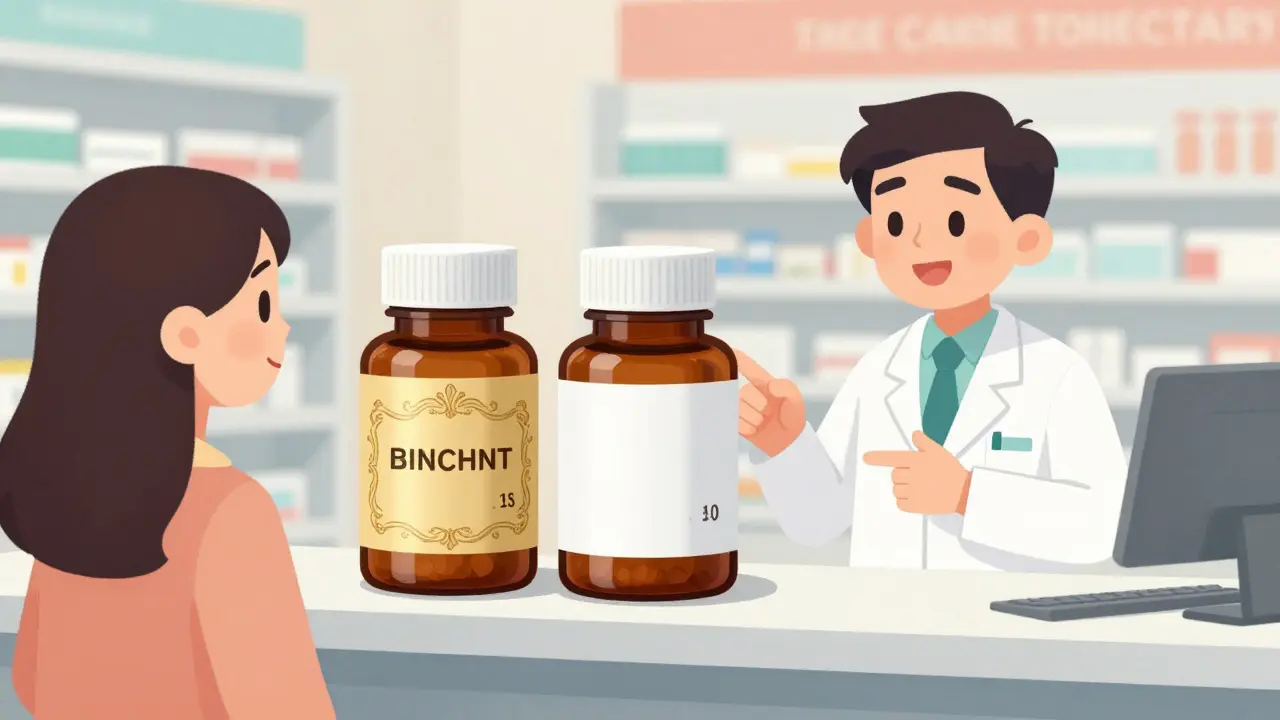
Before you even swallow a pill, check the packaging. Counterfeiters cut corners. They’re not trying to make a perfect copy-they’re trying to make a quick buck. Here’s what to look for:- Spelling errors on the label. Pfizer found that 78% of counterfeit medicines they analyzed had at least one misspelled word. "Lipitor" becomes "Lipitor"? That’s not a typo-it’s a red flag.
- Mismatched colors or fonts. The real thing has consistent branding. If the blue on your Xanax tablet looks slightly off, or the font on the box is thinner than usual, don’t ignore it.
- Missing security features. Authentic drugs often have holograms, color-shifting ink, or tamper-evident seals. If the bottle doesn’t have one, or it looks printed with a home printer, walk away.
- Altered expiration dates. The UK’s MHRA found that 63% of counterfeit medicines had fake expiry dates. A sticker over the original date? That’s a giveaway.
- Pill appearance. Real pills are uniform. If your pills are cracked, crumbly, too shiny, too dull, or vary in size or color-even slightly-they’re not legit. The Therapeutic Goods Administration of Australia says even a 5% difference in size can mean it’s fake.
One real case from 2023 involved fake Muro 128 eye drops. Patients reported burning, blurred vision, and corneal damage. The real product had a specific shade of blue. The fake was slightly green. One tiny difference. One life-altering consequence.
How Your Body Reacts: The Warning Signs Inside
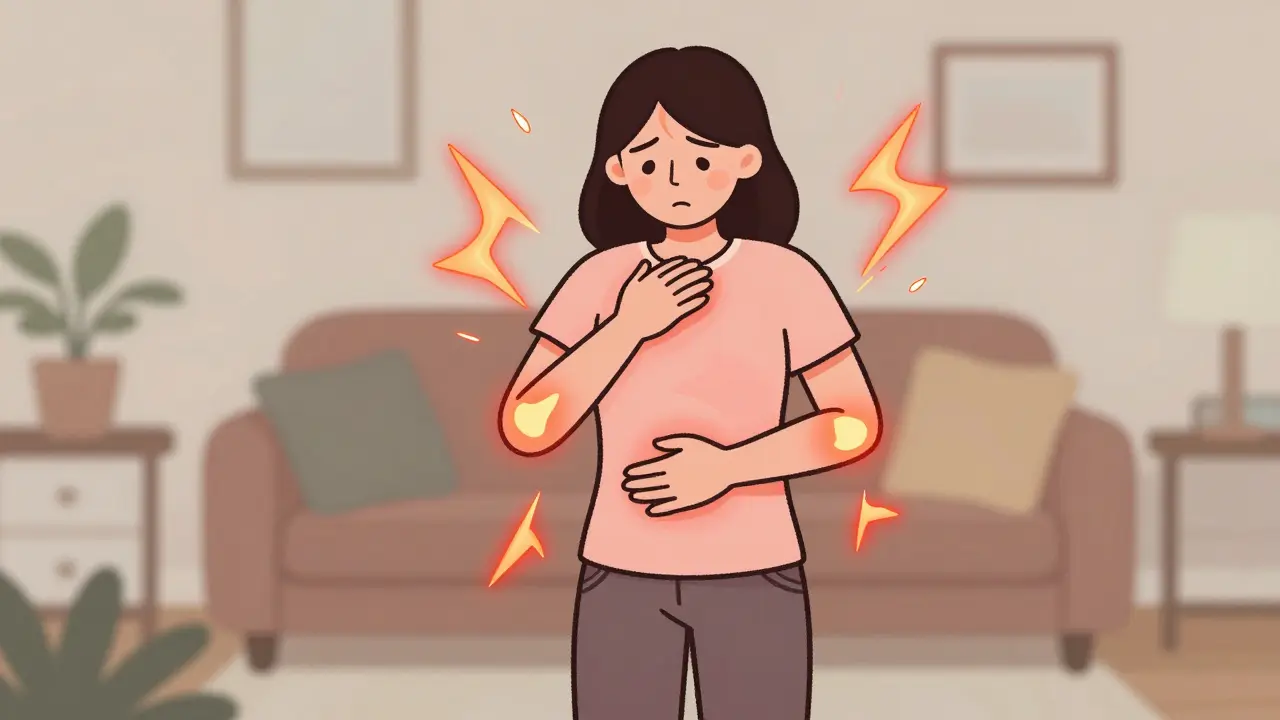
If the pill looks right but doesn’t work-or makes you feel worse-you’re being poisoned. Here’s what your body might tell you:- Your medicine doesn’t work at all. Eli Lilly reported that 89% of counterfeit drug complaints in 2022 involved patients who saw zero improvement. You take your blood pressure pill and your numbers stay high. You take your insulin and your sugar spikes. That’s not your body failing-it’s the pill failing.
- New, strange side effects. You’ve taken this drug for years. You’ve never had nausea, dizziness, or a rash. Now you do? That’s not a coincidence. The FDA found that 74% of verified counterfeit cases involved unexpected side effects. Why? Because the pill might contain something dangerous you didn’t sign up for.
- Signs of overdose. Fake pills are often laced with fentanyl. You think you’re taking oxycodone. You’re actually taking a lethal dose of a drug 50 to 100 times stronger than heroin. Symptoms come fast: pinpoint pupils, slow or shallow breathing, extreme drowsiness, loss of consciousness. You might not even have time to call for help.
- Stimulant overdose symptoms. Fake Adderall or Ritalin? They might contain methamphetamine. That means rapid heartbeat (over 120 BPM), high blood pressure (above 180/110), extreme sweating, tremors, and body temperature over 104°F. This isn’t just "feeling wired." This is a medical emergency.
- Toxic reactions. Counterfeit malaria drugs often contain industrial chemicals. Patients report vomiting, diarrhea, liver pain, and kidney failure. In 2021, the DEA found counterfeit pills containing antifreeze and battery acid.
One teenager in Ohio died after swallowing what he thought was Adderall. Autopsy showed fentanyl. His parents didn’t know he was buying pills off Instagram. He didn’t know either.
Why Online Pharmacies Are a Death Trap
It’s easy to find a website that looks professional. They have logos, SSL certificates, fake reviews, and "doctor consultations." But 96% of online pharmacies selling prescription drugs operate illegally. And 89% of them sell counterfeit meds.Don’t be fooled by "discounts" or "no prescription needed." If it sounds too good to be true, it is. The FDA and DEA have repeatedly warned that buying medication online without a prescription is dangerous. Even if the site claims to be "based in Canada" or "UK-approved," it’s likely a front. The UK’s MHRA says only 1% of online pharmacies are legitimate.
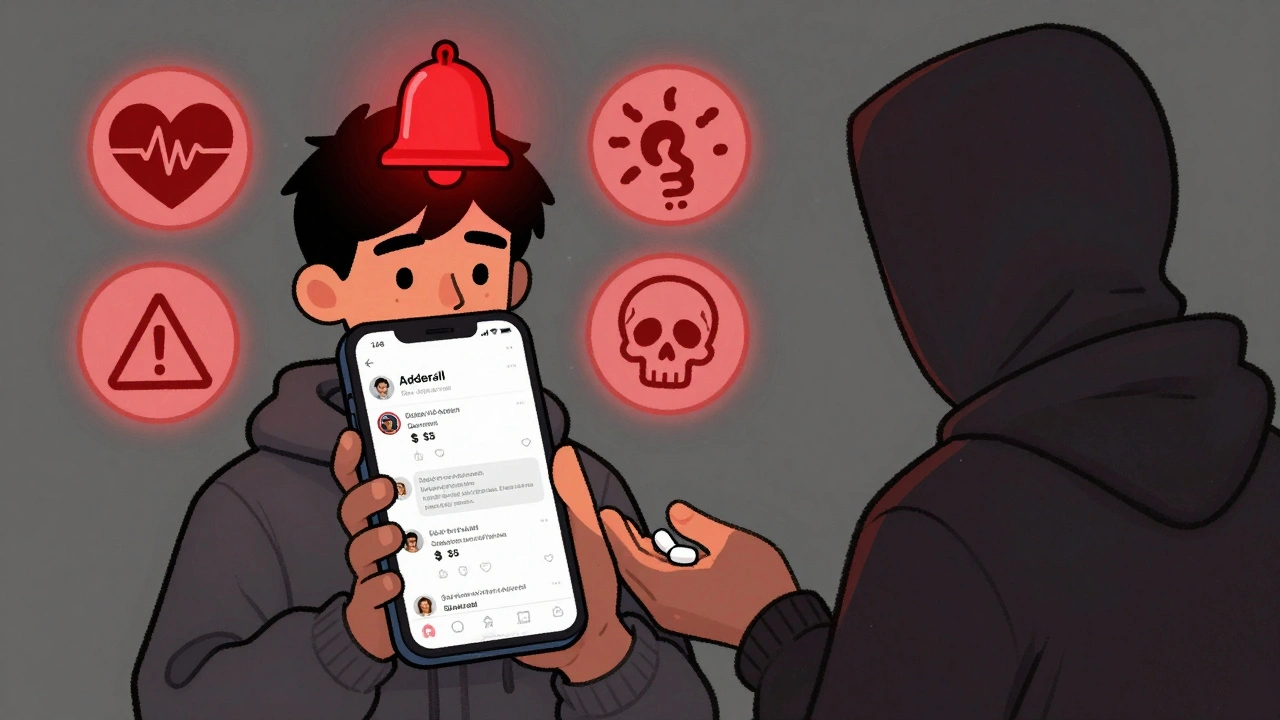
And here’s the worst part: counterfeiters are targeting social media. TikTok, Instagram, Snapchat-teenagers are being sold fake painkillers as "Xanax," "Adderall," or "Oxy" for $5 a pill. The National Institute on Drug Abuse says counterfeit pill seizures containing fentanyl have doubled since 2019. These aren’t just drugs. They’re landmines.
What to Do If You Suspect a Counterfeit
If something feels off-whether it’s the pill, the packaging, or how you feel after taking it-don’t wait. Don’t hope it was a one-time mistake.- Stop taking it. Immediately. Even one pill can be deadly.
- Save everything. The bottle, the pills, the receipt, the packaging. Do not throw anything away.
- Contact your pharmacist. They can check the lot number against manufacturer databases. Eli Lilly, Pfizer, and Merck all maintain public counterfeit lot lists. Your pharmacist can call them.
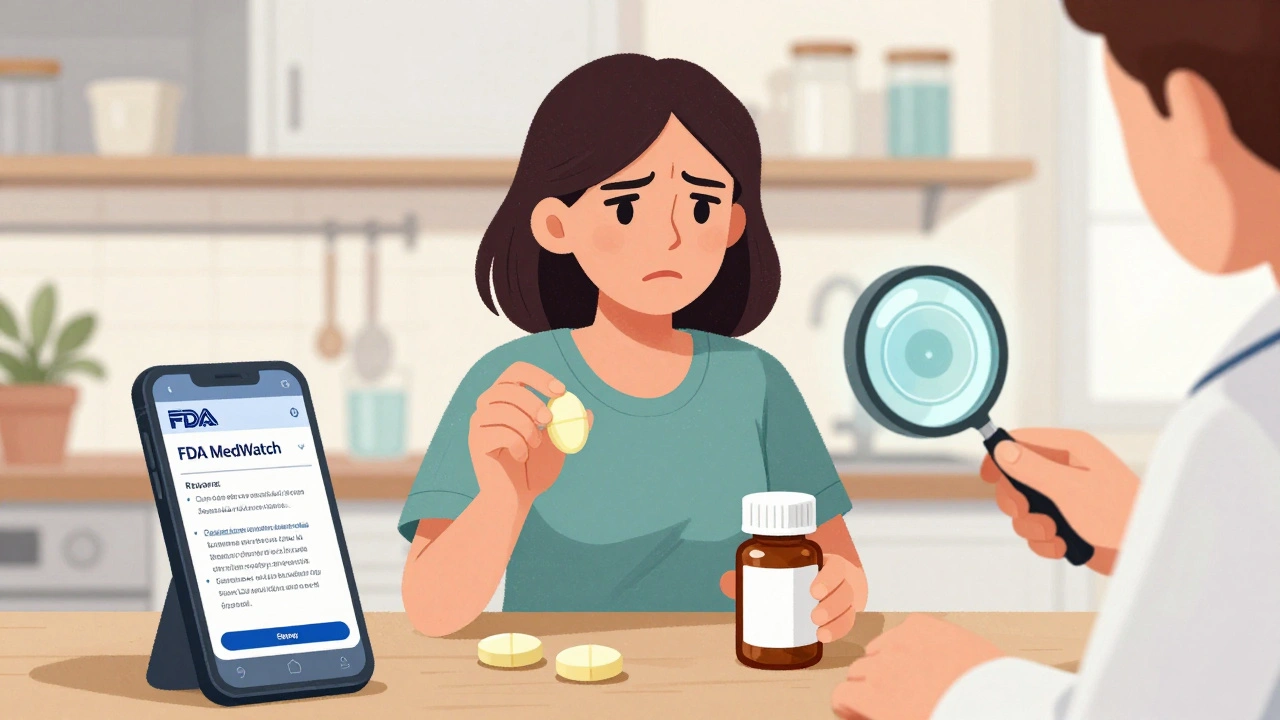
- Report it. File a report with the FDA’s MedWatch program. You can do it online or by phone. Your report helps track outbreaks and protect others.
- Call your doctor. If you’ve had strange symptoms, get checked. Blood tests can detect toxins. Your doctor needs to know you might have been exposed to something dangerous.
One woman in Manchester called her pharmacist after noticing her blood thinner pills were lighter in color. The pharmacist checked the lot number. It was on the counterfeit list. They traced it back to a batch of 15,000 packs that never reached shelves. She didn’t just save herself-she helped stop a mass poisoning.
How to Protect Yourself
Prevention is your best defense.- Only buy from licensed pharmacies. Look for the VIPPS seal (Verified Internet Pharmacy Practice Sites) in the U.S., or the GPhC logo in the UK.
- Never buy medication from social media, auction sites, or unknown websites.
- Compare your new prescription to your last refill. Is the pill the same shape, color, size? If not, ask.
- Use manufacturer verification tools. Pfizer and Eli Lilly have websites where you can enter lot numbers to check authenticity.
- Teach your kids. Counterfeit pills are marketed to teens as "safe" alternatives. They don’t know they’re playing Russian roulette.
Merck now uses microscopic DNA markers in Zetia packaging. Pfizer embeds nanotech threads in Viagra bottles. These aren’t gimmicks-they’re lifelines. But they only work if you know to look for them.
Bottom Line: Trust Your Instincts
Your body knows when something’s wrong. If your medicine doesn’t work, or you feel strange after taking it, don’t brush it off. If the pill looks off, or the bottle feels cheap, don’t ignore it. Counterfeit drugs are not a distant threat. They’re in your neighborhood, in your social feed, and in your medicine cabinet.There’s no substitute for professional verification. Only a lab can confirm if a pill is real. But you can spot the warning signs before it’s too late.
What are the most common symptoms of taking counterfeit pills?
The most common symptoms include the medication not working at all, new or unusual side effects like nausea or dizziness, signs of overdose (slow breathing, pinpoint pupils, unconsciousness), or symptoms of stimulant poisoning like rapid heartbeat and high blood pressure. Many people report the pills look different-wrong color, texture, or size.
Can counterfeit pills be safe if they look real?
No. Counterfeit pills are designed to look real, but they often contain dangerous substances like fentanyl, methamphetamine, or industrial chemicals. Even if the pill looks identical to the real thing, it can be lethal. Only lab testing can confirm authenticity.
How do I know if my pharmacy is legitimate?
In the U.S., look for the VIPPS seal. In the UK, check for the GPhC logo. Legitimate pharmacies require a prescription, have a physical address, and employ licensed pharmacists. If a website sells pills without a prescription or offers "instant delivery," it’s likely illegal.
What should I do if I think I took a fake pill?
Stop taking it immediately. Save the pill and packaging. Contact your pharmacist and doctor right away. Report it to the FDA’s MedWatch program. If you feel sick or have trouble breathing, call emergency services.
Are online pharmacies ever safe?
Very rarely. The DEA says 96% of online pharmacies selling prescription drugs are illegal. Even sites that look professional may be fronts for counterfeit operations. Always buy from a licensed, brick-and-mortar pharmacy or a verified online pharmacy with a physical address and licensed pharmacists on staff.
Can counterfeit drugs cause long-term damage?
Yes. Taking counterfeit medications can lead to organ damage, chronic illness, or death. For example, fake antibiotics may contain toxic chemicals that harm the liver or kidneys. Fake insulin can cause diabetic complications. Fake cancer drugs can allow tumors to grow unchecked. Even one exposure can have lasting consequences.
If you’re ever unsure, ask. Talk to your pharmacist. Call the manufacturer. Don’t risk your life because you were too embarrassed to ask a question. Your health isn’t worth guessing.
Anna Roh
December 10, 2025 AT 09:49So I just checked my blood pressure med and the bottle looks kinda off? Like the font is thinner and the blue is more teal. I thought I was just paranoid. Guess I’m not. Thanks for the heads-up.
Rich Paul
December 11, 2025 AT 07:08Bro the FDA’s 1% stat is a total myth. That’s only for *legit* supply chains. If you’re buying off Instagram or shady sites like some kids do, you’re basically playing Russian roulette with fentanyl. The DEA’s 89% counterfeit rate online isn’t even the full picture-most of these pills are made in China, laced with carfentanil, and shipped via USPS like it’s Amazon Prime. And yeah, the pills look perfect. That’s the whole damn point. Nanotech? DNA markers? Cool, but if you don’t know how to verify, you’re toast. Also, ‘Lipitor’ misspelled? Nah, that’s just the batch from the 2nd shift in Shenzhen. They got a new printer.
Delaine Kiara
December 12, 2025 AT 15:42Okay but have you SEEN the TikTok trends? Teenagers are literally posting videos of themselves popping ‘Adderall’ pills they bought for $3 because their ‘friend’ said it helps with Zoom class. One girl died last month in Ohio. Her mom found 17 empty blister packs in her drawer. And the worst part? The packaging had a QR code that led to a fake FDA verification page. I’m not even mad-I’m just disappointed. We’re raising a generation that trusts influencers more than their own doctors. And now they’re dying because they thought ‘no prescription needed’ meant ‘safe as air.’ 😭
Ruth Witte
December 12, 2025 AT 21:37Y’ALL. THIS IS SO IMPORTANT. 💔 I just called my pharmacist after reading this and they confirmed my cholesterol pill was from a batch that got flagged last week. I’m so glad I checked! 🙌 Don’t be like me and wait until you feel weird-ACT NOW! Save the bottle, report it, tell your friends! 💊🚨 Your life matters more than saving $5. Love you all, stay safe!! ❤️
Katherine Rodgers
December 14, 2025 AT 19:17Oh wow, so the government’s 1% number is supposed to make us feel better? That’s like saying ‘only 1% of your car’s brakes fail’-until you’re the one flying through a red light. And yeah, ‘Lipitor’ misspelled? LOL. That’s not a typo, that’s a corporate trademark violation. But hey, at least the fake pills have better packaging than my last Uber Eats order. 🤡
Lauren Dare
December 15, 2025 AT 18:15Let’s be real-the real issue isn’t the pills. It’s the systemic collapse of pharmaceutical oversight. The FDA is understaffed, the DEA’s online enforcement is a joke, and pharmacies are pressured to cut costs. Meanwhile, Big Pharma patents expire, generics flood the market, and suddenly everyone’s buying ‘discount meds’ from a website with a .xyz domain. The ‘VIPPS seal’? That’s like a ‘clean’ rating on a brothel. It’s not a guarantee-it’s a checkbox. And if you’re trusting a QR code on a pill bottle? Honey, you’re already dead inside.
Gilbert Lacasandile
December 15, 2025 AT 20:46Man, I never thought about this until my aunt told me her new diabetes meds didn’t work. She didn’t say anything for weeks because she didn’t want to seem ‘crazy.’ Then she noticed the pills were lighter. We called the pharmacy and they found out it was a counterfeit batch. I’m so glad we caught it. I just wish more people knew how easy it is to miss these signs. Maybe we should make a little checklist to hand out at clinics? Just something simple.
Lola Bchoudi
December 17, 2025 AT 19:39Okay, let’s turn this into action. If you’re on a chronic med, here’s your 3-step protocol: 1) Take a photo of your pill and packaging when you first get it. 2) Compare every refill-size, color, imprint, even the texture. 3) Use the manufacturer’s verification tool-Pfizer, Eli Lilly, Merck-they all have free lookup pages. If it doesn’t match, don’t guess. Call your pharmacist. Report it. You’re not being paranoid-you’re being proactive. And if you’re a parent? Talk to your kids. Not in a scary way. Just say, ‘If someone offers you a pill that’s not from your doctor, it’s not a gift. It’s a trap.’ You’re not overreacting. You’re saving lives.