
Early Vision Detection: Catch Eye Problems Before They Worsen
When it comes to your eyes, early vision detection, the practice of identifying eye conditions before symptoms appear. It's not just about reading an eye chart—it’s about catching silent threats like age-related macular degeneration or diabetic retinopathy, damage to blood vessels in the retina caused by high blood sugar before they cause irreversible harm. Most people don’t realize their vision is fading until it’s too late. By then, treatments are limited. But with the right checks at the right time, you can stop these diseases in their tracks.
Think of your eyes like a car’s brake system: you don’t wait for them to fail to check the pads. The same goes for AREDS2 vitamins, a specific blend of antioxidants and zinc proven to slow advanced macular degeneration. These aren’t for everyone—they’re only effective if you already have moderate to severe AMD. Taking them early won’t prevent it. But if your eye doctor finds early signs, they can help you keep your central vision longer. That’s the power of timing. And it’s not just about supplements. Regular screenings catch glaucoma, cataracts, and diabetic eye disease before they cause pain or blurry vision. Many of these conditions show zero symptoms until damage is done.
Who needs this? Anyone over 50. Anyone with diabetes. Anyone with a family history of eye disease. Even if you think your vision is fine. A simple dilated eye exam takes 20 minutes and can reveal problems you’d never notice on your own. The early vision detection isn’t about fear—it’s about control. It’s knowing your risks and acting before it’s too late. The articles below give you the real facts: which tests actually matter, who should get AREDS2 vitamins, how diabetes silently attacks your eyes, and what steps you can take right now to protect your sight. No fluff. No hype. Just what works.
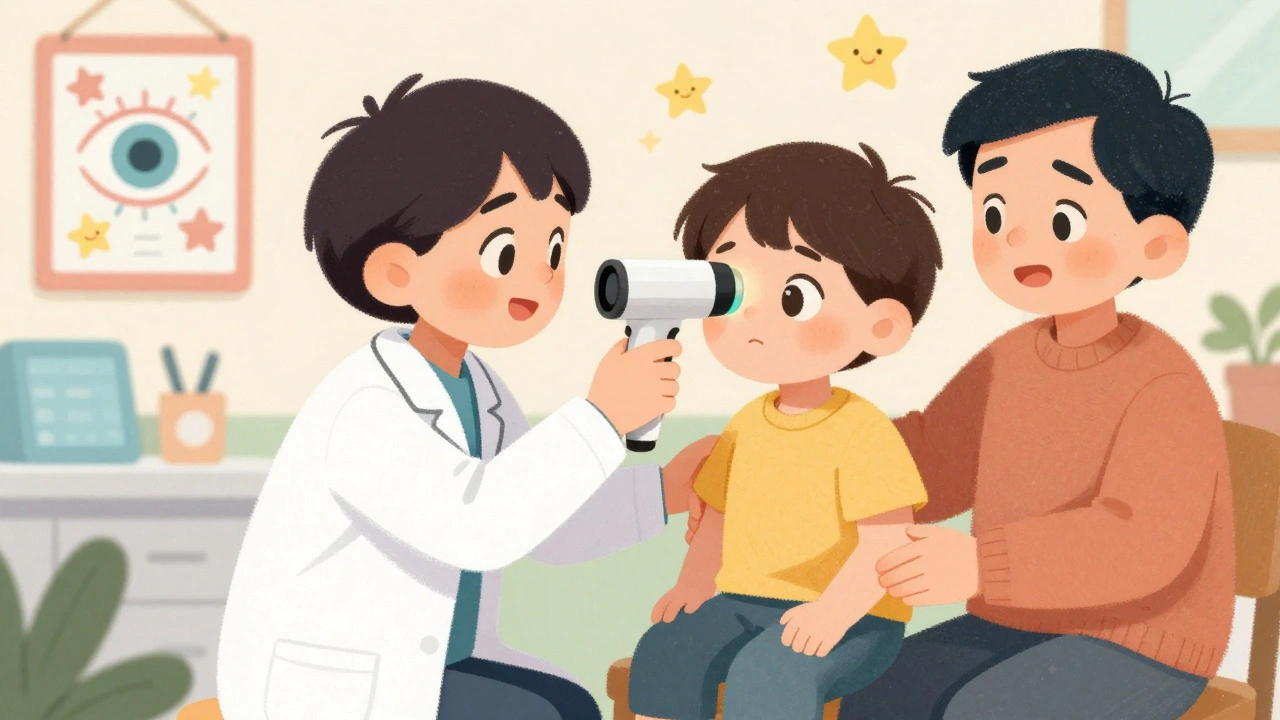
Pediatric Vision Screening: How Early Detection Prevents Lifelong Vision Problems
Pediatric vision screening catches treatable eye problems like amblyopia and strabismus before age 5, preventing lifelong vision loss. Early detection works in up to 95% of cases-delaying screening can make treatment ineffective.