
Early Peanut Introduction: How It Reduces Allergy Risk in Kids
When it comes to early peanut introduction, the practice of giving peanut-containing foods to infants as young as 4 to 6 months to prevent peanut allergy. Also known as peanut exposure in infancy, it’s no longer a controversial idea—it’s a proven strategy backed by major health organizations. Back in 2000, parents were told to avoid peanuts until age three. Today, that advice is reversed. The landmark LEAP study, published in 2015, showed that high-risk babies who ate peanut protein regularly before age one were 80% less likely to develop a peanut allergy by age five.
This shift didn’t happen by accident. It came from real data, not guesswork. Doctors now recommend infant food allergy, the abnormal immune response to common foods like peanuts, eggs, or milk in babies prevention starts early, especially for kids with eczema or egg allergy. The key isn’t waiting—it’s introducing. For most babies, that means smooth peanut butter mixed into purees or peanut puff snacks, not whole nuts, which are choking hazards. The goal isn’t just to avoid a reaction—it’s to train the immune system to tolerate the protein.
It’s not one-size-fits-all. If your child has severe eczema or a known egg allergy, talk to your pediatrician before starting. They might suggest an allergy test first. But for most babies, the risk of not introducing peanuts is higher than the risk of introducing them. This isn’t about being bold—it’s about following science. And the science is clear: delaying peanut exposure increases allergy risk. Waiting until age one, two, or three doesn’t protect kids—it makes them more vulnerable.
What you’ll find in the posts below are real, practical guides on how to safely introduce peanut products, what signs to watch for, how to spot early allergy symptoms, and how this approach connects to broader strategies for managing pediatric allergy, allergic conditions in children, including asthma, eczema, and food sensitivities. You’ll also see how peanut exposure, the controlled introduction of peanut protein to infants to build tolerance fits into the bigger picture of immune development, and why it’s now part of standard care in pediatric clinics worldwide. This isn’t theory. It’s what doctors are doing right now to protect the next generation.
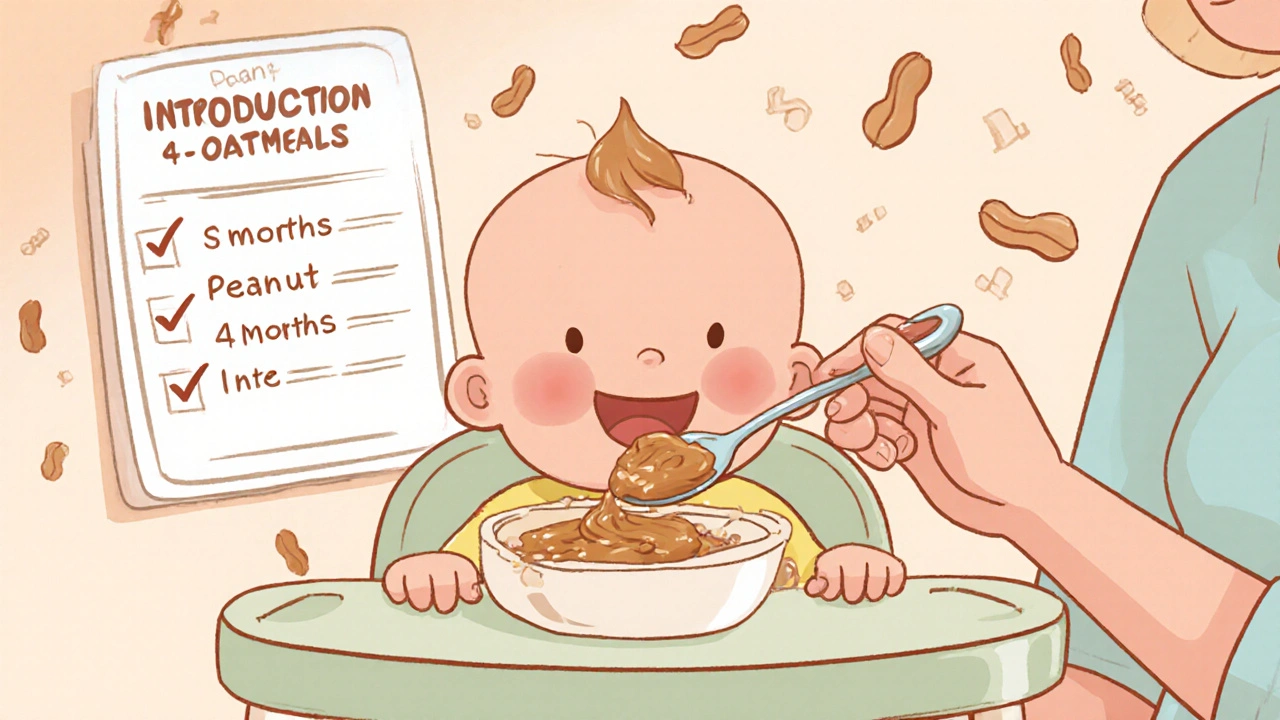
Peanut Allergy Prevention: When and How to Introduce Peanuts to Infants
Learn how early peanut introduction can prevent peanut allergy in infants, based on the latest NIAID guidelines. Discover the science behind LEAP study results, safe methods, risk levels, and what to avoid.