
Drug Facts Label: What You Need to Know About Over-the-Counter Medicine Info
When you pick up a bottle of pain reliever, cold medicine, or antacid, the drug facts label, the standardized panel on over-the-counter medicine that lists active ingredients, uses, warnings, and directions. Also known as OTC labeling, it’s the only thing standing between you and a dangerous mistake. This isn’t marketing fluff—it’s federal law. The FDA requires every OTC product to show you exactly what’s inside, how much to take, who shouldn’t use it, and what else it might react with. Skip reading it, and you’re gambling with your health.
Most people glance at the brand name and dose, then toss the package. But the real power is in the details. The active ingredient, the chemical that actually treats your symptom is what matters—not the brand. Tylenol, Excedrin, and store-brand headache pills all might contain the same acetaminophen, a common pain and fever reducer that can cause liver damage if taken in excess. If you take two products with the same active ingredient, you could accidentally overdose. That’s why the drug facts label, the standardized panel on over-the-counter medicine that lists active ingredients, uses, warnings, and directions lists every single one. It also tells you about drug interactions, when one medicine changes how another works in your body. For example, mixing ibuprofen with blood pressure meds can make them less effective. Or taking antihistamines with sleep aids can leave you dangerously drowsy.
It’s not just about avoiding harm. The label also tells you when to stop and see a doctor. If your headache lasts more than a few days, or your cough won’t quit after two weeks, the label says: stop using and talk to your provider. That’s not a suggestion—it’s a safety net. The drug facts label is your personal guide to using medicine wisely, not just quickly. You don’t need a pharmacy degree to understand it. Just slow down. Look for the Warnings section. Check the Active Ingredients line. Compare it to what you’re already taking. It takes 30 seconds, but it could save you a trip to the ER.
Below, you’ll find real-world examples of how people misuse OTC meds, how labels can be misleading, and how to spot hidden risks in everyday products. From how acetaminophen quietly damages the liver to why mixing certain cold meds can raise your potassium to dangerous levels—these aren’t hypotheticals. They’re cases that happened to real people who didn’t read the label. You’re about to see what that label really means—and how to use it to stay safe.
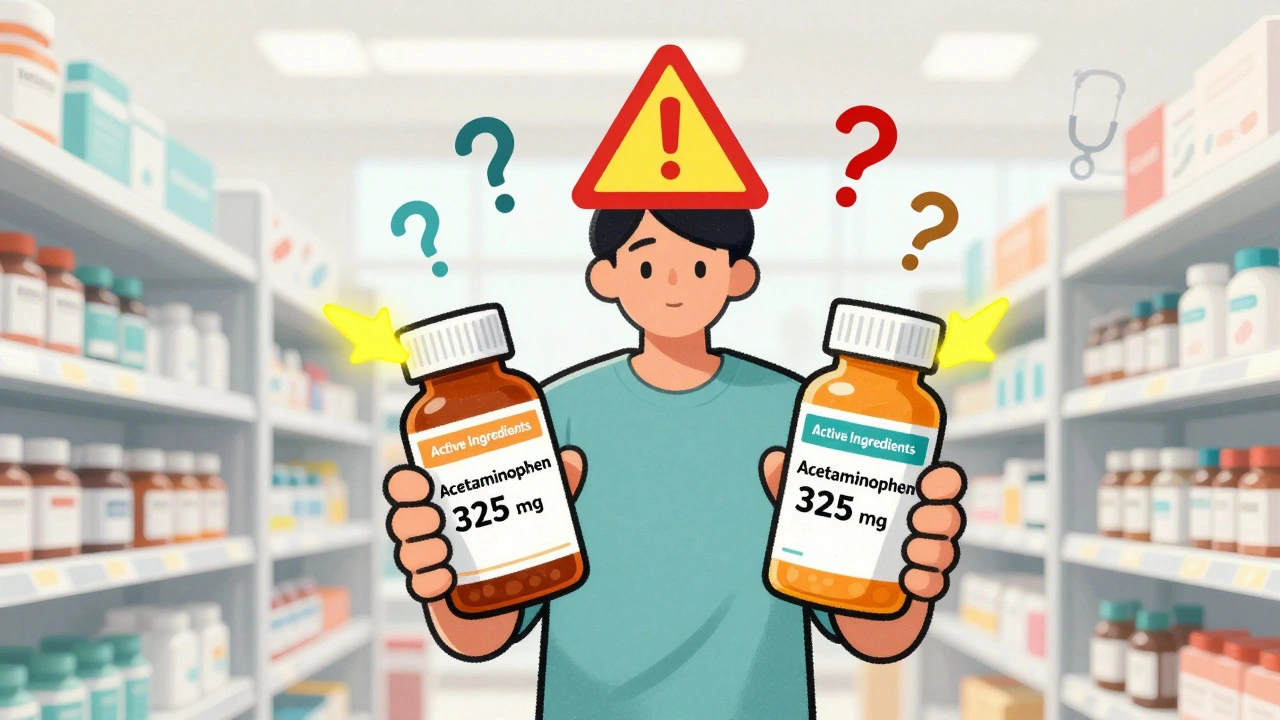
How to Read OTC Drug Facts Labels Correctly and Confidently
Learn how to read OTC drug facts labels to avoid dangerous overdoses, drug interactions, and allergic reactions. Know the active ingredients, warnings, and directions to use medications safely and confidently.