
Counterfeit Meds: How Fake Drugs Put Your Health at Risk
When you buy medicine, you trust it’s real. But counterfeit meds, fake or substandard drugs designed to look like the real thing. Also known as fake medications, they can contain no active ingredient, the wrong dose, or even toxic chemicals like rat poison or floor cleaner. These aren’t just scams—they’re silent killers. The World Health Organization estimates that 1 in 10 medical products in low- and middle-income countries are counterfeit. Even in places with strong regulations, criminals find ways to slip fakes into the supply chain.
How does this happen? It starts with a broken pharmaceutical supply chain, the complex network of manufacturers, distributors, and pharmacies that move drugs from factory to patient. When logistics are weak, or oversight is ignored, fake pills slip in. They might come from unregulated online pharmacies, stolen shipments, or repackaged expired drugs. Some fakes look identical to the real thing—same color, same logo, same packaging. But they lack the quality control that keeps you safe. One batch of fake antibiotics might have too little medicine, letting infections spread. Another might have too much, causing organ damage. And some, like counterfeit insulin or heart meds, can kill within hours.
It’s not just about buying from sketchy websites. Even legitimate pharmacies can be targeted. Fake drugs have been found in hospitals, clinics, and retail chains after being mixed in during shipping or storage. That’s why knowing how to spot red flags matters. Is the price way lower than usual? Does the packaging look off? Are the pills a different shape or taste? These aren’t just quirks—they’re warning signs. And if you’re buying online, check if the site requires a prescription. If it doesn’t, walk away. The medication fraud, illegal trade in fake or mislabeled drugs. thrives on convenience and desperation. People skip doctor visits to save money. They order from foreign sites because they can’t afford their prescription. Criminals exploit that.
But you’re not powerless. Reading the drug facts label on every bottle helps. Knowing your medication’s normal look and feel makes it easier to catch something wrong. Talk to your pharmacist—they see more fake drugs than you think. And if something feels off, report it. The FDA and health agencies track these cases to shut down operations. Real medicine saves lives. Counterfeit meds don’t just fail to help—they actively harm. This collection of articles dives into how fake drugs get made, how they slip past inspections, what to do if you suspect you’ve taken one, and how to protect yourself without falling for scams. You deserve real treatment. Don’t let fraud steal your health.
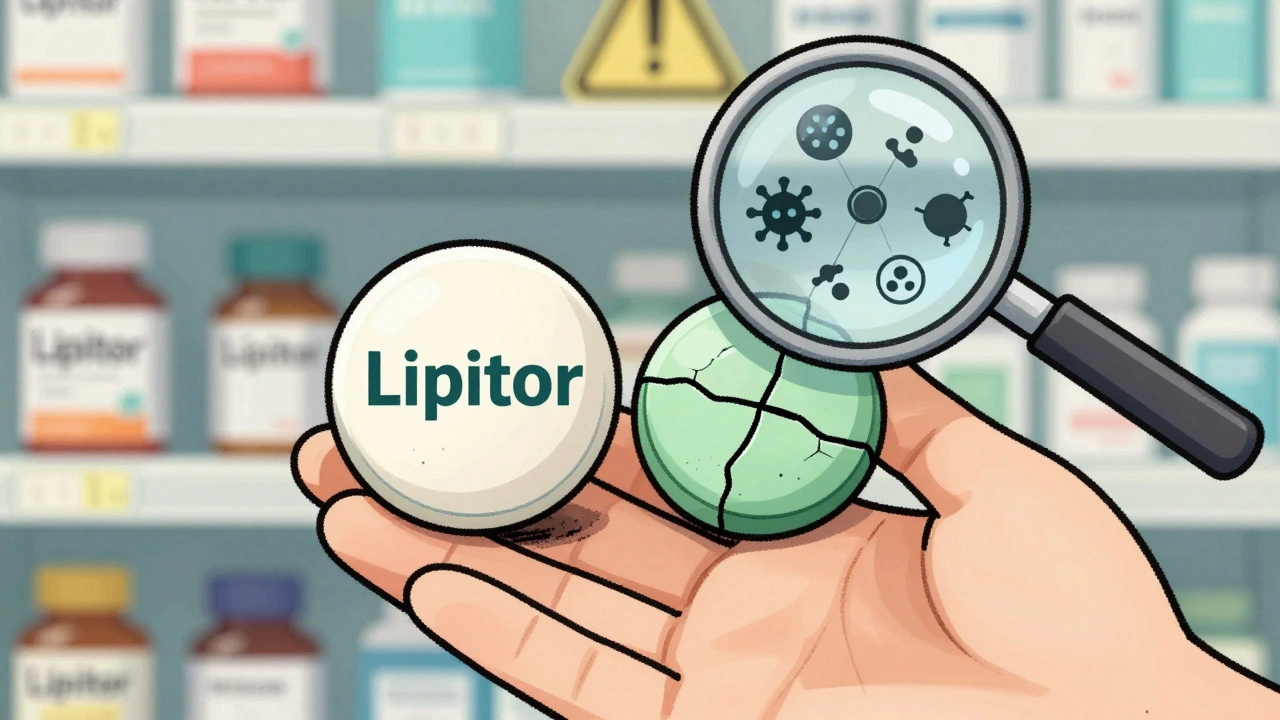
Symptoms of Taking Counterfeit Medications: What to Watch For
Counterfeit medications can look real but contain deadly substances like fentanyl or toxic chemicals. Learn the physical signs and body symptoms that reveal fake pills-and what to do if you suspect you’ve taken one.