
Counterfeit Drugs Warning Signs: How to Spot Fake Medications and Stay Safe
When you buy medicine, you expect it to work—and to be safe. But counterfeit drugs, fake or illegally made medications that mimic real ones but often contain no active ingredient or harmful substances are a growing threat. These aren’t just cheap knockoffs—they can kill. The pharmaceutical supply chain, the network that moves drugs from manufacturers to patients is complex, and when it breaks down, dangerous fakes slip through. You might find them online, at unlicensed pharmacies, or even in countries with weak regulation. The OTC drug labels, the standardized information panels on over-the-counter medications you trust can be copied too, making it harder to tell what’s real.
So how do you know if your pills are fake? Look for changes in color, shape, or taste. If your blood pressure pill suddenly tastes bitter or your antibiotic looks different from last time, that’s a red flag. Packaging matters too—misspelled words, blurry logos, or missing batch numbers are common signs. Even the way the bottle opens can be off. Real manufacturers use tamper-proof seals; fakes often use glue or cheap plastic. And don’t ignore the source. Buying from websites that don’t ask for a prescription, or that offer drugs at 80% off, is a huge risk. The FDA and WHO have found counterfeit versions of everything from insulin to Viagra to cancer drugs—some containing rat poison, chalk, or even floor cleaner.
It’s not just about avoiding a bad pill—it’s about stopping something that could stop your heart. Fake antibiotics don’t treat infection, letting it spread. Counterfeit painkillers might have too much fentanyl. Fake diabetes meds can send your blood sugar into a tailspin. And if you’re on something like HIV meds or blood thinners, a fake version could be deadly. That’s why reading your OTC drug labels isn’t just good practice—it’s a survival skill. Know the active ingredient. Check the manufacturer. Compare it to what your pharmacist gave you last time. If something feels wrong, trust your gut. Call your doctor. Report it to the FDA. You’re not being paranoid—you’re being smart.
The good news? You’re not powerless. Most counterfeit drugs come from illegal online sellers or shady overseas suppliers. Stick to licensed pharmacies—especially ones you know and trust. If you’re buying online, make sure the site requires a prescription and has a verified pharmacy seal. And if you’ve ever wondered why your medication costs so much, remember: the price often covers safety checks, quality control, and real research. The cheapest option isn’t always the best. In this case, it’s often the most dangerous.
Below, you’ll find real stories and facts about how people got hurt by fake meds, how to read labels to spot fakes, and what to do if you think you’ve been sold something dangerous. These aren’t theoretical risks—they’re happening right now, to people just like you. Don’t wait until it’s too late to learn how to protect yourself.
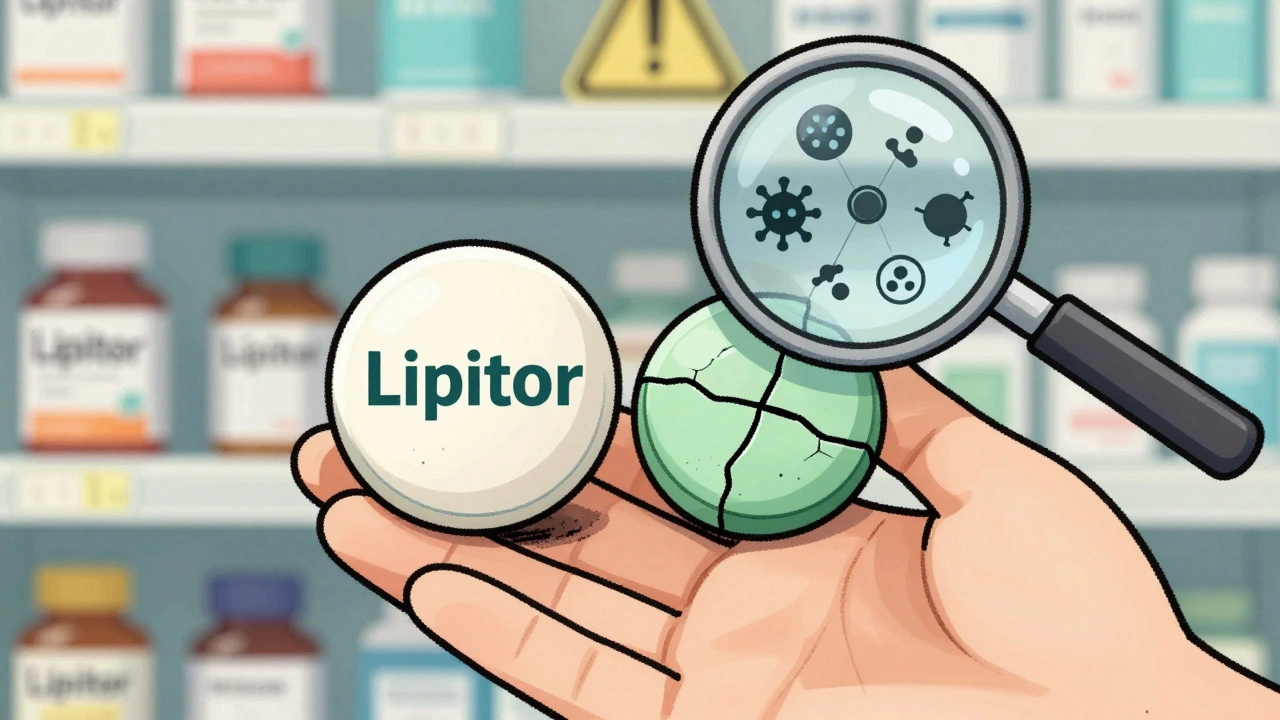
Symptoms of Taking Counterfeit Medications: What to Watch For
Counterfeit medications can look real but contain deadly substances like fentanyl or toxic chemicals. Learn the physical signs and body symptoms that reveal fake pills-and what to do if you suspect you’ve taken one.