
Combination Medications: What They Are and Why They Matter
When you take a combination medication, a single pill that contains two or more active drugs designed to work together. Also known as fixed-dose combinations, these are used to simplify treatment for conditions like high blood pressure, HIV, or depression—where hitting multiple targets at once improves results. They’re not just convenient; they’re often the smartest way to manage chronic disease. But they’re not risk-free. Mixing drugs changes how your body handles each one, and sometimes, that’s dangerous.
Take ACE inhibitors, a common class of blood pressure drugs and potassium-sparing diuretics, medications that help your body get rid of fluid without losing potassium. When combined in one pill, they’re popular for treating hypertension. But together, they can spike potassium levels to dangerous highs—leading to irregular heartbeats or even cardiac arrest. This isn’t theory. It’s a real, documented risk that shows up in hospital records every year. The same goes for antiretroviral therapy, the backbone of HIV treatment, which can clash with common painkillers, statins, or even over-the-counter supplements. These aren’t random mistakes—they’re predictable interactions that happen because the drugs were combined without full awareness of their combined effects.
Many people don’t realize that a combination pill might be hiding a drug they’re allergic to, or one that worsens their liver or kidney condition. That’s why reading the OTC drug facts label, the standardized panel on every medicine box that lists active ingredients and warnings matters—even for prescription combos. If you’re on multiple meds, you’re dealing with polypharmacy, the use of multiple medications at once, which increases the chance of harmful interactions. It’s not about taking more pills; it’s about knowing what’s inside each one. Some combos are brilliant—like those that pair a diabetes drug with a heart-protective agent. Others? They’re shortcuts that skip the safety checks.
What you’ll find here isn’t just a list of articles. It’s a map to the hidden risks and real-world trade-offs of combination medications. From how pharmacists recommend generics to avoid dangerous combos, to how fake pills mimic real ones and what to watch for, these posts give you the facts you won’t get from a pharmacy label. No fluff. No marketing. Just what you need to stay safe when your treatment includes more than one drug in one pill.
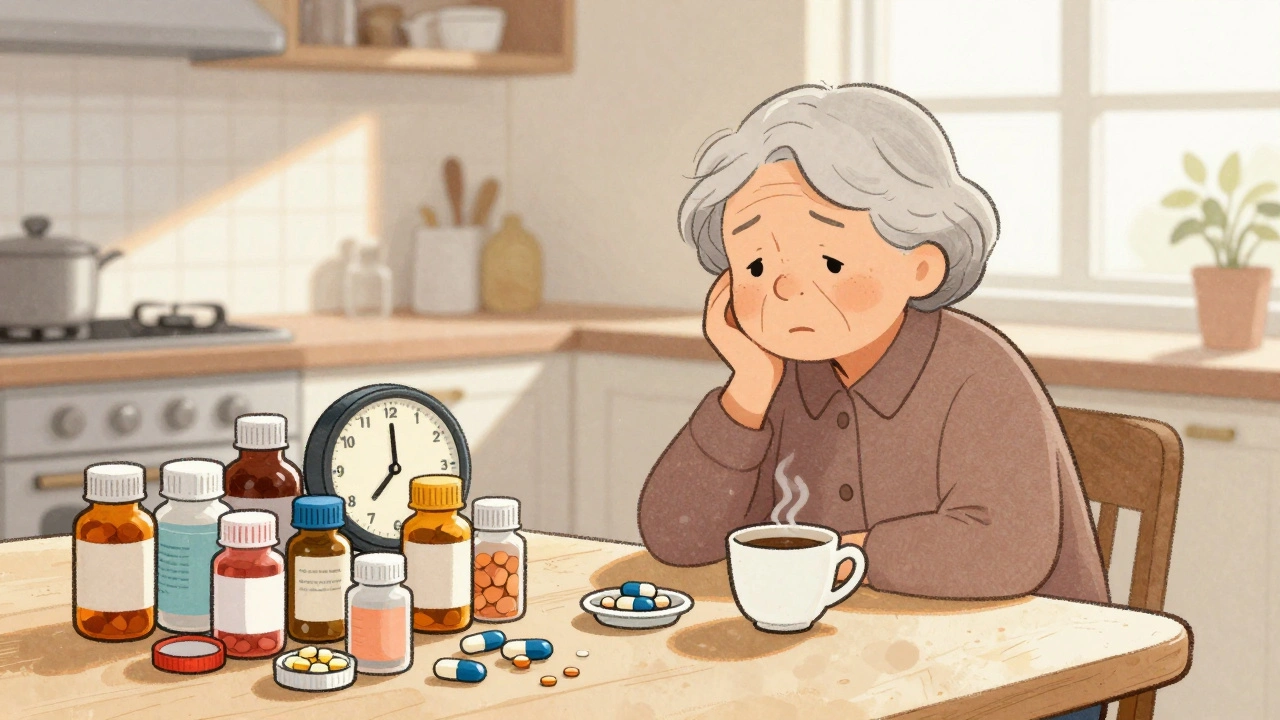
How to Reduce Pill Burden with Combination Medications for Seniors
Combination medications reduce pill burden for seniors by combining multiple drugs into one tablet, improving adherence, lowering blood pressure, and cutting healthcare costs. Learn how they work and when they're right for you.