
Biosimilar Education: What You Need to Know About Lower-Cost Biologic Drugs
When you hear biosimilars, highly similar versions of complex biologic drugs approved after the original patent expires. Also known as generic biologics, they offer the same clinical benefits as the original but at a fraction of the cost. Unlike regular generics, which are simple chemical copies, biosimilars are made from living cells and must match the original drug in structure, function, and safety—down to the smallest detail. The FDA and other global regulators require rigorous testing before approval, so they’re not "cheap imitations"—they’re scientifically validated alternatives.
Biosimilars directly impact people managing chronic conditions like rheumatoid arthritis, Crohn’s disease, or cancer. For example, a biosimilar of adalimumab (Humira) can cut monthly costs from over $2,000 to under $1,000. That’s life-changing for someone paying out of pocket or facing high insurance deductibles. But many patients and even doctors still confuse them with generics or worry they’re less effective. That’s where biosimilar education, the process of helping patients and providers understand how these drugs work, their safety profile, and how they’re regulated. comes in. It’s not about pushing a cheaper option—it’s about giving people the facts so they can make informed choices with their care team.
Related to this are biologic drugs, complex medications made from living organisms, often targeting specific parts of the immune system. These are the originals biosimilars copy—drugs like Enbrel, Remicade, and Rituxan. They revolutionized treatment for autoimmune and cancer diseases, but their high prices made them inaccessible to many. Biosimilars break that monopoly. They’re not new science—they’re the next step in making breakthrough treatments available to more people. And because they’re approved through the same strict pathways as the originals, switching to a biosimilar isn’t a gamble—it’s a well-studied decision.
What you’ll find in this collection are real-world stories and clear explanations about how biosimilars are used, how they compare to brand-name biologics, and why cost shouldn’t be the only factor when choosing treatment. You’ll read about patients who switched successfully, doctors who explain the science simply, and data that shows these drugs are safe and effective. No marketing fluff. No vague claims. Just what you need to know to understand your options—and ask the right questions.
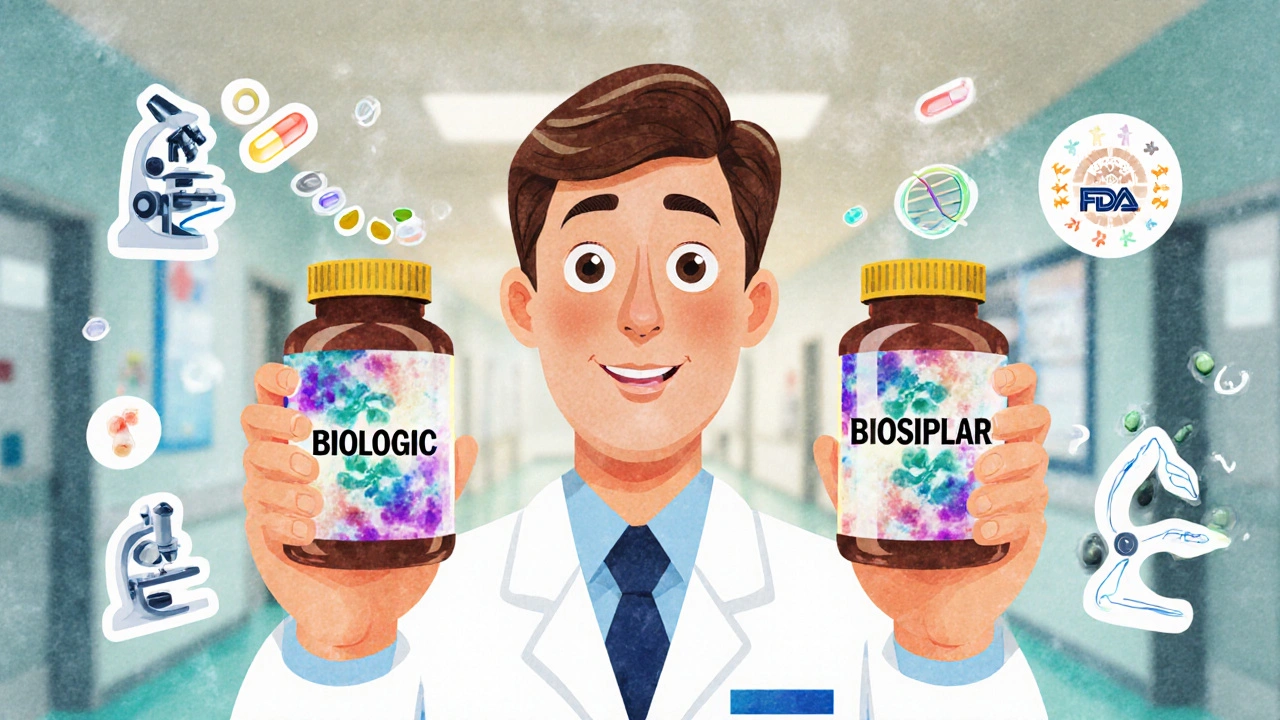
Provider Education: Understanding Biosimilar Differences and Why It Matters
Understand how biosimilars differ from generics, why provider education is critical for safe adoption, and how this impacts patient access and cost savings in modern healthcare.