
Antiretroviral Interactions: What You Need to Know About Drug Conflicts
When you're taking antiretrovirals, medications used to treat HIV by blocking the virus from multiplying. Also known as HIV drugs, they keep the virus under control—but they don't play well with everything else. Mixing them with other medicines, supplements, or even common foods can lower their effectiveness or spike side effects to dangerous levels. This isn’t theoretical—it’s happened to real people who didn’t know a simple antacid or herbal supplement could throw off their entire treatment plan.
Antiretroviral interactions mostly happen because these drugs are processed by the same liver enzymes as many other substances, especially CYP3A4. When two drugs compete for the same enzyme, one can block the other from breaking down properly. For example, some antiretrovirals, like ritonavir and cobicistat. Also known as booster drugs, they are intentionally used to slow down metabolism of other HIV meds, but that same trick can cause unintended overdoses of blood pressure pills, statins, or even antidepressants. Meanwhile, HIV medication interactions, common with drugs like efavirenz or nevirapine. Also known as non-nucleoside reverse transcriptase inhibitors, they can make birth control pills useless or turn a normal dose of ibuprofen into a stomach-bleeding risk.
It’s not just pills. Grapefruit juice, St. John’s wort, and even some antibiotics can interfere. A patient on tenofovir might not realize their kidney function is being hit harder by a common painkiller. Someone on dolutegravir could be at risk for neurological side effects if they start taking an over-the-counter sleep aid. These aren’t rare edge cases—they’re preventable mistakes that happen because the rules aren’t clearly explained.
That’s why the posts below cover real-world examples: how antidepressants and alcohol can worsen mental health in people on HIV meds, how reading OTC labels helps avoid hidden dangers, and why even something as simple as potassium levels can become a crisis when antiretrovirals mix with diuretics. You’ll find stories of people who thought they were safe—until they weren’t—and what they learned the hard way. There’s no fluff here. Just what you need to know to take your meds without putting your health at risk.
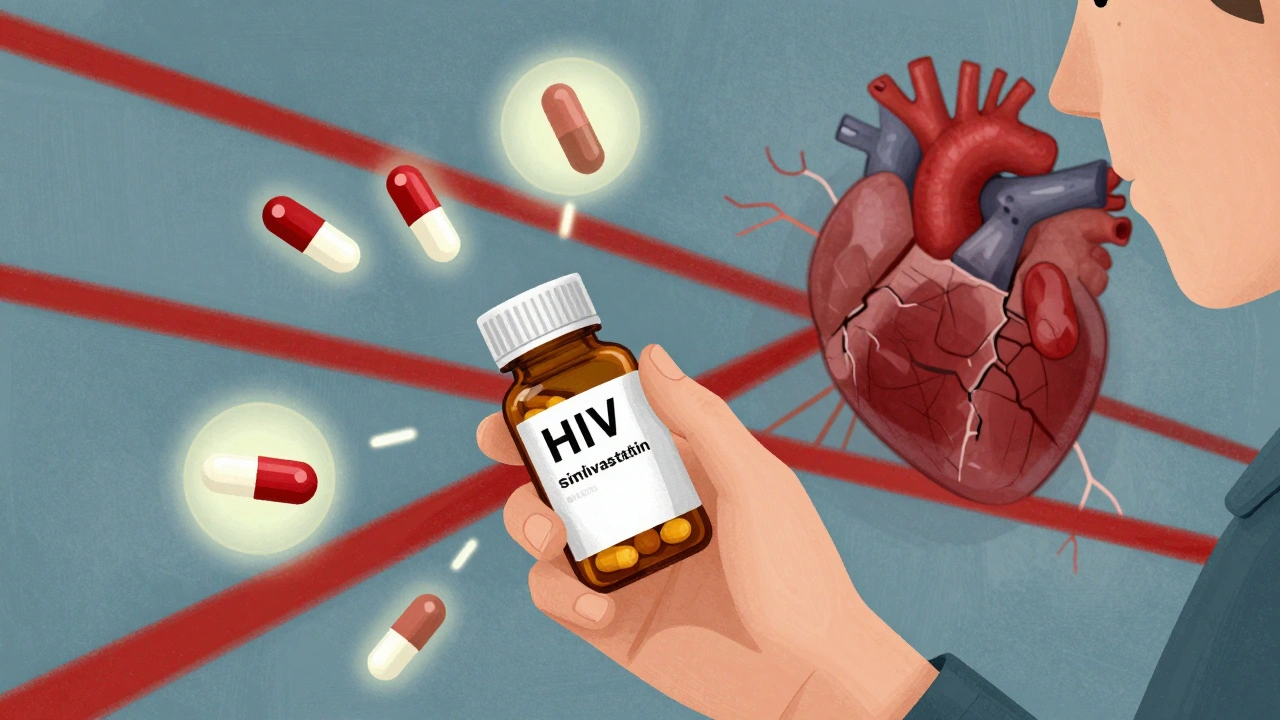
Antiretroviral Therapy and Common Medications: High-Risk Interactions You Can't Ignore
Antiretroviral therapy can interact dangerously with common medications like statins, steroids, and painkillers. Learn which combinations are life-threatening and how to stay safe with HIV treatment.